If you drive a Jeep and notice your steering wheel moves unexpectedly over bumps, you might be dealing with bump steer. This issue can make your Jeep feel unsafe and hard to control, especially after changing parts like lift kits or steering systems.
Understanding bump steer is important for anyone who wants safe, stable handling on and off the road. Let’s dive into what bump steer is, why it happens, and how you can fix or avoid it.
What Is Bump Steer In A Jeep?
Bump steer is the unwanted change in the direction of the front wheels when the suspension moves up or down. Instead of traveling straight, your Jeep can turn slightly left or right when hitting bumps. This happens because of changes in the steering geometry as the suspension moves. It’s common in vehicles with solid front axles like Jeeps, but can also affect independent suspension systems.
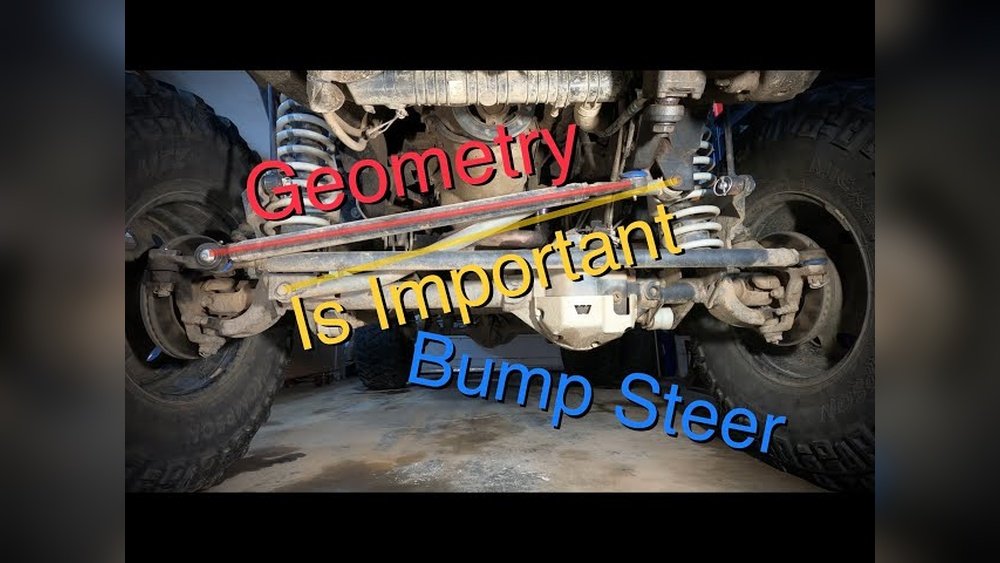
For example, after lifting your Jeep, you might notice the steering feels twitchy on rough roads. This is bump steer in action. The wheels turn without you moving the steering wheel, making the Jeep unpredictable. In extreme cases, bump steer can cause loss of control.
Why Does Bump Steer Happen?
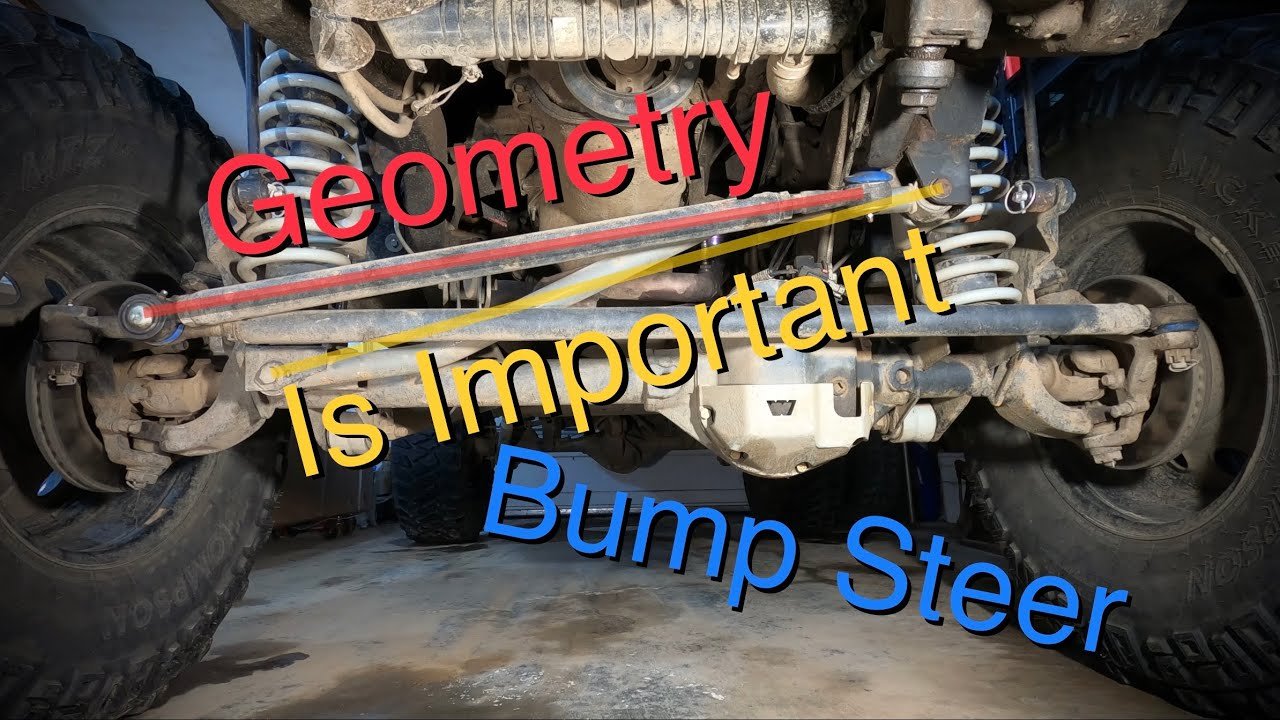
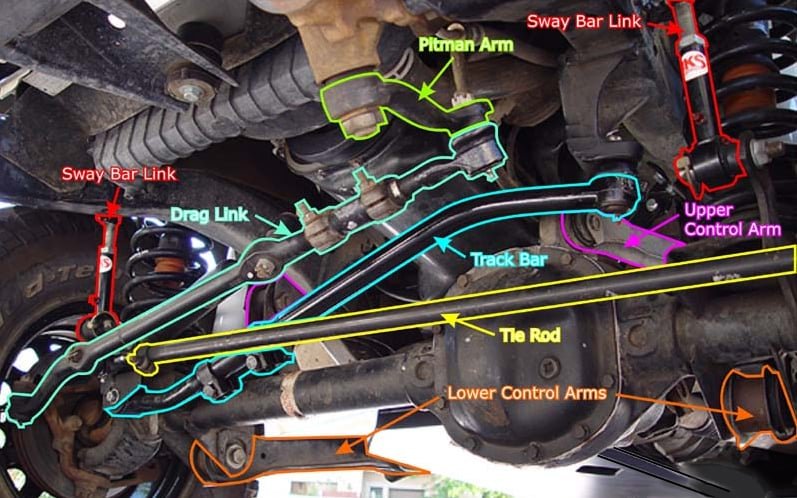
Bump steer usually comes from poor alignment of the steering and suspension components. The main parts involved are:
- Track bar: Controls side-to-side movement of the axle.
- Drag link: Connects the steering box to the wheels.
- Tie rod: Connects both wheels for steering.
If these parts are not parallel or their lengths change after modifications, the wheels move in unintended ways. Here’s a quick look at how changes cause bump steer:
| Modification | Effect on Bump Steer |
|---|---|
| Lift kit installation | Changes angles, increases bump steer risk |
| Track bar relocation | Can reduce or worsen bump steer |
| Steering upgrades | May change geometry if not matched correctly |
Bump steer is not caused by worn-out parts but by geometry mismatch. Even new components can make the problem worse if not installed correctly.
Signs And Symptoms Of Bump Steer
You can spot bump steer by the way your Jeep feels while driving. Some signs include:
- Steering wheel jerks when hitting bumps.
- Jeep pulls left or right on uneven roads.
- Loose or twitchy steering after suspension changes.
- Difficulty keeping straight at high speeds.
Many Jeep owners confuse bump steer with death wobble (violent shaking), but bump steer is usually less severe and happens mainly over bumps.
Real-world Example: Jeep Wrangler With Lift Kit
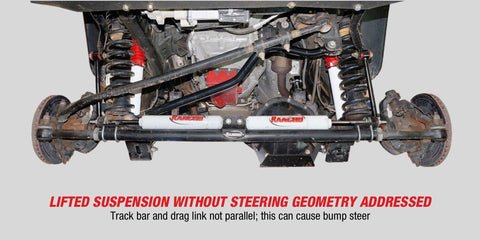
Suppose you install a 3-inch lift kit on your Jeep Wrangler. The new height changes the angle of the track bar and drag link. If you do not add a track bar relocation bracket or adjust the steering links, you may notice bump steer soon after. The Jeep feels unstable, and you need constant corrections on rough terrain. This is a classic bump steer scenario.
Here’s a comparison of stock vs. lifted Jeep geometry:
| Setup | Track Bar Angle | Drag Link Angle | Bump Steer Risk |
|---|---|---|---|
| Stock | Low | Low | Minimal |
| Lifted (No Correction) | High | High | High |
| Lifted (Corrected) | Low | Low | Minimal |
How To Fix Or Prevent Bump Steer
Fixing bump steer starts with checking your Jeep’s suspension and steering alignment. Here are practical steps:
- Check track bar and drag link angles: Make sure they are as parallel as possible.
- Use track bar relocation brackets: These help match the new geometry after a lift.
- Install adjustable steering components: Allows fine-tuning for your setup.
- Get a professional alignment: Proper alignment reduces bump steer risk.
- Test after every change: Drive over bumps and notice any unwanted steering movement.
A common mistake is installing a lift kit without correcting steering geometry. Many beginners think only the springs or shocks matter, but the angles of the track bar and drag link are just as important. Another overlooked detail is tire pressure.
Too high or too low can exaggerate bump steer symptoms.
Here’s a quick comparison of solutions:
| Solution | Effectiveness | Cost | Difficulty |
|---|---|---|---|
| Track bar relocation bracket | High | Moderate | Medium |
| Adjustable drag link | High | High | Medium |
| Professional alignment | Medium | Low | Easy |
| Tire pressure adjustment | Low | Low | Easy |
Extra Insights Jeep Owners Often Miss
Many Jeep owners believe bump steer is normal after lifting their vehicle. However, with the right setup, your Jeep can drive straight even with big lifts. Another hidden factor is suspension travel. The more your Jeep’s suspension moves, the more likely you are to see bump steer. Choosing quality parts and matching them carefully is key.
Also, don’t overlook the importance of regular checks. Over time, bolts can loosen and bushings can wear, changing your geometry even if everything was perfect at first.
Frequently Asked Questions
What Is The Difference Between Bump Steer And Death Wobble?
Bump steer is a slight change in steering direction over bumps, while death wobble is a violent shaking of the steering wheel. Bump steer is usually predictable and happens mainly over rough surfaces; death wobble can make the Jeep nearly impossible to control.
Can Bump Steer Damage My Jeep?
Bump steer itself doesn’t cause damage, but it can make your Jeep unsafe. It increases stress on steering components and tires, especially if left uncorrected.
Is Bump Steer Common After Lifting A Jeep?
Yes, bump steer is common after installing lift kits. Changes in suspension height affect steering angles, making bump steer more likely unless geometry is corrected.
How Do I Test For Bump Steer?
Drive your Jeep over small bumps at low speed. If the steering wheel moves without your input, you likely have bump steer. You can also visually inspect the angles of the track bar and drag link.
Where Can I Learn More About Bump Steer?
You can find detailed guides and diagrams at Wikipedia for more technical information.
Getting rid of bump steer makes your Jeep safer and more enjoyable to drive. Pay attention to steering and suspension geometry any time you upgrade your Jeep. With careful setup, you can enjoy smooth, straight driving even on the toughest trails.