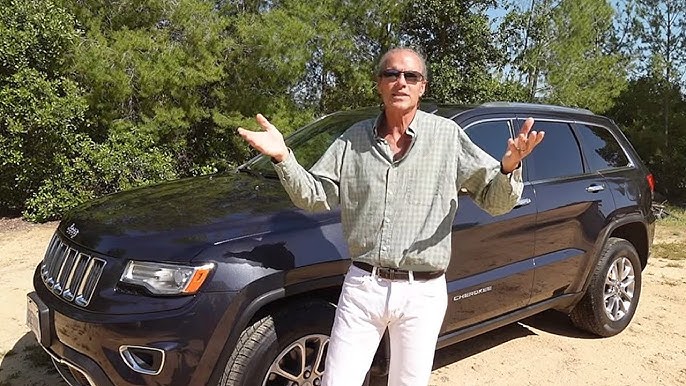
Shopping for a new SUV can be exciting, especially when you see the Jeep Grand Cherokee. Its bold look and off-road reputation are hard to ignore.
But before you sign a contract, it’s smart to look deeper. Many buyers focus on style and brand, but miss important details that matter in daily life.
Let’s break down the reasons why the Jeep Grand Cherokee might not be the best choice for your next vehicle.
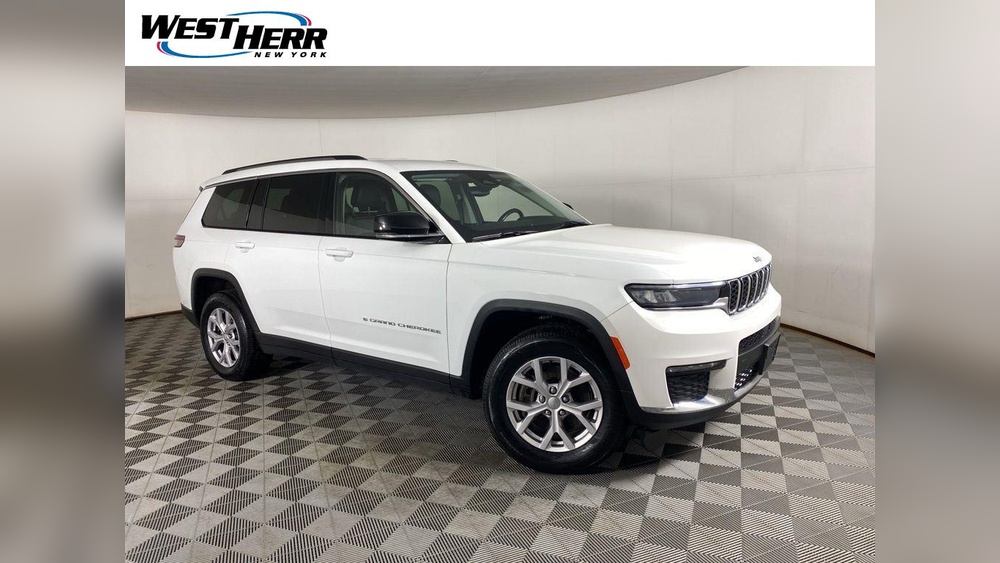
High Cost Of Ownership
At first glance, the Grand Cherokee’s price seems competitive for a midsize SUV. However, the real cost goes beyond the sticker. Owners often face:
- Higher insurance premiums due to above-average repair costs
- Expensive parts and service, especially for four-wheel-drive models
- Lower resale value compared to rivals like Toyota or Honda
For example, according to Kelley Blue Book, the Grand Cherokee typically loses value faster than similar SUVs, which means you’ll get less back when you sell or trade in.
Annual Maintenance Costs
Here’s a quick look at average yearly maintenance costs for common midsize SUVs:
| Model | Annual Maintenance Cost (USD) |
|---|---|
| Jeep Grand Cherokee | $700–$850 |
| Toyota 4Runner | $500–$600 |
| Honda Passport | $450–$550 |
As you can see, the Grand Cherokee is one of the most expensive to maintain in its class.
Reliability Concerns
Many buyers believe Jeep means rugged reliability, but the Grand Cherokee’s track record tells a different story. Major studies, like J.D. Power’s Vehicle Dependability Study, often rank the Grand Cherokee below average for reliability.
Common Issues
Some frequent problems reported by owners include:
- Electrical glitches (infotainment system freezing, power window failures)
- Transmission problems, especially in models from 2014-2017
- Engine stalling or rough idling
- Air suspension failure (costly to repair)
In fact, the 2015 Grand Cherokee was recalled multiple times for serious safety and mechanical issues.
Fuel Efficiency Disadvantages
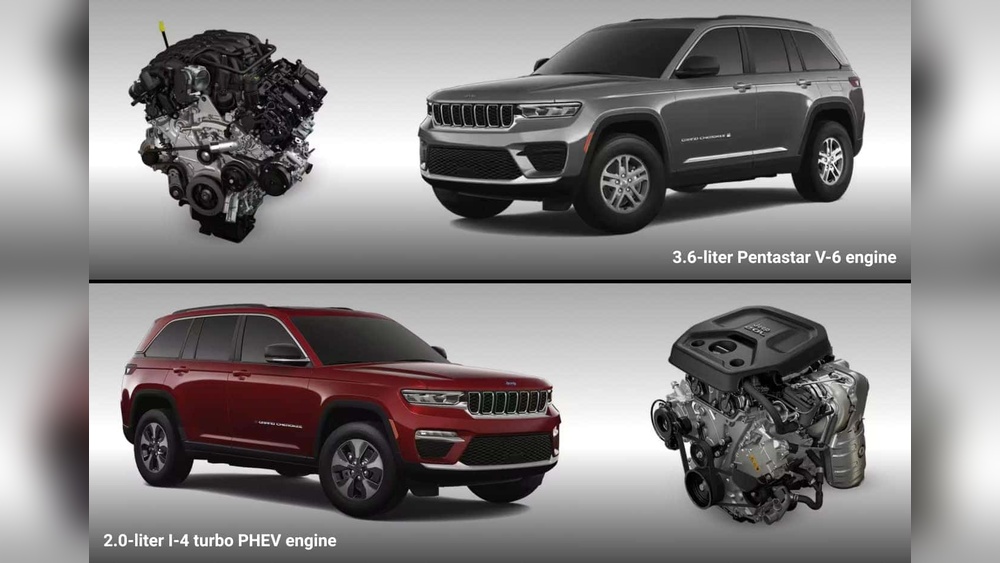
SUVs are not known for great gas mileage, but the Grand Cherokee is less efficient than many competitors. Even with its V6 engine, real-world fuel economy often falls short of the EPA estimates.
Fuel Economy Comparison
Compare the typical mpg (miles per gallon) for popular midsize SUVs:
| Model | City MPG | Highway MPG |
|---|---|---|
| Jeep Grand Cherokee (V6) | 19 | 26 |
| Toyota Highlander (V6) | 21 | 29 |
| Ford Edge | 21 | 28 |
Over time, this adds up to hundreds of extra dollars spent on fuel each year.
Technology And Interior Quality
While the Grand Cherokee offers modern features, its tech and cabin quality often lag behind competitors. The infotainment system can be slow, and the interior uses more hard plastics than you’d expect at this price point. This can make the vehicle feel less premium, especially on long drives.
Interior Space Comparison
If you need a roomy SUV, the Grand Cherokee may disappoint. Here’s how its cargo space stacks up:
| Model | Cargo Space (cubic feet) |
|---|---|
| Jeep Grand Cherokee | 36.3 |
| Toyota 4Runner | 47.2 |
| Honda Passport | 41.2 |
Families or travelers may find the Grand Cherokee too small for their needs.
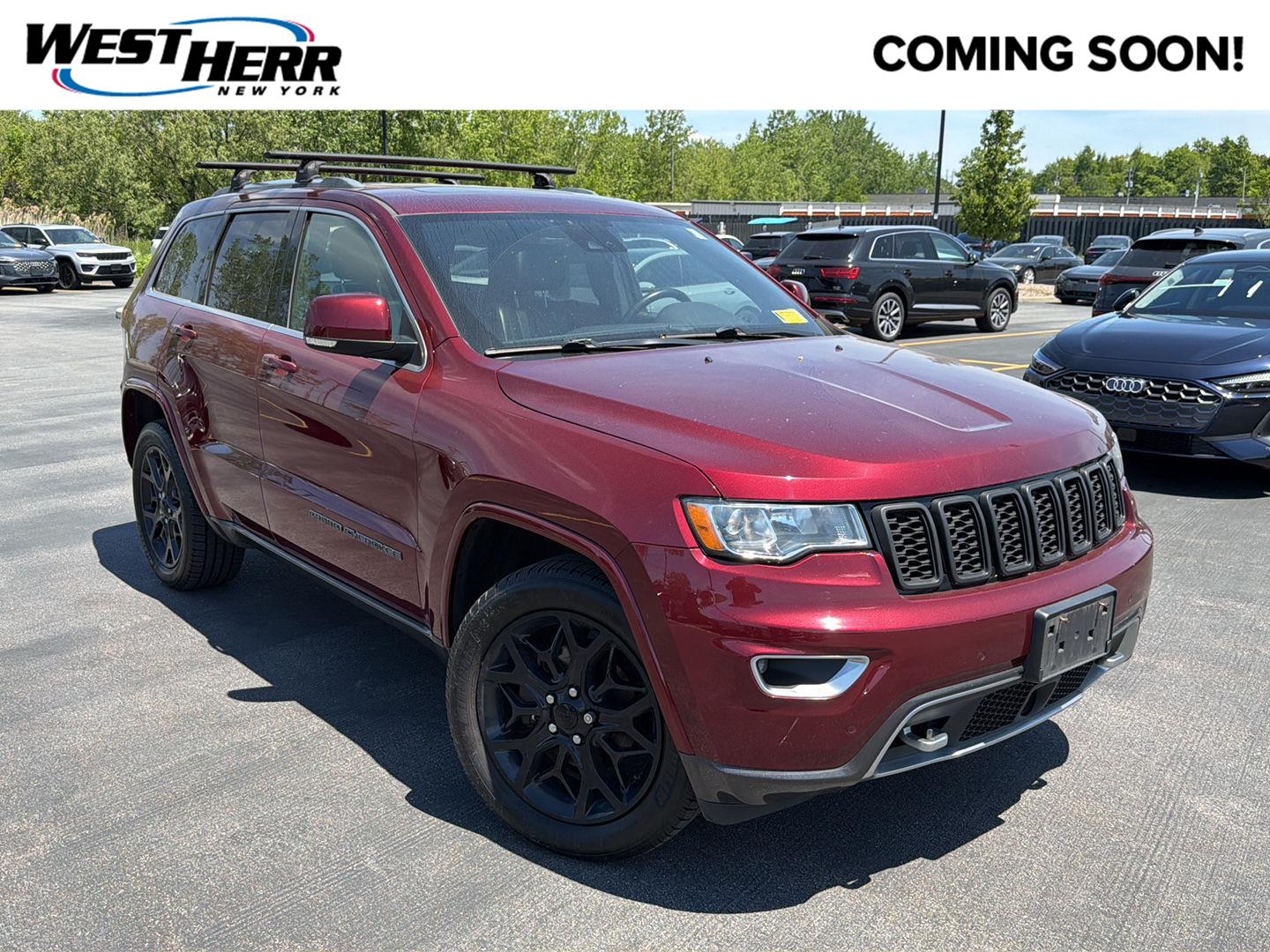
Safety Ratings And Features
Safety is a key concern, but the Grand Cherokee sometimes falls behind. While it offers advanced driver aids, these are often optional and only available on higher trims. Plus, some models have received only average crash test scores from the IIHS and NHTSA.
For example, the 2021 Grand Cherokee received a “Marginal” score for small overlap front crash protection, while rivals scored “Good. ”
Two Insights Most Buyers Miss
- Long-Term Repair Risks: Even if you buy new, parts like air suspension and transmission often fail just outside warranty, leading to big repair bills.
- Off-Road Image vs. Reality: Many owners never use the Grand Cherokee off-road. If you drive mainly on city streets, you’re paying for features you won’t use.
Should You Still Consider It?
There are people who love their Grand Cherokees, especially for towing or true off-roading. But for most families or commuters, there are better options for less money, with fewer headaches.
If you value low cost of ownership, high reliability, and strong resale value, you’ll likely be happier with a Toyota, Honda, or Ford SUV. Before making your choice, check expert reviews and owner feedback from sources like Consumer Reports.
The Grand Cherokee is stylish and powerful, but these strengths don’t always make up for its weak points. It’s a good idea to test drive several models and ask about the total cost of ownership before you decide.
Frequently Asked Questions
Why Is The Jeep Grand Cherokee’s Resale Value Low?
The Grand Cherokee’s resale value is lower because of its reliability concerns and high maintenance costs. Buyers know about these issues, so used models are less desirable.
What Years Of Grand Cherokee Are The Most Unreliable?
Models from 2014 to 2017 often have the most complaints, especially for transmission and electrical problems. Always check specific year reviews before buying used.
Is The Grand Cherokee Good For Family Use?
While it’s comfortable for five passengers, its cargo space is smaller than many rivals. Families who need more room may prefer other midsize SUVs.
Are Repair Costs Really That High?
Yes, especially for major parts like the air suspension or transmission. Out-of-warranty repairs can cost thousands of dollars.
Is It A Good Choice For Daily Driving?
If you only drive in the city or on highways, the Grand Cherokee’s off-road features and higher costs may not offer real value. Many drivers are happier with more practical, reliable SUVs.