The story of Fiat’s takeover of Jeep is a key moment in global automotive history. Jeep is an iconic American brand, famous for rugged SUVs and a strong heritage. Fiat, meanwhile, is an Italian company with a long history in compact cars. Their paths crossed during a period of financial struggle and industry change. Many people are curious: when did Fiat take over Jeep, and what changed after that? Let’s break down the timeline, the reasons behind the takeover, and the impact on both brands.
Jeep’s Roots And Early Ownership
Jeep began as a military vehicle in the 1940s. Its first civilian models were launched after World War II. For decades, Jeep was passed between several owners:
- In 1953, Kaiser Motors bought Jeep.
- In 1970, American Motors Corporation (AMC) took over.
- In 1987, Chrysler acquired AMC and Jeep.
By the late 2000s, Chrysler was struggling financially. Jeep was still popular, but its future was uncertain.
Fiat’s Move: The Takeover Timeline
The real turning point came in 2009. Chrysler filed for bankruptcy amid the global financial crisis. Fiat saw an opportunity and made a strategic partnership. Here’s how it happened:
- 2009: Fiat and Chrysler agreed to a partnership. Fiat took a 20% stake in Chrysler, gaining access to Jeep and other brands.
- 2011: Fiat increased its stake to 53.5%, becoming the majority owner.
- 2014: Fiat bought the rest of Chrysler, forming Fiat Chrysler Automobiles (FCA). Jeep officially became part of FCA.
So, Fiat took over Jeep in stages, but full control was established in 2014.
| Year | Event | Ownership Change |
|---|---|---|
| 2009 | Fiat partners with Chrysler | Fiat gains 20% stake |
| 2011 | Fiat increases stake | Fiat holds 53.5% |
| 2014 | FCA formed | Fiat fully owns Chrysler/Jeep |
Why Did Fiat Want Jeep?
Fiat had several reasons for the takeover:
- Global expansion: Fiat wanted a stronger presence in the US and worldwide.
- SUV popularity: Jeep had strong sales in the SUV segment, which was growing fast.
- Brand synergy: Combining Fiat’s small cars with Jeep’s rugged SUVs could help both brands.
A less obvious insight: Jeep’s technology and reputation gave Fiat access to new markets, especially in North America, where Fiat was weak. Also, Jeep’s loyal customer base was valuable for future growth.
What Changed After Fiat Took Over Jeep?
After the takeover, Jeep underwent major changes. Here are the most important shifts:
Product Innovations
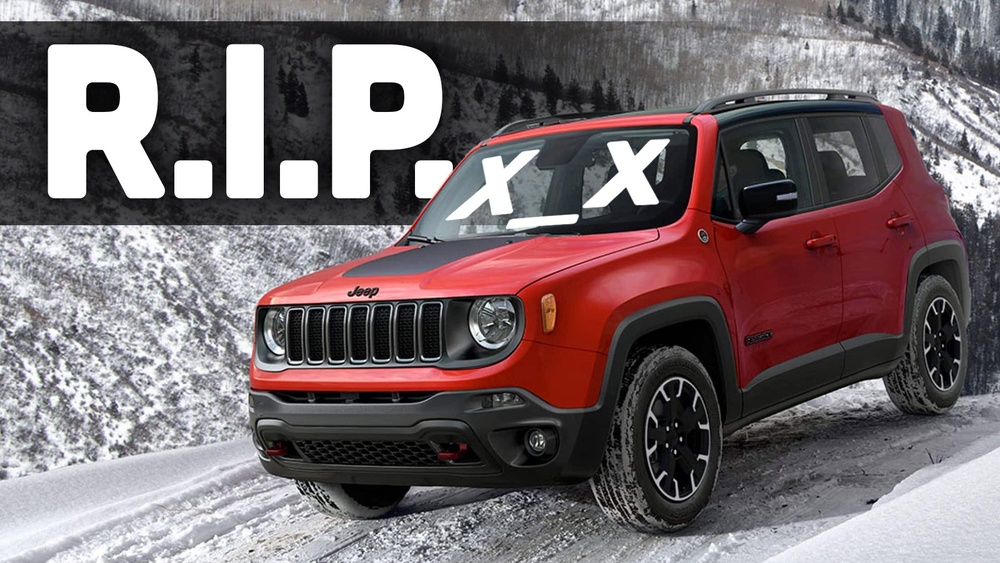
Jeep launched new models like the Jeep Renegade (built in Italy with Fiat’s help) and improved existing SUVs. Fiat’s expertise in small engines and efficient design helped Jeep make cars for global markets.
Sales Growth
Jeep’s global sales rose quickly. In 2014, Jeep sold over 1 million vehicles, a record for the brand. By 2018, sales had doubled. Fiat’s international network gave Jeep access to Europe, Asia, and Latin America.
| Year | Jeep Global Sales | Key Model |
|---|---|---|
| 2014 | 1,017,019 | Grand Cherokee |
| 2018 | 1,565,693 | Wrangler, Renegade |
Manufacturing Changes
Fiat and Jeep started building cars in new factories, especially outside the US. This helped reduce costs and adapt to local demand.
Management And Strategy
Fiat brought new leadership to Jeep, focusing on quality, innovation, and efficient production. The brands shared technology, but kept their separate identities.

Comparing Jeep Before And After Fiat
Jeep changed in several ways after Fiat’s takeover. Here’s a quick comparison:
| Aspect | Before Fiat | After Fiat |
|---|---|---|
| Global Presence | Mainly US | Worldwide |
| Model Range | Limited (Cherokee, Wrangler) | Expanded (Renegade, Compass, etc.) |
| Sales | Stable, moderate | Rapid growth |
| Manufacturing | Mostly US | US, Italy, China, Brazil |
A non-obvious insight: Fiat’s takeover did not erase Jeep’s American identity. Instead, Jeep became a global brand, but kept its rugged, off-road image.
The Fca Merger: What Happened Next?
Fiat Chrysler Automobiles (FCA) continued to grow. In 2021, FCA merged with the French group PSA (Peugeot), forming Stellantis. Jeep is now part of Stellantis, but the brand still has strong influence from Fiat.
This merger means Jeep has even more resources and access to new technology, including electric vehicles. However, Jeep’s style and spirit remain unchanged.
Impact On Consumers And The Car Industry
The Fiat takeover made Jeep cars available in more countries. Consumers saw:
- More choices in models and features
- Better fuel efficiency (thanks to Fiat’s engineering)
- Improved quality and reliability
The car industry noticed Jeep’s rapid growth and global reach. Fiat’s strategy showed how combining brands can create strong results.
Frequently Asked Questions
When Did Fiat Fully Take Control Of Jeep?
Fiat fully took over Jeep in 2014, after buying all of Chrysler and forming FCA.
Did Jeep Lose Its American Identity After Fiat’s Takeover?
No, Jeep kept its American heritage. Fiat helped expand the brand globally, but Jeep’s style and values stayed the same.
What Models Did Fiat Help Jeep Launch?
Fiat helped launch the Jeep Renegade and updated models like the Compass. The Renegade was the first Jeep built in Italy for global markets.
How Did Jeep’s Sales Change After Fiat’s Takeover?
Jeep’s sales more than doubled from 2014 to 2018. Fiat’s international network helped Jeep reach new markets and customers.
Is Jeep Now Part Of Stellantis?
Yes, after FCA merged with PSA in 2021, Jeep became part of Stellantis. Stellantis is now one of the world’s largest car groups (Wikipedia).
Fiat’s takeover of Jeep turned the brand into a global powerhouse. Jeep’s growth shows the power of smart partnerships and adapting to new markets.
For car fans and buyers, the changes brought more choices and better quality while keeping Jeep’s classic spirit alive.