Chrysler, Jeep, and Dodge are three famous American car brands. Many people know their vehicles, but few understand who really owns these brands today.
Their history is full of changes, mergers, and takeovers. If you want to know who controls Chrysler Jeep Dodge, and how this affects the cars you buy, this article will clear up the confusion.
The Origins: Chrysler, Jeep, And Dodge
Chrysler started in 1925, quickly becoming one of Detroit’s “Big Three” automakers. It was known for engineering innovation and introduced features like the first practical automatic transmission. Jeep was born during World War II, famous for its rugged military vehicles. The original Jeep Willys became a symbol of reliability in difficult terrains, which helped the brand grow after the war. Dodge began in 1900, building engines and later becoming a full car manufacturer. Dodge’s early reputation was for tough trucks and dependable cars.
For decades, each brand operated separately, but the auto industry is always changing. Economic troubles and competition pushed these companies to join forces. Chrysler, Jeep, and Dodge each faced challenges like rising fuel costs and foreign competition which made it hard to survive alone.
Combining resources became necessary to keep up with new technologies and market demands.
Ownership Timeline: Mergers And Changes
The ownership of Chrysler, Jeep, and Dodge is complicated. Here’s a brief timeline:
- Chrysler’s Early Years: Independent until 1998.
- DaimlerChrysler Merger (1998–2007): Chrysler merged with German company Daimler-Benz.
- Cerberus Ownership (2007–2009): Sold to Cerberus Capital Management.
- Fiat Partnership (2009–2021): Italian company Fiat took control.
- Stellantis Formation (2021–present): Fiat Chrysler merged with French group PSA to form Stellantis.
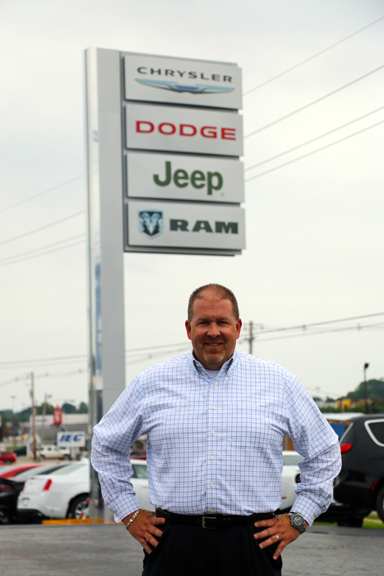
Today, all three brands are part of Stellantis.
This history of frequent change is unusual in the car industry. For example, the DaimlerChrysler era brought advanced safety features and a push for luxury, but also culture clashes between German and American teams.
When private equity firm Cerberus took over, cost-cutting was the focus, which led to fewer new models.
| Year | Ownership Change | Main Impact |
|---|---|---|
| 1998 | Daimler-Benz | Global expansion, luxury tech |
| 2009 | Fiat S.p.A. | New models, European influence |
| 2021 | Stellantis | Largest global merger |
Each owner brought something different. Fiat, for example, introduced smaller, more fuel-efficient cars to the lineup, which was new for American buyers. Stellantis has focused on electrification and global reach.
Stellantis: The Current Owner
Stellantis is now the parent company. It owns Chrysler, Jeep, Dodge, Ram, and many other brands. Stellantis was created in January 2021, combining Fiat Chrysler Automobiles (FCA) and PSA Group (Peugeot, Citroën).
Stellantis is the world’s fourth-largest automaker, selling over 6 million vehicles in 2022. It operates in more than 130 countries and has 14 brands under its umbrella.
This means Stellantis has the power to share technology, production methods, and even car parts across many markets.
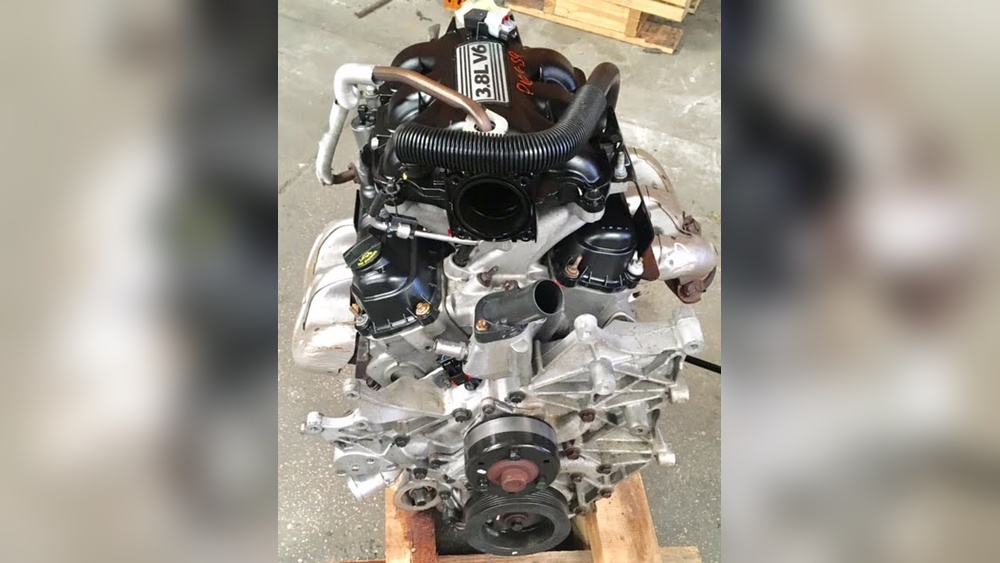
For example, a Dodge engine might share parts with a Peugeot, making repairs easier and sometimes cheaper.
| Brand | Owned by Stellantis? | Main Market |
|---|---|---|
| Chrysler | Yes | North America |
| Jeep | Yes | Worldwide |
| Dodge | Yes | North America |
| Ram | Yes | North America |
| Peugeot | Yes | Europe |
Other Stellantis brands include Alfa Romeo, Maserati, and Opel. This mix of American and European brands creates a large pool of resources, helping each brand survive tough market changes.
How Stellantis Manages These Brands
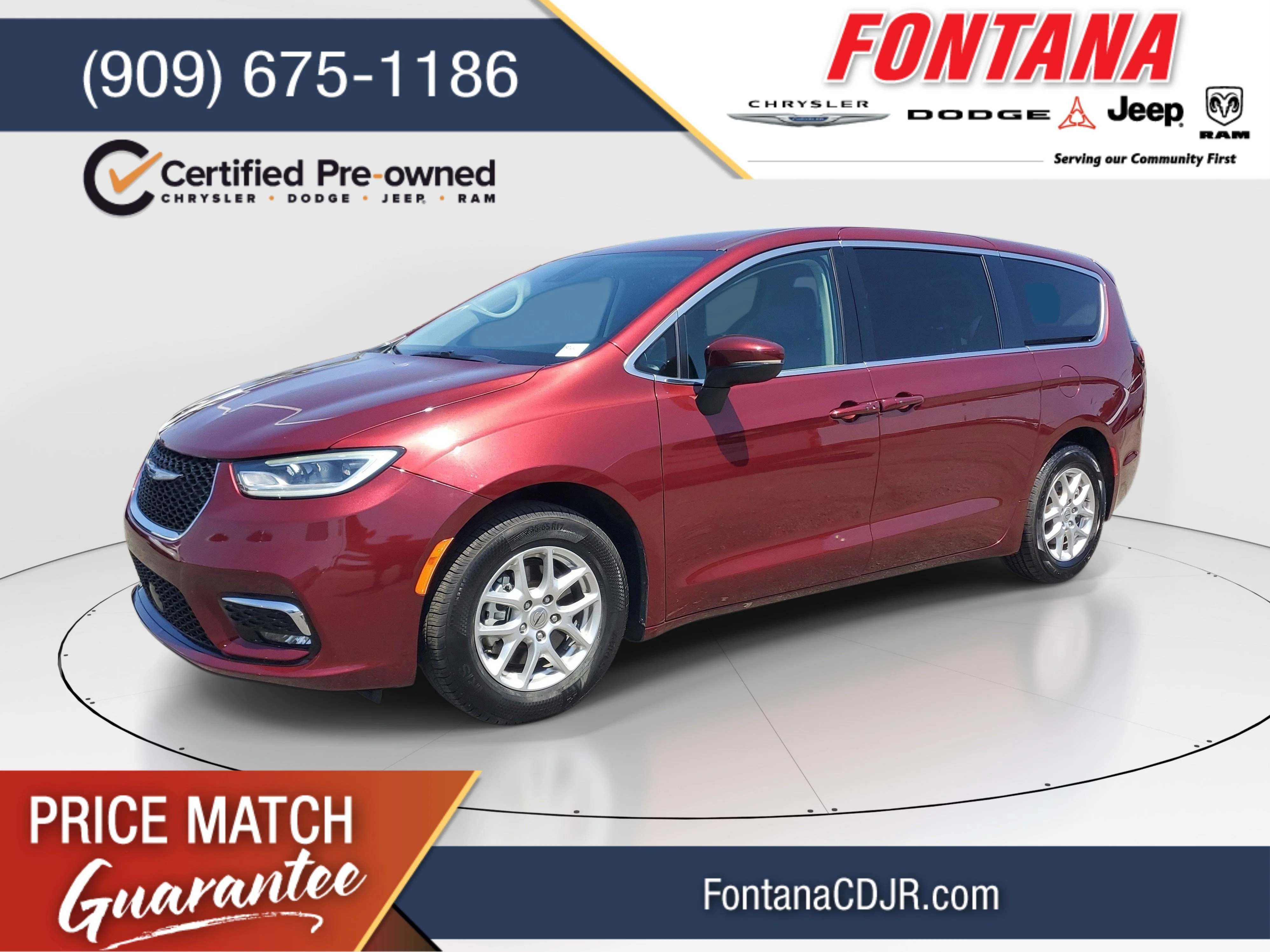
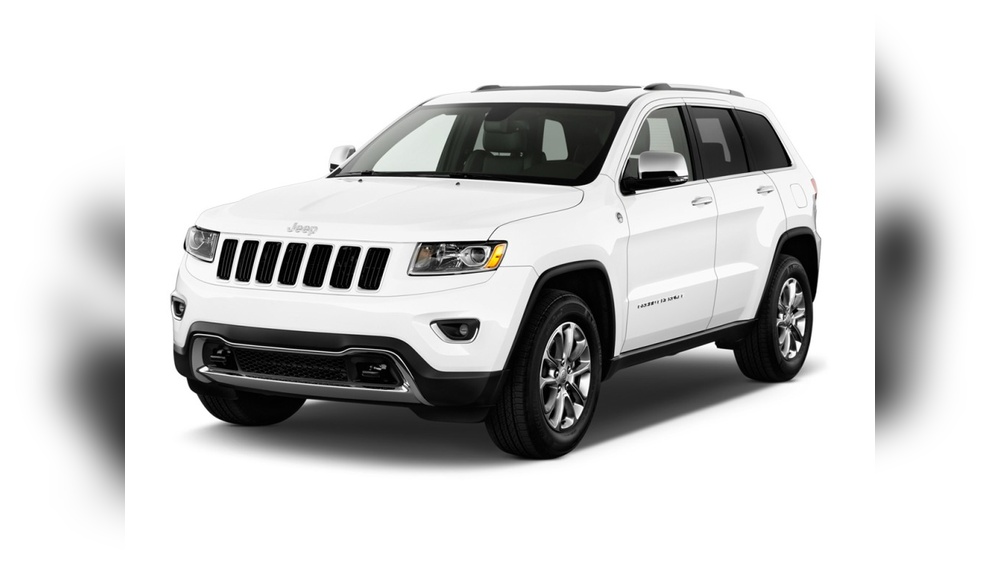
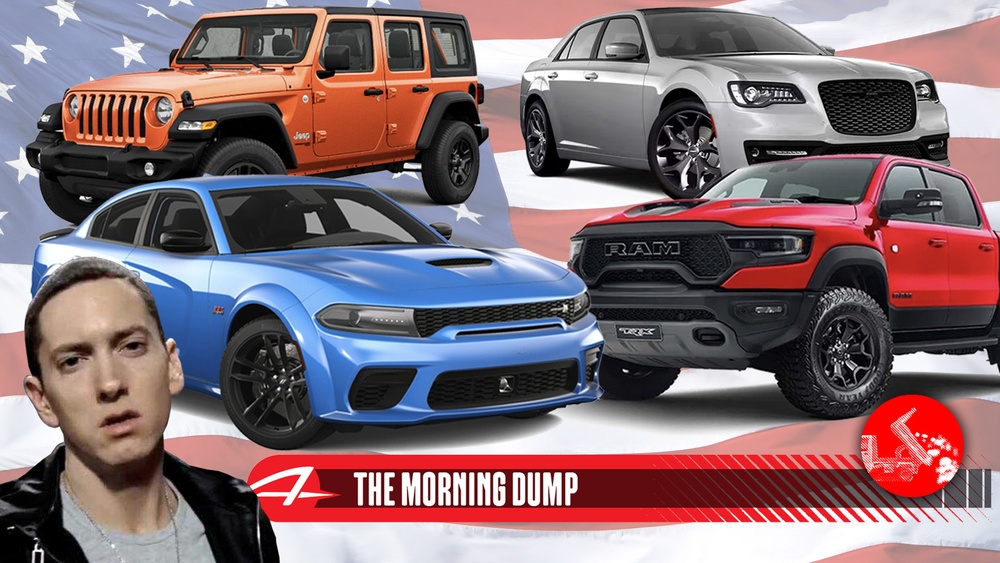
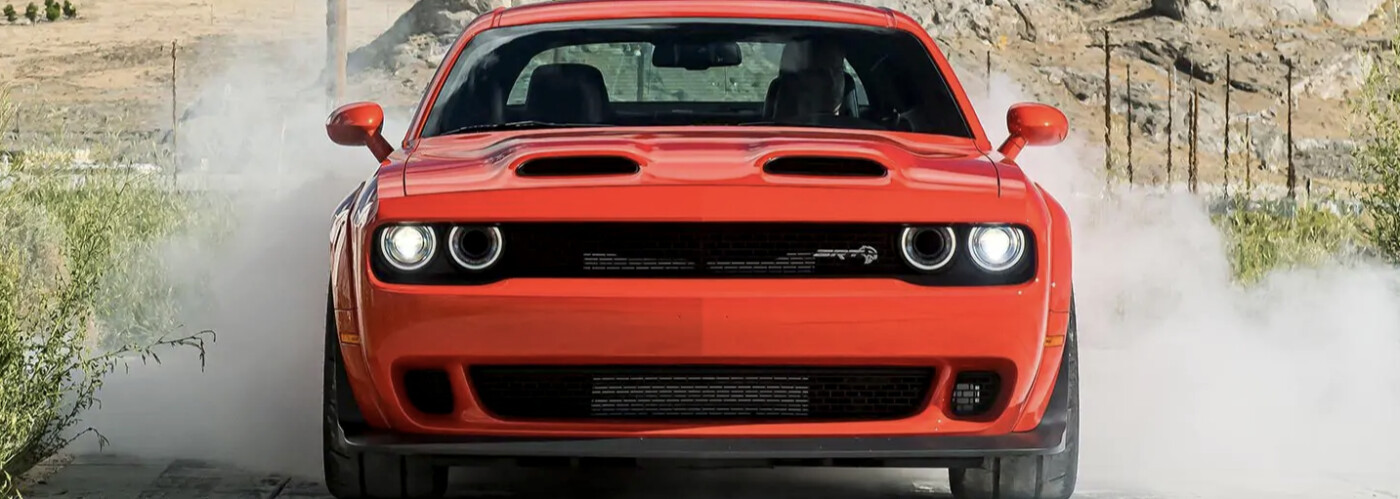
Stellantis allows each brand to keep its unique identity. Jeep continues to focus on SUVs and off-road vehicles. The Jeep Wrangler, for example, still uses the boxy design and tough 4×4 systems that made it famous. Dodge is known for sporty cars and muscle vehicles. Models like the Challenger and Charger carry the bold, aggressive style Dodge fans love. Chrysler produces sedans and minivans, such as the Pacifica, which is popular with families.
The company combines resources for research and development, technology, and marketing. This helps lower costs and allows faster innovation. For example, Jeep’s new electric models are built using shared Stellantis technology, which would have been too expensive for Jeep alone.
One insight many miss: Stellantis gives these brands access to global supply chains. A Jeep made in the US may use parts from Europe or Asia, improving quality and reducing price. This sharing also speeds up repairs, as parts are often available from more than one country.
Another point: While Stellantis manages overall direction, each brand has its own leadership team. They decide on design, advertising, and which models to launch. For example, Jeep’s team decides which new SUV to build, while Dodge’s leaders focus on performance cars. This lets each brand respond to its specific customers’ needs without being forced into a “one size fits all” approach.
What Ownership Means For Buyers
If you’re shopping for a Chrysler, Jeep, or Dodge, Stellantis’ ownership affects you in several ways:
- Better technology: Shared electric vehicle platforms and safety features. For example, advanced driver-assist systems, which were rare on American cars, are now common thanks to Stellantis’ European tech.
- More choices: Access to international models and features. Some Jeep models sold in Europe now appear in the US, sometimes with unique options.
- Stable support: Large company means better warranties and parts availability. Even if a model is discontinued, Stellantis’ size helps ensure you can still get service and replacement parts.
However, there can be downsides. Some models may be discontinued if they don’t fit Stellantis’ global plans.
For example, Chrysler has fewer models today than in the past. Also, some buyers worry that global designs may lose the “American” feel, though most styling decisions still target US tastes.
| Brand | Popular Model | Recent Change |
|---|---|---|
| Chrysler | 300 | Possible discontinuation |
| Jeep | Wrangler | Electric version launched |
| Dodge | Charger | Hybrid tech added |
If you own an older Chrysler, Jeep, or Dodge, you may notice newer models look and feel more modern. That’s because Stellantis invests in updates across all brands, not just one.
Common Misconceptions
Many people still think Chrysler, Jeep, and Dodge are American-owned. While their roots are American, their management is now international. This mix of cultures can bring benefits, like better safety standards and new design ideas.
Stellantis’ headquarters are in Amsterdam, Netherlands, but it operates factories and offices worldwide. The CEO, Carlos Tavares, is from Portugal, and the board includes leaders from France, Italy, and the US. This international leadership helps the brands understand global markets, not just the US.
Another misconception: Some believe ownership changes mean lower quality. In reality, global companies often invest more in technology and quality control. For example, Stellantis uses the same quality checks for all its brands, whether cars are built in Italy, the US, or France.
Why Ownership Matters
Understanding who owns your car brand helps you see how decisions are made. Ownership affects:
- Design direction
- Model availability
- Pricing
- After-sales service
For example, Stellantis’ push for electric vehicles means Jeep and Dodge will offer more EVs soon. If you prefer traditional engines, this change matters.
Buyers who want a gas-powered muscle car may have fewer choices in the future as the company invests in hybrids and electric models.
Also, ownership impacts recalls and repairs. Stellantis’ global network ensures better access to parts, but sometimes, international supply chains can cause delays. For instance, a part for your Dodge might be shipped from Europe, which could take longer during times of high demand.
Another insight: Ownership matters when it comes to resale value. Brands with strong global support, like those under Stellantis, often keep higher resale prices because buyers trust long-term parts and service will be available.
Frequently Asked Questions
Who Owns Chrysler Jeep Dodge Now?
Stellantis owns Chrysler, Jeep, and Dodge. Stellantis is a multinational group formed in 2021 by merging Fiat Chrysler and PSA Group.
Is Stellantis An American Company?
No, Stellantis is based in the Netherlands. It operates worldwide, but most leadership and decisions are international.
Are Chrysler, Jeep, And Dodge Still Made In The Usa?
Many models are still built in the US, especially for North America. However, some parts and designs come from other countries. For example, some Jeep models are assembled in Italy for the European market, showing the brand’s global reach.
Did Fiat Really Buy Chrysler?
Yes, Fiat took control of Chrysler in 2009 after Chrysler’s bankruptcy. Fiat later merged with PSA Group to form Stellantis.
Will Stellantis Change The Car Brands’ Names?
No, Stellantis keeps the Chrysler, Jeep, and Dodge names. The company values their strong brand identities.
Stellantis’ ownership of Chrysler, Jeep, and Dodge brings global expertise, advanced technology, and new opportunities for buyers. Changes will continue, but the brands remain strong and recognizable. If you want to learn more about Stellantis and its history, visit Wikipedia for detailed information.