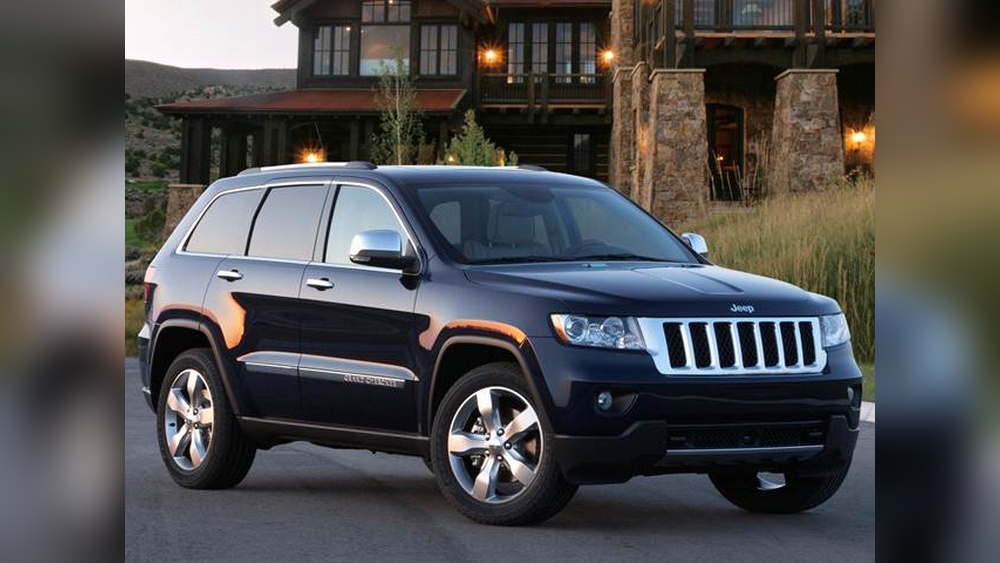
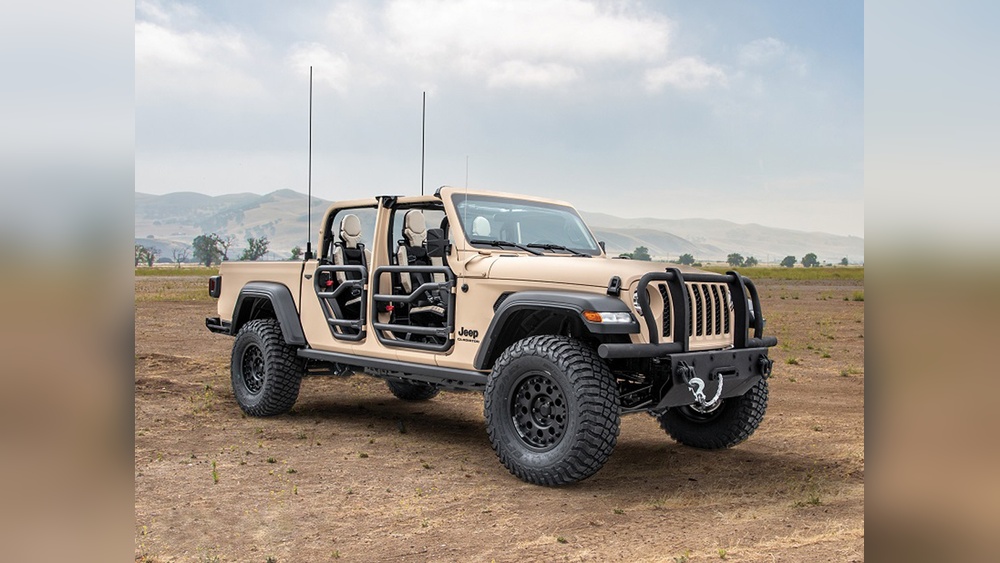
If you drive a Jeep and notice the oil level drops faster than expected, you’re not alone. Many Jeep owners face this issue, especially as their vehicles age or rack up miles.
Burning oil can lead to engine damage, higher maintenance costs, and even failed emissions tests.
Understanding why your Jeep burns oil is the first step to fixing the problem and keeping your vehicle running smoothly.
Common Reasons Your Jeep Burns Oil
Several factors can cause a Jeep to burn oil. The most frequent reasons are related to engine design, age, maintenance habits, and driving conditions.
Engine Wear And Tear
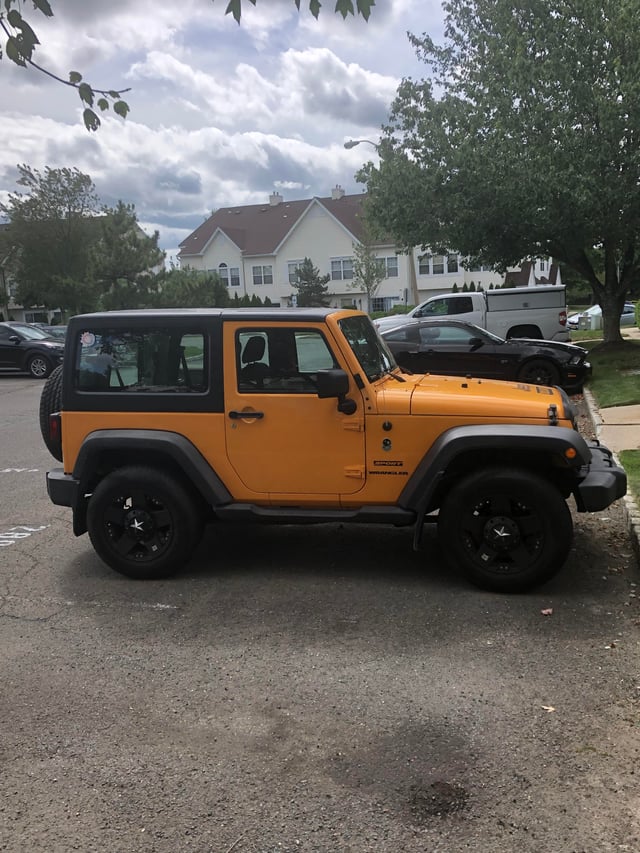
Older Jeeps, especially those with over 100,000 miles, often burn more oil. Piston rings and valve seals wear out over time. When this happens, oil slips into the combustion chamber and burns along with fuel. For example, a 2012 Jeep Wrangler with 120,000 miles may use a quart of oil every 1,500 miles—much more than a newer model.
Poor Maintenance Habits
Skipping oil changes or using the wrong oil type can increase oil burning. Jeeps designed for synthetic oil may burn more if you use conventional oil instead. Dirty oil also leads to sludge, which can block oil passages and cause excess consumption.
Design Flaws In Certain Models
Some Jeep engines, like the Pentastar 3.6L V6, are known for higher oil consumption due to their design. Owners report that this engine can burn a quart every 1,000–1,500 miles. Jeep’s 4.0L inline-six, popular in older Wranglers and Cherokees, is also prone to oil leaks and burning.
Extreme Driving Conditions
If you drive your Jeep off-road, tow heavy loads, or frequently drive in hot weather, the engine works harder. This stress causes more oil to burn, especially if the engine runs hotter than normal.
Oil Leaks Vs Oil Burning
It’s important to distinguish between oil leaks and oil burning. Leaks drip oil under the vehicle, while burning turns oil into smoke. Both lower the oil level, but they require different solutions.
Signs Your Jeep Is Burning Oil
Knowing the symptoms helps you act before serious damage occurs.
- Blue smoke from the exhaust, especially when starting
- Low oil level between changes, without visible leaks
- Fouled spark plugs due to oil residue
- Engine performance issues like rough idling
If you notice any of these, check your oil more frequently and seek a mechanic’s advice.
How Much Oil Consumption Is Normal?
All engines use a little oil, but excessive consumption points to a problem. Jeep’s manual often considers up to 1 quart per 1,000 miles as “acceptable,” though most engines use much less.
Here’s a comparison for context:
| Engine Type | Normal Oil Use (per 1,000 miles) | Excessive Oil Use |
|---|---|---|
| Pentastar 3.6L V6 | 0.5–1 quart | Over 1 quart |
| 4.0L Inline-Six | 0.2–0.5 quart | Over 0.7 quart |
| 2.4L I4 | 0.2 quart | Over 0.5 quart |
If your Jeep uses more oil than these ranges, it’s time to investigate.
Diagnosing The Problem
To find out why your Jeep burns oil:
- Check oil regularly—every 500 miles.
- Inspect for leaks under the vehicle and around the engine.
- Look for blue smoke from the tailpipe.
- Examine spark plugs for oil deposits.
- Ask a mechanic to do a compression test or leak-down test.
These steps help pinpoint whether the issue is from worn parts, leaks, or engine design.
Fixes And Prevention Tips
Repairing oil burning depends on the cause. Here’s what you can do:
- Replace worn piston rings or valve seals if they’re the problem. This is a major repair but solves the root issue.
- Use high-quality synthetic oil that matches Jeep’s specifications.
- Change oil and filter every 5,000 miles or as recommended.
- Fix leaks by replacing gaskets or seals.
- Avoid harsh driving and let the engine warm up before heavy use.
Some owners find adding oil additives helps reduce consumption, but this is a temporary fix. Regular maintenance and using the correct oil are key to preventing oil burning.
Non-obvious Insights
- Engine software updates: Some newer Jeeps have software updates available that change oil pressure or timing, reducing oil burning. Ask your dealer about updates.
- PCV valve issues: A faulty positive crankcase ventilation (PCV) valve can cause oil to enter the intake. Replacing this inexpensive part often solves hidden oil burning issues.
- Oil viscosity matters: Using a thicker oil, like 10W-40 instead of 5W-20, may slow oil burning in older engines. Always check your manual before changing viscosity.
Jeep Model Comparison
Some Jeep models are more likely to burn oil than others. Here’s a quick comparison:
| Model | Engine | Oil Burning Risk |
|---|---|---|
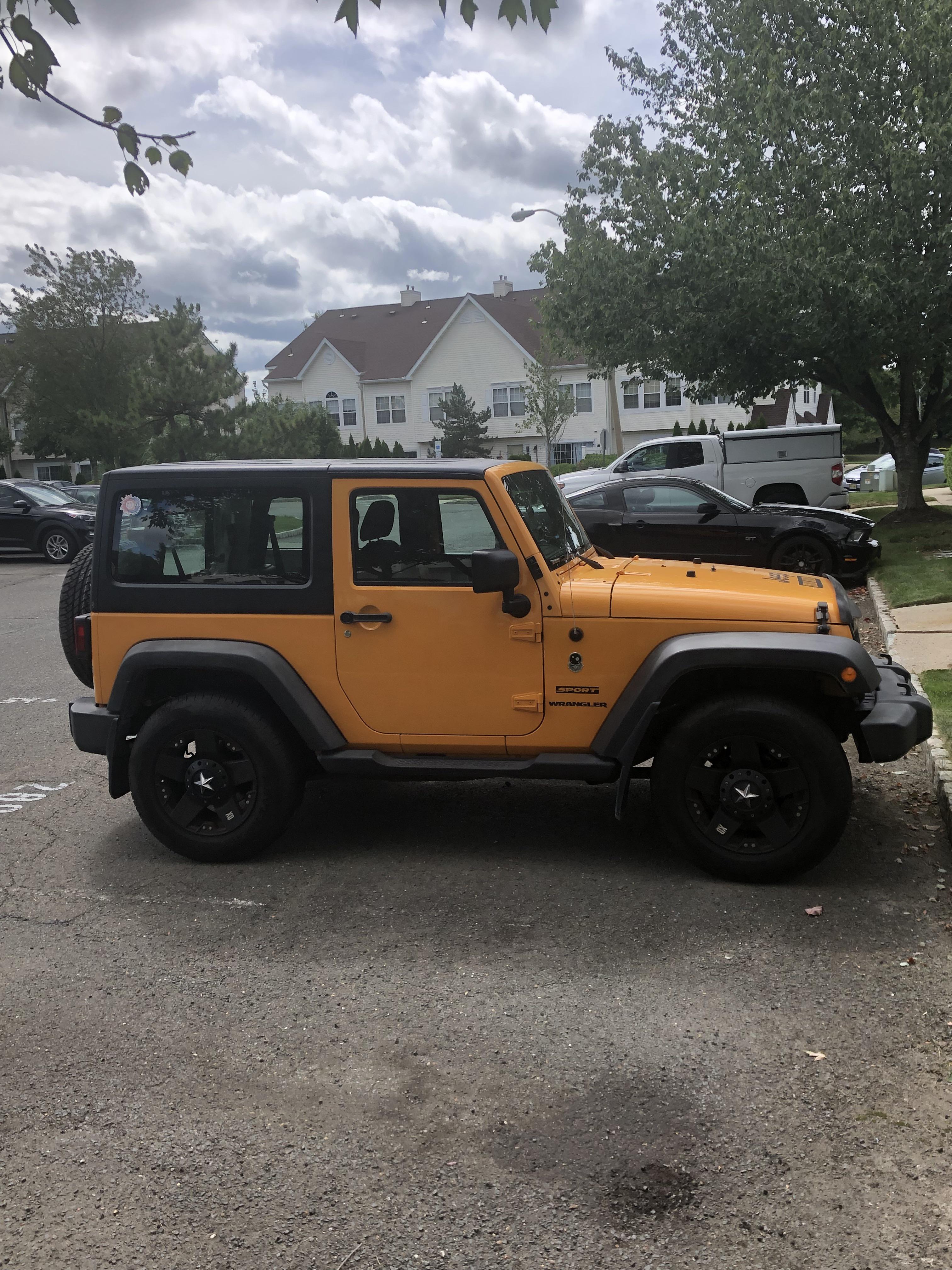
| Jeep Wrangler (2012–2018) | Pentastar 3.6L | High |
| Jeep Cherokee (1997–2001) | 4.0L Inline-Six | Medium |
| Jeep Grand Cherokee (2014–2020) | 3.6L, 5.7L | Medium |
| Jeep Renegade (2015–2020) | 2.4L I4 | Low |
If you own one of the high-risk models, monitor oil levels closely.
When To See A Mechanic
If you add oil often or see blue smoke, don’t wait. Burning oil can destroy the catalytic converter and lead to expensive repairs. A professional can check for internal engine damage and suggest the right fix.
For more details on engine design and oil consumption, visit Wikipedia.
Keeping your Jeep healthy means watching for signs, staying on top of maintenance, and fixing problems early. With care, you can reduce oil burning and avoid costly engine damage.
Frequently Asked Questions
What Causes Blue Smoke From My Jeep’s Exhaust?
Blue smoke means oil is burning in the engine. It often comes from worn piston rings or valve seals letting oil into the combustion chamber.
Can Oil Burning Damage My Jeep’s Engine?
Yes. Burning oil can clog the catalytic converter, foul spark plugs, and lower engine performance. It may also cause engine failure if not fixed.
How Often Should I Check My Jeep’s Oil Level?
Check your oil every 500 miles if you suspect burning. For normal use, checking every 1,000 miles is enough.
Is It Safe To Keep Driving A Jeep That Burns Oil?
It’s safe for short trips, but continued driving can damage the engine. Add oil as needed and get repairs soon.
Will Changing Oil Brands Help Reduce Oil Burning?
Sometimes. Using high-quality synthetic oil can help, but it won’t fix worn engine parts. Always use oil recommended in your Jeep’s manual.