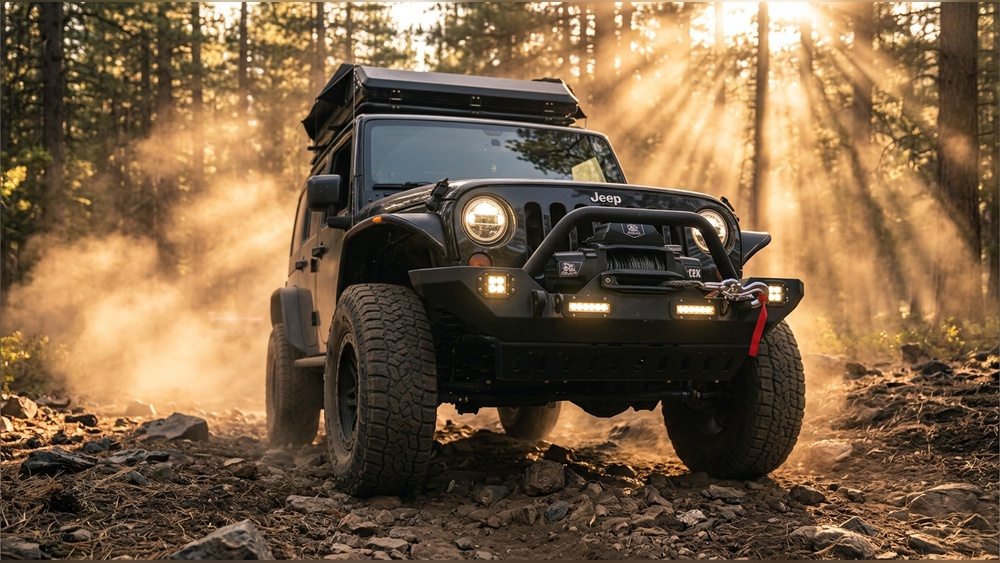
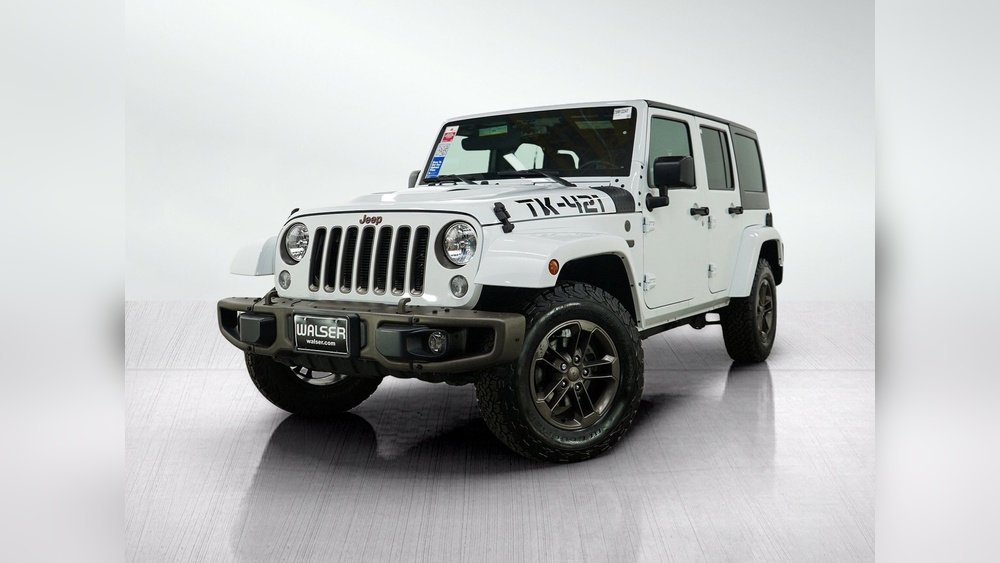
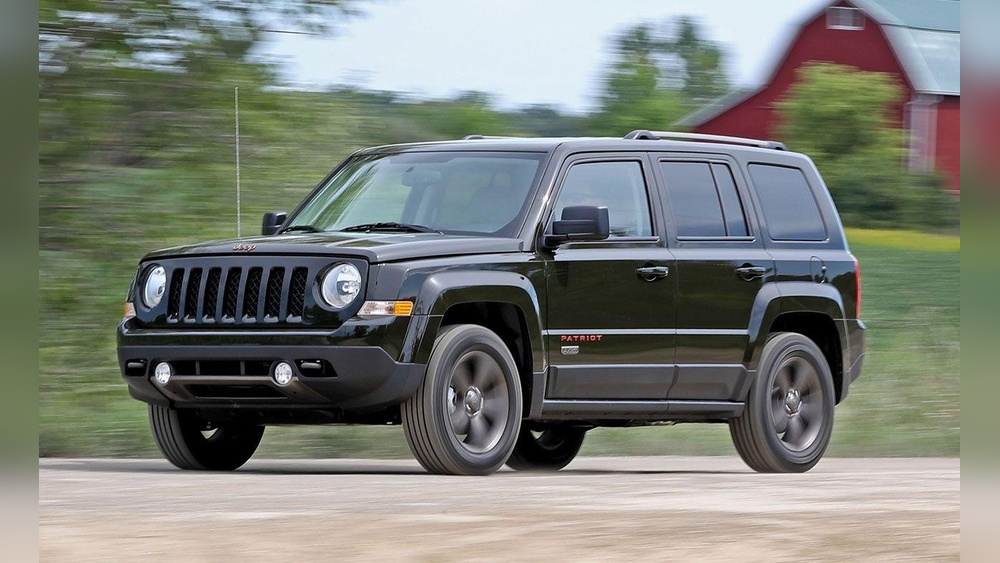
Are Jeep Trailhawks Good?
If you want a vehicle that can handle rough roads and city streets, the Jeep Trailhawk might catch your eye. Trailhawk models are made for adventure, offering upgrades that regular Jeeps don’t have. But are they actually good? Let’s look at their features, performance, and real-world value to help you decide.
What Makes Jeep Trailhawk Special
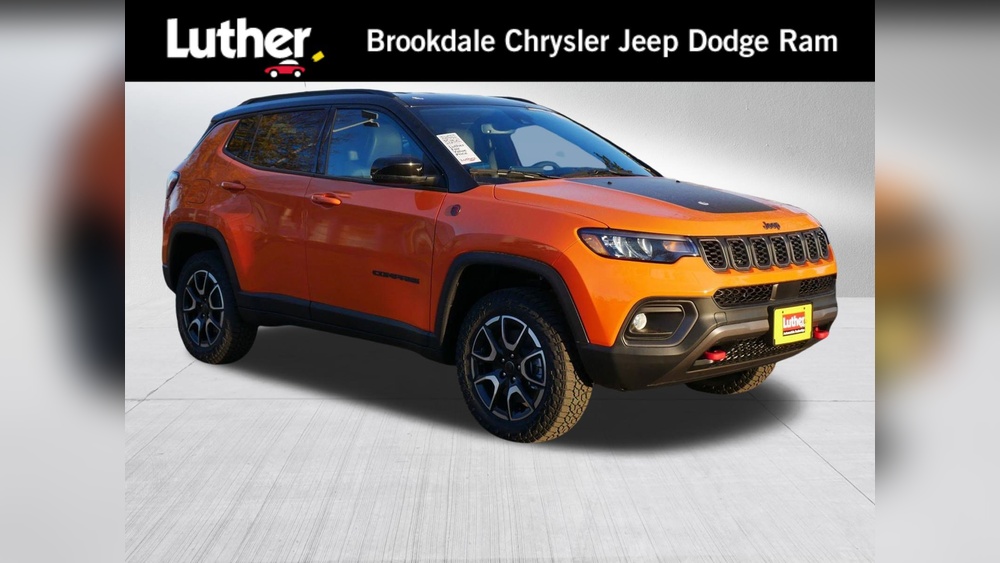
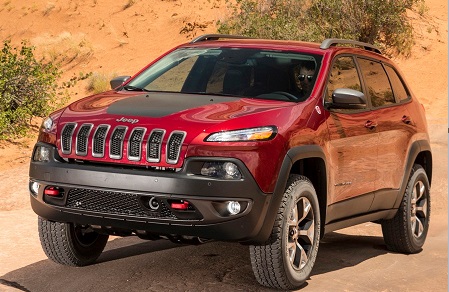
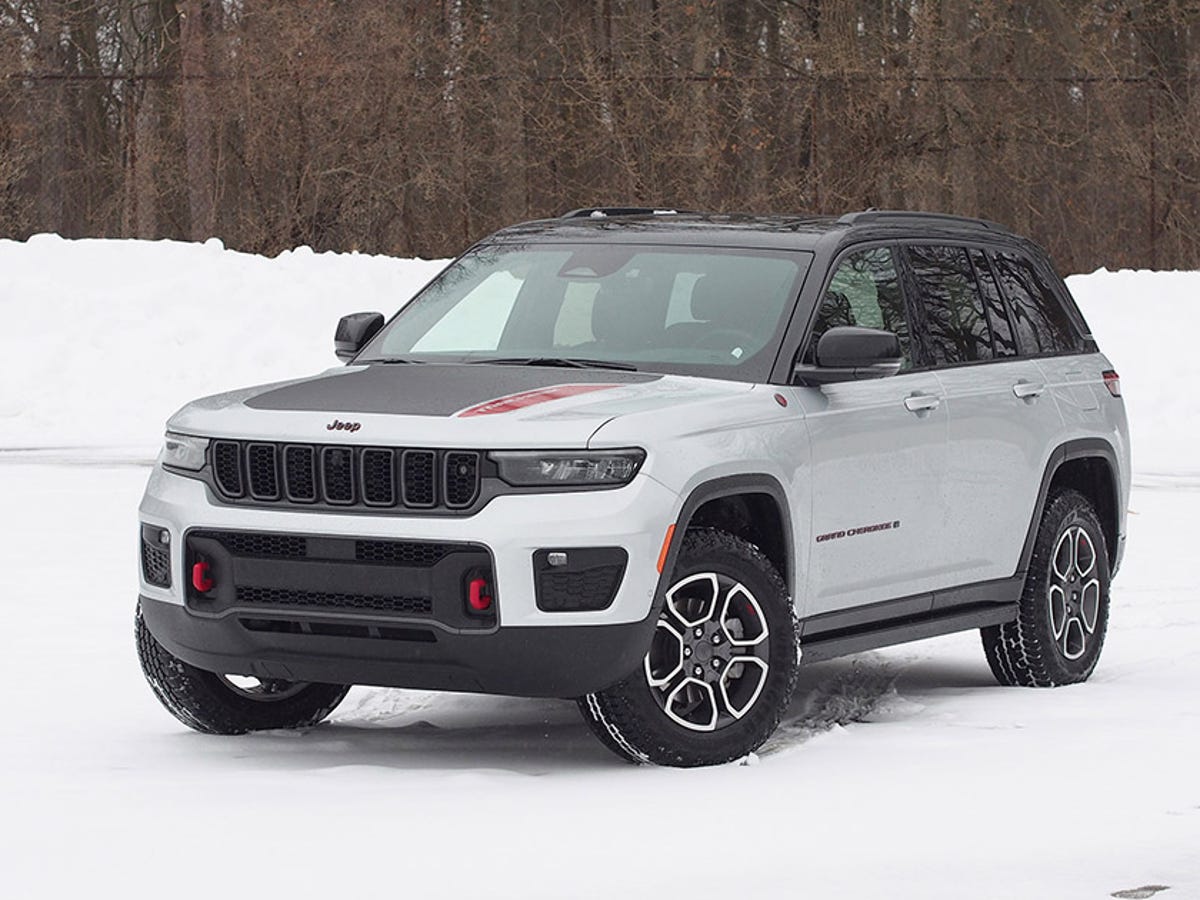
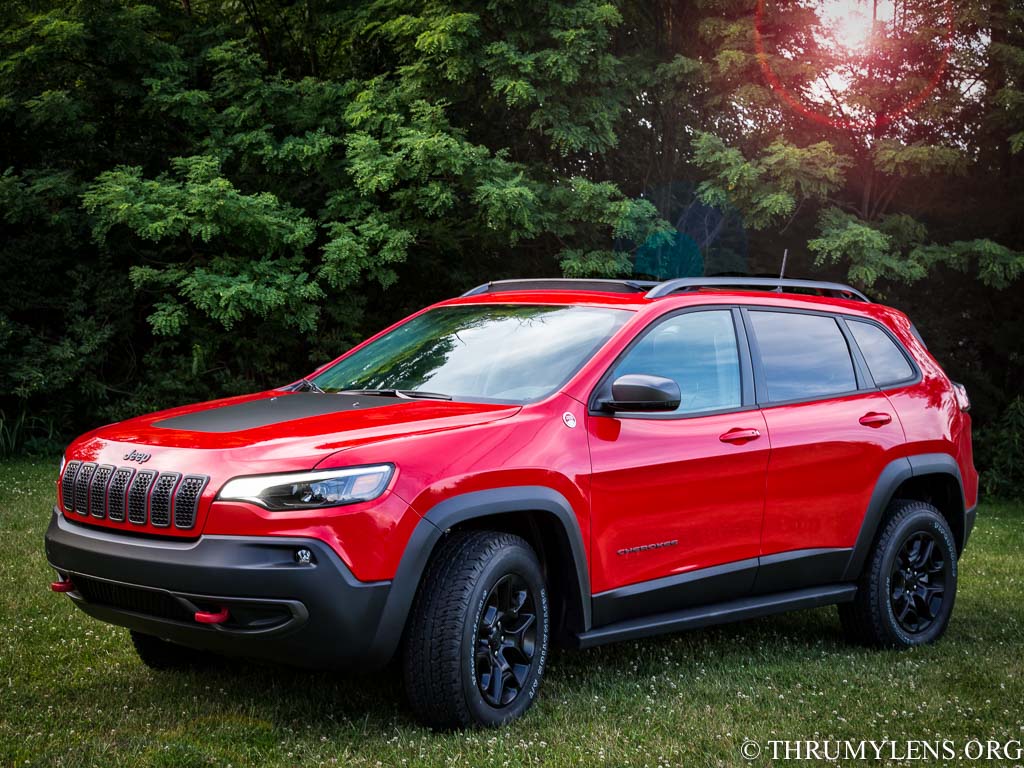
The Trailhawk badge is not just for looks. It means the Jeep has extra features for off-road driving. These include skid plates to protect the underside, tow hooks, stronger suspension, and special tires. Trailhawks also have the Jeep Active Drive system, which helps with traction on mud, sand, or snow.
Trailhawk models are available in several Jeep lines, including the Grand Cherokee, Cherokee, Compass, and Renegade. Each offers similar upgrades, but the size and engine options vary.
Trailhawk Vs. Standard Jeep
Trailhawk models cost more than base Jeeps, but you get more. Here’s a comparison:
| Feature | Trailhawk | Standard Jeep |
|---|---|---|
| Skid Plates | Yes | No |
| All-Terrain Tires | Yes | No |
| Tow Hooks | Yes | No |
| Advanced 4×4 | Yes | Optional |
| Price (2024) | $33,000+ | $28,000+ |
Performance: On-road And Off-road
Trailhawks are made for tough terrain. They use Jeep’s 4×4 systems like Active Drive Lock and Quadra-Trac II, which give extra grip. Most models have hill descent control and rock mode for better handling on steep or rocky paths.
On pavement, Trailhawks are comfortable but not as smooth as luxury SUVs. The all-terrain tires can be noisy, and the ride is firmer because of the suspension. Still, most drivers find the balance acceptable for daily use.
Real-world Fuel Economy
Trailhawks are not the most fuel-efficient. For example, the Cherokee Trailhawk gets about 20 MPG city and 26 MPG highway. The Grand Cherokee Trailhawk averages 18 MPG city and 23 MPG highway. If you want better mileage, consider the Compass Trailhawk, which gets up to 22 MPG city and 30 MPG highway.
Interior And Technology
Jeep Trailhawks come with modern tech. You get Uconnect infotainment, Apple CarPlay, Android Auto, and optional navigation. Seats are usually leather or high-quality fabric, and heated seats are common.
For space, Trailhawks are practical. The Grand Cherokee Trailhawk has 36 cubic feet of cargo space behind the seats. Renegade Trailhawk, the smallest, has 18.5 cubic feet. Here’s a quick comparison:
| Model | Cargo Space (cu ft) | Seats |
|---|---|---|
| Grand Cherokee Trailhawk | 36 | 5 |
| Cherokee Trailhawk | 25.8 | 5 |
| Compass Trailhawk | 27.2 | 5 |
| Renegade Trailhawk | 18.5 | 5 |
Reliability And Ownership Costs
Jeep’s reliability ratings are mixed. Some Trailhawk owners report excellent performance for years, while others face issues like electrical glitches or transmission problems. According to Consumer Reports, Jeeps usually score average or slightly below average for reliability.
Maintenance costs are moderate. Expect to pay about $600–$700 per year for regular service. Repairs can be more expensive than for Japanese brands, especially if you use the vehicle off-road. Insurance is also higher, since Trailhawks are considered adventure vehicles.
Who Should Buy A Jeep Trailhawk?
Trailhawks are best for people who:
- Love off-roading or outdoor adventures.
- Need a vehicle for bad weather (snow, mud, rain).
- Want both city comfort and rugged ability.
- Don’t mind paying more for extra features.
If you only drive on highways and city streets, a standard Jeep or another SUV might suit you better. Trailhawk features are overkill for simple urban driving.
Many buyers overlook these points:
- Resale value: Trailhawk models hold value better than regular Jeeps, especially if you keep them in good shape.
- Tire replacement cost: All-terrain tires are pricier and wear faster than standard tires.
- Weight matters: Trailhawks are heavier because of extra parts. This affects fuel economy and speed.
Comparing Trailhawk To Other Off-road Suvs
Trailhawks compete with vehicles like the Toyota 4Runner, Ford Bronco, and Subaru Outback Wilderness. Here’s a quick comparison:
| Model | Starting Price | Off-Road Features | Fuel Economy (Combined) |
|---|---|---|---|
| Jeep Grand Cherokee Trailhawk | $56,000 | 4×4, skid plates, air suspension | 20 MPG |
| Toyota 4Runner TRD Pro | $54,000 | 4×4, crawl control, locking diff | 17 MPG |
| Ford Bronco Badlands | $51,000 | 4×4, disconnecting sway bar | 18 MPG |
| Subaru Outback Wilderness | $39,000 | AWD, X-Mode, raised suspension | 23 MPG |
Trailhawks offer a strong mix of features and comfort, but you’ll pay more for premium models. Subaru Outback Wilderness is cheaper and gets better gas mileage, but isn’t as rugged.
Final Thoughts
Jeep Trailhawks are excellent for drivers who want real off-road ability and adventure-ready features. They cost more than standard Jeeps, but the upgrades make a big difference in tough conditions. If you value both comfort and capability, the Trailhawk is a smart choice.
However, Trailhawks aren’t perfect for everyone. They use more gas, cost more to maintain, and can be noisy on regular roads. Think about your needs carefully before buying. For more details on specs and owner reviews, check the official Jeep website.
Frequently Asked Questions
What Is A Jeep Trailhawk?
A Jeep Trailhawk is a trim level with extra off-road features like skid plates, tow hooks, and advanced 4×4 systems. It’s available in several Jeep models.
Are Trailhawks Reliable?
Trailhawks are average for reliability. Some owners have minor issues, but most find them dependable for regular and off-road use.
Is Trailhawk Worth The Extra Money?
If you need off-road ability or live in areas with tough weather, Trailhawk is worth the price. For simple city driving, standard models are better value.
How Much Does It Cost To Maintain A Trailhawk?
Expect to spend $600–$700 per year for regular maintenance. Tire replacements and repairs can cost more than standard SUVs.
Can I Drive A Trailhawk On City Streets?
Yes, Trailhawks handle city streets well. But the ride is firmer, and tires are noisier compared to regular SUVs.