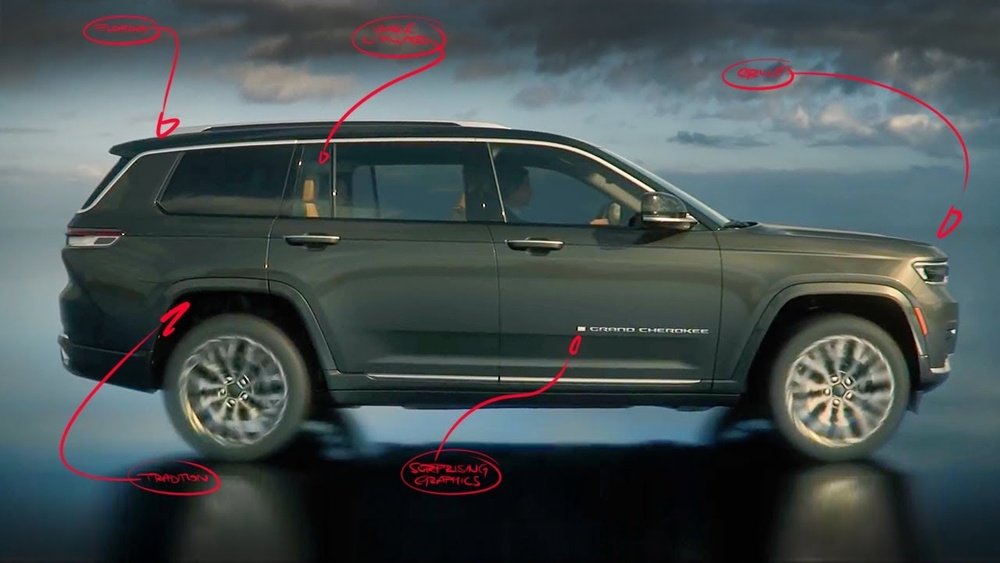
The Jeep Wrangler and Toyota 4Runner are two iconic SUVs that often appear in adventure stories and off-road dreams. Many buyers compare them when searching for a reliable, rugged vehicle that can handle dirt, rocks, and city roads. But choosing between the Jeep Wrangler and 4Runner is not simple. Both offer strong reputations, unique features, and loyal followings. This guide breaks down their differences so you can make a confident decision.
Design And Build
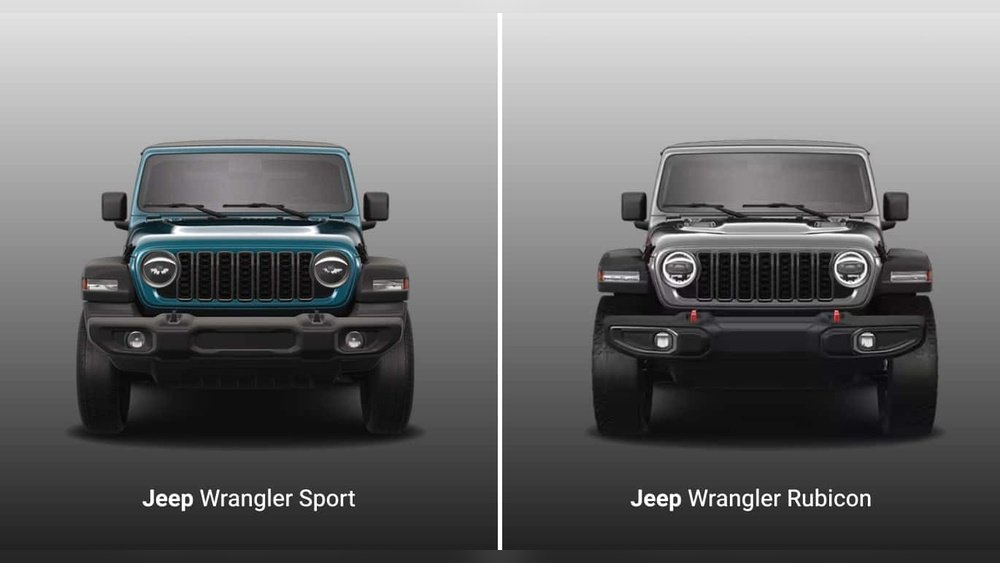
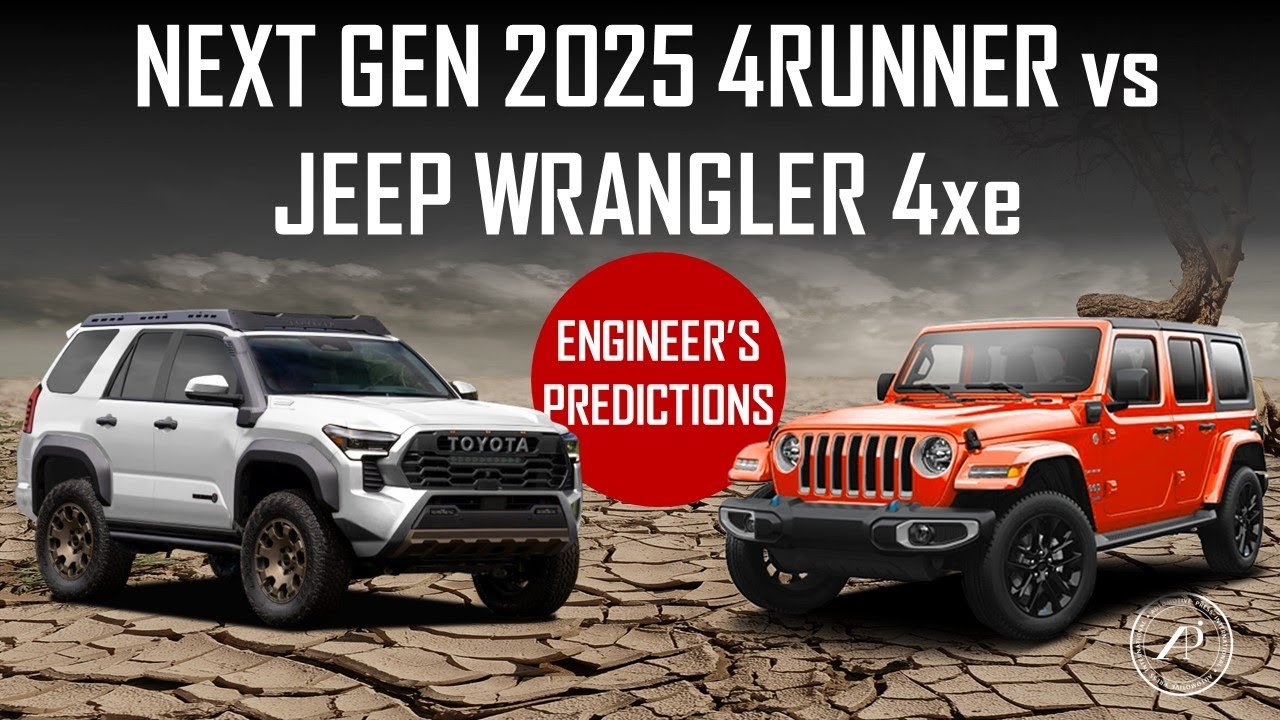
The Wrangler and 4Runner have different styles. The Wrangler is famous for its boxy shape and removable roof. It looks ready for the wild, with a history linked to military vehicles. The 4Runner has a more traditional SUV look, with a strong body and bold grille.
| Feature | Jeep Wrangler | Toyota 4Runner |
|---|---|---|
| Body Type | Two-door & four-door | Four-door only |
| Roof Options | Removable hard/soft tops | Fixed roof |
| Ground Clearance | 10.8 in (Rubicon) | 9.6 in (TRD Pro) |
| Weight | ~4,000 lbs | ~4,400 lbs |
Wrangler’s lighter weight improves agility, while 4Runner’s size gives it more space for passengers and gear.
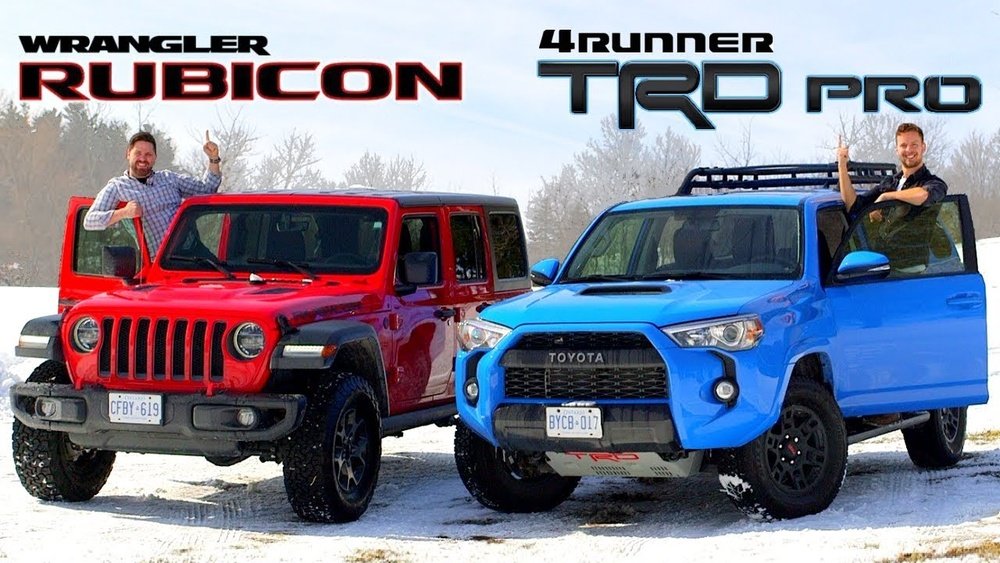
Performance And Off-road Capability
Both SUVs are designed for adventure, but their strengths are not identical. The Wrangler is legendary for off-road use. It comes with solid axles, locking differentials, and short wheelbase options. The 4Runner is also built tough, with a body-on-frame design, but it leans toward comfort and reliability.
| Specification | Jeep Wrangler | Toyota 4Runner |
|---|---|---|
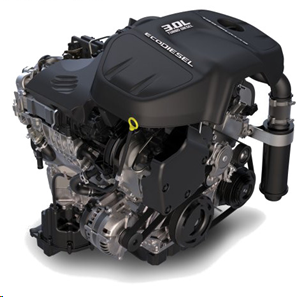
| Engine | 2.0L turbo, 3.6L V6, 4xe hybrid | 4.0L V6 |
| Horsepower | Up to 375 (hybrid) | 270 |
| 4WD System | True 4×4, low range | Part-time/full-time 4WD |
| Towing Capacity | Up to 3,500 lbs | Up to 5,000 lbs |
One insight many beginners miss: while the Wrangler’s Rubicon model is best for extreme trails, even basic models can handle rough terrain. The 4Runner’s TRD Pro trim is its off-road champion. However, all 4Runners have sturdy suspension and can handle most trails.
Interior Comfort And Features
The Wrangler’s interior is practical. Materials are easy to clean, and the layout is simple. Some trims add luxury, but the focus is still on function. The 4Runner offers more comfort, with soft seats, larger cargo space, and extra tech.
- Wrangler cargo space: 31.7 cu ft (four-door)
- 4Runner cargo space: 47.2 cu ft
Families often prefer the 4Runner for daily use and road trips. Its infotainment system, climate control, and ride quality are smoother. The Wrangler sacrifices some comfort for adventure features, like drain plugs for washing out mud and removable doors.
Reliability And Maintenance
Toyota is famous for reliability. The 4Runner can last over 250,000 miles with regular care. The Wrangler has improved, but some models still need more repairs, especially after heavy off-road use.
| Factor | Jeep Wrangler | Toyota 4Runner |
|---|---|---|
| Average Reliability Score | 3/5 (Consumer Reports) | 4.5/5 |
| Annual Repair Cost | $694 | $514 |
| Longevity | 200,000+ miles | 250,000+ miles |
One overlooked detail: Wrangler parts are easy to find and cheap to replace. Many owners fix their own vehicles, saving money. But frequent repairs can be needed after hard off-road trips.
Price And Value
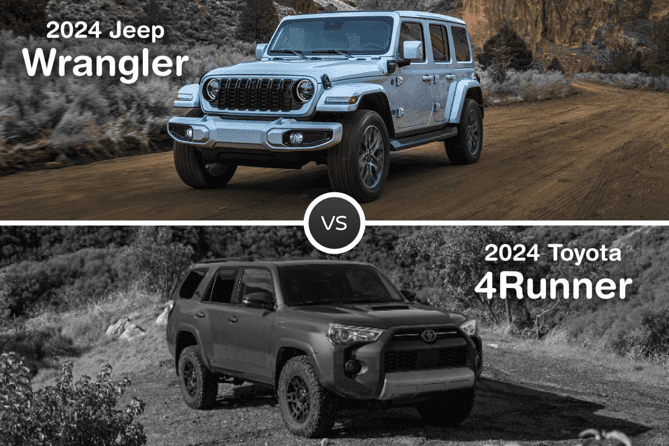
The Wrangler’s base price is lower, but options and upgrades quickly add cost. The 4Runner starts higher but keeps its value better over time. Both are expensive compared to small SUVs, but their resale value is strong.
- Wrangler starting price: $32,000 (two-door)
- 4Runner starting price: $40,000
Insurance and taxes can be higher for the Wrangler, especially for younger drivers. If you plan to sell after a few years, the 4Runner’s resale value is often more stable.
Practical Tips For Choosing
If your main goal is off-road adventure, the Wrangler is hard to beat. It offers more customization, with many aftermarket parts. But for a mix of city driving, family trips, and weekend trails, the 4Runner is easier to live with.
Common mistakes:
- Choosing a Wrangler for family use without testing the ride quality first.
- Buying a 4Runner for extreme off-road use without upgrading tires and skid plates.
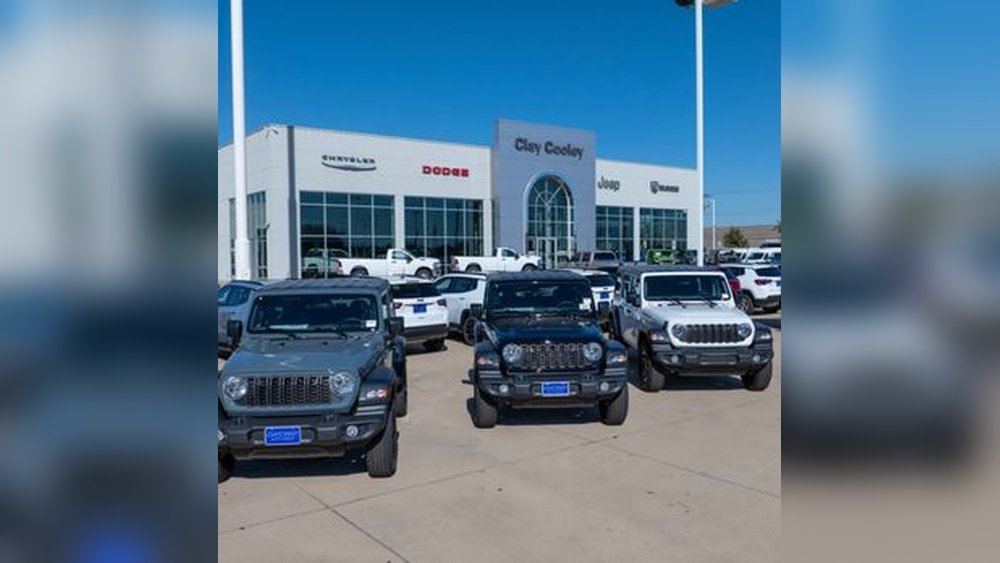
Before you decide, test both vehicles on real roads and trails. Compare visibility, comfort, and handling. Also, check local dealers for service costs and warranty options.
If you want more details about the history and engineering of these models, visit the official Toyota 4Runner Wikipedia page.

Frequently Asked Questions
Is The Jeep Wrangler Better For Off-roading Than The 4runner?
Yes, the Jeep Wrangler is usually more capable on tough trails. Its solid axles and locking differentials give it an edge. The 4Runner can also perform well, especially in TRD trims, but the Wrangler is built for extreme terrain.
Which Suv Is More Comfortable For Daily Driving?
The Toyota 4Runner is more comfortable for daily use. It has smoother suspension, more cargo space, and quieter ride. The Wrangler is noisier and feels rougher, especially with off-road tires.
How Do The Resale Values Compare?
Both vehicles hold value well, but the 4Runner often has a higher resale price after several years. Toyota’s reputation for reliability makes it a favorite among used car buyers.
Are Maintenance Costs Higher For The Wrangler?
Generally, yes. The Wrangler needs more repairs after heavy off-road use. Parts are affordable, but labor and frequent fixes can add up. The 4Runner’s yearly maintenance is lower and easier to manage.
Can You Tow More With The 4runner?
Yes, the 4Runner can tow up to 5,000 lbs, while the Wrangler maxes out at 3,500 lbs. If you plan to pull trailers or boats, the 4Runner offers more capability.
Choosing between the Jeep Wrangler and Toyota 4Runner depends on your needs. Both are strong vehicles with loyal fans. If you want the best off-road experience and customization, pick the Wrangler. If you need daily comfort and reliability, the 4Runner is a smart choice.
Test both, compare your priorities, and you’ll find the right fit for your next adventure.