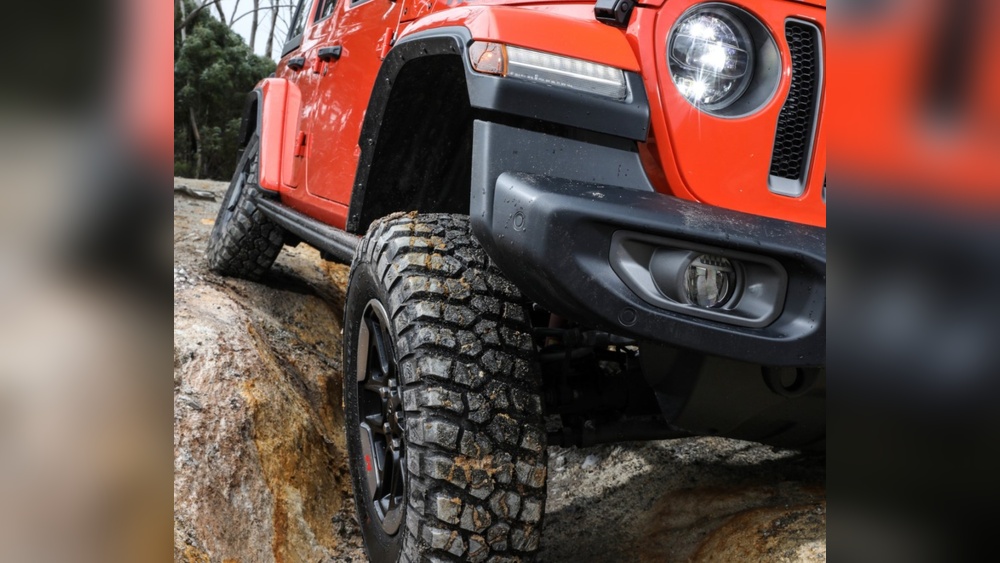
Lifting a Jeep is a dream for many off-road fans. The idea of bigger tires, higher clearance, and a more aggressive look can be exciting.
But how difficult is it to lift a Jeep in real life? The answer depends on your goals, budget, skills, and the type of Jeep you own.
Let’s break down what it really takes, what challenges you might face, and how to make the process smoother.
What Does “lifting A Jeep” Mean?
When people talk about lifting a Jeep, they usually mean raising the suspension or body to fit larger tires and gain more ground clearance. There are two main types:
- Suspension lifts: Replace or upgrade parts like springs and shocks.
- Body lifts: Add spacers between the frame and body.
Both have pros and cons, and the difficulty level changes depending on which one you choose.
How Hard Is It To Lift A Jeep? Key Factors
Several things affect how hard it is to lift a Jeep. Here are the most important:
1. Type Of Lift Kit
Some kits are simple, others are complex. A basic 2-inch spacer lift might take a few hours with simple tools. But a 4-inch suspension lift with new control arms, shocks, and driveshafts can take a whole weekend—or longer.
2. Your Mechanical Skills
If you’re comfortable with tools and have worked on cars before, you might find a small lift easy. But if you’ve never done more than change oil, even a body lift could be a challenge.
3. Tools And Workspace
You’ll need:
- Jack and jack stands (or a lift)
- Wrenches and sockets
- Torque wrench
- Spring compressors (for some lifts)
A proper workspace makes things much easier. Working on the ground with limited tools adds difficulty.
4. Model And Year Of Jeep
Older Jeeps like the TJ and YJ are usually simpler to lift. Newer models like the JL Wrangler or Gladiator may have more electronics or tight spaces, making the job harder.
5. Amount Of Lift
A small lift (1–2 inches) is much easier than a big lift (3–6 inches). Bigger lifts often need more parts, like:
- Extended brake lines
- New driveshafts
- Longer shocks
- Drop pitman arms
These extra steps add time and complexity.
Comparing Lift Kit Difficulty
Here’s how different types of kits compare in terms of installation time and skill level:
| Lift Type | Average Install Time | Skill Level Needed |
|---|---|---|
| 1-2″ Spacer Lift | 3–5 hours | Beginner/Intermediate |
| 2-3.5″ Suspension Lift | 6–10 hours | Intermediate |
| 4″+ Long Arm Lift | 12–20+ hours | Advanced/Professional |
As you can see, bigger lifts are not just more work they require more skill and attention to detail.
Step-by-step: What’s Involved In Lifting A Jeep?
Here’s a basic outline for a typical suspension lift:
- Preparation: Gather all parts and tools. Read instructions fully.
- Raise the Jeep: Use jack stands for safety.
- Remove wheels: Gives access to suspension parts.
- Detach old suspension: Remove shocks, springs, and related parts.
- Install new parts: Put in new springs, shocks, control arms, etc.
- Reinstall wheels: Tighten to the correct torque.
- Lower the Jeep: Remove jack stands.
- Check everything: Look for loose bolts, leaks, or issues.
- Get an alignment: Very important after any lift.
Each step might take longer if bolts are rusty, instructions are unclear, or parts don’t fit perfectly.
Common Challenges And Mistakes
Many people underestimate the work involved. Here are some issues that often come up:
- Rusty bolts: Can double the time needed.
- Missing or wrong parts: Always check your kit before starting.
- No alignment: Skipping this can cause tire wear and steering problems.
- Not checking torque: Loose bolts are dangerous.
- Forgetting brake lines: Stretching them can cause failure.
One non-obvious tip: Always test drive slowly after the lift to listen for strange noises.
Cost: Diy Vs Professional Installation
Lifting a Jeep isn’t just about time and tools—it’s also about cost. Here’s a rough price comparison:
| Lift Kit Type | DIY Cost (Parts Only) | Professional Install Cost |
|---|---|---|
| 1-2″ Spacer Lift | $200–$400 | $500–$900 |
| 2-3.5″ Suspension Lift | $500–$1,200 | $1,200–$2,000 |
| 4″+ Premium Lift | $1,500–$3,000+ | $2,500–$6,000+ |
Choosing a shop may be wise if you lack tools, time, or confidence. But be sure to pick a shop with good reviews and experience with Jeeps.
Is It Worth Lifting Your Jeep?
Lifting a Jeep has big benefits:
- Better ground clearance
- More room for bigger tires
- Improved off-road capability
- Aggressive look
But there are downsides:
- Rougher ride
- Higher center of gravity (more risk of rollovers)
- Extra wear on parts
- Possible warranty issues
Before lifting, think about how you use your Jeep. If you mostly drive on pavement, a big lift may not be practical.
Two Insights Most Beginners Miss
- Factory geometry matters: Lifting changes how your Jeep handles. Steering and suspension angles can shift, causing problems if not corrected.
- Legal limits: Some states have laws on bumper or headlight height. Always check local rules before starting.
Frequently Asked Questions
What Is The Best Size Lift For A Daily Driver?
For most people, a 2-inch lift is ideal. It allows bigger tires and better clearance without hurting ride comfort or handling too much.
Do I Need To Change Other Parts When Lifting My Jeep?
Often, yes. You may need longer brake lines, new driveshafts, or steering upgrades, especially with lifts over 2.5 inches.
Will Lifting My Jeep Affect Fuel Economy?
Yes, especially with bigger tires. A lift can reduce MPG by 1–4 miles per gallon. The effect is stronger if you add weight or drive at high speeds.
Can I Install A Lift Kit Myself?
You can, if you have the tools and some experience. Beginners should stick to small lifts or ask for help from someone with experience. For big lifts, professional help is recommended.
Where Can I Find Good Lift Kits For Jeeps?
You can find quality kits at off-road shops and large online retailers. Always read reviews and check forums for real user feedback. For more technical info, see Wikipedia’s guide to suspension lifts.
Lifting your Jeep can be a rewarding project, but it’s not as easy as it looks in videos. Take your time, plan well, and enjoy the process your Jeep will thank you on your next adventure.