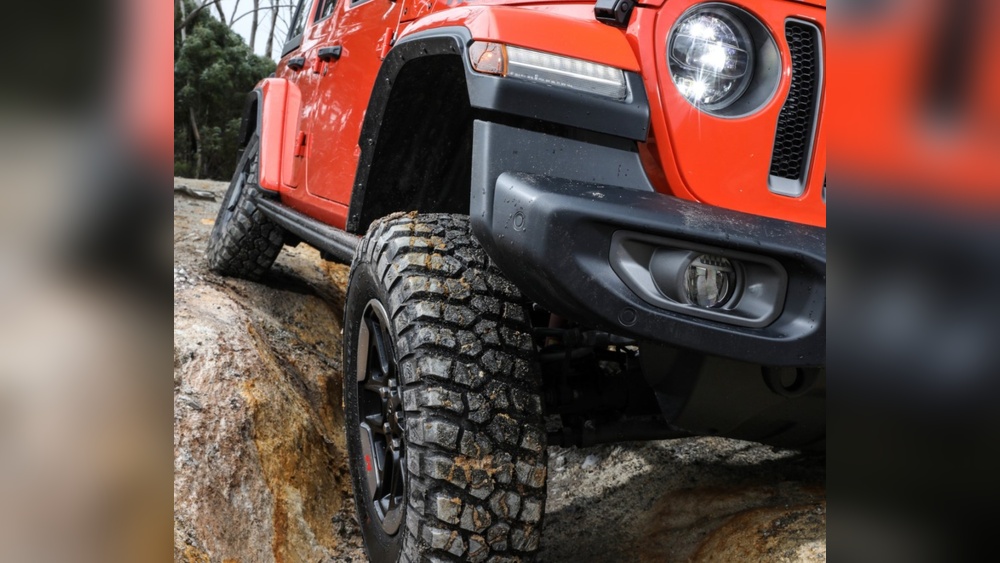
Driving a Jeep is more than just moving from one place to another. It’s about adventure, freedom, and tackling tough roads. One term you often hear with Jeeps is 4X4. For many people, it sounds cool but can be confusing. What does 4X4 mean on a Jeep? How does it work, and why is it important? Let’s break down this term and see what it really offers.
What Does 4×4 Mean?
The term 4X4 stands for “four by four.” It means that a vehicle has four wheels, and all four wheels can receive power from the engine. In a normal car, usually only two wheels get power. With a 4X4 Jeep, you can send power to all four wheels at the same time. This helps the Jeep drive better on rough roads, snow, mud, or sand.
The Four Key Elements Of 4×4 In A Jeep
To truly understand 4X4, you need to know its four main parts. Each plays a special role in helping your Jeep handle tough terrain.
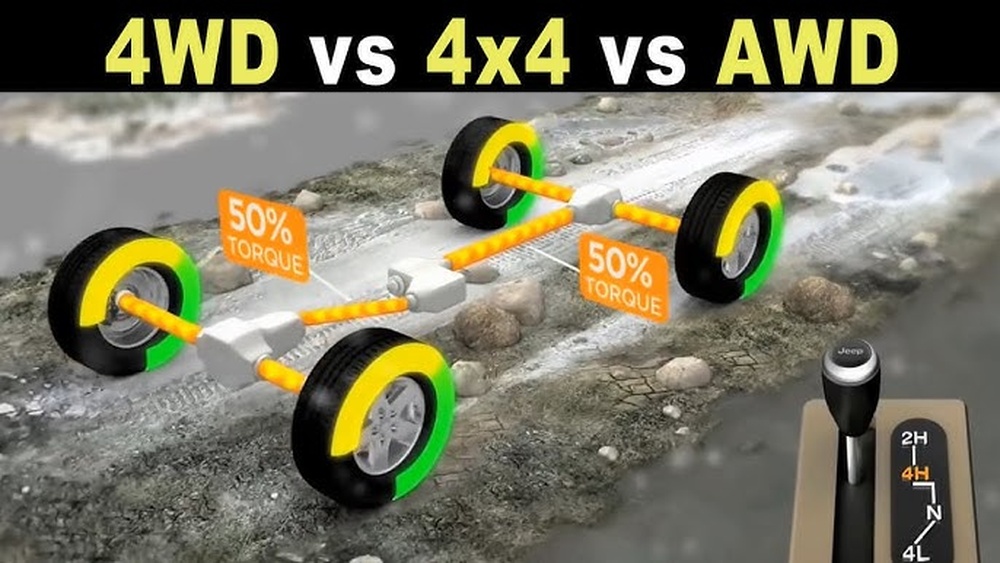
1. Transfer Case
The transfer case is a big part of the 4X4 system. It sits between the transmission and the axles. Its job is to split power from the engine and send it to both the front and rear wheels.
- It lets you switch between 2WD (only rear wheels get power) and 4WD (all wheels get power).
- In most Jeeps, you can use a lever or button to engage 4X4 mode.
- Some transfer cases also offer low-range gears for extra strength in tough situations.
Without the transfer case, your Jeep wouldn’t be able to send power to all four wheels. It’s what makes 4X4 possible.
2. Axles
Axles connect the wheels to the vehicle and carry power to them. In a 4X4 Jeep, you have both a front axle and a rear axle.
- The front axle gets power when you switch to 4X4 mode.
- The rear axle always gets power, even in 2WD.
Strong axles are important for off-roading. If they break, you can’t move. Jeeps often have solid axles, which are tougher than the ones in most cars.
3. Differentials
The differential is a device inside each axle. It lets wheels turn at different speeds. This is useful when turning, because the outside wheel travels further than the inside wheel.
- In a 4X4 Jeep, there is usually a front differential and a rear differential.
- Some Jeeps have a locking differential. This forces both wheels to turn at the same speed, which helps when you’re stuck.
Differentials make sure your Jeep can handle turns smoothly while still getting power to all wheels.
4. Driveshafts
Driveshafts are long rods that deliver power from the transfer case to the axles.
- You have a front driveshaft (for the front axle) and a rear driveshaft (for the rear axle).
- They must be strong to handle rough roads and extra power.
If a driveshaft breaks, your Jeep can lose power to one or both axles. That’s why Jeep driveshafts are built to be tough.
4×4 Modes In Jeep Vehicles
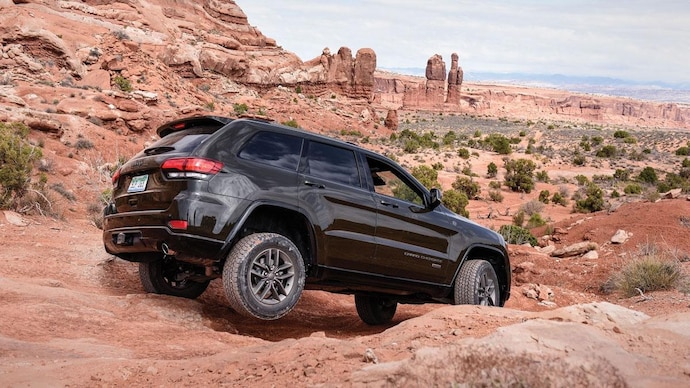
Jeep offers different 4X4 modes. Let’s compare them:
| Mode | When to Use | Main Feature |
|---|---|---|
| 2WD | Normal roads | Power to rear wheels |
| 4WD High | Snow, light off-road | All wheels powered, normal speed |
| 4WD Low | Deep mud, rocks | All wheels powered, low speed, more force |
Knowing which mode to use is key to safe and fun driving. For example, you shouldn’t use 4WD Low on dry pavement. It’s made for slow, tough driving.
Why 4×4 Matters For Jeep Owners
Many people buy Jeeps for their off-road ability. With 4X4, you can:
- Drive on rocky trails
- Cross streams or mud
- Travel in snow or sand
Jeep’s 4X4 system makes it one of the best vehicles for adventure. According to Jeep, over 85% of Jeep Wrangler owners use their vehicles off-road at least once a year. This shows how important 4X4 is for Jeep fans.
Common Misconceptions About 4×4
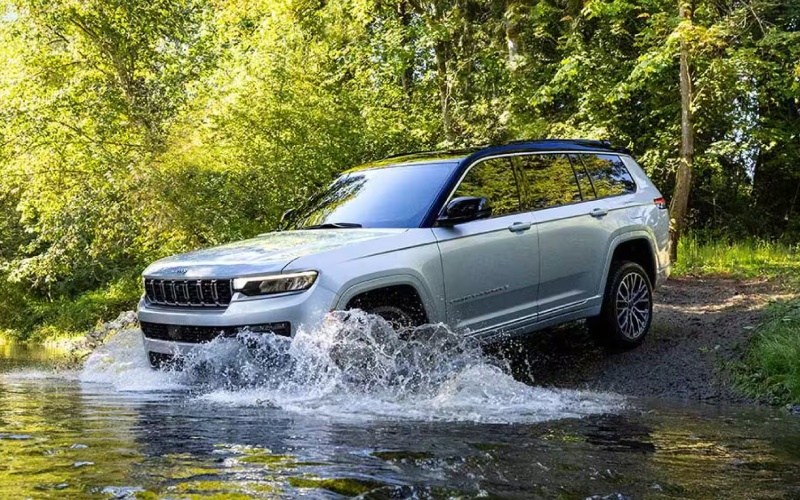
Some drivers think 4X4 means you’ll never get stuck. That’s not true.
You still need good tires, skill, and sometimes luck. Another myth is that 4X4 should be used all the time.
In fact, using it on dry roads can damage parts and waste fuel.
Comparing 4×4 Jeeps To Other Vehicles
Let’s see how a 4X4 Jeep compares to standard cars and SUVs:
| Vehicle Type | Drivetrain | Off-Road Ability | Fuel Efficiency |
|---|---|---|---|
| Jeep 4X4 | 4WD | Excellent | Lower |
| Standard Car | 2WD | Poor | Higher |
| SUV (AWD) | All-Wheel Drive | Good | Moderate |
Jeep’s 4X4 system is designed for real off-roading, not just handling bad weather.
Practical Tips For Using 4×4 On A Jeep
- Engage 4X4 only when needed. Use it for slippery or rough surfaces.
- Switch to 4WD Low for tough situations. Only use this at slow speeds.
- Check your tires and brakes often. 4X4 can’t help if your tires are worn.
- Practice off-road driving. Learn how your Jeep reacts in different modes.
A common mistake is forgetting to shift back to 2WD after leaving tough terrain. This can wear out parts faster.
Real-world Example
Imagine you’re driving your Jeep in deep snow. With 2WD, the wheels spin and you might get stuck. Switch to 4X4, and all wheels get power. You move forward easily. This is why 4X4 Jeeps are popular in places with harsh winters.
Frequently Asked Questions
What Is The Difference Between 4×4 And Awd?
4X4 means you can choose when all wheels get power. AWD (all-wheel drive) sends power to all wheels all the time. AWD is good for slippery roads, but 4X4 is better for tough off-road.
Can I Use 4×4 On Dry Pavement?
No. Using 4X4 on dry pavement can damage your Jeep. Only use 4X4 on slippery or rough surfaces.
How Do I Engage 4×4 In My Jeep?
Most Jeeps have a lever or button. Stop the vehicle, then shift to 4WD High or 4WD Low as needed. Always check your owner’s manual for details.
Does 4×4 Affect Fuel Economy?
Yes. Driving in 4X4 mode uses more fuel because more parts are moving. Use 2WD when possible for better fuel efficiency.
Are All Jeeps 4×4?
No. Some Jeep models are 2WD, especially older ones or certain trims. Always check before buying.
With 4X4, your Jeep is ready for adventure. Understanding each part—the transfer case, axles, differentials, and driveshafts—helps you use it wisely. Whether you’re driving on a mountain trail or snowy street, 4X4 gives you confidence and control. For more technical details, see the official Jeep page: Jeep Capabilities.