Jeep owners know the importance of bright headlights—especially for off-road adventures and night driving. Choosing between HID and LED headlights can be confusing. Both technologies offer clear advantages, but their differences matter for safety, comfort, and style. This article breaks down HID vs LED headlights for Jeeps, helping you make a confident choice based on real facts, practical examples, and common mistakes.
What Are Hid And Led Headlights?
HID stands for High-Intensity Discharge. These headlights use a gas-filled bulb and an electrical arc to produce light. The result is a bluish-white beam, brighter than older halogen bulbs.
LED stands for Light Emitting Diode. LEDs use tiny chips to create light. They are smaller, more energy-efficient, and can be shaped to fit almost any headlight design.
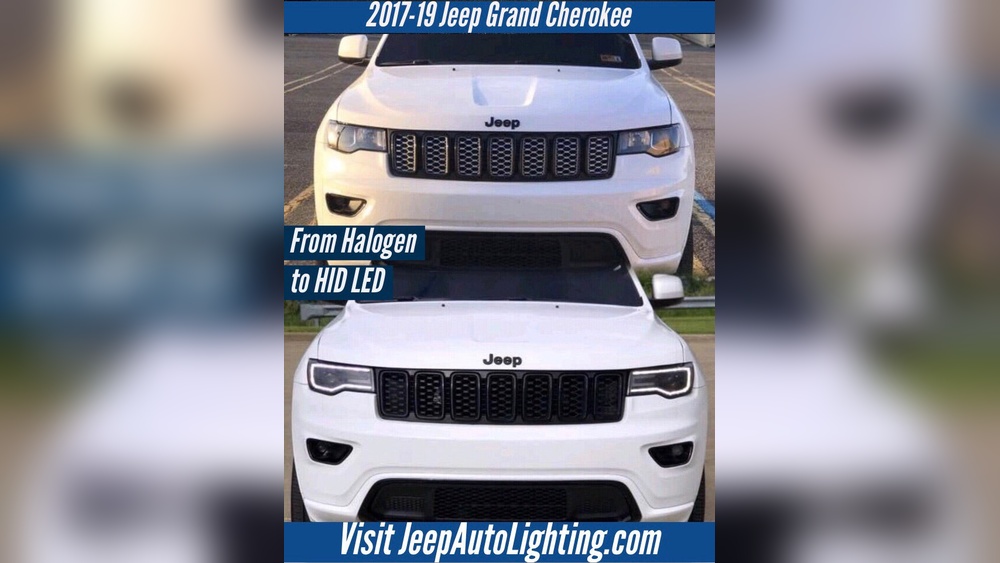
Both types are much brighter than halogen, but their technology and performance are different.
Performance Comparison
Brightness
HID headlights often produce between 3,000–5,000 lumens. This makes them excellent for wide, far-reaching beams. LED headlights usually offer 2,000–4,000 lumens, but they can focus light more precisely.
| Headlight Type | Average Lumens | Beam Quality |
|---|---|---|
| HID | 3,500–5,000 | Wide, strong |
| LED | 2,500–4,000 | Focused, crisp |
Color Temperature
Color temperature affects how headlights look and how your eyes perceive road details.
- HID: 4,000–6,000 Kelvin (often bluish-white)
- LED: 5,000–6,500 Kelvin (pure white to cool blue)
Many Jeep owners prefer LED for its crisp, daylight-like color.
Beam Pattern
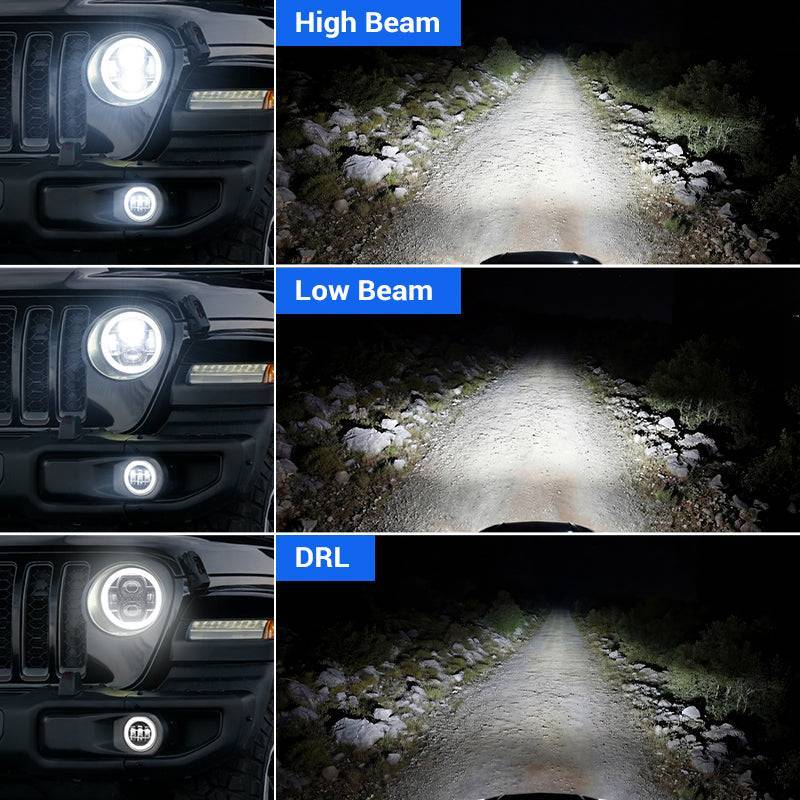
HID bulbs can scatter light if not installed properly, leading to glare for other drivers. LED headlights usually provide a sharper, more controlled beam. This helps reduce glare and improve safety.
Durability And Lifespan
Headlight lifespan is crucial for Jeeps, especially for rugged use.
| Headlight Type | Average Lifespan (hours) | Shock Resistance |
|---|---|---|
| HID | 2,000–3,000 | Moderate |
| LED | 20,000–30,000 | High |
LED headlights last much longer and handle vibration better. This is a big advantage for Jeeps on rough terrain.
Energy Efficiency
Jeeps often run accessories like winches and extra lights. Saving power matters.
- HID: Uses 35–55 watts per bulb
- LED: Uses 15–30 watts per bulb
LED headlights consume less energy, reducing strain on your Jeep’s battery and alternator.
Installation And Compatibility
Most HID kits require a ballast and extra wiring. This can make installation tricky, especially for beginners. LED kits are usually plug-and-play, fitting standard Jeep sockets.
However, some Jeep models may need adapters for LED upgrades. Always check your owner’s manual before buying.
Cost Comparison
HID headlights are cheaper upfront but need more maintenance. LED headlights cost more to buy but save money over time due to longer life and less need for replacements.
| Type | Initial Cost (per pair) | Replacement Frequency |
|---|---|---|
| HID | $60–$180 | Every 2–3 years |
| LED | $120–$300 | Every 10–15 years |
Real-world Examples
Many Jeep owners switch to LED headlights for off-roading. LEDs offer instant on-off, brighter colors, and lower energy use. For example, the Jeep Wrangler community often recommends LED upgrades for night trails.
Some Jeepers prefer HID for city and highway driving, where wide beams help see farther ahead. But, incorrect HID installation can cause problems like flickering or glare.
Common Mistakes To Avoid
- Installing HIDs without proper ballasts or reflectors can cause glare and legal issues.
- Choosing cheap LED kits may result in poor brightness and unreliable performance.
- Not checking compatibility with your Jeep’s electrical system can lead to errors or damage.
- Ignoring local laws—some areas restrict certain headlight colors or brightness levels.
Beginners often miss two key facts:
- LED headlights are less affected by cold weather, while HID bulbs can flicker or dim in low temperatures.
- HIDs take a few seconds to reach full brightness. LEDs are instant, which can be critical for safety.
Which Headlight Is Better For Your Jeep?
The best choice depends on your needs:
- LED headlights are ideal for off-road, frequent night driving, and Jeeps with lots of accessories. Their durability and efficiency make them a top pick.
- HID headlights suit drivers who want maximum brightness and wide beams for highways.
If you want a balance of brightness, reliability, and style, LEDs are worth the investment. For more technical details on headlight technologies, visit this Wikipedia page.
Frequently Asked Questions
Are Led Headlights Legal For Jeeps?
Most LED headlights are legal if they meet DOT standards. Always check local laws, as some states have restrictions on color and brightness.
Do Hid Headlights Cause More Glare?
Improperly installed HID headlights can cause glare for other drivers. Use proper housings and ballasts to avoid this problem.
Can I Install Led Headlights Myself?
Many LED kits are plug-and-play, making DIY installation easy. For older Jeeps, you might need adapters or minor wiring changes.
Which Headlights Last Longer: Hid Or Led?
LED headlights last much longer—up to 10 times more than HID bulbs. This reduces maintenance and replacement costs.
Are Hid Headlights Brighter Than Leds?
HID headlights produce more lumens, but LED headlights often provide a sharper, more usable beam. For most Jeep uses, LEDs offer enough brightness and better control.
Choosing the right headlights for your Jeep isn’t just about brightness it’s about safety, style, and reliability. Understanding the differences between HID and LED headlights helps you make a smart decision.
With the right upgrade, your Jeep will be ready for any adventure, day or night.