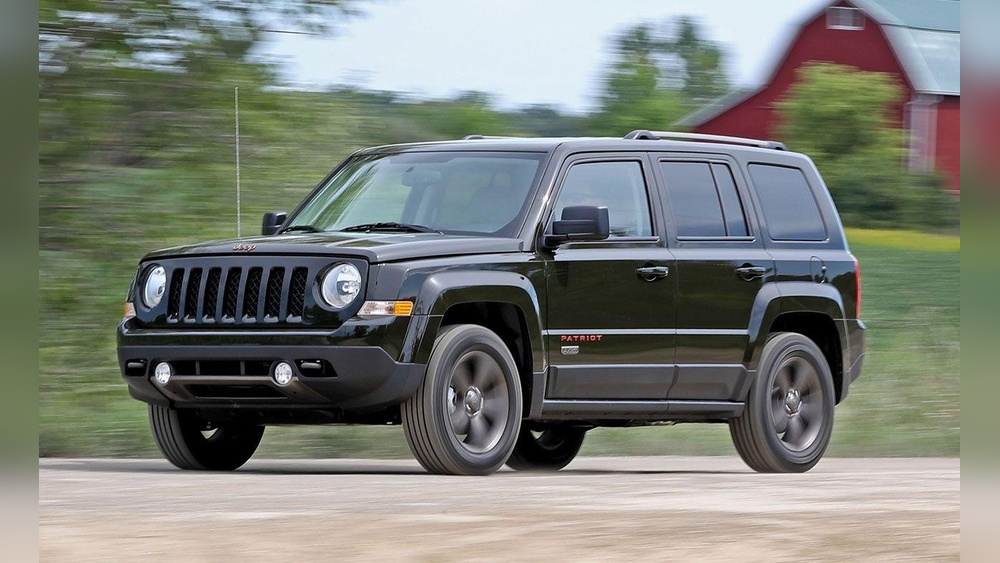
The Jeep 3.6-liter engine, also known as the Pentastar V6, is a popular choice in many Jeep models. Owners often ask about its reliability, long-term maintenance, and if it is a good option compared to other engines. This article gives you a clear look at the Jeep 3.6’s reliability, including the strengths, weaknesses, and what real drivers experience. Whether you’re thinking about buying a Jeep with this engine or want to know how to care for your own, you’ll find practical insights here.
Jeep 3.6: Engine Overview
The 3.6 Pentastar V6 first appeared in 2011. It powers many Jeep models, including the Wrangler, Grand Cherokee, and Gladiator. With about 285 horsepower and 260 lb-ft of torque, it offers a good balance of power and fuel economy for an SUV.
One interesting fact is that the Pentastar family is one of Chrysler’s most widely used engines. By 2020, more than 10 million units were produced. This engine uses modern technologies like variable valve timing and a lightweight aluminum block, which helps with both performance and efficiency.
1. Reliability In The Jeep Wrangler
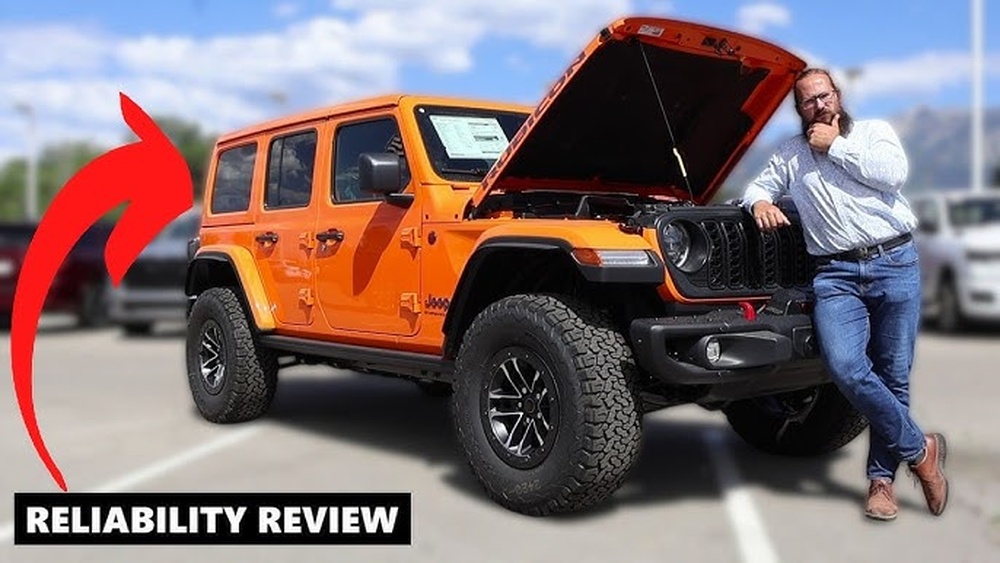
The Jeep Wrangler is one of the most iconic vehicles with the 3.6 engine. Many owners praise the engine for its durability, especially in tough off-road conditions. It handles heat, dust, and vibration better than older Jeep engines.
Still, no engine is perfect. Some early models (2011-2013) had cylinder head problems, which Chrysler fixed under warranty. After 2014, these issues became rare. Most drivers report reaching 150,000 miles or more with only regular maintenance.
Here is a quick comparison of average Jeep Wrangler engine lifespans:
| Engine | Average Lifespan (miles) | Major Issues |
|---|---|---|
| 3.6 Pentastar V6 | 180,000–220,000 | Early cylinder head (2011-13) |
| 3.8 V6 | 150,000–200,000 | Oil leaks, weak power |
| 4.0 I6 (older) | 200,000–300,000 | Oil leaks |
Non-obvious insight: The 3.6 engine is smoother and quieter than older Jeep engines, making it better for daily driving.
2. Reliability In The Jeep Grand Cherokee
The Grand Cherokee with the 3.6 engine is known for its mix of power and comfort. Many families choose this engine because it is less expensive to repair than the V8s, while still strong enough for towing and highway driving.
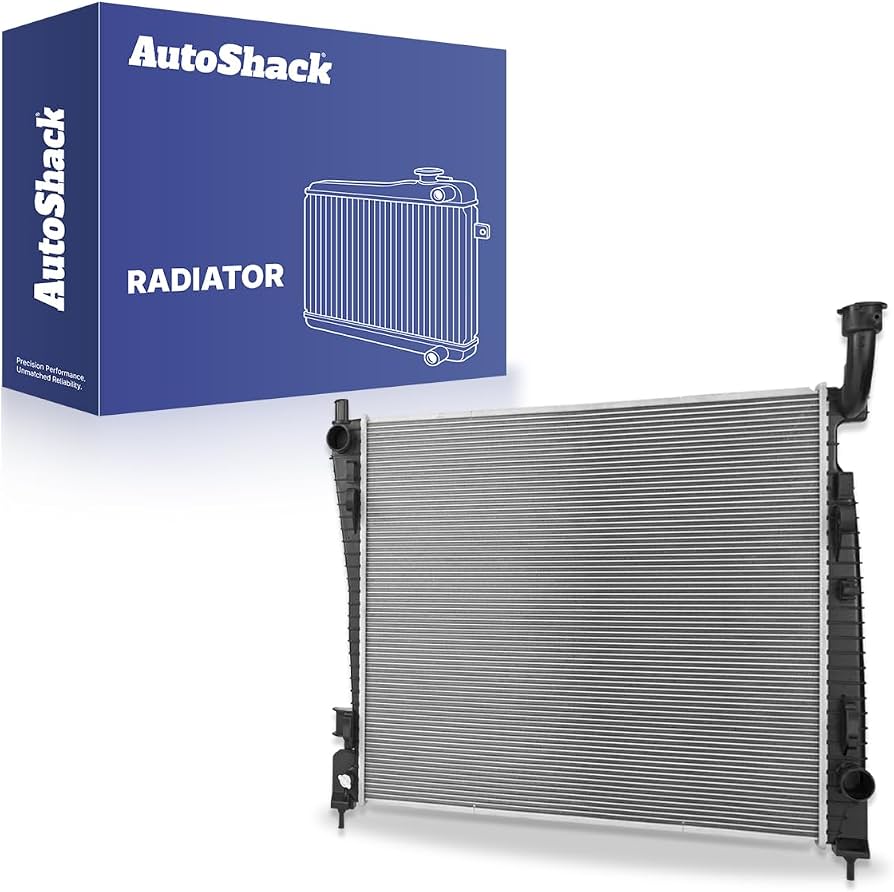
A common question is about long-term costs. The 3. 6 Pentastar generally has fewer expensive problems compared to the 5. 7 Hemi V8. However, cooling system issues sometimes appear after 100,000 miles—like radiator leaks or thermostat failures. These are not unique to the 3.
6 but are important to watch for.
Here’s a look at the most frequent repairs and costs for Grand Cherokees with the 3.6 engine:
| Repair | Typical Mileage | Estimated Cost |
|---|---|---|
| Water Pump Replacement | 90,000–120,000 | $400–$700 |
| Thermostat Replacement | 80,000–120,000 | $250–$500 |
| Oil Cooler Leak Repair | 60,000–100,000 | $350–$600 |
Non-obvious insight: If you change the coolant and oil on time, these repairs are less likely to appear, saving you money over time.
3. Reliability In The Jeep Gladiator
The Jeep Gladiator is a newer model, first introduced in 2020. It uses the 3.6 Pentastar as its standard engine. Early reports show the engine is just as reliable in the Gladiator as in the Wrangler and Grand Cherokee.
Gladiator drivers enjoy the engine’s strong torque for towing and off-roading. Few major engine problems have appeared so far. Most complaints are about the automatic transmission rather than the engine itself.
A quick comparison of Gladiator reliability scores:
| Model Year | Engine Issues Reported (per 1,000 vehicles) | Overall Reliability Rating |
|---|---|---|
| 2020 | 4 | 4/5 |
| 2021 | 3 | 4/5 |
| 2022 | 2 | 4.5/5 |
Practical tip: The Gladiator’s 3.6 engine is easier to service than turbocharged engines, which means lower long-term costs.
Common Problems And How To Prevent Them
While the 3.6 Pentastar is reliable, some issues can still happen:
- Cylinder head failure (mainly 2011–2013): Listen for ticking noises and check engine lights.
- Oil cooler leaks: Watch for oil spots under the car and falling oil levels.
- Water pump and thermostat failure: Overheating or coolant leaks are warning signs.
To prevent these, use the right oil (5W-20), change it every 5,000–7,500 miles, and check coolant levels monthly. Avoid letting the engine overheat, especially during off-roading.
Maintenance Tips For Longer Life
- Always use quality oil and filters.
- Replace spark plugs every 100,000 miles.
- Flush coolant every 5 years or 100,000 miles.
- Fix leaks early to prevent bigger problems.
- If you drive off-road, check for mud or debris in the engine bay after each trip.
Regular care can easily help the Jeep 3. 6 go over 200,000 miles.
How Does The Jeep 3.6 Compare To Other Engines?
The 3. 6 Pentastar is more modern and fuel-efficient than older Jeep engines. It also has fewer moving parts than turbocharged four-cylinders, which means fewer things to break. Compared to the diesel option, the 3. 6 is cheaper to maintain and less sensitive to bad fuel.
Most owners agree: If you want a balance of power, cost, and reliability, the 3.6 is one of the best choices in the Jeep lineup.
For more technical details and historical background, you can check the Pentastar engine article on Wikipedia.
Frequently Asked Questions
How Long Does The Jeep 3.6 Engine Last?
With regular maintenance, the Jeep 3.6 Pentastar often lasts between 180,000 and 220,000 miles. Some owners report over 250,000 miles with careful care.
What Are The Most Common Problems With The Jeep 3.6 Engine?
The most frequent problems are oil cooler leaks, water pump failures, and cylinder head issues (mainly in older models). Newer engines (after 2014) are less likely to have major problems.
Is The Jeep 3.6 A Good Engine For Off-roading?
Yes. The 3.6 has strong torque and good cooling, making it reliable for off-road driving. It handles heat and rough conditions well if maintained properly.
How Expensive Is It To Maintain The Jeep 3.6 Engine?
Maintenance costs are moderate. Most repairs are under $700. Regular service—oil, coolant, spark plugs—keeps costs low and prevents big problems.
Should I Choose The 3.6 Pentastar Over Other Jeep Engines?
For most drivers, the 3.6 Pentastar offers the best balance of power, reliability, and cost. Unless you need more towing power or prefer diesel, it’s a smart choice for daily use and adventure.
In summary, the Jeep 3. 6 Pentastar is a proven, reliable engine when cared for properly. It is trusted by millions of drivers worldwide and remains a top pick in the Jeep family.