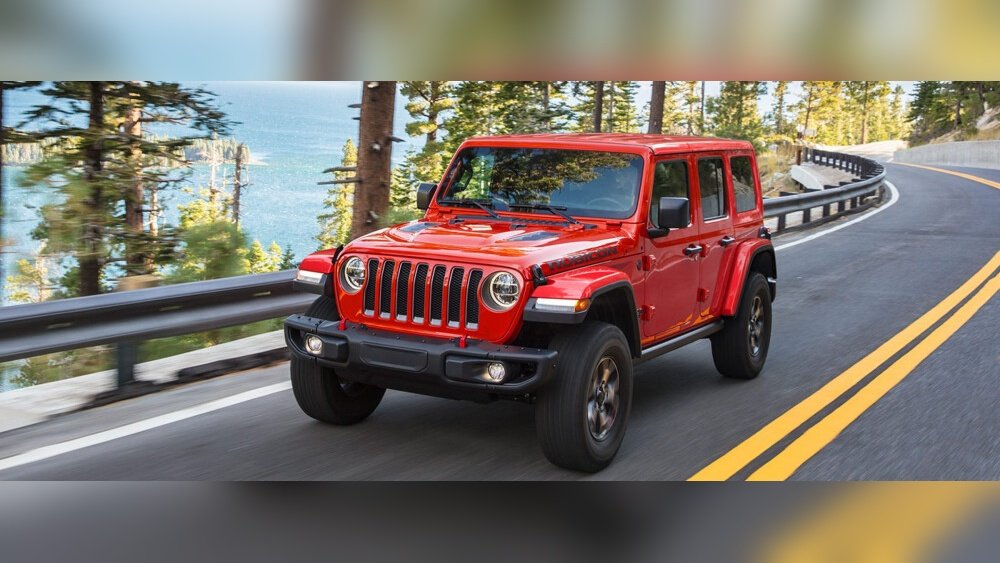
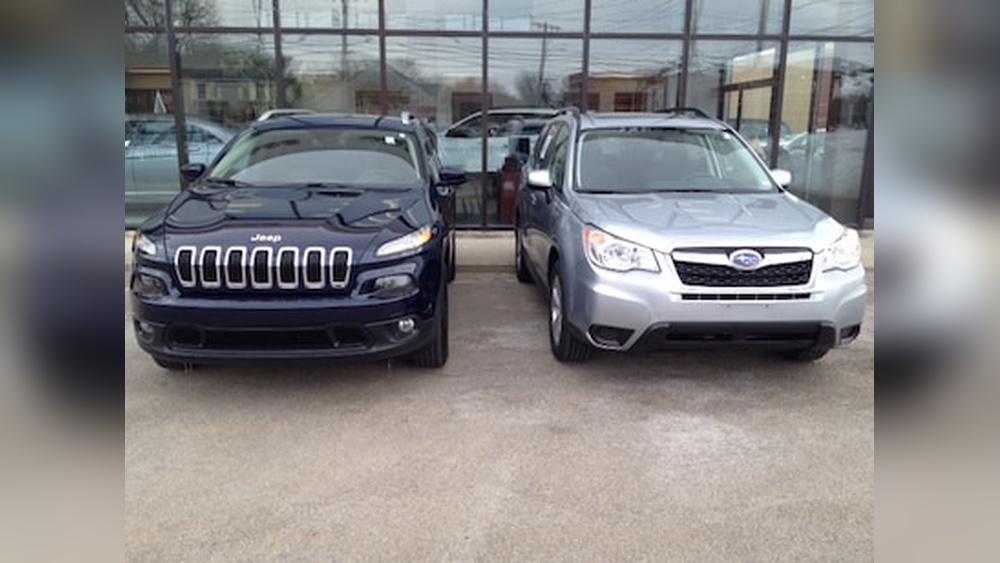
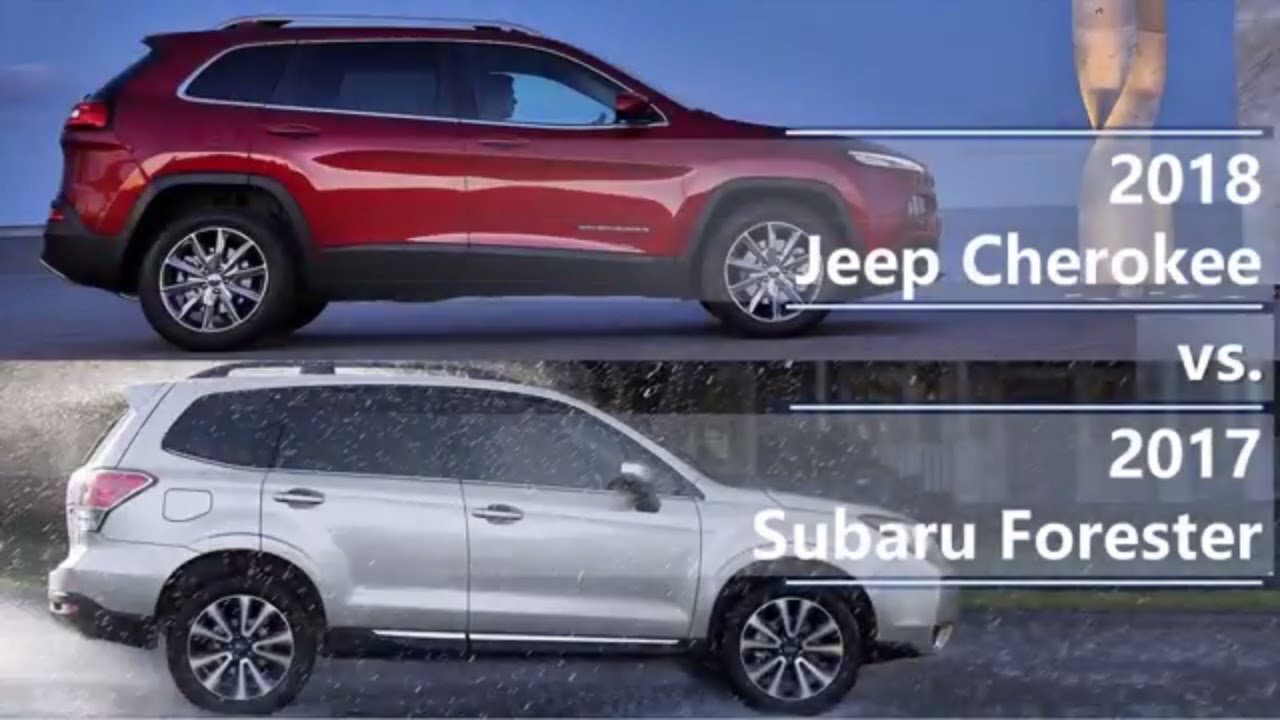
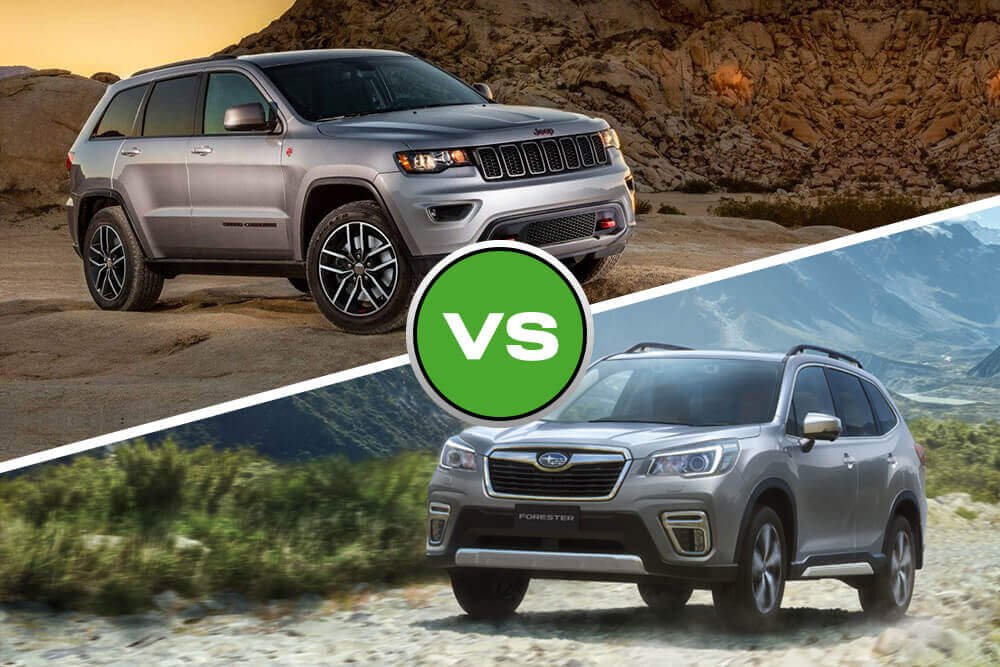
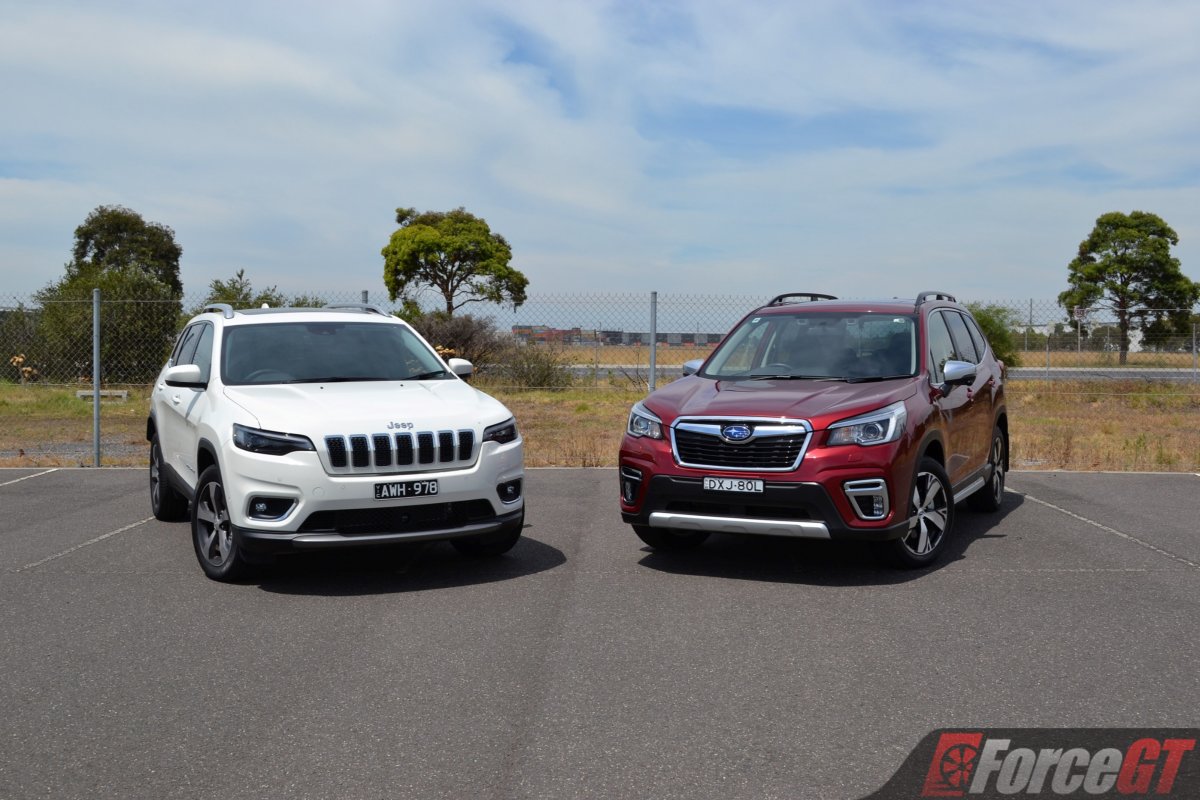
If you’re trying to decide between the Jeep Cherokee and the Subaru Forester, you’re not alone. Both are popular compact SUVs in the US, offering a mix of comfort, capability, and value. But they have very different personalities—and choosing the right one can make a big difference in your daily life. Let’s break down their strengths and weaknesses in clear, practical terms.
Performance And Driving Experience
When you drive a Jeep Cherokee, you feel the rugged DNA. The Cherokee is built for tough terrain, with options like 4WD and the Trailhawk trim, which has extra off-road features. The Subaru Forester, in contrast, is more about balance. Its Symmetrical All-Wheel Drive comes standard, making it stable on wet roads and light trails.
Here’s how their engines compare:
| Model | Base Engine | Horsepower | Fuel Economy (MPG) |
|---|---|---|---|
| Jeep Cherokee | 2.4L I4 | 180 hp | 21 city / 29 hwy |
| Subaru Forester | 2.5L Boxer I4 | 182 hp | 26 city / 33 hwy |
The Forester is more efficient and a little more powerful in its base form. The Cherokee offers a V6 option (271 hp), but most buyers stick to the base engine.
Non-obvious insight: The Cherokee’s ride can feel firmer, especially in Trailhawk models. The Forester is softer, which is better for long drives or city roads.
Interior Comfort And Space
Step inside a Subaru Forester and you’ll notice the airy cabin. The Forester’s large windows and high roof give you great visibility and headroom. The Jeep Cherokee feels more enclosed, but offers good materials, especially in higher trims.
Let’s look at cargo and passenger space:
| Model | Passenger Volume (cu ft) | Cargo Volume (cu ft) | Rear Legroom (in) |
|---|---|---|---|
| Jeep Cherokee | 104 | 25.8 (behind seats) | 40.3 |
| Subaru Forester | 111.9 | 31.1 (behind seats) | 39.4 |
The Forester is roomier, especially if you carry passengers or need space for bags. Its wide-opening rear doors make loading easier a detail many buyers miss.
Technology And Features
Both SUVs have modern features, but Subaru focuses on safety. The Forester comes standard with EyeSight Driver Assist, including adaptive cruise control and lane keep assist. The Cherokee offers similar features, but often as paid options.
Key features in each:
- Jeep Cherokee:
- Apple CarPlay/Android Auto
- Optional heated seats
- Available navigation
- 8.4-inch touchscreen (higher trims)
- Subaru Forester:
- Apple CarPlay/Android Auto
- Standard EyeSight safety suite
- Optional heated steering wheel
- 8-inch touchscreen (higher trims)
Non-obvious insight: Subaru’s safety features are more consistent across all trims, while Jeep’s tech upgrades can get expensive as you move up the trim ladder.
Reliability And Ownership Costs
Reliability is where these two diverge. According to recent studies, Subaru Forester has a strong reputation for long-term reliability and lower repair costs. Jeep Cherokee’s reliability is average, with some owners reporting electrical or transmission issues after a few years.
Estimated maintenance costs over 5 years:
| Model | Average Maintenance Cost (5 years) | Warranty |
|---|---|---|
| Jeep Cherokee | $4,000 | 3 years/36,000 miles |
| Subaru Forester | $3,300 | 3 years/36,000 miles |
The Forester is a safer bet if you plan to keep your SUV for many years. For more data, you can check recent reliability studies on Consumer Reports.
Price And Value
Pricing can change, but here’s a snapshot for new 2024 models:
- Jeep Cherokee: Starts around $37,000
- Subaru Forester: Starts around $28,000
The Cherokee is more expensive, especially with 4WD or V6. The Forester’s lower price makes it accessible, and its resale value is higher.
Common mistake: Many buyers underestimate insurance and fuel costs for the Cherokee. Its higher horsepower and weight mean you pay more over time.
Which Suv Is Right For You?
Choose the Jeep Cherokee if:
- You want real off-road ability
- You like a bold, rugged design
- You’re willing to pay more for upgrades
Go with the Subaru Forester if:
- You value safety and reliability
- You need more space for family or gear
- You want the best fuel economy
For most drivers, the Forester fits daily needs better. But if adventure is your priority, the Cherokee stands out.
Frequently Asked Questions
Is The Jeep Cherokee Better For Off-road Driving?
Yes, the Cherokee is built for rough terrain. Its Trailhawk trim has special features like skid plates and tow hooks. The Forester can handle light trails, but is not designed for extreme off-road.
Which Suv Has Better Fuel Economy?
The Subaru Forester wins here. It gets up to 33 mpg on the highway, while the Cherokee reaches about 29 mpg with its base engine.
Is The Forester Safer Than The Cherokee?
The Forester comes with standard safety features, including automatic emergency braking. It often gets higher safety ratings, making it a top choice for families.
How Does Cargo Space Compare?
The Forester has more cargo room, with 31.1 cubic feet behind the rear seats. The Cherokee offers 25.8 cubic feet, which is smaller and less flexible.
Which Is More Reliable In The Long Run?
The Subaru Forester has a better track record for reliability and lower maintenance costs. The Cherokee is average, but some owners report more issues after a few years.
Choosing between the Jeep Cherokee and Subaru Forester is about matching your needs to their strengths. Both offer good quality, but the Forester’s value and reliability make it a smart choice for most people.
If you want adventure and don’t mind paying more, the Cherokee is worth considering.