The Jeep Renegade Trailhawk is a compact SUV that is designed to blend functionality and versatility, making it suitable for both urban commuting and adventurous off-road excursions. With its rugged exterior and distinctive styling, this vehicle caters to a diverse target audience, including outdoor enthusiasts, families, and urban dwellers who appreciate the capability to venture off the beaten path.
One of the standout features of the Jeep Renegade Trailhawk is its off-road prowess. Equipped with advanced four-wheel-drive technology, a specially tuned suspension, and enhanced ground clearance, this vehicle is built to tackle various terrains and weather conditions. This capability, paired with its compact size, allows drivers to navigate crowded city streets with ease, while also providing the freedom to explore more challenging landscapes, such as rocky trails and muddy paths.
The Renegade Trailhawk positions itself as an ideal vehicle for individuals who seek a balance between everyday practicality and the spirit of adventure. Whether it is the daily commute, a weekend getaway, or a spontaneous road trip, this SUV is designed to meet the diverse needs of its owners. With a range of modern features, including an intuitive infotainment system and a suite of safety technologies, the Jeep Renegade Trailhawk appeals to a wide demographic, including tech-savvy drivers and those prioritizing safety.
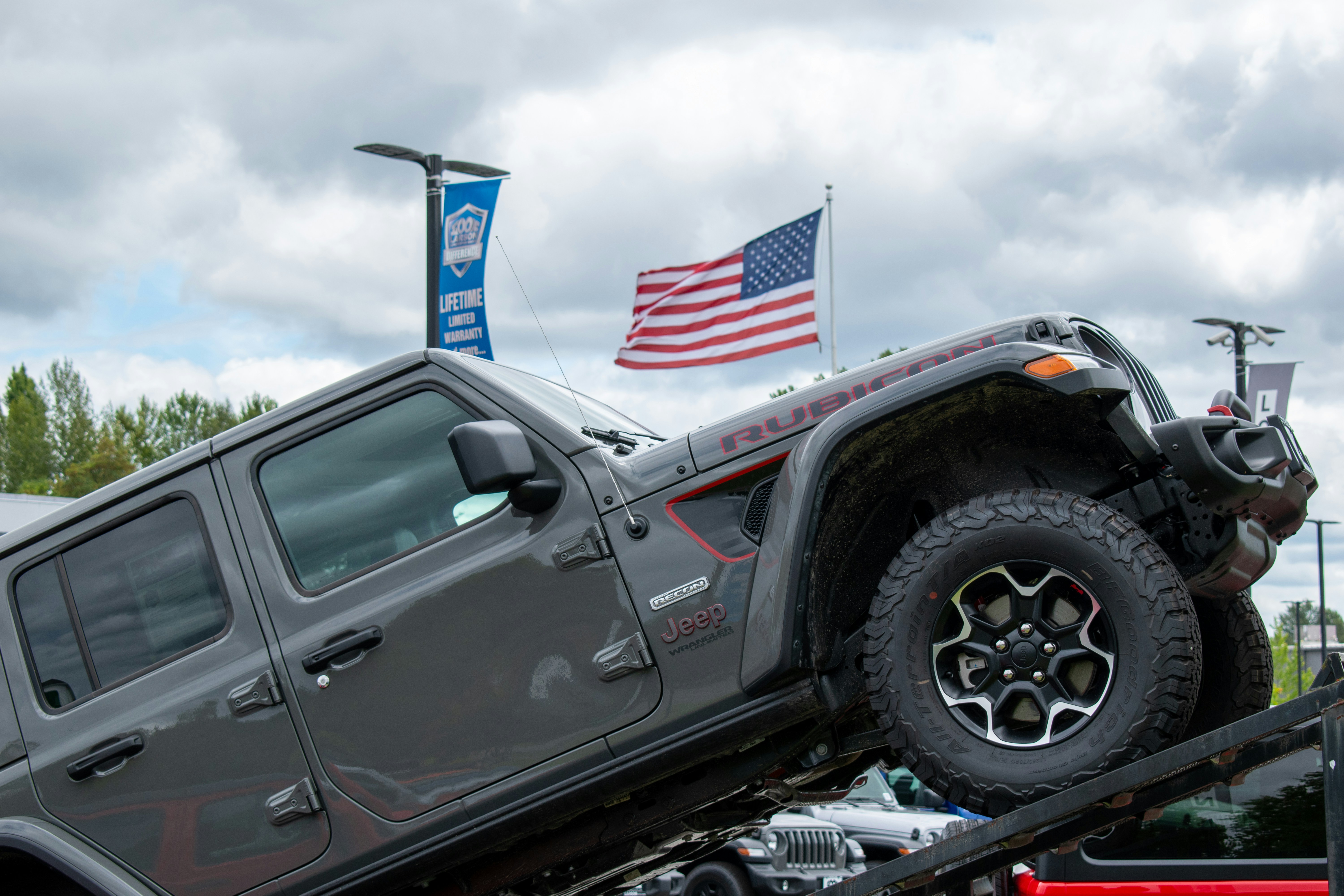
This review aims to provide a comprehensive insight into the reliability of the Jeep Renegade Trailhawk, focusing on its performance, user feedback, and any potential concerns. By examining these aspects, we hope to assist prospective buyers in making informed decisions regarding this versatile compact SUV.
Common Mechanical Problems
The Jeep Renegade Trailhawk, known for its off-road capabilities and rugged design, unfortunately, has been associated with a range of mechanical issues reported by its owners. Understanding these common problems is essential for prospective buyers and current owners alike, as it provides insight into the vehicle’s reliability and highlights areas for potential improvement.
One prevalent concern among Jeep Renegade Trailhawk users is electrical issues. Owners have noted a variety of electrical malfunctions, including problems with the infotainment system, faulty wiring, and malfunctioning sensors. According to a study by Consumer Reports, approximately 17% of Jeep Renegade owners have reported experiencing these electrical problems, which can range from minor inconveniences to more serious threats to vehicle functionality.
Transmission problems have also surfaced as a common concern for the Renegade Trailhawk. Drivers have reported instances of rough shifting, delayed engagement, and transmission failure. A survey from J.D. Power indicates that about 15% of owners encountered transmission-related issues within the first few years of ownership, which can lead to substantial repair costs and vehicle downtime.
Additionally, engine concerns have been highlighted by several reliability studies. Some owners have reported engine misfires, excessive oil consumption, and potential mechanical failures. A report from the National Highway Traffic Safety Administration (NHTSA) indicates that nearly 10% of respondents experienced significant engine problems, underlining the need for ongoing vigilance regarding engine performance.
These common mechanical issues serve as a reminder that even with its adventurous design, the Jeep Renegade Trailhawk is not without its flaws. Prospective buyers should weigh these concerns against their expectations for reliability and consider the potential long-term maintenance when making a purchasing decision.
Long-term Ownership Experiences
Long-term ownership experiences provide valuable insights into the reliability and overall satisfaction associated with the Jeep Renegade Trailhawk. Many owners have expressed a strong sense of loyalty to this compact SUV, often highlighting its off-road capabilities as a primary factor in their continued enjoyment of the vehicle. The Trailhawk variant, in particular, has gained a reputation for its rugged performance, making it an appealing choice for adventurous drivers.
When discussing longevity and reliability, several Trailhawk owners have noted that the vehicle holds up well over the years, often surpassing their initial expectations. Common themes among long-term users include satisfaction with the vehicle’s handling and maneuverability, especially in challenging terrain. Many drivers appreciate the enhanced suspension and traction control specific to the Trailhawk, contributing to a dependable experience throughout various driving conditions.
However, like any vehicle, the Jeep Renegade Trailhawk is not without its issues. Some owners have reported specific recurring issues, including electrical system malfunctions and occasional software updates that can lead to temporary glitches. While these problems seem to be infrequent, they can affect the overall reliability perception. Nonetheless, the consensus remains that most owners can address these minor inconveniences with regular maintenance and attention to the vehicle’s needs.
Overall, long-term owners tend to view the Jeep Renegade Trailhawk favorably. Many highlight its ability to remain reliable and enjoyable throughout the years, despite the trivial setbacks. The blend of rugged design and advanced features keeps owners satisfied and emphasizes the vehicle’s capability as a trusted companion across diverse driving scenarios.
Engine and Transmission Issues
The Jeep Renegade Trailhawk, like many modern vehicles, may encounter specific engine and transmission issues over its lifespan. Users and mechanics have reported concerns, particularly about the engine performance and transmission behavior, which can impact overall reliability. Understanding these issues is crucial for potential owners and current drivers alike.
One common problem observed in the Jeep Renegade Trailhawk relates to the engine’s oil consumption. Some users have noted that their engine seems to consume oil at a higher rate than expected, prompting them to check oil levels more frequently than recommended. This can lead to unexpected oil changes and increased maintenance costs, raising questions regarding the long-term reliability of the engine.
Additionally, transmission issues have been documented, particularly relating to the 9-speed automatic transmission that Jeep employs in the Renegade. Drivers have reported instances of rough shifting or delays in engagement, particularly during acceleration. In some cases, these issues warrant warranty claims and require dealership intervention to rectify, often resulting in software updates or replacement of the transmission components. Such problems not only inconvenience drivers but also influence the reliability ratings of the Trailhawk.
Moreover, routine maintenance plays a crucial role in minimizing engine and transmission troubles. Regular fluid checks, timely oil changes, and adhering to manufacturer guidelines can help alleviate some common issues, maintaining performance and reliability. In contrast, neglecting these aspects may exacerbate existing problems, leading to more substantial repairs down the line.
In summary, while the Jeep Renegade Trailhawk is generally regarded as a robust compact SUV, potential buyers should be aware of these engine and transmission issues. Awareness of common problems, along with proactive maintenance, can contribute significantly to enhancing the vehicle’s reliability and longevity.
Off-road Durability
The Jeep Renegade Trailhawk is designed to excel in off-road conditions, making it a popular choice for adventure seekers and outdoor enthusiasts. Its robust construction and specialized features significantly enhance its durability, allowing it to navigate through challenging terrains with ease. One of the standout features is the advanced four-wheel-drive system, which provides exceptional traction and control on slippery or rugged surfaces. This system, coupled with the Trailhawk’s increased ground clearance and aggressive tire treads, empowers drivers to tackle obstacles like rocks, mud, and steep inclines.
Additionally, the Renegade Trailhawk boasts durable skid plates that protect vital components from potential damage when traversing uneven landscapes. The vehicle’s body design also plays a crucial role in its off-road performance. The high stance and compact form factor not only provide better visibility but also enhance maneuverability across narrow trails. Furthermore, the Trailhawk’s water fording capabilities, rated up to 19 inches, allow it to cross streams and deep puddles without compromising its mechanical integrity.
Owner experiences consistently highlight the Renegade Trailhawk’s reliability under off-road conditions. Many drivers report that it handles demands with surprising agility for a subcompact SUV, proving its mettle in various climates and regions. User reviews often illustrate the vehicle’s adeptness in snow, mud, and gravel, showcasing how its design features come together to create a formidable off-road companion. The Jeep Renegade Trailhawk stands as a testament to the brand’s commitment to producing vehicles that not only perform well on highways but also thrive in natural settings, making it a versatile choice for those who value adventure and exploration.
Maintenance Costs
The Jeep Renegade Trailhawk is known for its capable off-road performance, but potential owners may wonder about the typical maintenance costs associated with this versatile SUV. Understanding routine servicing fees, average parts replacement costs, and potential repair expenses can play a crucial role in budget planning, ensuring that the Renegade remains a reliable choice over time.
Routine maintenance for the Jeep Renegade Trailhawk usually includes oil changes, brake inspections, tire rotations, and fluid level checks. On average, the cost for an oil change ranges from $50 to $100, depending on the service provider and the type of oil used. Tire rotations generally cost between $20 and $50, and a comprehensive service appointment—covering multiple checks—can be expected to run between $150 and $300. These costs can vary based on regional pricing, as well as whether the maintenance is performed at a dealership versus an independent mechanic.
Parts replacement costs are also a significant consideration for Jeep owners. Brake pads, for instance, may range in price from $150 to $300 per axle, including labor, while a battery replacement typically costs between $100 and $250. Further, tire replacement—which is essential for maintaining performance—can vary greatly depending on the brand and model, averaging between $100 and $200 per tire. It is advisable to choose high-quality parts to ensure safety and longevity, though they may come at a premium cost.
In terms of potential repairs, while the Renegade Trailhawk is generally reliable, some common issues can lead to higher expenses. Owners might experience costs related to electronic components, transmission, or four-wheel-drive systems. Ensuring timely maintenance and addressing issues promptly can mitigate long-term repair costs, ultimately contributing to an overall positive ownership experience.
Owner Complaints and Feedback
Owners of the Jeep Renegade Trailhawk have expressed a variety of concerns, reflecting their experiences with the vehicle both in terms of performance and customer service. One of the most commonly noted complaints centers around the vehicle’s transmission. Several users have reported issues with the transmission hesitating during acceleration, which has led to a less enjoyable driving experience. This hesitation can be particularly pronounced during off-road situations, where the Trailhawk is expected to perform optimally.
Another area of concern involves the electrical system of the Jeep Renegade Trailhawk. Owners have reported instances of malfunctioning infotainment systems, ranging from freezing screens to complete system failures. In some cases, updates or resets have resolved these issues, but they have caused frustration for users who expected technologically reliable features, especially given the vehicle’s off-road capabilities.
Additionally, numerous feedback from online forums and review sites indicates dissatisfaction with customer service related to warranty claims and issue resolutions. Some customers have reported delays when seeking repairs or parts, which has left them feeling unsupported. It is essential to note, however, that while there are accounts of negative interactions, other owners have praised the service they received, highlighting a disparity that may vary by dealership.
While these complaints illustrate common areas of concern, they do not necessarily reflect the experience of every Jeep Renegade Trailhawk owner. Overall, understanding the feedback and experiences of fellow drivers can provide valuable insight into the vehicle’s reliability and performance. Owners are encouraged to share their experiences to create a more comprehensive overview of the Trailhawk’s capabilities.
Comparative Reliability with Other Compact SUVs
The Jeep Renegade Trailhawk has garnered attention in the compact SUV market for its rugged design and off-road capabilities. In assessing its reliability in comparison to other vehicles in the same category, several factors come to the fore, including reliability ratings, expert reviews, and owner satisfaction scores.
According to various automotive reliability surveys, the Jeep Renegade Trailhawk scores moderately in comparison with its competitors. For instance, models such as the Honda HR-V and the Mazda CX-30 consistently receive high marks for reliability from sources like J.D. Power and Consumer Reports. Both of these vehicles are noted for their dependable performance and lower maintenance costs, which often resonate well with owners.
However, it is important to contextualize these ratings within the unique characteristics of the Jeep Renegade Trailhawk. While its scores may not reach the heights of its rivals, it is built to excel in off-road environments – a critical factor for many potential buyers. Some experts acknowledge that the trade-off for the Trailhawk’s enhanced capabilities and features, such as its specialized suspension system and enhanced four-wheel drive, may slightly impact its overall reliability perception.
Additionally, owner satisfaction scores reflect varying experiences, with some Jeep Renegade owners praising its adventurous spirit and ability to traverse challenging terrains, despite acknowledging some reliability concerns. This is contrasted with owners of the Honda HR-V or the Subaru Crosstrek, who often report satisfaction stemming from the vehicles’ longevity and consistent performance.
In summary, while the Jeep Renegade Trailhawk may not lead in reliability rankings when compared to other compact SUVs, it holds a unique position appealing to those seeking off-road performance, thus making it a noteworthy contender in its segment.
Is the Jeep Renegade Trailhawk a Good Buy?
When considering the suitability of the Jeep Renegade Trailhawk as a purchase option, it is essential to evaluate its performance across multiple facets, particularly its capability for both daily driving and light off-roading. The Renegade Trailhawk is engineered to cater to drivers seeking versatility in their vehicles. Its compact size coupled with robust off-road features allows it to navigate urban settings while also being more than capable on unpaved surfaces.
The Jeep Renegade Trailhawk is equipped with a 2.4-liter four-cylinder engine that provides adequate power for city and highway driving. Additionally, its nine-speed automatic transmission contributes to a well-rounded driving experience. The vehicle’s four-wheel drive (4WD) system enhances traction on varied terrains, making it suitable for weekend adventures and light trails, thus satisfying outdoor enthusiasts without compromising on everyday usability.
In terms of reliability, the Trailhawk benefits from Jeep’s historical reputation for durability in their off-road models. Various reviews highlight the Trailhawk’s solid build quality, excellent handling, and overall dependability. It is important, however, for potential buyers to note that maintenance and repairs can be more frequent, given the off-roading capabilities, which may vary depending on usage.
Furthermore, customer feedback frequently points to the comfort and technology features available in the Trailhawk, such as a well-appointed interior and advanced infotainment options. These attributes enhance the driving experience during commutes, addressing the need for a comfortable daily driver.
In conclusion, the Jeep Renegade Trailhawk presents itself as a strong contender for prospective buyers who require a vehicle that is capable of dual functionality. Its reliability for both urban commuting and off-road capabilities makes it a suitable purchase for individuals looking to invest in a versatile and dependable compact SUV.