If you’re considering a rugged off-road vehicle or a powerful pickup truck, you’re probably looking at the Jeep Wrangler and the Ford F150.
These two vehicles represent different traditions in American automotive history: one is a classic off-road SUV, the other is the best-selling full-size pickup. Both have dedicated fans, but they serve very different purposes.
Choosing between them isn’t easy, especially with so many trims, engines, and features to consider. This in-depth comparison will help you decide which one fits your lifestyle, driving needs, and budget.
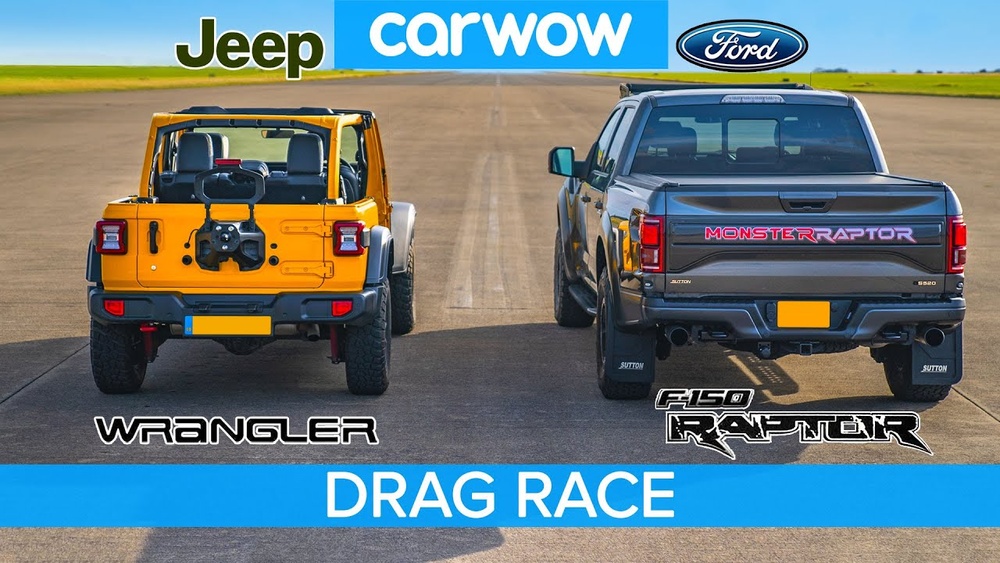
Core Identity: What Sets Each Apart
The Jeep Wrangler is famous for its off-road ability, open-air experience, and iconic styling that hasn’t changed much since World War II.
It’s about adventure, exploration, and fun. The Wrangler is available as a two-door or four-door (Unlimited), with removable doors and roof, making it unique among SUVs.
The Ford F-150 is America’s favorite truck. For over 40 years, it’s been the best-selling vehicle in the country. It’s designed for towing, hauling, and everyday usability. With many trims, bed lengths, and engine options, the F-150 is as comfortable on a construction site as it is on the highway.
While the Wrangler is an SUV and the F-150 is a pickup, both are often cross-shopped by buyers who want versatility, reliability, and a sense of adventure. Let’s break down the details.
Engine Performance And Options
Jeep Wrangler Powertrains
The Jeep Wrangler offers several engines:
- 3.6-liter V6: 285 horsepower, 260 lb-ft torque
- 2.0-liter Turbo I4: 270 horsepower, 295 lb-ft torque
- 3.0-liter EcoDiesel V6: 260 horsepower, 442 lb-ft torque
- 6.4-liter V8 (Rubicon 392): 470 horsepower, 470 lb-ft torque
- 4xe Plug-in Hybrid: 375 horsepower, 470 lb-ft torque (combined gas/electric)
These engines cover a wide range of needs, from daily driving to serious off-roading. The V8 and 4xe hybrid are unique in the segment, giving buyers performance or efficiency options rarely found in off-road SUVs.
Ford F-150 Powertrains
The F-150 has one of the largest engine selections of any truck:
- 3.3-liter V6: 290 horsepower, 265 lb-ft torque
- 2.7-liter EcoBoost V6: 325 horsepower, 400 lb-ft torque
- 5.0-liter V8: 400 horsepower, 410 lb-ft torque
- 3.5-liter EcoBoost V6: 400 horsepower, 500 lb-ft torque
- 3.0-liter Power Stroke Diesel V6: 250 horsepower, 440 lb-ft torque
- 3.5-liter PowerBoost Hybrid V6: 430 horsepower, 570 lb-ft torque
- High-output 3.5-liter V6 (Raptor): 450 horsepower, 510 lb-ft torque
F-150 buyers can pick an engine that matches their towing, hauling, or fuel economy needs. The hybrid and high-output engines are especially notable.
Head-to-Head Engine Comparison
The F-150’s engines focus on towing capacity and payload, while the Wrangler’s are tuned for off-road torque and flexibility. For pure horsepower, the Wrangler Rubicon 392 and the F-150 Raptor stand out. The F-150’s hybrid, however, brings something new to the pickup class with both power and efficiency.
Off-road Capability
Few vehicles can match the Jeep Wrangler’s legendary off-road skills. But how does the F-150 compare when the pavement ends?
Jeep Wrangler Off-road Highlights
- Solid axles front and rear for durability and articulation
- Low-range transfer case (standard on most trims)
- Locking differentials (Rubicon)
- Sway bar disconnect for better wheel movement
- High ground clearance (up to 12.9 inches)
- Approach/Departure angles: Among the best in any SUV
The Wrangler is built from the ground up for trails, rocks, mud, and sand. Even the base Sport model is more capable off-road than most SUVs.
Ford F-150 Off-road Features
The F-150 isn’t far behind, especially in its specialized off-road trims:
- FX4 Off-Road Package (skid plates, off-road shocks, hill descent control)
- Tremor trim: Off-road suspension, 33-inch tires, locking rear differential
- Raptor trim: Long-travel suspension, 35-37 inch tires, advanced 4WD
While the F-150 can’t match the Wrangler’s small size or extreme angles, trims like the Raptor are designed for high-speed desert running and rough terrain. The F-150 offers more comfort and space but is wider and heavier than the Wrangler, which can make tight trails difficult.
Off-road Data Snapshot
Here’s a quick look at off-road specs for popular trims:
| Model | Ground Clearance (inches) | Approach Angle (degrees) | Departure Angle (degrees) |
|---|---|---|---|
| Wrangler Rubicon | 12.9 | 43.9 | 37.0 |
| F-150 Raptor | 13.1 | 31.0 | 23.9 |
| F-150 Tremor | 9.4 | 27.6 | 24.3 |
Insight: The Wrangler’s design gives it much better approach and departure angles, which matter on rocky, steep trails. The Raptor’s clearance is impressive, but its size can be a challenge on narrow paths.
Towing And Payload
Ford F-150: Towing Champion
The F-150 is built for work. Depending on engine and configuration, it can tow between 5,000 and 14,000 pounds. Payload (how much you can carry in the bed) ranges from 1,840 to 3,325 pounds. This makes the F-150 a top choice for trailers, boats, and heavy loads.
Jeep Wrangler: Towing Limitations
The Wrangler isn’t designed for heavy towing. Most trims can tow up to 3,500 pounds (with the right equipment). Payload is also lower, at around 1,000 pounds. If you need to tow a camper or transport building materials regularly, the F-150 is the clear winner.
Towing Comparison Table
| Model | Max Towing (lbs) | Max Payload (lbs) |
|---|---|---|
| Jeep Wrangler | 3,500 | 1,000 |
| Ford F-150 | 14,000 | 3,325 |
Non-obvious insight: Even though the Wrangler can tow small trailers, doing so often reduces its off-road performance and can strain the engine on steep climbs. The F-150 is designed to tow heavy loads with less impact on performance.
Interior Comfort And Space
Jeep Wrangler Cabin
The Wrangler’s interior has improved in recent years. It now features:
- Touchscreen infotainment (Uconnect)
- Apple CarPlay/Android Auto
- Removable roof and doors
- Water-resistant materials for easy cleaning
But the Wrangler remains narrow, with less legroom in the back (especially two-door models). The ride is bouncy on rough roads, and road noise is higher than in most SUVs.
Ford F-150 Cabin
The F-150 offers more:
- Multiple cab styles (Regular, SuperCab, SuperCrew)
- Large rear seat space (especially SuperCrew)
- High-quality materials on upper trims
- Quiet, smooth ride
- Available features: Massaging seats, large touchscreens, fold-flat work surfaces
The F-150’s interior feels closer to a luxury SUV in its higher trims. It’s more comfortable for long drives or family trips.

Interior Space Comparison
| Model | Front Legroom (inches) | Rear Legroom (inches) | Cargo Space (cu ft) |
|---|---|---|---|
| Wrangler 4-Door | 41.2 | 38.3 | 31.7 (behind rear seat) |
| F-150 SuperCrew | 43.9 | 43.6 | Varies (plus truck bed) |
Key point: The F-150 offers much more room, especially for passengers and cargo. The Wrangler’s cargo space is good for an SUV, but the F-150’s bed can handle larger, bulkier items.
Technology And Safety
Wrangler Tech And Safety
The Wrangler’s Uconnect system is simple and easy to use. It includes:
- Touchscreens from 5 to 8.4 inches
- Navigation
- Bluetooth, voice controls
- Optional Alpine sound system
Safety tech is improving, but the Wrangler still lags behind. Advanced driver aids like adaptive cruise control and blind-spot monitoring are available, but not standard on all trims.
F-150 Tech And Safety
The F-150 leads with technology:
- SYNC 4 infotainment with 8-inch or 12-inch touchscreen
- Wireless Apple CarPlay/Android Auto
- Digital gauge cluster
- Pro Power Onboard (can power tools or devices from the truck)
- Over-the-air updates
Safety is a strong point. Most trims include automatic emergency braking, lane-keeping system, and blind-spot monitoring. Higher trims offer BlueCruise for hands-free highway driving.
Non-obvious insight: The F-150’s Pro Power Onboard is unique—it can run power tools or even home appliances at a campsite, making it more than just a truck.
Fuel Economy And Efficiency
Jeep Wrangler MPG
Fuel economy depends on the engine and whether you pick a two-door or a four-door:
- 3.6L V6 (automatic, 4-door): 19 city / 24 highway mpg
- 2.0L Turbo: 21 city / 24 highway mpg
- 3.0L Diesel: 22 city / 29 highway mpg
- 4xe Plug-in Hybrid: 49 MPGe (electric/gas), 21 mpg gas only
The Wrangler 4xe can travel about 21 miles on electric power alone. The V8 is thirsty, averaging about 13 mpg.
Ford F-150 MPG
F-150 fuel economy varies widely:
- 3.3L V6: 20 city / 24 highway mpg
- 2.7L EcoBoost: 20 city / 26 highway mpg
- 3.5L Hybrid: 25 city / 26 highway mpg
- 5.0L V8: 17 city / 24 highway mpg
- Raptor: 15 city / 18 highway mpg
Overall, the F-150 Hybrid is the most efficient, especially for a full-size pickup.
Tip: Both vehicles use more fuel during off-roading or towing. Real-world mpg can be lower than EPA estimates.
Cost To Own: Pricing, Insurance, And Resale
Purchase Price
Base prices (2024 models):
- Jeep Wrangler: Starts around $33,000 (Sport), up to $89,000 (Rubicon 392)
- Ford F-150: Starts around $36,000 (XL), up to $84,000 (Raptor)
Higher trims and options can quickly increase the price for both.
Insurance And Maintenance
- Wrangler: Insurance costs are moderate, but repairs after off-road use can be higher. Parts are widely available.
- F-150: Slightly higher insurance due to size and value, but routine maintenance is similar. Ford’s large dealer network helps keep costs down.
Resale Value
Both vehicles hold value well, but for different reasons:
- Wrangler: High resale value due to strong demand and classic styling. Some Wranglers lose less than 30% of value after five years.
- F-150: Also holds value, especially higher trims and models with popular engines. Fleet use can impact resale on lower trims.
Practical Ownership: Everyday Use
City Driving
- Wrangler: Easier to park due to smaller size, but the ride can feel rough over potholes.
- F-150: Large footprint makes city parking tough. However, modern safety features and cameras help.
Highway Driving
- Wrangler: Road noise and wind can be high, especially with the soft top. Less stable at high speeds.
- F-150: Smooth, quiet, and comfortable for long distances.
Family Use
- Wrangler: Fun for adventures, but less space for kids or gear.
- F-150: More back seat room, safer in crashes, better for road trips.
Real-world example: A family that often camps in remote places may prefer the Wrangler for its trail abilities. A family that tows a boat or often carries sports equipment will find the F-150 more practical.
Customization And Aftermarket Support
Both the Wrangler and F-150 have strong aftermarket support. Owners love to customize:
- Jeep Wrangler: Lift kits, bigger tires, winches, roof racks, LED lights, snorkels.
- Ford F-150: Bed covers, lift/leveling kits, wheels, off-road bumpers, toolboxes.
Non-obvious insight: The Wrangler’s removable doors and roof allow for a unique open-air experience, which you can’t find in any pickup. However, the F-150’s modular bed and onboard power options give it an edge for work or recreation.
Who Should Choose The Jeep Wrangler?
Pick the Wrangler if:
- You want the best off-road vehicle for the money
- Open-air driving is important
- You love customizing your ride for trails or overlanding
- You want a vehicle with strong resale value
The Wrangler is less comfortable on highways, but it’s unmatched for adventure.
Who Should Choose The Ford F-150?
Go with the F-150 if:
- You need to tow or haul heavy loads
- Comfort, space, and technology matter
- You want a work truck that’s also family-friendly
- You prefer a smoother, quieter ride
The F-150 is an all-rounder—great for both work and daily life.
Key Decision Factors
Before making your final choice, ask yourself:
- How often will you go off-road?
- Do you need to tow or carry large items?
- Is passenger comfort a priority?
- How important is fuel economy to you?
- Do you want open-air options or a traditional truck bed?
Visiting a local dealer for a test drive can help you feel the differences in ride, handling, and comfort.
Frequently Asked Questions
Is The Jeep Wrangler More Reliable Than The Ford F-150?
Both vehicles are generally reliable, but the F-150 often scores higher in long-term reliability studies. The Wrangler’s simple design helps durability, but off-road use can lead to more repairs. Regular maintenance is key for both.
Which Is Safer: Wrangler Or F-150?
The F-150 usually scores higher in crash tests and offers more advanced safety features as standard. The Wrangler’s design is older and lacks some of the latest driver aids on its base trims.
Can The Wrangler Tow As Much As The F-150?
No. The Wrangler’s max tow rating is 3,500 pounds, while the F-150 can tow up to 14,000 pounds, depending on configuration. If towing is your main need, the F-150 is the better choice.
Is The Wrangler Better For Winter Driving?
The Wrangler’s 4WD system and high clearance make it great for snow and rough weather. However, the F-150 also offers 4WD and more weight, which can help with traction. Tire choice is important for both.
Which Vehicle Holds Value Better Over Time?
Both have excellent resale value, but the Wrangler is especially strong because of high demand and its classic look. The F-150 also holds value, especially for popular trims and engines.
For more technical details and comparison specs, you can check the official Ford F-150 website.
Choosing between the Jeep Wrangler and the Ford F-150 is about knowing your needs. One offers unmatched off-road fun and style, the other gives you top-tier towing, comfort, and everyday usefulness. Both are American icons—and either way, you’ll own a vehicle built for adventure.