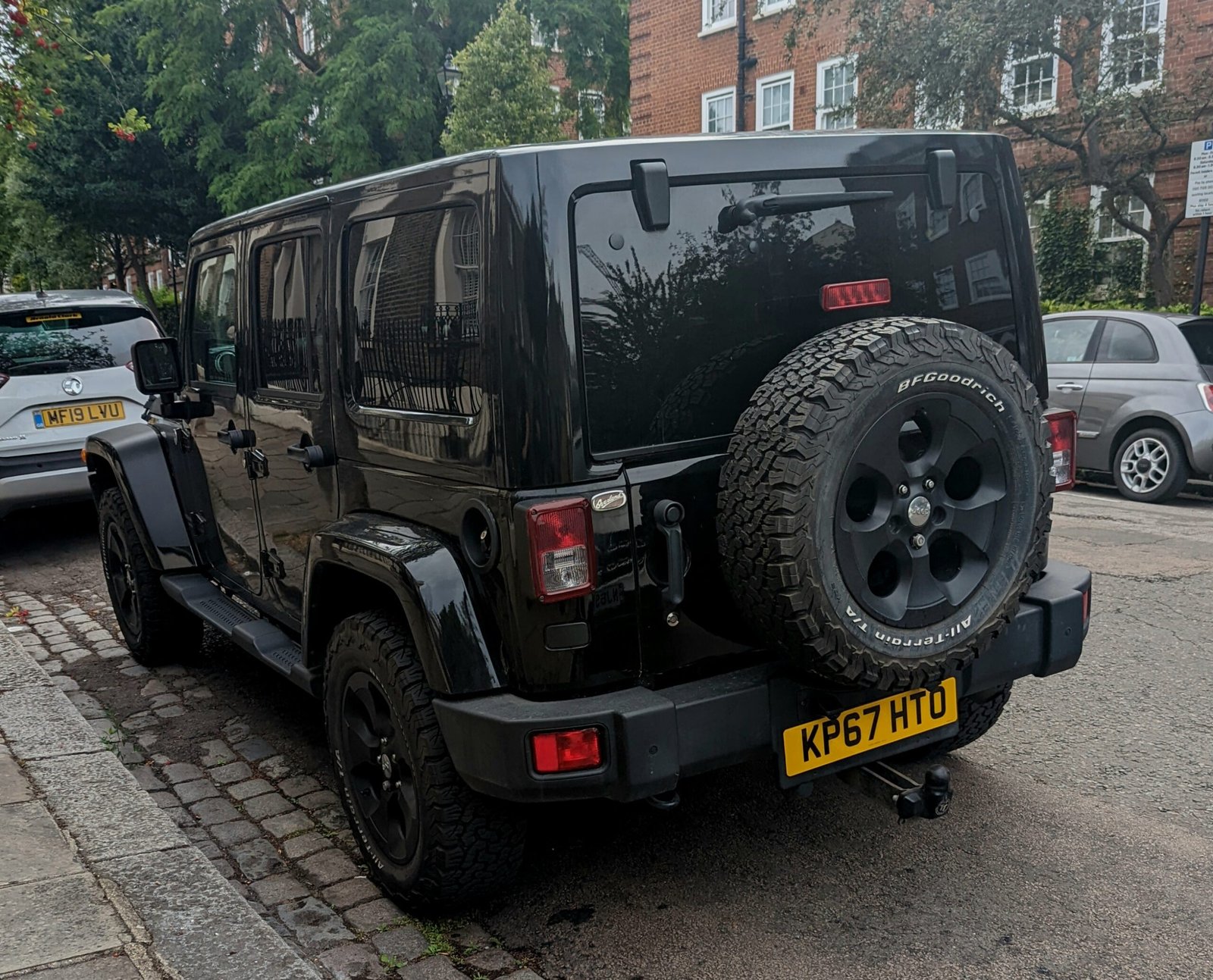
If your Jeep Cherokee’s tail light stops working, it’s not just a small problem—it’s a safety risk. Sometimes, replacing the bulb or socket doesn’t fix the issue. In these cases, hardwiring the tail light can be the solution. This process connects the tail light directly to the vehicle’s wiring, bypassing broken connectors or damaged wiring sections. Here’s a clear, step-by-step guide to hardwiring a tail light on a Jeep Cherokee, plus key tips, common mistakes, and answers to questions many beginners have.
When Should You Hardwire A Tail Light?
Hardwiring is a method used when standard repairs fail. It’s often needed if:
- The factory connector is melted, corroded, or missing.
- The wiring harness has internal breaks.
- Aftermarket tail lights require different connections.
Most often, hardwiring is a last resort after trying simpler fixes like replacing bulbs or cleaning connectors. If you’re not sure, a basic test is to wiggle the wiring harness while the tail light is on. If the light flickers or goes out, the wiring could be the issue.
What You’ll Need: Tools And Materials
Before starting, gather these essential tools and parts:
- Wire strippers and cutters
- Soldering iron and solder (or crimp connectors)
- Electrical tape or heat shrink tubing
- Multimeter (for testing)
- Replacement wire (16-18 gauge is standard)
- Screwdrivers and pliers
- Zip ties
Tip: Using a soldered connection with heat shrink tubing creates a more secure and long-lasting repair than just twisting wires together.
Step-by-step: How To Hardwire A Tail Light Jeep Cherokee
Follow these steps to safely and correctly hardwire your Jeep’s tail light.
1. Disconnect The Battery
Always start by disconnecting the negative battery cable. This prevents accidental short circuits and protects your vehicle’s electronics.
2. Remove The Tail Light Assembly
Open the rear hatch or trunk. Locate and remove the screws or bolts holding the tail light in place. Gently pull the assembly out, exposing the wiring behind it.
3. Identify The Correct Wires
Using a multimeter, test the tail light wires. Most Jeep Cherokees have three main wires:
- Ground wire (usually black)
- Tail/running light wire (often brown or yellow)
- Brake/turn signal wire (typically red or green)
Check your repair manual or wiring diagram for your specific model. Connecting to the wrong wire can cause the tail light to malfunction.
4. Cut And Prepare The Wires
Cut away any damaged or corroded connectors. Strip about ½ inch of insulation from each wire end, both on the car’s harness and the tail light side.
5. Make The Connections
You have two main options:
- Soldering: Twist each matching wire pair together, solder the connection, then cover with heat shrink tubing.
- Crimp connectors: Insert each wire into a butt connector, then crimp securely. Slide heat shrink tubing over the connector if possible.
Pro tip: Soldering is more reliable, especially if the tail light area gets wet.
6. Test The Tail Light
Reconnect the battery. Turn on your Jeep’s running lights, brake lights, and turn signals. Make sure each function works. If not, double-check your connections and wire colors.
7. Protect And Secure The Wiring
Wrap connections with electrical tape or heat shrink tubing to shield against moisture and corrosion. Use zip ties to fasten wires away from moving parts or sharp edges.
8. Reinstall The Tail Light Assembly
Carefully position the tail light back into place. Replace screws or bolts. Check again that all lights work before closing everything up.
Comparison: Soldering Vs. Crimp Connectors
Here’s a quick look at the two main ways to connect wires:
| Method | Durability | Water Resistance | Skill Needed |
|---|---|---|---|
| Soldering | High | Excellent (with heat shrink) | Moderate |
| Crimp Connectors | Good | Good (with sealed connectors) | Easy |
Common Mistakes And How To Avoid Them
Many beginners make simple but costly errors:
- Guessing wire colors: Always check with a diagram or multimeter.
- Skipping insulation: Unprotected wires corrode quickly and can short out.
- Loose connections: These cause flickering or total light failure.
- Forgetting to test before reassembly: Save time by checking your work with the tail light out.
Jeep Cherokee Tail Light Wire Color Reference
Wire colors can differ by year and model. Here’s a general guide for late-model Cherokees:
| Function | Typical Color |
|---|---|
| Ground | Black |
| Tail/Running Light | Brown or Yellow |
| Brake/Turn Signal | Red or Green |
Note: Always double-check with your vehicle’s manual.
Practical Tips For A Reliable Repair
- Use heat shrink tubing instead of just tape for lasting moisture protection.
- Avoid routing wires near hot exhaust parts or moving suspension components.
- If you live in a rainy or snowy area, use dielectric grease on connectors to block corrosion.
- Label wires with tape before disconnecting, especially if you’re new to wiring.
- Take a clear photo of the wiring before starting—this simple step can save headaches.
Is Hardwiring Safe And Legal?
Hardwiring is safe when done correctly. The connection must be secure, insulated, and routed safely. Poor wiring jobs can cause shorts, blown fuses, or even fires.
In most U.S. states, hardwired tail lights pass inspection if the light works and is clearly visible. However, always check your state’s rules if you’re unsure. For more information on automotive wiring standards, see the Automotive Wiring Wikipedia.
Frequently Asked Questions
How Long Does It Take To Hardwire A Tail Light On A Jeep Cherokee?
Most people can finish the job in about 1–2 hours. If you’re new to automotive wiring, take your time—rushing leads to mistakes.
Do I Need To Solder, Or Can I Just Twist The Wires Together?
Twisting wires alone is not safe or reliable. Always use soldering or crimp connectors and protect the connection with tape or tubing.
What Gauge Wire Should I Use For Tail Lights?
Use 16–18 gauge automotive wire. Thicker wire is unnecessary and harder to work with, while thinner wire can overheat.
Will Hardwiring Void My Vehicle’s Warranty?
If your Jeep is still under warranty, check with your dealer first. Modifying the wiring can affect warranty coverage, especially on newer vehicles.
What If My Tail Light Still Doesn’t Work After Hardwiring?
Double-check your connections and wire colors. Test the tail light socket with a multimeter. If there’s still no power, the problem could be in the fuse box, switch, or vehicle ground.
Hardwiring a tail light on a Jeep Cherokee isn’t difficult, but it requires attention to detail and safe practices.
With the right tools, a little patience, and these clear steps, you can restore your tail light and your peace of mind knowing your Jeep is safe and road-ready.