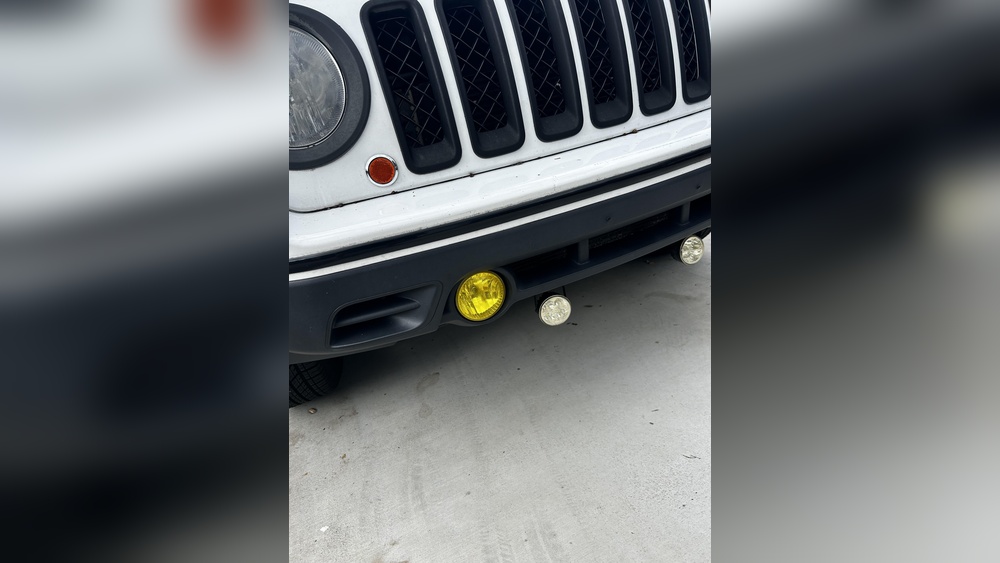
Wiring fog lights to your Jeep Wrangler can change night driving, off-road adventures, and foggy mornings. Many drivers struggle with unclear instructions or fear damaging their vehicle’s electrical system. But if you follow the right steps, wiring fog lights is a practical upgrade you can do yourself. Whether you drive a JK, JL, or older TJ model, this guide shows you how to wire Jeep Wrangler fog lights safely, with real examples and tips that beginners often miss.
Why Add Fog Lights To Your Jeep Wrangler?
Fog lights help you see better in poor weather. They shine low and wide, so they cut through fog, rain, and dust without blinding other drivers. Adding fog lights can:
- Improve safety in bad weather
- Make off-road driving easier at night
- Give your Jeep a tougher look
A study by the Insurance Institute for Highway Safety shows that extra lighting can reduce accidents by up to 15% in low-visibility conditions. That’s a real benefit for anyone who drives in fog, snow, or rural areas.
Tools And Materials You Need
Before you start wiring, gather these items:
- Fog lights kit (with mounting hardware)
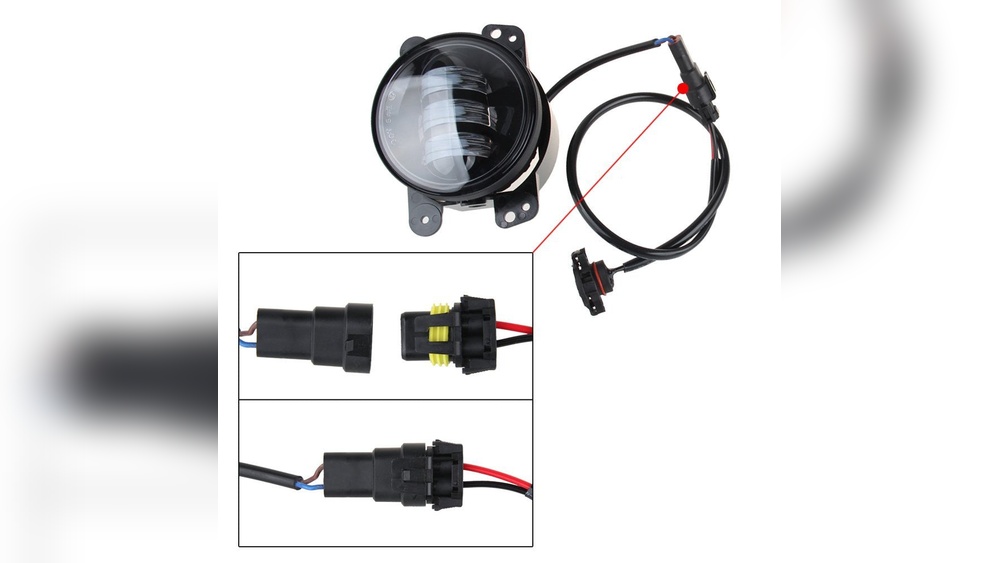
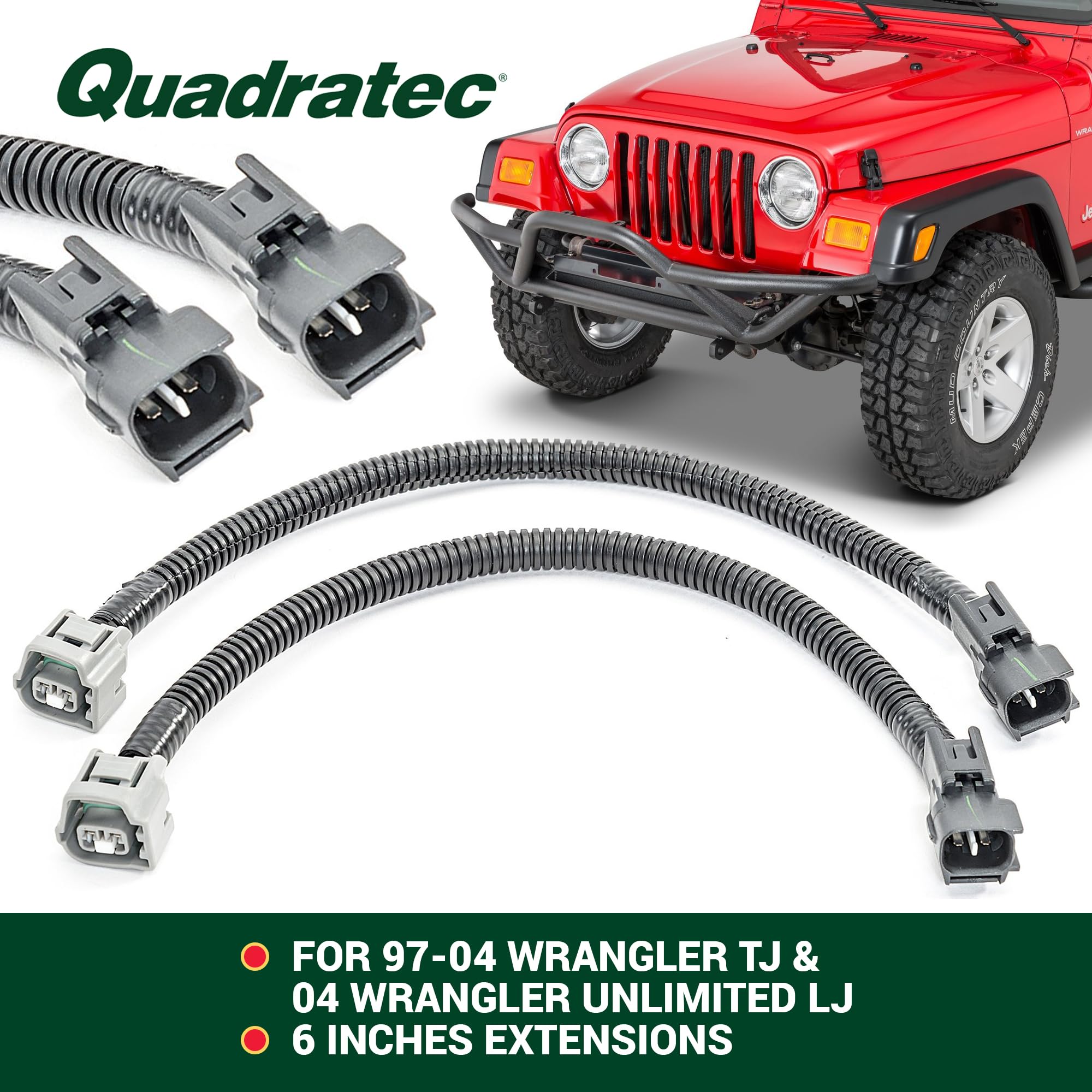
- Wiring harness (usually included in kits)
- Relay (12V, 30/40A)
- Switch (for the dashboard)
- Fuse (15A–20A recommended)
- Wire strippers and cutters
- Electrical tape and zip ties
- Socket set and screwdriver
Always check your fog light kit for instructions and make sure the harness matches your Jeep model. Some kits are plug-and-play, but most require basic wiring.
Step-by-step Wiring Instructions
Wiring fog lights is easier if you break it into clear steps. Let’s walk through the process.
Mount The Fog Lights
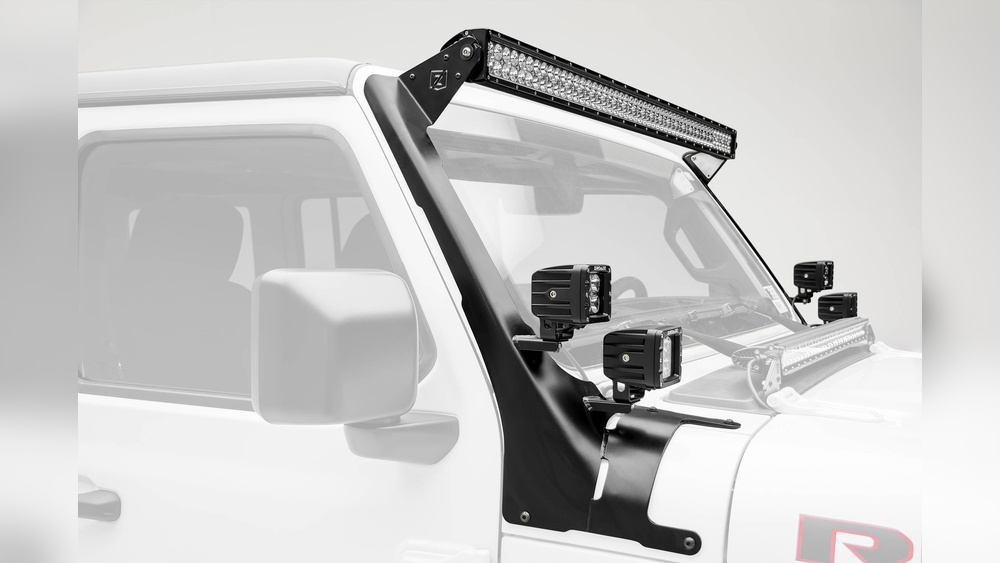
First, attach the fog lights to your Jeep’s bumper or grille. Use the brackets provided and tighten all bolts. Make sure the lights are aimed low and outward. If you’re not sure where to mount them, check your Jeep’s manual or look at factory fog light locations.
Connect The Wiring Harness
Most fog light kits include a wiring harness that connects the lights, relay, switch, and battery. Here’s how to wire it:
- Plug the harness into each fog light.
- Route the wires neatly along the bumper, away from hot parts and moving components.
- Secure wires with zip ties.
Wire The Relay And Fuse
Relays protect your electrical system by handling high current. The fuse prevents overloads.
- Attach the relay to the harness (usually labeled).
- Mount the relay close to the battery but away from moisture.
- Connect the fuse holder to the harness’s power wire.
Use this simple wiring diagram for reference:
| Component | Connection Point |
|---|---|
| Fog Light | Harness Output |
| Relay | Harness Relay Socket |
| Fuse | Power Wire (Battery +) |
| Switch | Dash or Console |
| Ground | Chassis or Battery – |
Connect To The Battery
Find the positive terminal on your battery. Connect the harness’s power wire (with fuse) to it. For ground, use a clean metal spot on your Jeep’s chassis or the battery’s negative terminal.
Install The Switch
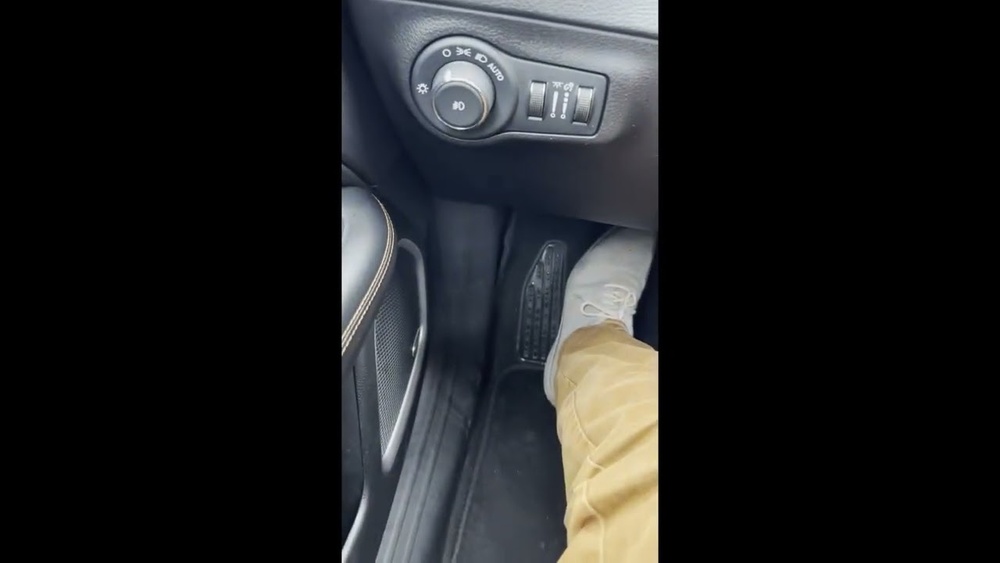
Mount the switch on your dashboard. Drill a small hole if needed. Connect the switch wires (usually labeled “input” and “output”) to the harness and relay.
Test The System
Before you finish, check your work:
- Turn on the Jeep’s ignition.
- Flip the fog light switch.
- Make sure both lights turn on and off.
If the lights don’t work, double-check all connections, fuse, and relay. Most issues are simple—a loose wire or a missing ground.
Common Mistakes And How To Avoid Them
Beginners often miss these important points:
- Wrong fuse rating: Always use a fuse that matches your fog lights’ wattage. Too small, and it will blow; too large, and you risk damage.
- Poor grounding: If you don’t ground the system well, the lights will flicker or not work.
- Wire routing: Keep wires away from heat (exhaust, radiator) and moving parts (fan, steering).
This quick comparison table shows the difference between factory and aftermarket fog light wiring:
| Type | Wiring Complexity | Switch Location | Relay/Fuse Needed |
|---|---|---|---|
| Factory | Plug-and-play | OEM Dash | Usually Built-in |
| Aftermarket | Manual Wiring | Custom Dash | Always Required |

Jeep Model Differences
Not all Jeep Wranglers are wired the same. Here’s how models compare:
| Model | Fog Light Compatibility | OEM Harness Present |
|---|---|---|
| TJ (1997–2006) | Limited; needs custom wiring | No |
| JK (2007–2018) | Wide; many kits fit | Sometimes |
| JL (2018–present) | Most kits fit | Yes |
Check your Jeep’s year before buying a kit. If you own a TJ, expect to run extra wires. For newer JL models, the process is faster and easier.
Real-world Tips
- Use heat shrink tubing for weatherproofing connections.
- Plan your wiring route before you start.
- Buy a switch with a built-in light, so you know when fog lights are on.
One mistake many Jeep owners make is not disconnecting the battery before wiring. Always disconnect the battery’s negative terminal to prevent shocks or shorts.
If you need more details on vehicle lighting laws and safety, check the National Highway Traffic Safety Administration.

Frequently Asked Questions
Can I Wire Fog Lights Without A Relay?
No, a relay is needed to handle the high current safely. Without it, the switch could burn out, or wiring might overheat.
What Fuse Size Should I Use For Jeep Wrangler Fog Lights?
Use a 15A–20A fuse for most fog light kits. Always check your lights’ wattage and follow the manufacturer’s recommendations.
Is There A Difference Between Led And Halogen Fog Lights?
Yes. LED fog lights use less power and last longer, but wiring is similar. Halogen lights may require a higher fuse rating.
How Long Does Installation Take?
For most Jeep Wranglers, installation takes 1–2 hours. Older TJ models may take longer due to custom wiring needs.
Will Adding Fog Lights Void My Jeep’s Warranty?
If you use a plug-and-play kit and don’t cut factory wires, your warranty is usually safe. Always check with your dealer before starting.
Wiring fog lights on your Jeep Wrangler is a practical project that boosts safety and style. With the right tools, careful steps, and smart tips, you’ll improve your driving experience and stay safe in any weather.