Draining the fuel tank of a 2000 Jeep Grand Cherokee is not a common task for most drivers. But sometimes, you need to do it—maybe for repairs, replacing the fuel pump, or removing contaminated fuel. If you’re thinking about tackling this job yourself, you need clear steps and safety tips. While the process isn’t too complicated, it does require some tools, patience, and careful handling. Let’s walk through everything you need to know, from preparation to finishing the job safely.
Why Drain Your Fuel Tank?
Most owners drain their fuel tank for a few reasons:
- Contaminated fuel: Water, dirt, or wrong fuel type.
- Fuel pump replacement: Accessing and replacing the pump.
- Storage or repairs: Vehicle is being stored or worked on.
Even small issues, like dirty fuel, can cause engine trouble. Removing old or contaminated fuel can help prevent damage and improve performance. Many mechanics recommend draining the tank before major repairs, especially if you suspect fuel problems.
Tools And Supplies Needed
Before starting, gather these essential items:
- Fuel siphon pump: Manual or electric, rated for gasoline.
- Safety goggles and gloves: Protects eyes and skin.
- Gas canisters: Approved for fuel storage, enough for the tank capacity (up to 20 gallons).
- Jack and jack stands: For safe access underneath.
- Socket set: For removing tank straps or covers.
- Absorbent pads: For spills.
Extra tip: A fire extinguisher rated for gasoline is smart to keep nearby.

Safety Precautions
Gasoline is highly flammable and dangerous. Follow these safety rules:
- Work outdoors or in a well-ventilated area.
- Keep all sources of flame, spark, or heat away.
- Wear protective gear—never skip gloves or goggles.
- Ground yourself to avoid static electricity.
- Store fuel in approved containers only.
Many beginners forget to disconnect the battery, which can prevent accidental sparks. Always disconnect the negative terminal before starting.
Step-by-step Guide To Draining The Tank
Draining the fuel tank can be done using a siphon pump or by accessing the fuel line. Here’s the practical way for most DIYers:
1. Siphoning Through The Fuel Filler
This method works if the tank isn’t empty and the fuel is accessible.
- Insert the siphon hose into the fuel filler neck until it reaches the tank.
- Pump the siphon to start flow.
- Direct gasoline into safe containers.
- Repeat until no more fuel comes out.
Most hoses won’t reach every drop. Usually, you can remove 80–90% of the fuel this way.
2. Accessing The Fuel Line
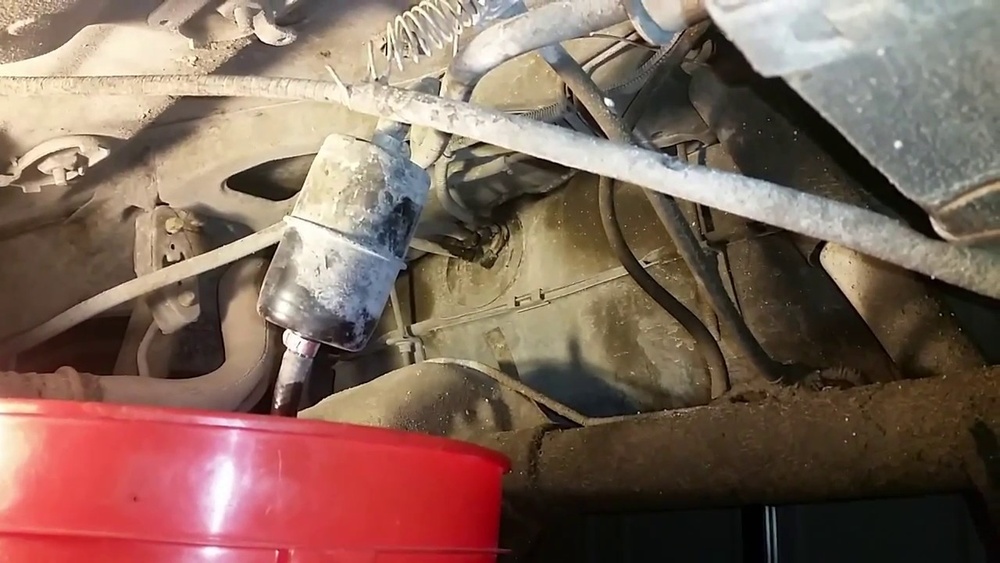
For a complete drain, go underneath:
- Lift the vehicle using a jack and secure with jack stands.
- Locate the fuel line leading to the fuel filter.
- Place a container under the line.
- Disconnect the line carefully (use a rag to catch drips).
- Allow fuel to drain until empty.
In some cases, you may need to remove the fuel tank if it’s being replaced. This adds steps: removing straps, lowering the tank, and draining manually.

Key Differences: Siphon Vs Fuel Line
Here’s a quick comparison to help you choose the best method:
| Method | Fuel Removal | Difficulty | Safety |
|---|---|---|---|
| Siphon Pump | 80–90% | Easy | Lower risk |
| Fuel Line | 100% | Moderate | Higher risk |
| Tank Removal | 100% | Difficult | Highest risk |
Common Mistakes To Avoid
Many beginners make these errors:
- Not wearing protective gear.
- Forgetting to disconnect the battery.
- Using the wrong size hose for siphoning.
- Not securing the vehicle properly.
- Letting fuel spill on the ground.
A less obvious mistake: not checking local laws for fuel disposal. Gasoline is hazardous—never pour it down drains or onto soil.
Practical Tips For Success
- Use a siphon pump with a clear hose so you can see fuel flow.
- If you struggle to reach the tank with a hose, try rotating it gently as you feed it in.
- Don’t rush—wait for all fuel to drain, even if it’s slow.
- Clean up spills immediately with absorbent pads.
Here’s a comparison of the time required for each method:
| Method | Approx. Time | Fuel Removal (%) |
|---|---|---|
| Siphon Pump | 30–45 minutes | 80–90% |
| Fuel Line | 45–60 minutes | 100% |
| Tank Removal | 90–120 minutes | 100% |
What To Do After Draining
Once the fuel tank is empty:
- Reconnect any fuel lines you disconnected.
- If you removed the tank, reinstall it securely.
- Dispose of old fuel properly (ask your local auto shop or recycling center).
- Check for leaks before starting the engine.
If you plan to add new fuel, wait a few minutes for any residue to evaporate.
When To Seek Professional Help
If you’re not comfortable working under the vehicle or your tank has unusual fittings, it’s best to ask a mechanic. Some tanks have anti-siphon devices that block hoses, making DIY draining difficult. A professional can handle these safely and quickly.
For more details on safe fuel handling, visit the EPA’s Safer Choice guidelines.
Frequently Asked Questions
How Much Fuel Does A 2000 Jeep Grand Cherokee Tank Hold?
The tank holds about 20 gallons (75 liters) of gasoline.
Can I Drain The Tank Without Removing It?
Yes, using a siphon pump or by disconnecting the fuel line, you can drain most or all of the fuel without removing the tank.
What Happens If I Spill Gasoline?
Gasoline spills are dangerous. Clean up immediately with absorbent pads and ventilate the area. Never leave spills unattended.
Is It Safe To Drain The Tank Myself?
If you follow all safety precautions and use the right tools, it’s safe for most people. If unsure, get help from a mechanic.
How Do I Dispose Of Old Fuel?
Take it to a local hazardous waste facility or ask your auto repair shop. Never pour gasoline down drains or onto the ground.
Draining your 2000 Jeep Grand Cherokee’s fuel tank doesn’t have to be risky or difficult if you work carefully. Always prioritize safety, use the right tools, and follow local regulations for fuel disposal. With the right approach, you can finish the task confidently and keep your vehicle running smoothly.