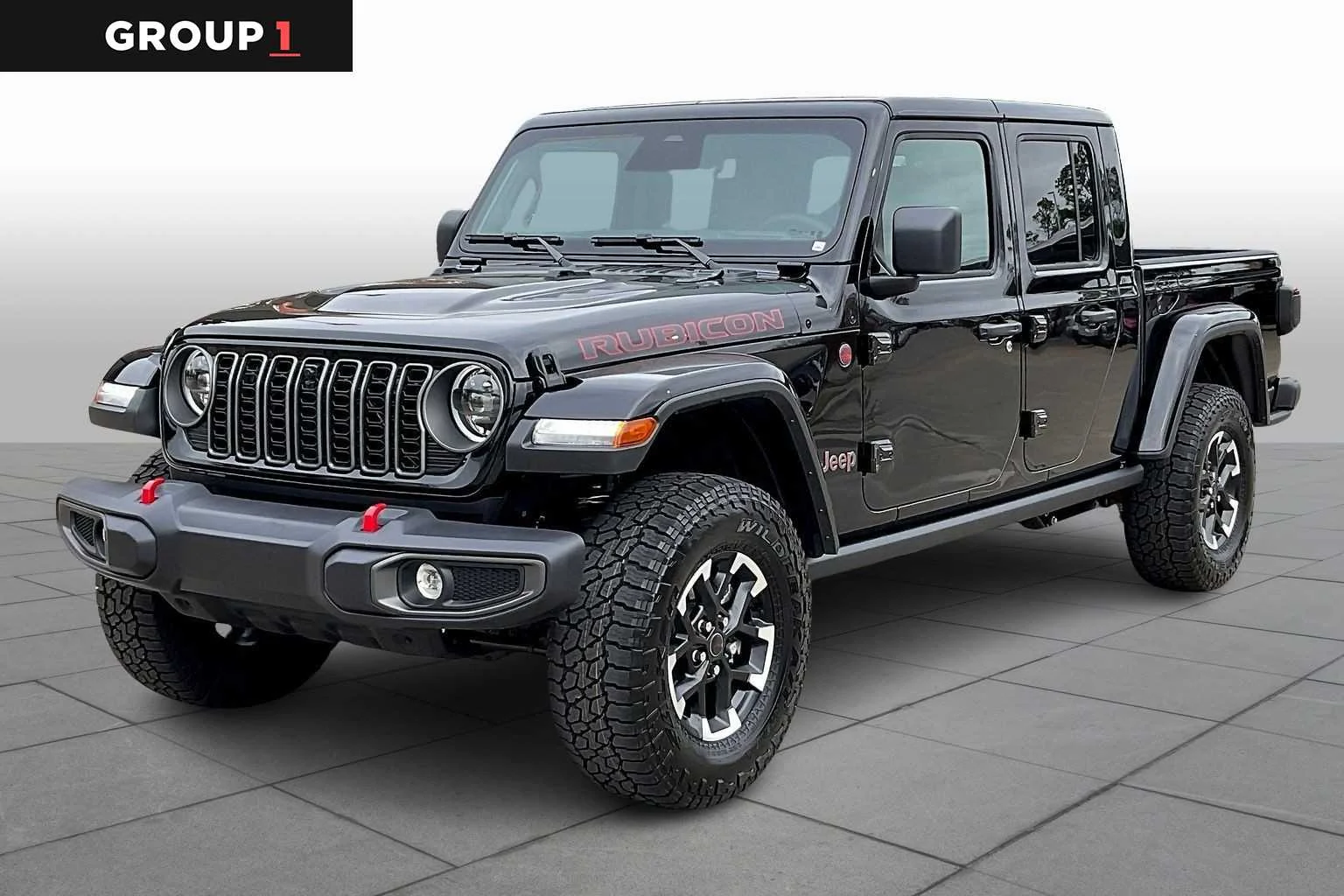
The Jeep Gladiator stands out as a rugged pickup with off-road ability, classic looks, and the charm of a Jeep. But while many people love its tough image and features, the Gladiator also comes with real negatives you should know before buying. If you’re thinking about a Jeep Gladiator, understanding its drawbacks can save you from unexpected disappointments. In this article, we’ll look at the main downsides of the Gladiator, using real data, comparisons, and practical examples so you can make a smart decision.
Ride Quality: Not Smooth For Daily Use
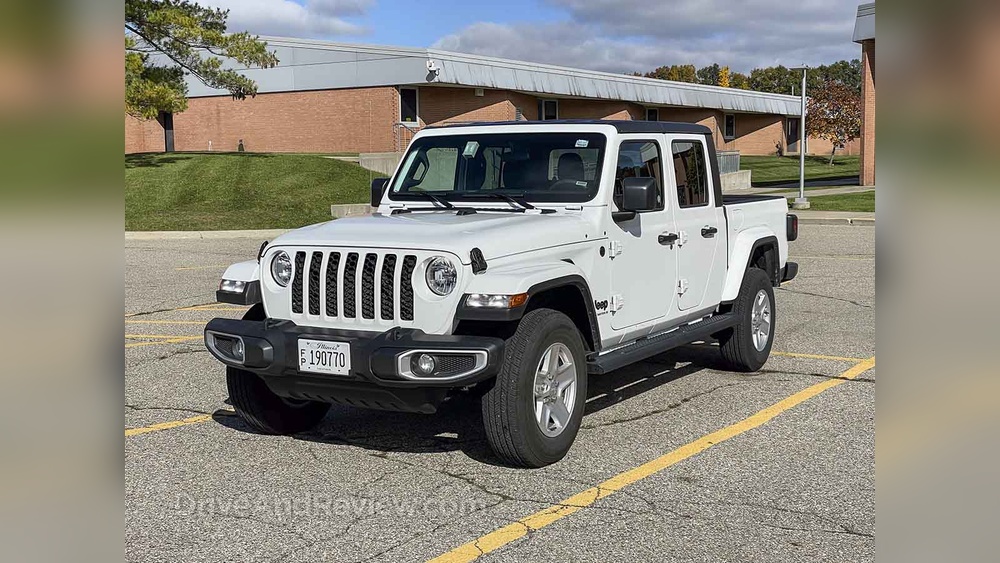
The Gladiator uses a solid axle suspension, similar to the Jeep Wrangler. This setup is great for off-roading, but it hurts comfort on city roads and highways. Drivers often report a bouncy ride, especially on uneven surfaces. The steering can feel loose compared to other trucks.
If you compare the Gladiator to other midsize pickups, the difference is clear:
| Truck Model | Suspension Type | Ride Comfort (1-10) |
|---|---|---|
| Jeep Gladiator | Solid Axle | 6 |
| Toyota Tacoma | Independent Front | 8 |
| Ford Ranger | Independent Front | 8 |
For daily driving, especially long commutes, the Gladiator’s ride is noticeably less comfortable. This is something many beginners overlook, expecting Jeep’s off-road features to not affect regular driving.
Fuel Economy: Thirsty Engine
The Gladiator’s main engine, a 3.6L V6, is reliable but not efficient. According to EPA data, most Gladiator models get about 17 mpg city / 22 mpg highway. This is below average for midsize trucks.
Let’s compare fuel economy with other popular pickups:
| Model | City MPG | Highway MPG | Combined MPG |
|---|---|---|---|
| Jeep Gladiator | 17 | 22 | 19 |
| Chevrolet Colorado | 20 | 25 | 22 |
| Honda Ridgeline | 18 | 24 | 21 |
If you drive often or have long trips, the Gladiator’s poor fuel economy means higher costs. Many new buyers are surprised by how quickly fuel expenses add up.

Price: Expensive Compared To Rivals
The Gladiator’s starting price is higher than most other midsize pickups. In 2024, the base Sport trim starts at around $39,000, while well-equipped models can easily reach $50,000 or more.
Here’s a comparison of starting prices:
| Truck | Starting Price (USD) |
|---|---|
| Jeep Gladiator | $39,000 |
| Toyota Tacoma | $29,000 |
| Ford Ranger | $28,000 |
| Chevrolet Colorado | $29,500 |
You’re paying extra for the Jeep name and unique features, but you get less standard equipment compared to rivals at similar prices. Many buyers don’t realize they need to pay more for basic features like heated seats or advanced safety.
Payload And Towing: Not The Best
While the Gladiator is a pickup, its payload and towing numbers are lower than many competitors. The maximum towing capacity is about 7,700 lbs (with the right options), but most models are rated lower. Payload (how much weight you can carry in the bed) is between 1,100 – 1,700 lbs, depending on trim.
Other trucks offer more:
- Toyota Tacoma: Up to 6,800 lbs towing, 1,685 lbs payload
- Ford Ranger: Up to 7,500 lbs towing, 1,860 lbs payload
If you need a work truck for heavy loads or frequent towing, the Gladiator is not the strongest choice.
Interior Noise And Comfort
The Gladiator’s cabin feels more like an SUV than a truck, but it’s noisy at highway speeds. Wind and road sounds are louder compared to rivals. The removable roof and doors, while fun, let in more noise and sometimes leaks.
Seats are upright and firm, which is good for off-roading but less comfortable for daily use. The rear seats are also smaller, making long trips harder for passengers.
Reliability And Maintenance Costs
Jeep has a reputation for average reliability. Owners report more issues with electrical systems and minor parts compared to Toyota or Ford. According to the 2023 J. D. Power survey, Jeep ranked below the industry average for dependability.
Maintenance costs are also higher. Oil changes, brakes, and basic repairs tend to cost more due to Jeep’s parts and service prices. Many new owners don’t realize these extra costs, which can add up over a few years.
Practical Insights Beginners Miss
- Low Bed Height: The Gladiator’s bed is tall, making it harder to load heavy items. Many pickups have lower beds for easier access.
- Turning Radius: The Gladiator’s long wheelbase means a wide turning circle. Parking and making sharp turns can be tricky.
- Technology Gaps: Basic trims lack advanced safety features like lane keeping or adaptive cruise, while other trucks offer them standard.
Frequently Asked Questions
Is The Jeep Gladiator Good For City Driving?
The Gladiator can be driven in the city, but its large size, wide turning radius, and bumpy ride make it less ideal for tight urban spaces and daily commutes.
How Does The Gladiator Handle Off-road?
It performs very well off-road thanks to solid axles, high ground clearance, and special 4×4 systems. However, its long wheelbase can limit maneuverability on some trails.
Is The Gladiator Expensive To Repair?
Yes, maintenance and repair costs are higher than average. Parts are more expensive and some repairs need specialized Jeep knowledge.
What Is The Main Difference Between Gladiator And Other Midsize Pickups?
The Gladiator offers unique features like a removable roof, classic Jeep styling, and strong off-road ability. But it loses points in comfort, fuel economy, and price.
Does The Gladiator Hold Its Value?
Jeep models generally have average resale value. The Gladiator is new, so long-term data is limited, but early reports show it holds value better than some rivals but worse than the Toyota Tacoma.
The Jeep Gladiator is a unique pickup for people who want adventure and Jeep style. But its negatives—like rough ride, high price, noisy cabin, and average reliability—are real. If you need a comfortable, efficient, or heavy-duty truck, consider other options first. Always test drive and compare before deciding. For more stats and expert reviews, see the official Jeep Gladiator page.