Is A Jeep A Suv
When you hear the word “Jeep,” what comes to mind? For many, it’s a tough vehicle climbing rocky trails or crossing muddy roads. But there’s often confusion: Is a Jeep a SUV? The answer is not as simple as it seems. Let’s break down what makes a vehicle a SUV, where the Jeep brand fits in, and what really sets these vehicles apart.
What Makes A Vehicle A Suv?
The term SUV stands for “Sport Utility Vehicle.” Originally, SUVs were built on truck frames, giving them strong bodies and the ability to handle rough terrain. Today, the definition is wider. Most experts agree that SUVs share these features:
- Higher ground clearance than standard cars
- Raised seating position for better road view
- Four-wheel drive or all-wheel drive (often, but not always)
- More cargo space than sedans or hatchbacks
- Designed for both city and off-road use
But not every SUV is the same. Some, like the Toyota RAV4, are built mainly for city driving. Others, like the Ford Bronco, are more focused on off-road adventures.
The History Of Jeep
The name “Jeep” actually started as a military vehicle in the 1940s. The US Army wanted a light 4×4 vehicle for World War II, and the result was the Willys MB. Soldiers called it “Jeep,” and the name stuck. After the war, Willys began making civilian versions—the CJ series—which led to today’s Jeep brand.
Jeep is now a brand owned by Stellantis (previously Fiat Chrysler Automobiles). Over the years, Jeep became famous for building rugged, go-anywhere vehicles. But as car buyers changed, Jeep began offering more comfortable and stylish models, too.
Are All Jeeps Suvs?
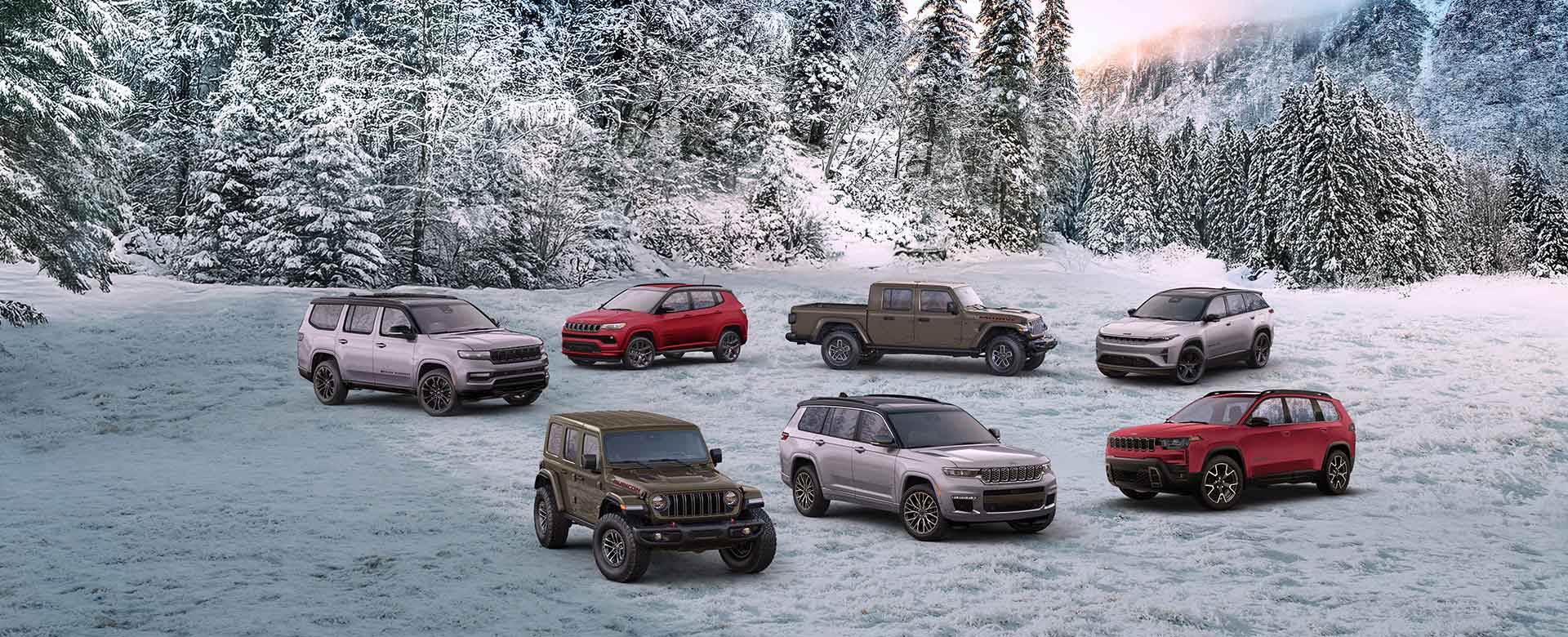
Not every Jeep is a SUV by the traditional definition, but most are. Here’s how Jeep’s main models fit in:
| Model | SUV Type | Main Use |
|---|---|---|
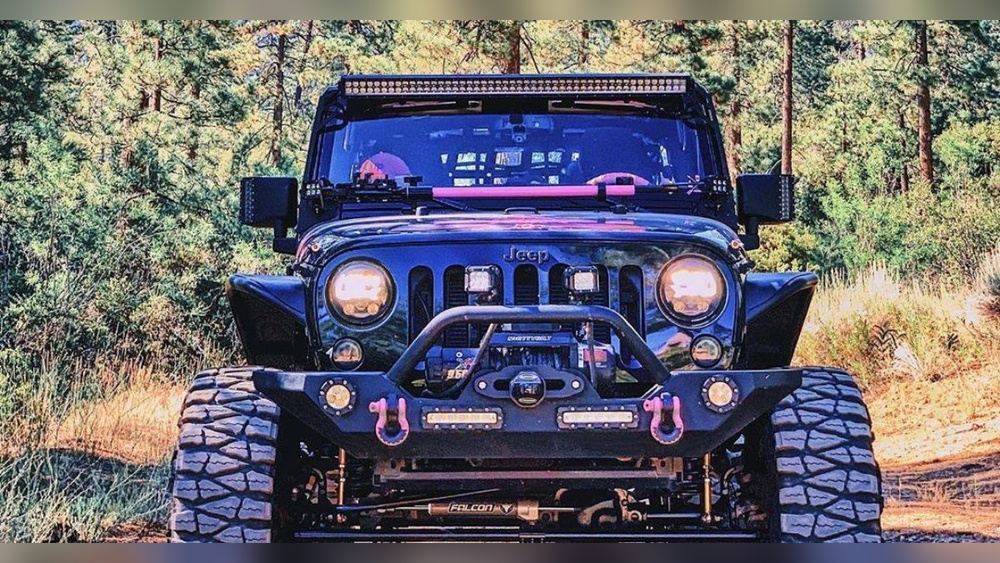
| Wrangler | Off-road SUV | Adventure, trail, outdoor |
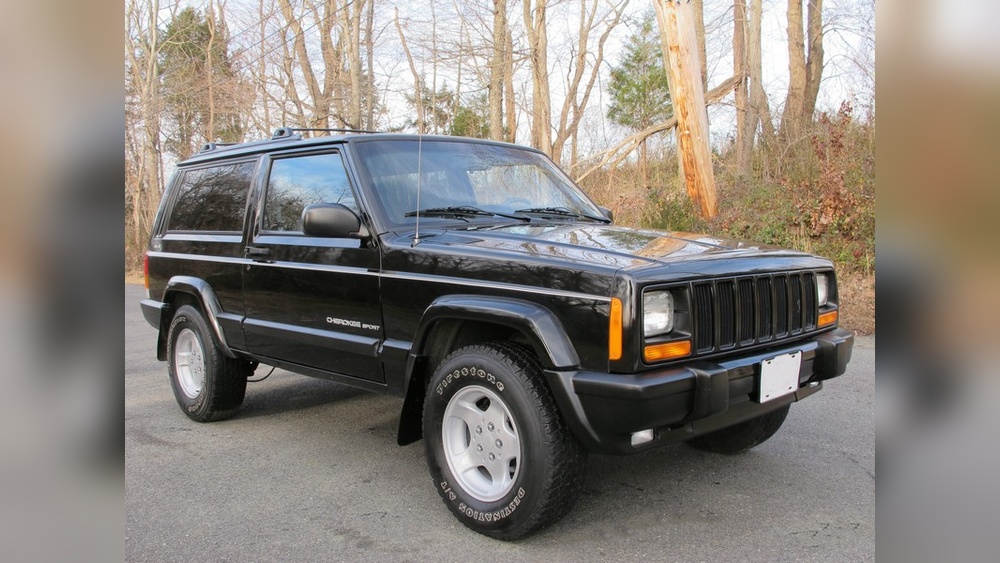
| Cherokee | Compact SUV | City and highway |
| Grand Cherokee | Mid-size SUV | Family, comfort, towing |
| Compass | Small SUV | Urban, daily driving |
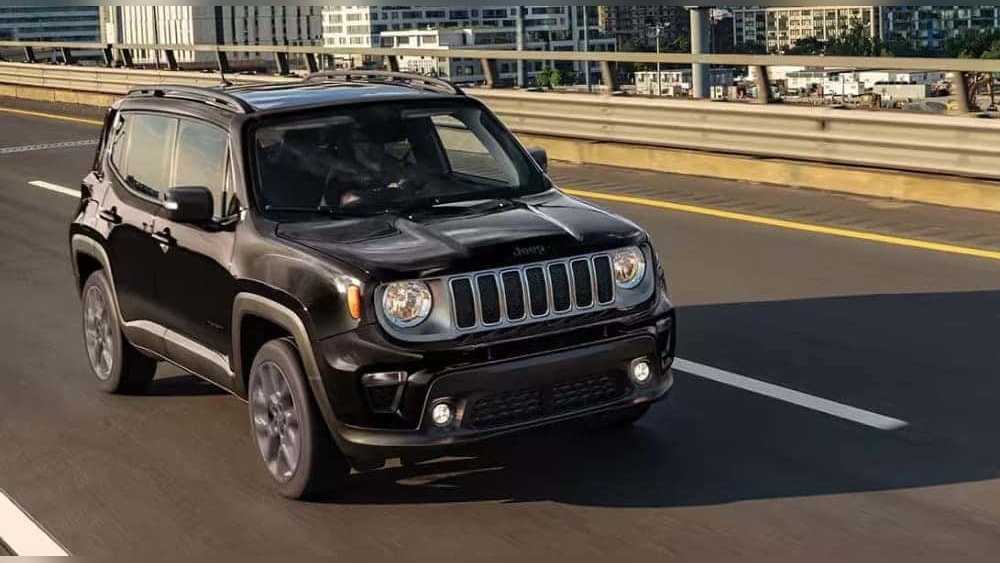
| Renegade | Subcompact SUV | City, light off-road |
| Gladiator | Pickup truck | Towing, off-road, utility |
Notice the Jeep Gladiator is a pickup truck, not a SUV. But the rest of the lineup fits the SUV category, with different sizes and features for different needs.
How Jeep Suvs Compare To Other Brands
Jeep has a strong image, but how do its SUVs stand out from other brands? Let’s compare some key factors:
| Brand | Off-Road Capability | Comfort | City Driving |
|---|---|---|---|
| Jeep | Excellent (Wrangler, Grand Cherokee) | Good to Excellent | Good (Compass, Renegade) |
| Toyota | Good (4Runner), Average (RAV4) | Excellent | Excellent |
| Ford | Very Good (Bronco) | Good | Very Good |
| Honda | Average | Excellent | Excellent |
Jeep is known for its off-road capability, thanks to features like four-wheel drive, skid plates, and high ground clearance. However, some models like the Renegade or Compass are designed for daily city use and are less rugged.

Key Features That Make Jeep Suvs Unique
Jeep’s SUV models have some features that set them apart:
- Trail Rated® Badge: This means the vehicle passed tests for traction, water fording, maneuverability, articulation, and ground clearance. Not every Jeep has this badge, but the Wrangler always does.
- Removable Tops and Doors: The Wrangler offers the option to remove its roof and doors—a rare feature in the SUV market.
- Iconic Design: The seven-slot grille and boxy shape make Jeeps instantly recognizable.
- Aftermarket Support: There’s a huge market for Jeep parts and accessories, making customization easy.
Beginners often miss that not all Jeep SUVs are built for serious off-roading. Some, like the Grand Cherokee L, focus on luxury and comfort, with advanced tech and smooth rides.
Common Misconceptions About Jeeps And Suvs
Many people believe every Jeep can handle tough off-road trails. In reality, there’s a big difference between models. For example:
- The Jeep Wrangler is famous for off-road adventures.
- The Jeep Compass and Renegade are better for city streets and light off-road use.
Another misconception is that all SUVs are built the same way. Some use body-on-frame construction (stronger for off-road), while others use unibody frames (smoother ride, better fuel economy). Jeep SUVs use both types, depending on the model.
Should You Choose A Jeep If You Want A Suv?
If you want a SUV for daily driving, family trips, or commuting, Jeep has options. The Cherokee, Compass, and Grand Cherokee are popular choices. If you want true off-road strength, the Wrangler stands out.
However, consider these points before you buy:
- Fuel economy: Many Jeep SUVs use more gas than smaller crossovers.
- Maintenance: Off-road models like the Wrangler may need more care.
- Ride comfort: Some Jeeps, especially older Wranglers, have a rougher ride than city-focused SUVs.
Still, many drivers choose Jeeps for their style, capability, and strong community.
How Jeeps Are Classified Officially
Officially, US government agencies and most auto industry guides classify most Jeep models as SUVs. For example, the Environmental Protection Agency (EPA) lists the Wrangler, Cherokee, and Grand Cherokee as SUVs. Only the Gladiator is classified as a truck.
If you want to check official classifications, the EPA Green Vehicle Guide offers up-to-date information.

Frequently Asked Questions
Is Every Jeep Model A Suv?
No, most are SUVs, but the Jeep Gladiator is a pickup truck. The rest, like Wrangler, Cherokee, and Compass, are classified as SUVs.
What Makes Jeep Suvs Different From Other Suvs?
Jeep SUVs are famous for off-road features and rugged design. Many have four-wheel drive, higher ground clearance, and the Trail Rated® badge.
Are Jeep Suvs Good For City Driving?
Yes, models like the Compass and Renegade are designed for city and highway use. They are smaller, easy to park, and have good fuel economy.
Can All Jeep Suvs Go Off-road?
No, only certain models like the Wrangler and some versions of the Grand Cherokee are designed for serious off-road driving. Others are better for city use.
Do Jeeps Cost More To Maintain Than Other Suvs?
Some Jeep models, especially off-road ones, may have higher maintenance costs. Regular care and parts can be more expensive than for basic SUVs.
Choosing a Jeep means choosing a vehicle with a rich history and unique style. Whether you need a city SUV or a trail-ready adventure machine, Jeep likely has an option that fits your needs.