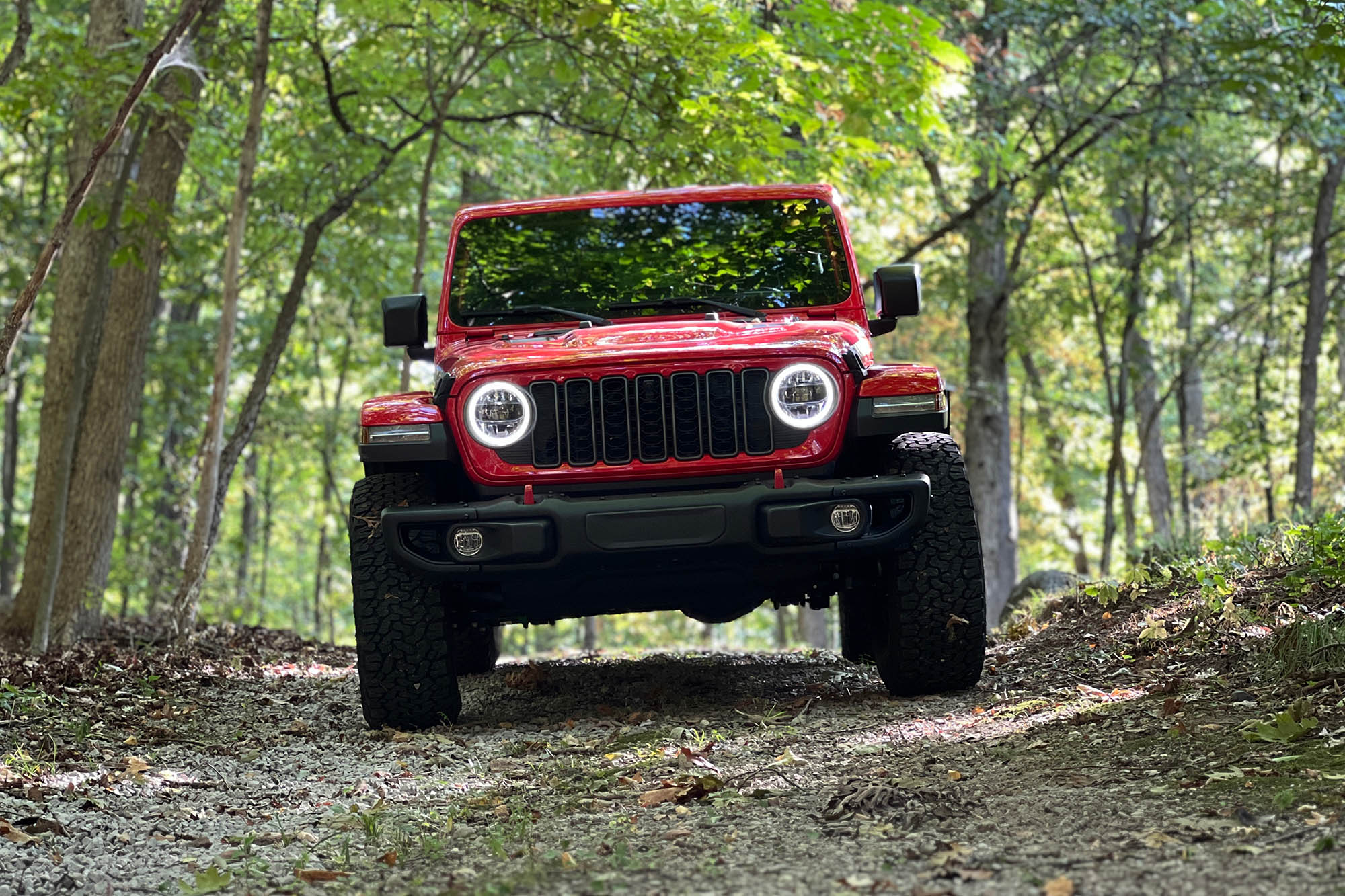
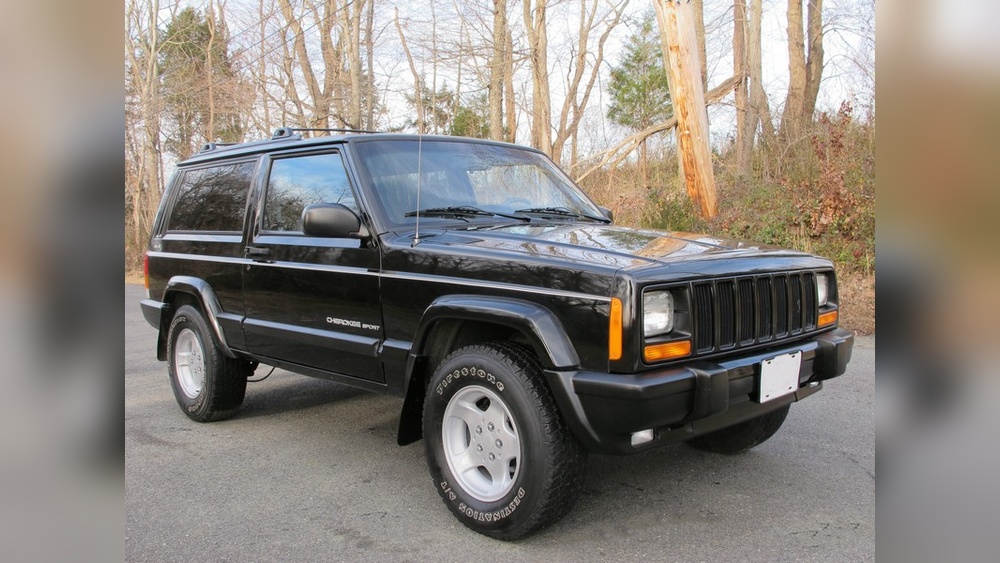
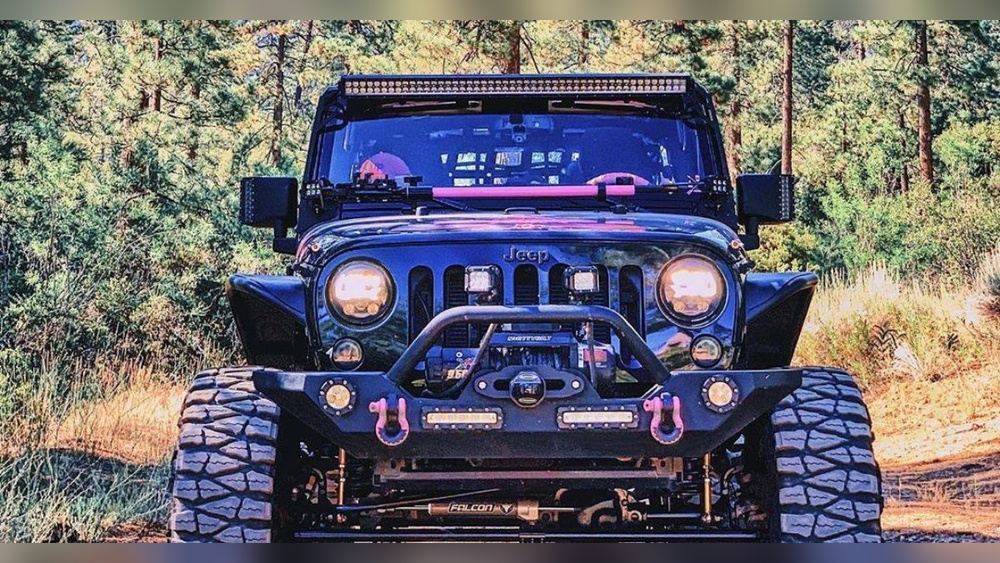
The Jeep Wrangler 2 Door is a classic off-road SUV that attracts drivers looking for adventure and style. But with gas prices rising, fuel economy is now a bigger concern for many buyers. If you’re thinking about owning a 2-door Wrangler or already have one, understanding its real fuel economy is important. This article explains what you can expect from the Wrangler 2 Door’s fuel consumption, why it performs the way it does, and how you might improve your mileage.
What Affects Jeep Wrangler 2 Door Fuel Economy?
Several factors shape how many miles per gallon (mpg) you’ll get from a Wrangler 2 Door. The most important are:
- Engine type (gas, diesel, or hybrid)
- Transmission (manual or automatic)
- Driving habits (city vs. highway)
- Tires and modifications
- Weight and cargo
One thing is clear: The Wrangler is not built for maximum fuel efficiency. Its boxy design, heavy frame, and off-road features make it less aerodynamic and heavier than most other SUVs. But the 2-door model, being lighter and shorter, usually does a little better on gas than the 4-door.
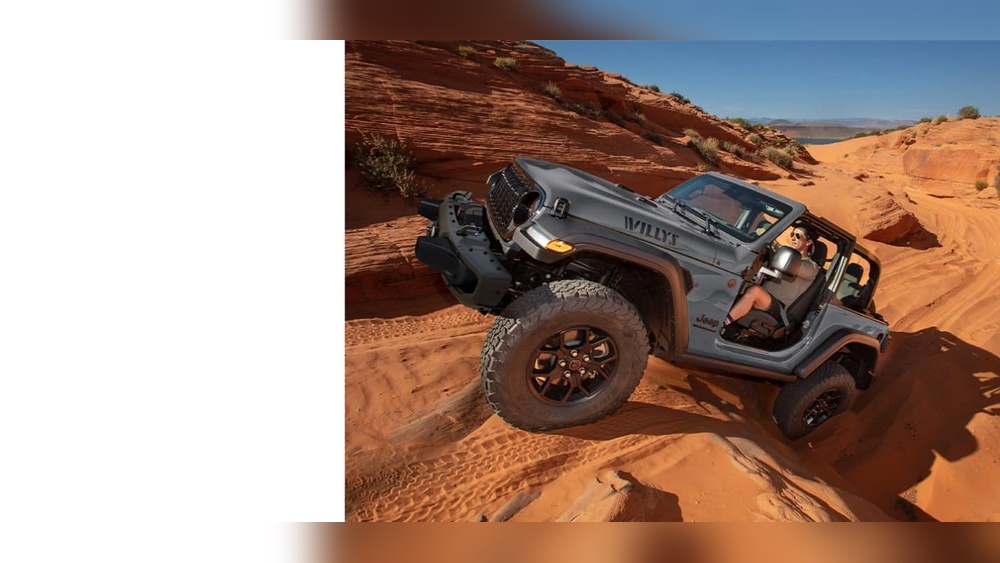
Jeep Wrangler 2 Door: Mpg Ratings By Engine
The most recent Jeep Wrangler 2 Door models offer several engine choices. Each one has different fuel economy ratings. Here’s a look at the EPA-estimated mpg for popular engines in the 2023 and 2024 models:
| Engine | Transmission | City MPG | Highway MPG | Combined MPG |
|---|---|---|---|---|
| 3.6L V6 (Gas) | Manual | 17 | 25 | 20 |
| 3.6L V6 (Gas) | Automatic | 18 | 23 | 20 |
| 2.0L Turbo (Gas) | Automatic | 21 | 24 | 22 |
These numbers are from the official EPA ratings, but real-world results may be lower, especially if you add bigger tires or drive aggressively.
Real-world Wrangler 2 Door Fuel Economy
Drivers often notice their actual mpg is lower than EPA estimates, especially when using the Wrangler for its main purpose: off-roading or city driving with lots of stops. Some owners report getting 16-18 mpg in mixed driving. Highway trips, with steady speeds, usually give the best results.
To help you compare, here’s how the Wrangler 2 Door stacks up against similar SUVs:
| Model | Engine | Combined MPG |
|---|---|---|
| Jeep Wrangler 2 Door (2.0L Turbo) | Gas | 22 |
| Ford Bronco 2 Door (2.3L EcoBoost) | Gas | 20 |
| Toyota 4Runner (4.0L V6) | Gas | 17 |
The Wrangler 2 Door is not the most fuel-efficient SUV, but it often performs better than larger off-road vehicles.
Practical Tips To Improve Fuel Economy
If you want to save on gas, a few simple changes can make a real difference:
- Check your tire pressure often. Low tires cause the engine to work harder.
- Lighten your load. Remove unnecessary cargo and roof racks.
- Drive smoothly. Avoid sudden stops and starts.
- Stay in 2WD when you don’t need 4WD—using 4WD increases fuel use.
- Keep speeds moderate. The Wrangler’s shape creates a lot of wind resistance at high speeds.
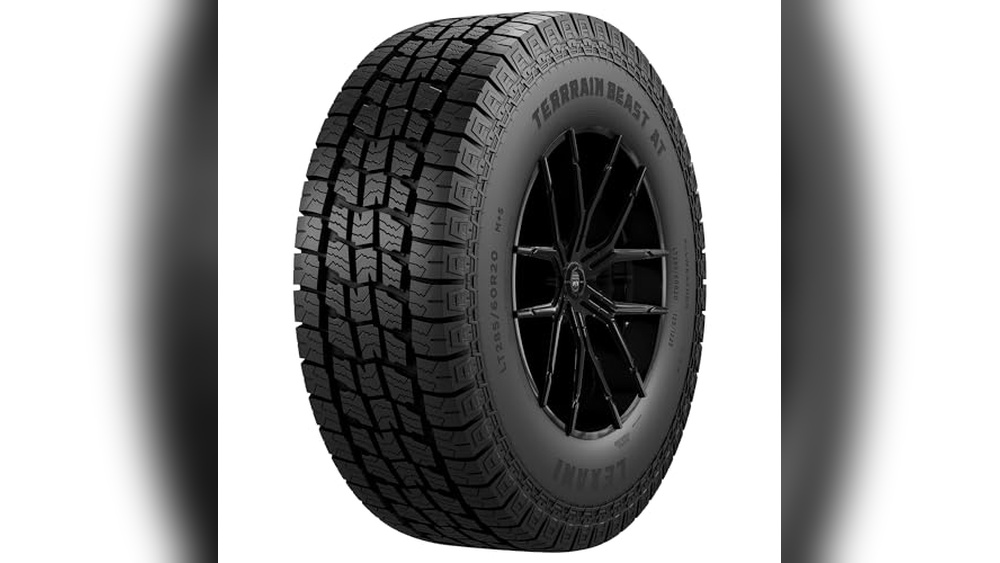
Many new Wrangler owners overlook the impact of larger tires and lift kits. These changes look great but can drop your mpg by 2–4 points. If you modify your Jeep, expect your fuel costs to rise.

Wrangler 2 Door Vs. 4 Door: Fuel Economy
You might wonder if the 2-door is better than the 4-door. In most cases, the answer is yes—by a small margin. The 2-door is lighter and shorter, which means less weight for the engine to move. Here’s a quick comparison:
| Model | Engine | Combined MPG |
|---|---|---|
| Wrangler 2 Door (3.6L V6 Auto) | 3.6L V6 | 20 |
| Wrangler 4 Door (3.6L V6 Auto) | 3.6L V6 | 19 |
The difference is not huge, but for drivers who want the best possible Wrangler mpg, the 2-door has a slight edge.
Some Wrangler owners miss a few less obvious things that hurt fuel economy:
- Short trips: The engine uses more fuel before it warms up. Lots of short drives can lower your average mpg.
- Off-road features: Heavy bumpers, winches, and skid plates add weight. Even if you rarely use them, you still pay at the gas pump.
- Idling: Letting your Jeep idle for long periods (warming up, waiting in line) uses more gas than most people realize.
Understanding these details helps you get realistic expectations and control your costs.

Is The Wrangler 2 Door Fuel Economy Right For You?
The Jeep Wrangler 2 Door is about fun and adventure, not record-setting mpg. But if you want a capable off-road SUV with better city handling and slightly lower gas costs than the 4-door, it’s a good choice. Just remember: Every Wrangler is a trade-off between performance and economy. If fuel costs are your top concern, there are better options. But if you love the Wrangler experience, a few smart habits can help you make the most of every gallon.
For more technical details and official ratings, check the U.S. Department of Energy’s fuel economy site.
Frequently Asked Questions
How Far Can A Jeep Wrangler 2 Door Go On A Full Tank?
The Wrangler 2 Door has a gas tank of about 17.5 gallons. With an average mpg of 20, you can expect around 350 miles per tank in mixed driving. Real range depends on driving style and conditions.
Does Off-roading Reduce Fuel Economy?
Yes, off-roading uses more fuel. Rough terrain, low speeds, and frequent use of 4WD or low gears all lower your mpg. Don’t be surprised if you get 10–14 mpg off-road.
Is The Manual Or Automatic Wrangler 2 Door More Efficient?
The automatic and manual transmissions are very close in fuel economy. In the latest models, the difference is usually 1 mpg or less. Driving habits make a bigger difference than transmission choice.
How Does The Wrangler 2 Door’s Mpg Compare To Other Jeeps?
The 2 Door Wrangler is usually more efficient than the 4 Door Wrangler but less efficient than smaller Jeeps like the Compass or Renegade. It’s built for off-road strength, not fuel savings.
Can I Use E85 Or Alternative Fuels In My Wrangler?
Most Wranglers are designed for regular gasoline. Only some special models can use E85. Always check your owner’s manual before trying alternative fuels. Using the wrong fuel can damage the engine and reduce mpg.
Choosing a Jeep Wrangler 2 Door means accepting its fuel economy as part of the package. With a little planning and smart driving, you can balance your love of adventure with today’s gas prices.