The Jeep Grand Cherokee is one of the most popular SUVs in the United States. It’s known for its reliability, comfort, and strong performance. But like any vehicle, the Grand Cherokee needs regular maintenance to stay in top shape. One important part of this maintenance is checking and changing the transmission fluid. Many owners don’t realize how crucial this step is, and skipping it can lead to expensive repairs. If you want your Jeep Grand Cherokee to run smoothly and last longer, understanding transmission fluid is a must.
What Does Transmission Fluid Do?
Transmission fluid is more than just a liquid inside your Jeep. It has several key jobs:
- Lubricates moving parts, reducing friction and wear
- Cools the transmission, preventing overheating
- Helps gears shift smoothly
- Protects against rust and corrosion
When the fluid gets old or dirty, it can’t do these jobs well. This leads to rough shifting, strange noises, and sometimes transmission failure. Most issues with the transmission start because people ignore the fluid.
Types Of Transmission Fluid Used In Jeep Grand Cherokee
Jeep Grand Cherokee models use different types of transmission fluid based on year and transmission type. Using the wrong fluid can cause serious damage. Here’s a clear comparison:
| Model Year | Transmission Type | Recommended Fluid |
|---|---|---|
| 1999–2004 | 4-Speed Automatic | ATF+4 |
| 2005–2010 | 5-Speed Automatic | ATF+4 |
| 2011–2013 | 6-Speed Automatic | ATF+4 |
| 2014–present | 8-Speed Automatic | ZF Lifeguard 8 |
Always check your owner’s manual to confirm the correct fluid type. Even a small mistake can cause shifting problems or internal damage.

When Should You Change Jeep Grand Cherokee Transmission Fluid?
Changing the transmission fluid at the right time is important. Jeep recommends changing fluid every 30,000 to 60,000 miles. However, your driving style and conditions can affect this. For example:
- If you drive in hot climates or tow heavy loads, change fluid closer to 30,000 miles.
- Light, highway driving may allow fluid changes at 60,000 miles.
Neglecting this interval is a common mistake. Many drivers wait until they notice problems, but by then, damage may already be done.
How To Check Transmission Fluid
Checking transmission fluid is easy, but many skip this step. Here’s how:
- Park your Jeep on a level surface.
- Let the engine run until it’s warm.
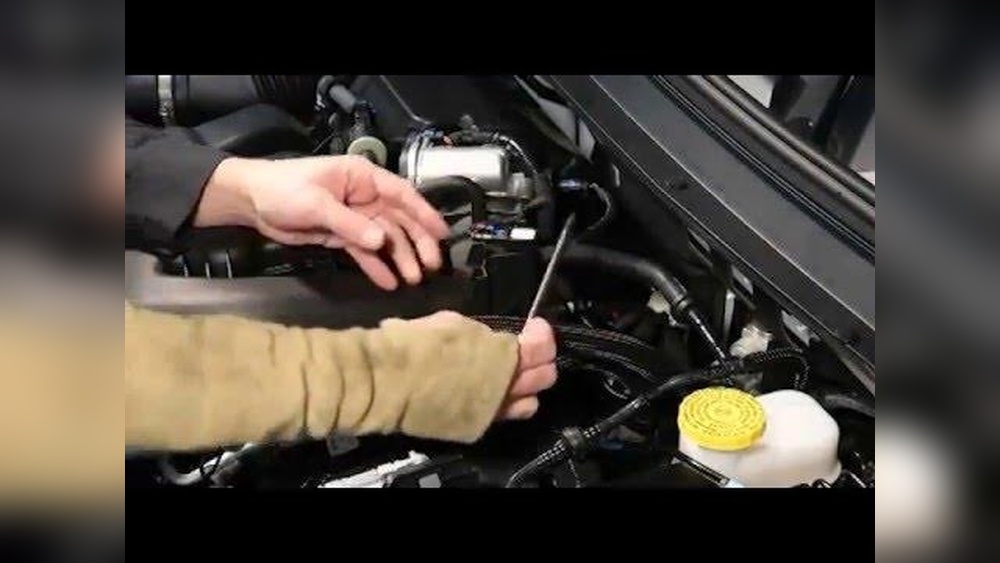
- Open the hood and locate the transmission dipstick (some newer models don’t have one).
- Pull the dipstick out, wipe it clean, and reinsert it.
- Pull it out again and check the fluid level and color.
The fluid should be pink or red and smell clean. If it’s dark brown, smells burnt, or is below the recommended line, it’s time for a change.

Transmission Fluid Change: Step-by-step Guide
Changing the fluid yourself can save money, but must be done carefully. Here’s a basic process for most Jeep Grand Cherokee models:
- Lift the vehicle and secure it safely.
- Place a drain pan under the transmission.
- Remove the transmission pan bolts and drain old fluid.
- Replace the transmission filter (if equipped).
- Clean the pan and install a new gasket.
- Reinstall the pan and bolts.
- Refill with recommended fluid type to the proper level.
A typical fluid change takes about 1–2 hours and needs 4–6 quarts of fluid, depending on model. If you’re unsure, it’s best to let a mechanic handle it.
Signs Your Transmission Fluid Needs Attention
Ignoring signs of bad transmission fluid is risky. Watch for these:
- Delayed shifting or rough gear changes
- Slipping gears
- Transmission overheating
- Unusual noises like whining or grinding
- Leaking fluid under the vehicle
If you notice these, check the fluid right away. Quick action can prevent expensive repairs.
Cost Of Transmission Fluid Change
Many owners worry about costs. Here’s a simple comparison:
| Service Type | Estimated Cost (USD) | Included Items |
|---|---|---|
| DIY Change | $50–$100 | Fluid, filter, gasket |
| Mechanic Shop | $150–$300 | Labor, parts, inspection |
| Dealership | $250–$400 | OEM fluid, filter, warranty |
DIY saves money, but shops and dealerships offer extra peace of mind. Always use high-quality fluid—cheap brands can cause problems.
Common Mistakes With Transmission Fluid
Many Jeep Grand Cherokee owners make mistakes with transmission fluid. Here are two less-known errors:
- Mixing fluid types: Never mix ATF+4 with ZF Lifeguard 8. It can cause immediate shifting issues.
- Overfilling: Adding too much fluid can lead to leaks and internal pressure problems.
Another overlooked issue: Some newer models don’t have a dipstick. You’ll need special tools or a mechanic to check fluid levels.
Practical Tips For Jeep Grand Cherokee Owners
- Always use OEM-recommended fluid for your model year.
- Check for leaks after every oil change.
- If you tow or drive off-road, change fluid more often.
- Save receipts and records for warranty claims.
For more technical details, Jeep’s official website offers excellent guidance: Jeep Owner’s Manuals.
Frequently Asked Questions
What Happens If I Use The Wrong Transmission Fluid?
Using the wrong fluid can cause shifting problems, damage internal parts, and void your warranty. Always use the recommended type for your Jeep Grand Cherokee.
Can I Check Transmission Fluid On New Grand Cherokee Models?
Some newer models don’t have a dipstick. You’ll need special tools or a mechanic to check fluid levels. This is to prevent mistakes and ensure accuracy.
How Often Should I Change Jeep Grand Cherokee Transmission Fluid?
Change every 30,000 to 60,000 miles, depending on driving conditions. Heavy towing or extreme heat means you should change it sooner.
Is It Safe To Do A Transmission Fluid Change Myself?
Yes, if you follow the steps carefully and use correct fluid. If you’re unsure or lack tools, it’s better to use a mechanic or dealership.
What Color Should My Transmission Fluid Be?
Good fluid is pink or red. If it’s brown, black, or smells burnt, it’s time for a change.
Keeping your Jeep Grand Cherokee transmission fluid healthy is one of the best ways to protect your SUV. Regular checks and changes can prevent costly repairs and keep your Jeep shifting smoothly for years. If you pay attention to the fluid type, intervals, and signs of trouble, your Grand Cherokee will serve you well.