Every Jeep Renegade driver wants their SUV to stay reliable and smooth for years. One of the most important things you can do for your Renegade is to keep the transmission fluid in good condition. While engine oil changes are well-known, many owners forget about transmission fluid until there’s a problem. Waiting too long can lead to expensive repairs, rough shifting, or even complete transmission failure. But with the right knowledge, changing the transmission fluid on a Jeep Renegade is straightforward and can protect your vehicle’s heart for the long haul.
This guide walks you through why transmission fluid changes matter, when and how to do them, what mistakes to avoid, and how the Jeep Renegade compares to other compact SUVs when it comes to transmission maintenance. Whether you’re a new owner or have driven your Renegade for years, you’ll find practical advice and clear steps to keep your transmission healthy.
Why Transmission Fluid Matters For Your Jeep Renegade
The transmission fluid in your Jeep Renegade does more than just lubricate. It cools, cleans, and protects the gears and moving parts inside the transmission. Over time, the fluid breaks down from heat, friction, and contaminants. When that happens, it can no longer do its job, putting your SUV at risk for costly issues.
Some drivers believe transmission fluid lasts forever, but that’s a myth. Even “lifetime” fluids lose effectiveness, especially in vehicles used in tough conditions like city traffic, towing, or extreme temperatures. Regular fluid changes keep the transmission shifting smoothly and help avoid unexpected breakdowns.
Non-obvious tip: Dirty or old transmission fluid can also affect your gas mileage and the feel of acceleration. Fresh fluid often brings back the original smoothness and can even improve fuel economy slightly.
When Should You Change Jeep Renegade Transmission Fluid?
Knowing the right time for a transmission fluid change depends on your Renegade’s model year, driving habits, and the type of transmission.
Recommended Intervals
Most Jeep Renegade models (2015 and newer) use a 9-speed automatic transmission. According to Jeep’s official advice, the fluid should be changed every 60,000 to 100,000 miles under normal driving. If you often drive in heavy traffic, tow, or face hot weather, consider changing it closer to 60,000 miles.
Here’s a quick reference:
| Model Year | Transmission Type | Change Interval |
|---|---|---|
| 2015–2023 | 9-speed Automatic (948TE) | 60,000–100,000 miles |
| 2015–2018 | 6-speed Manual | 60,000–90,000 miles |
Expert tip: If you notice rough shifting, delayed engagement, or burnt-smelling fluid, don’t wait for the next scheduled interval—change the fluid sooner.
Tools And Materials Needed
Before starting, gather the right tools and supplies. Having everything ready makes the job much easier and cleaner.
- Transmission fluid: Use only ATF+4 or the specific fluid listed in your Renegade’s manual.
- New transmission filter (if required)
- Gasket or RTV sealant for the pan
- Ratchet set and sockets
- Drain pan (at least 6 quarts capacity)
- Funnel (long neck for easy filling)
- Jack and jack stands or ramps
- Gloves and safety glasses
- Torque wrench (for proper reassembly)
- Shop towels
Pro insight: Not all transmission fluids are the same. Using the wrong type can damage your transmission or cause shifting problems. Always double-check your manual or the label on the fluid bottle.
Step-by-step Guide: Changing Jeep Renegade Transmission Fluid
Changing the transmission fluid on a Jeep Renegade is a moderate DIY task. If you’re comfortable changing your own oil, you can handle this with extra care and attention.
1. Prepare Your Vehicle
- Park on a flat surface. Make sure the engine is cool.
- Engage the parking brake and use wheel chocks.
- Raise the vehicle with a jack and secure it with jack stands or drive onto ramps.
2. Locate The Transmission Pan
The transmission pan is usually found under the center of the vehicle, behind the engine. It’s a flat metal cover with several bolts around the edge.
3. Drain Old Fluid
- Place the drain pan under the transmission.
- Remove the drain plug if your model has one (some don’t).
- If there’s no drain plug, loosen all the pan bolts except for two at one end.
- Carefully lower the pan, letting the fluid drain out slowly.
Practical tip: Transmission fluid can be hot—let the vehicle cool before starting, and wear gloves to avoid burns.
4. Remove And Clean The Transmission Pan
- Once the fluid is drained, remove the remaining bolts and take off the pan.
- Clean the pan with a lint-free cloth. Remove all old gasket material.
- Check for metal shavings in the pan—some small particles are normal, but a lot means possible internal damage.
5. Replace The Transmission Filter
- Remove the old filter (usually held by a few bolts or just pressed in).
- Install the new filter, making sure it seats properly.
- Replace the pan gasket or apply RTV sealant as needed.
6. Reinstall The Pan
- Position the pan and hand-tighten all bolts.
- Use a torque wrench to tighten bolts to the specification in your manual (usually 7–9 ft-lbs).
- Don’t overtighten—this can warp the pan or damage the gasket.
7. Refill With Fresh Fluid
- Lower the vehicle.
- Insert the funnel into the transmission dipstick tube.
- Pour in the recommended amount of new fluid (usually 4–6 quarts, but always check your manual).
- Start the engine, shift through all gears, and let it idle for a few minutes.
8. Check The Fluid Level
- With the engine running and transmission warm, check the fluid level on the dipstick.
- Add fluid if needed—never overfill.
- Recheck for leaks under the vehicle.
Common mistake: Not all the old fluid drains out—some stays inside the transmission. That’s normal, but check the fluid level after driving a short distance and top up if needed.
Transmission Fluid Types: What’s Right For The Jeep Renegade?
Jeep Renegade transmissions are engineered to use specific fluids. The most common is ATF+4 for automatics. Never substitute with universal fluids unless they’re officially certified. Manual transmissions may need gear oil (check your owner’s manual).
Here’s a comparison:
| Transmission Type | Recommended Fluid | Capacity (approx.) |
|---|---|---|
| 9-speed Automatic (948TE) | ATF+4 | 4–6 quarts (drain & fill) |
| 6-speed Manual | Mopar Manual Transmission Fluid | 2–3 quarts |
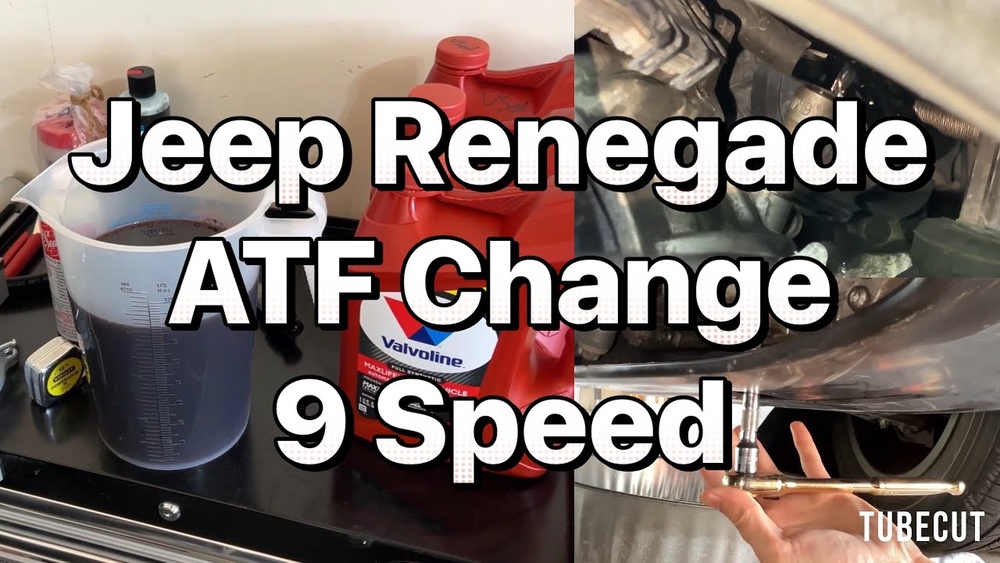
Non-obvious insight: Even among fluids labeled ATF+4, some are higher quality than others. Mopar brand or a reputable equivalent (like Valvoline) is safest.
Signs Your Jeep Renegade Needs A Transmission Fluid Change
Sometimes, your vehicle tells you something’s wrong before the scheduled interval.
Watch for these signs:
1. Rough Or Delayed Shifting
If gears hesitate or shift with a jerk, fluid may be old or low.
2. Unusual Noises
Whining, clunking, or buzzing sounds from the transmission area can mean the fluid is breaking down.
3. Transmission Slipping
The engine revs but the vehicle doesn’t respond as expected.
4. Burnt Smell Or Dark Fluid
Healthy fluid is bright red and clean. Burnt or dirty fluid needs changing.
5. Leaks Under The Vehicle
Any puddle of reddish or brown fluid is a warning sign.
Ignoring these symptoms can turn a $100 fluid change into a $3,000+ transmission repair.

Jeep Renegade Transmission Service Cost: Diy Vs. Shop
Changing your own transmission fluid can save money, but it’s not for everyone. Here’s a cost comparison:
| Service | DIY Cost | Shop Cost |
|---|---|---|
| Fluid & filter change (Automatic) | $60–$120 | $200–$350 |
| Fluid only (Manual) | $40–$70 | $120–$200 |
Pro tip: If your Renegade is still under warranty, check if a shop visit is required to keep coverage.
Common Mistakes To Avoid
Many Jeep Renegade owners make mistakes that lead to leaks or poor shifting after a fluid change:
- Using the wrong fluid: Always match the fluid to your transmission.
- Overfilling or underfilling: Too much or too little fluid can cause shifting problems or even damage.
- Forgetting to replace the filter: A clogged filter reduces fluid flow and can starve the transmission.
- Not cleaning the pan or magnet: Metal debris left inside can damage new fluid quickly.
- Ignoring leaks: Even a small leak can lower fluid levels fast.
Non-obvious tip: If you spill fluid on the exhaust, clean it up. Burning fluid smoke can look like a major problem but is usually harmless if cleaned right away.
Jeep Renegade Vs. Other Compact Suvs: Transmission Fluid Change
How does the Jeep Renegade compare to similar vehicles like the Honda HR-V, Mazda CX-30, or Ford EcoSport when it comes to transmission service?
- Interval: Renegade’s 60,000–100,000 mile interval is similar to competitors. Honda and Mazda often suggest 60,000 miles for severe use.
- Fluid Cost: ATF+4 is widely available and not expensive. Some other brands use pricier synthetic fluids.
- DIY Difficulty: The Renegade’s pan and filter are accessible for most DIYers. Some rivals hide the filter or require special tools.
Not-so-obvious difference: Some compact SUVs, like the Toyota C-HR, use “sealed” transmissions with no dipstick. The Jeep Renegade still allows owner checks and fills, making maintenance less stressful.
If you want more detail on automatic transmissions, Jeep’s own official maintenance guide is a reliable resource.
Frequently Asked Questions
How Often Should I Change My Jeep Renegade Transmission Fluid?
For most Jeep Renegade models, change the transmission fluid every 60,000 to 100,000 miles. If you drive in tough conditions (hot weather, towing, stop-and-go traffic), use the shorter interval.
Can I Use Universal Transmission Fluid In My Jeep Renegade?
No. Always use the ATF+4 or fluid specifically listed for your Jeep Renegade’s transmission. Universal fluids can cause poor shifting or damage.
What Happens If I Overfill The Transmission Fluid?
Overfilling can cause foaming, leaks, and shifting problems. It may also damage seals and internal parts. Always add fluid slowly and check the level carefully.
Is It Safe To Do A Transmission Flush Instead Of A Simple Fluid Change?
A flush replaces more old fluid but can sometimes dislodge debris, causing problems if the transmission is already worn. For most Renegades, a drain and fill is safer unless a flush is recommended by a shop you trust.
What Color Should Healthy Transmission Fluid Be?
Fresh transmission fluid is bright red or pink and smells sweet. Dark, brown, or burnt-smelling fluid means it’s time for a change.
Taking care of your Jeep Renegade’s transmission fluid is one of the smartest ways to protect your investment. With a little planning and attention to detail, you can enjoy smooth shifting and avoid expensive repairs for years to come.