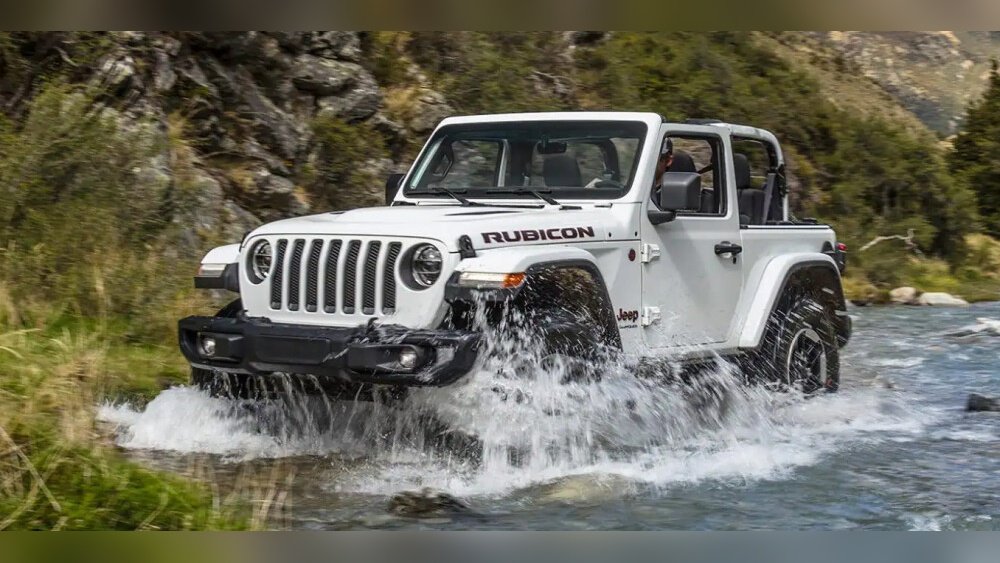
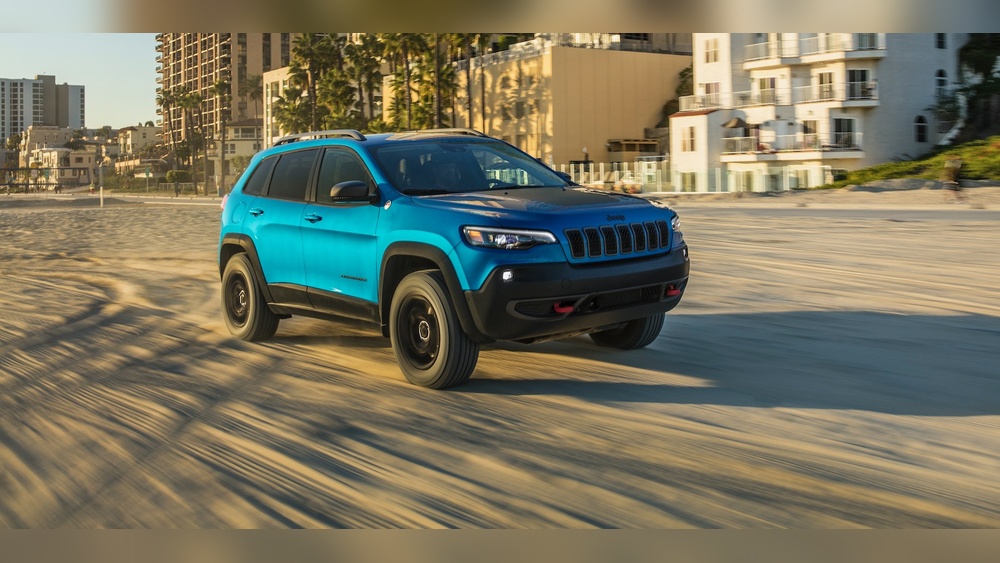
The Jeep Grand Cherokee is one of the most popular SUVs in the United States. It stands out for its strong performance, comfortable ride, and off-road abilities. But there’s one part that often gets overlooked: the transmission. This complex system plays a huge role in how your Jeep feels, drives, and lasts over the years. If you own a Grand Cherokee or plan to buy one, understanding the transmission can save you time, money, and stress.
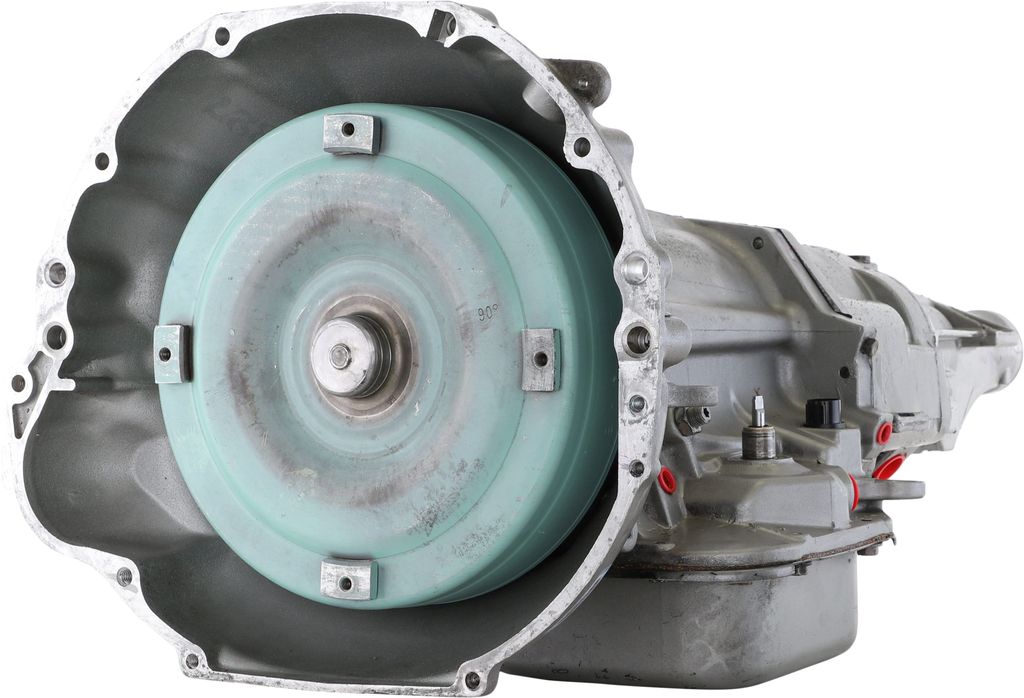
Let’s dive deep into the Jeep Grand Cherokee transmission, covering the types, features, common problems, maintenance, upgrades, and tips for buyers. You’ll also find real data, comparisons, and answers to the most common questions.
Types Of Jeep Grand Cherokee Transmissions
The Grand Cherokee has used several transmission types since its launch in 1992. Each generation brought new technology and improvements.
Automatic Transmissions
Most Grand Cherokees have automatic transmissions. These make driving easier and are ideal for both city and off-road use.
- 4-speed automatic: Used in early models (1993–2004). Reliable, but not very fuel efficient.
- 5-speed automatic: Introduced in 2005. Improved smoothness and efficiency.
- 6-speed automatic: Started in 2011. More gears mean better performance and lower RPMs on highways.
- 8-speed automatic: Became standard from 2014. Known for fast, smooth shifts and great fuel economy.
Manual Transmissions
Manual gearboxes were only offered in the early Grand Cherokee years. Today, they’re rare and mostly found in older models.
Cvt And Other Types
The Grand Cherokee has never used a CVT (continuously variable transmission), unlike some other SUVs.
Key Features Of Grand Cherokee Transmission
The transmission isn’t just about shifting gears it’s packed with features to boost performance.
- Adaptive shifting: Modern Grand Cherokees “learn” your driving style and adjust shift timing for smoother rides.
- Sport mode: Changes gear patterns for faster response and more power.
- Tow mode: Optimizes shifting for towing heavy loads, preventing overheating.
- 4WD integration: Works with the Jeep’s four-wheel drive system for better traction in mud, snow, and sand.
- Eco mode: Some models use transmission settings to maximize fuel efficiency.
Transmission Performance Across Generations
How does the transmission affect the Grand Cherokee’s driving experience? Here’s a quick comparison of major generations:
| Model Years | Transmission Type | 0–60 mph Time | Fuel Economy (mpg) |
|---|---|---|---|
| 1993–2004 | 4-speed automatic | ~9.5 seconds | 15 city / 20 highway |
| 2005–2010 | 5-speed automatic | ~8.5 seconds | 16 city / 21 highway |
| 2011–2013 | 6-speed automatic | ~7.8 seconds | 17 city / 23 highway |
| 2014–present | 8-speed automatic | ~6.8 seconds | 19 city / 26 highway |
Non-obvious insight: The jump to the 8-speed transmission in 2014 brought not just faster acceleration, but also a big improvement in highway fuel economy—sometimes saving drivers hundreds of dollars per year.
Common Transmission Problems
Even well-built transmissions can develop issues. Jeep Grand Cherokee owners often report a few recurring problems:
- Rough shifting: Jerky or delayed gear changes. Usually caused by low transmission fluid or worn solenoids.
- Transmission overheating: Especially during towing or in hot climates. Can lead to internal damage.
- Slipping gears: The vehicle hesitates or loses power unexpectedly. May signal worn clutches or bands.
- Check engine light: Sometimes triggered by transmission sensors or electrical faults.
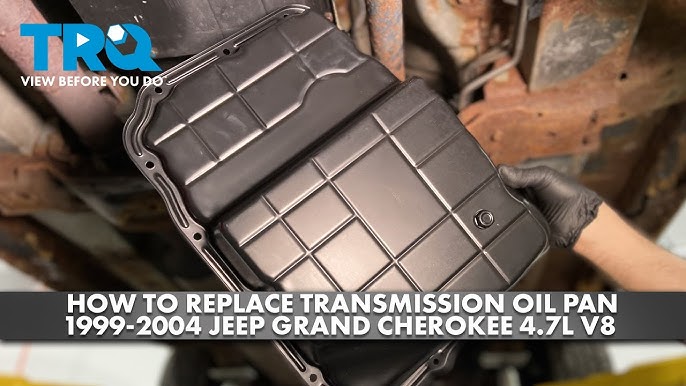
- Fluid leaks: Often seen in older models. If ignored, leaks can ruin the transmission.
Data: Transmission Failure Rates
According to NHTSA and owner forums, about 5 8% of Grand Cherokees built from 2005 2013 report transmission failures by 100,000 miles. For 2014 and newer models, the failure rate drops to about 2%.
| Model Years | Reported Transmission Failure (%) | Main Causes |
|---|---|---|
| 2005–2013 | 6.5% | Solenoid, fluid leaks |
| 2014–2022 | 2.1% | Software, sensor faults |
Expert tip: Many failures are avoidable with regular maintenance—fluid checks, software updates, and not ignoring warning lights.

Transmission Maintenance: What Really Matters
Keeping your Grand Cherokee’s transmission healthy is simple if you follow these tips:
- Check transmission fluid every 30,000 miles (or as recommended in your owner’s manual). Use Mopar ATF+4 or the fluid specified for your model.
- Change transmission fluid and filter every 60,000–100,000 miles. For heavy towing, change more often.
- Inspect for leaks under your vehicle monthly. Even small leaks can cause big problems.
- Update software if your model has electronic controls. Dealers often offer free updates.
- Avoid sudden acceleration and harsh braking. These stress the transmission.
Cost Of Transmission Maintenance
Here’s a breakdown of typical maintenance costs for the Jeep Grand Cherokee:
| Service | Average Cost | Recommended Interval |
|---|---|---|
| Fluid & Filter Change | $180–$350 | 60,000 miles |
| Transmission Flush | $250–$400 | 100,000 miles |
| Software Update | Free–$80 | As needed |
| Leak Repair | $150–$600 | As needed |
Non-obvious insight: Many drivers skip fluid changes thinking modern transmissions are “sealed for life.” This is risky—fresh fluid keeps parts cool and prevents expensive repairs.
Upgrading Or Replacing Your Transmission
Sometimes, owners want more power, smoother shifts, or need a replacement. Here’s what to consider:
Factory Replacement Vs Aftermarket
- Factory replacements: Use original Mopar parts. Reliable, but can be expensive ($3,000–$4,500 installed).
- Aftermarket upgrades: Offer performance kits, shift kits, and heavy-duty builds. Good for towing or off-road, but may affect warranty.
Rebuilding Vs New Transmission
- Rebuilding: Fixes worn parts and updates software. Costs $2,000–$3,500. Can add years of life if done well.
- New transmission: Best for major failures. Costs $3,500–$5,000 including labor.
Straight-to-the-point guidance: Always check your warranty before replacing. Some powertrain warranties cover transmission repairs up to 100,000 miles.
Choosing The Right Grand Cherokee Transmission
If you’re shopping for a Grand Cherokee, pay close attention to the transmission. Here’s what matters most:
- Year and generation: Newer models (2014+) have the 8-speed automatic, which is more reliable and efficient.
- Driving needs: If you tow or drive off-road, look for models with tow mode and 4WD integration.
- Service records: Ask for proof of fluid changes and transmission maintenance.
- Test drive: Notice how the transmission shifts. Smoothness, quick response, and no strange noises are good signs.
- Warranty: Check for remaining coverage, especially for used vehicles.
Common Buyer Mistakes
- Ignoring transmission history: Not checking maintenance records can lead to costly repairs.
- Overlooking warning signs: If you feel jerky shifts or see fluid leaks, don’t buy without inspection.
- Choosing older models for price: Early Grand Cherokees are cheaper, but have higher transmission failure rates.
Jeep Grand Cherokee Transmission In Real Life
Let’s look at some real-world examples:
- 2017 Grand Cherokee Limited: Owners report smooth shifting, even after 100,000 miles. Regular fluid changes and software updates are key.
- 2008 Grand Cherokee Laredo: Some report rough shifts and overheating during towing. Most issues traced to neglected maintenance.
- 2022 Grand Cherokee Summit: The new 8-speed shines for both city and highway driving, with few complaints so far.
Experience-based tip: Transmission issues are more common in vehicles used for heavy towing or off-roading. But with proper care, most Grand Cherokees deliver reliable performance.
Frequently Asked Questions
What Type Of Transmission Does The Jeep Grand Cherokee Use?
Most Grand Cherokees use a 8-speed automatic transmission in recent models. Older versions used 4-, 5-, or 6-speed automatics. Manual transmissions are rare and only found in early models.
How Often Should I Change Transmission Fluid In My Grand Cherokee?
You should change transmission fluid every 60,000–100,000 miles. If you tow heavy loads or drive in tough conditions, change it more often.
Are Transmission Problems Common In The Grand Cherokee?
Transmission problems are not common in newer models (2014+), but older Grand Cherokees (2005 2013) have a higher failure rate of about 6 7%. Most issues are due to neglected maintenance.
Can I Upgrade My Grand Cherokee’s Transmission For Better Performance?
Yes, you can use aftermarket shift kits or rebuild the transmission with stronger parts. This is popular for towing and off-road use. But, upgrades may affect warranty.
Where Can I Find Official Information About Jeep Grand Cherokee Transmissions?
You can visit the official Jeep website or trusted sources like Wikipedia for detailed specs and history.
The Jeep Grand Cherokee transmission is more than just a gearbox—it’s the backbone of your driving experience. Whether you’re buying, maintaining, or upgrading, knowing how it works, what to watch for, and how to care for it will keep your Jeep running strong for years. With smarter maintenance and careful buying, you can avoid most transmission headaches and enjoy all the power and comfort the Grand Cherokee offers.