For decades, the Jeep Wrangler has been an icon on roads and trails. Its unique shape, removable roof, and off-road features grab attention everywhere. But many people wonder: is a Jeep Wrangler an SUV or something else? The answer is not as simple as it sounds. To really understand, you need to look at its history, design, performance, and how it compares to other vehicles. This guide will help you see why the Jeep Wrangler is more than just a car—and why it fits the SUV category, with a few twists.
What Defines An Suv?
SUV stands for Sport Utility Vehicle. These vehicles mix the features of passenger cars with those of trucks. Most SUVs have higher ground clearance, rugged construction, and are built for both city streets and rough terrain. They can carry families, cargo, and sometimes tow heavy loads. In the US, SUVs have become popular because they offer comfort, space, and versatility.
Key traits of an SUV include:
- Body-on-frame or unibody construction
- Four-wheel drive or all-wheel drive
- Raised ride height
- Large cargo space
- Multiple seating rows
But, the SUV label is sometimes used loosely. Crossovers, which are built on car platforms, are also called SUVs, even though they may lack heavy-duty abilities.
Jeep Wrangler: History And Design
The Jeep Wrangler traces its roots back to the military Jeeps of World War II. Over the years, it changed from a simple utility vehicle to a modern machine with creature comforts. The Wrangler remains true to its heritage with a boxy look, removable doors, and strong off-road features.
Key Features
- Solid axles front and rear
- Removable roof (hard or soft top)
- Manual and automatic transmission
- Available four-wheel drive
- High ground clearance
- Rugged frame construction
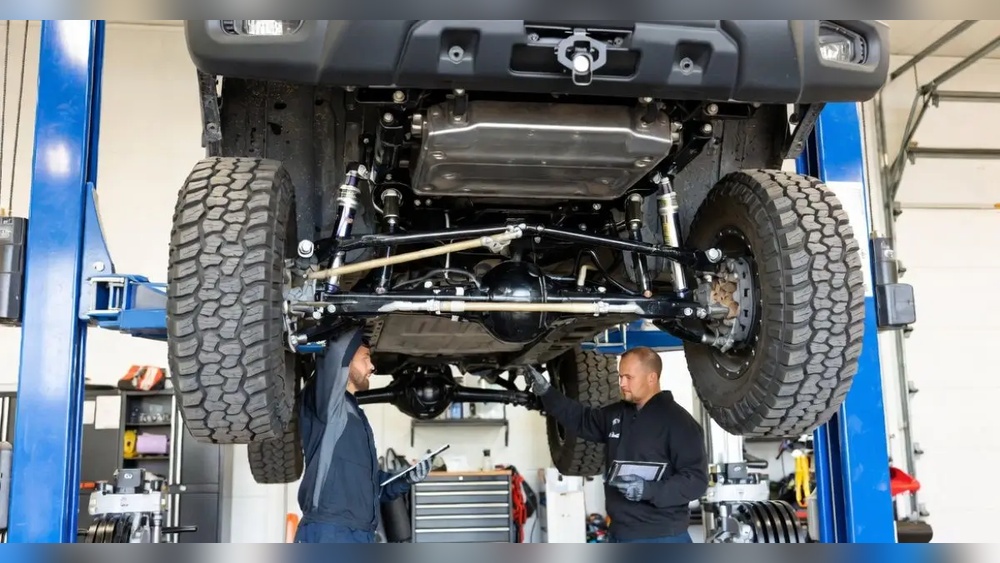
Most Wranglers use body-on-frame design, which is common in traditional SUVs and trucks. This provides durability and strength for tough conditions.
Notable Statistics
- Jeep Wrangler sales (2022): Over 180,000 units in the US
- Starting price: Around $32,000 (base model)
- Fuel economy: 17-22 mpg (average, varies by model)
- Towing capacity: Up to 3,500 lbs (when properly equipped)

How The Jeep Wrangler Compares To Suvs
To help you see where the Wrangler stands, here’s a quick comparison with other popular SUVs:
| Model | Construction | Drive Type | Off-Road Ability | Cargo Space (cu ft) |
|---|---|---|---|---|
| Jeep Wrangler | Body-on-frame | 4WD | Excellent | 31.7 (2-door) |
| Toyota RAV4 | Unibody | AWD | Moderate | 37.6 |
| Ford Explorer | Unibody | AWD | Good | 87.8 |
| Chevrolet Tahoe | Body-on-frame | 4WD | Good | 72.6 |
Notice how the Wrangler has body-on-frame construction and strong off-road ability. Its cargo space is less than larger SUVs, but its off-road performance is unmatched.
Why The Jeep Wrangler Is Considered An Suv
Most experts and automakers agree: the Jeep Wrangler is an SUV. Here’s why:
- Body-on-frame structure: This is classic SUV design, not found in most crossovers.
- Four-wheel drive: Standard or optional on almost all Wranglers.
- High ground clearance: Makes it ready for rough terrain.
- Utility features: Can tow, carry gear, handle tough roads.
- Passenger seating: Usually fits 4-5 people, like other SUVs.
You’ll find the Wrangler listed in the SUV category in car guides, dealerships, and insurance companies. It even appears in the “compact SUV” section of the EPA fuel economy ratings.
Unique Qualities That Set The Wrangler Apart
The Jeep Wrangler is not a typical SUV. Here are some features that make it special:
- Removable doors and roof: This feature is almost unique among SUVs.
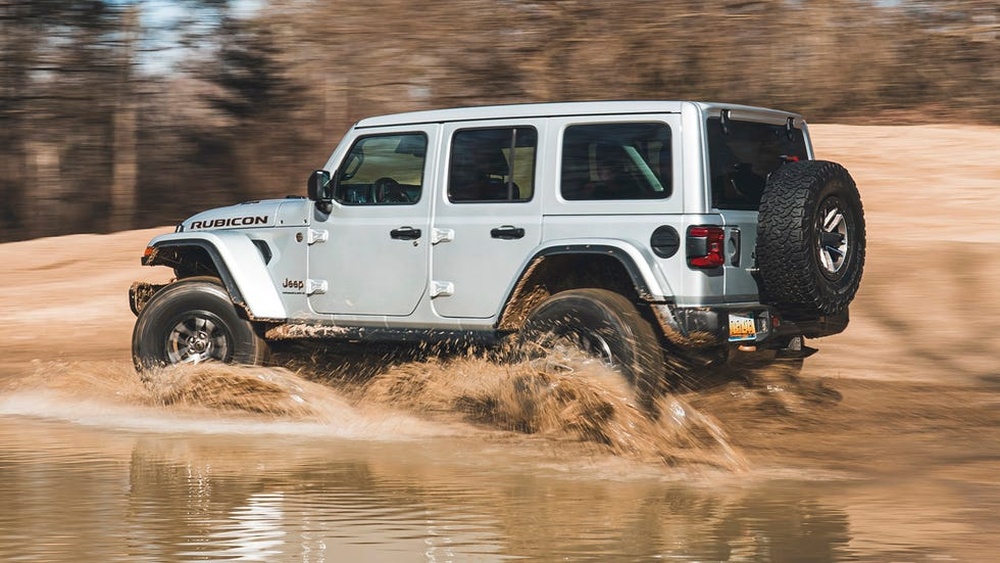
- Extreme off-road packages: The Rubicon model, for example, includes locking differentials, rock rails, and extra traction.
- Manual transmission option: Rare in modern SUVs.
- Customizable parts: Owners can add lift kits, winches, and special tires.
These features attract buyers who want adventure and freedom, not just a practical family car.
Wrangler Vs. Crossover Suvs
Many SUVs today are actually crossovers, built on car platforms. Let’s compare the Wrangler with a popular crossover:
| Feature | Jeep Wrangler | Honda CR-V |
|---|---|---|
| Platform | Truck-based | Car-based |
| Drive Type | 4WD | AWD (optional) |
| Off-Road Ability | High | Low |
| Cargo Space | 31.7 cu ft | 39.2 cu ft |
| Roof/Doors | Removable | Fixed |
Crossovers like the CR-V offer more comfort and space for families but lack the rugged performance and custom features of the Wrangler.
Practical Uses For A Jeep Wrangler
The Wrangler is not just for off-roading. Many owners use it for daily driving, road trips, and even city life. Its flexible design lets you adapt it for different needs.
Common uses include:
- Weekend adventures (camping, hiking, fishing)
- Commuting (especially in snowy or rainy areas)
- Towing small trailers
- Road trips (removable roof for open-air driving)
- Daily errands (grocery runs, picking up kids)
Some buyers make mistakes by choosing the Wrangler only for its looks, not realizing it rides differently than smooth crossovers. The ride can be noisy, and fuel economy is lower than most modern SUVs.
Wrangler Models And Trims
The Jeep Wrangler comes in several trims and versions. Each offers different features for buyers.
- Sport: Basic, affordable, good for light off-roading.
- Sahara: Adds comfort features, better for daily driving.
- Rubicon: Designed for serious off-road use.
- High Altitude: Luxury touches, advanced tech.
- 4xe: Plug-in hybrid, combines electric and gas power.
Each trim lets buyers focus on comfort, adventure, or efficiency. The Rubicon, for example, has special axles and tires for rocky trails.

Comparing Wrangler To Pickup Trucks
Some people confuse the Wrangler with pickup trucks because of its rugged build. Here’s a quick comparison:
| Feature | Jeep Wrangler | Ford F-150 |
|---|---|---|
| Passenger Capacity | 4–5 | 2–6 |
| Cargo Bed | No | Yes |
| Off-Road Ability | Excellent | Good |
| Roof/Doors | Removable | Fixed |
| Towing Capacity | 3,500 lbs | Up to 14,000 lbs |
The Wrangler offers more off-road fun, but cannot match the cargo and towing power of a full-size pickup.
Two Insights Most Beginners Miss
- Insurance and registration: Because the Jeep Wrangler is an SUV, it often costs more to insure than a standard car. However, some states may classify it as a “truck” for registration, so fees can vary. Always check local rules before buying.
- Aftermarket upgrades: Many buyers think all upgrades are easy. But changing tires, suspension, or adding roof racks can affect fuel economy and handling. Not all modifications are legal or safe for city driving.
Tips For Choosing A Wrangler
If you’re thinking about buying a Jeep Wrangler, keep these points in mind:
- Try before you buy: Take a long test drive. The ride is different from crossovers or sedans.
- Check the trim: Rubicon is best for off-road, Sahara for daily comfort, 4xe for eco-friendly driving.
- Look at your needs: If you don’t plan to go off-road, you might prefer another SUV for comfort or cargo.
- Understand maintenance: Wranglers are durable, but off-road use means more frequent servicing.
Many buyers rush into the Wrangler experience without researching. Make sure you know what you want and how you plan to use it.
Is The Jeep Wrangler Right For You?
The Jeep Wrangler is not for everyone. If you need smooth rides, lots of cargo space, or high fuel economy, other SUVs might suit you better. But if you want adventure, freedom, and a unique style, the Wrangler is a top choice.
It’s an SUV in every sense, but with a twist that makes it stand out.
Frequently Asked Questions
Is A Jeep Wrangler Officially Classified As An Suv?
Yes, the Jeep Wrangler is officially listed as an SUV by automakers, government agencies, and most car guides. Its body-on-frame design and four-wheel drive meet the classic SUV criteria.
Can A Jeep Wrangler Be Used As A Family Car?
Yes, but with limits. The Wrangler fits up to five passengers, but cargo space and ride comfort are less than some crossovers. Families who value adventure often choose it, but for daily city driving, other SUVs may be better.
How Does The Wrangler Compare To Crossover Suvs In Safety?
Wrangler models have modern safety features like airbags, stability control, and backup cameras. However, their design can lead to lower crash safety ratings compared to crossovers. Always check the latest safety scores.
Is The Jeep Wrangler Good For City Driving?
It works in the city, but the ride can be bumpy and noisy compared to smoother SUVs. Parking is easy due to its size, but fuel economy is lower. Many owners enjoy its style and visibility in urban areas.
What Is The Main Difference Between A Wrangler And A Pickup Truck?
The Wrangler is an SUV with passenger seating and closed cargo space. Pickup trucks have open beds for hauling loads and often higher towing capacity. Wranglers are better for off-road fun; trucks are better for heavy-duty work.
The Jeep Wrangler stands tall as an SUV, built for adventure but ready for daily life. Its classic design and unique features make it a favorite for many drivers. If you want an SUV with personality and true off-road power, the Wrangler deserves a closer look. For more details on SUVs and their history, visit Wikipedia.