Using a Jeep Wrangler 4×4 can be a thrilling experience, whether you’re tackling rocky trails or driving through heavy snow. But for many new owners, the 4×4 system might seem a bit confusing. If you want to get the most out of your Jeep and avoid costly mistakes, it’s important to understand how and when to use the 4×4 features. This guide will walk you through the basics and advanced tips, so you can drive with confidence on or off the road.
Understanding The Jeep Wrangler 4×4 System
Jeep Wranglers are famous for their off-road capability. The main reason is their advanced 4×4 system. But what does 4×4 really mean? In simple terms, it means power goes to all four wheels instead of just two. This increases traction, especially in slippery or uneven conditions.
Most Jeep Wranglers have a part-time 4×4 system, which you can turn on or off. Some newer models, like the Sahara, offer a full-time 4×4 system, which works automatically. Knowing which system you have is the first step to using it correctly.
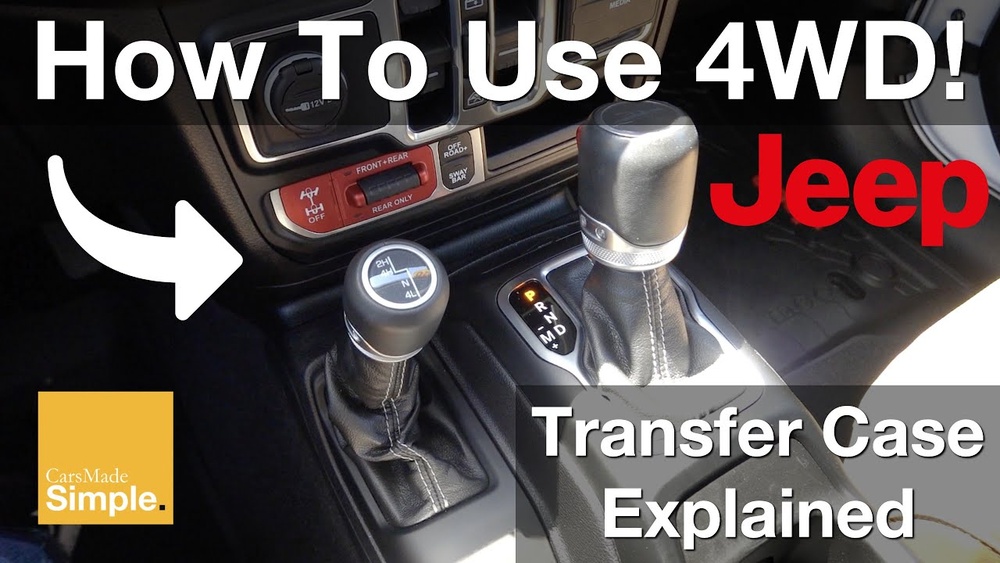
Key 4×4 Modes
- 2H (Two-Wheel Drive, High Range): Regular driving on dry pavement. Power goes only to the rear wheels.
- 4H (Four-Wheel Drive, High Range): For snow, sand, or dirt roads. Power goes to all four wheels.
- 4L (Four-Wheel Drive, Low Range): For tough off-road situations—steep hills, deep mud, or rocks. Delivers maximum power and control at low speeds.
- Neutral (N): Used when towing the Jeep.
Not all Wranglers have the same settings. Always check your owner’s manual for your model’s specific features.
When To Use Each 4×4 Mode
Using the wrong mode can damage your Jeep or make driving less safe. Here’s a quick reference for when to use each mode:
| Mode | Best For | Speed Range |
|---|---|---|
| 2H | Dry pavement | Any legal road speed |
| 4H | Snow, ice, gravel, sand | Up to 55 mph (check manual) |
| 4L | Mud, rocks, steep hills | Below 25 mph |
Beginner tip: Never use 4H or 4L on dry pavement. The extra grip can actually hurt your Jeep’s drivetrain.
How To Shift Between 4×4 Modes
Switching between 2H, 4H, and 4L is simple once you know the steps. Here’s a guide for most Jeep Wranglers (always check your manual for your year/model):
Shifting From 2h To 4h (and Back)
- Slow down to under 55 mph.
- Firmly pull the 4×4 lever from 2H to 4H while driving straight.
- You may hear a small “clunk.” This is normal.
- To return to 2H, repeat the process in reverse.
Shifting From 4h To 4l (and Back)
- Stop the vehicle and keep your foot on the brake.
- Shift the transmission into Neutral (N).
- Firmly pull the lever from 4H to 4L (or push back for 4L to 4H).
- Wait a few seconds for the gear to engage.
- Shift the transmission back to Drive (D) or the desired gear.
Advanced insight: Some new Wrangler models have electronic switches instead of a lever. The process is similar, but always let the light on the dashboard confirm the shift is complete before driving.
Practical Examples: Using Jeep Wrangler 4×4 In Real Situations
Let’s look at some real-world examples to make things clearer.
Driving On Snowy Roads
Engage 4H before you reach slippery areas. This helps you maintain control and avoid getting stuck. Remember, 4H is not for speeding—keep your speed moderate.
Off-roading On Steep Trails
Use 4L for rocky climbs or steep descents. The engine’s power is multiplied, letting you move slowly and carefully. This protects both your Jeep and the trail.
Muddy Or Sandy Terrain
Switch to 4H if the mud or sand is not too deep. For very deep mud, switch to 4L to prevent getting stuck. Keep your momentum steady—stopping can make it harder to get moving again.
.jpg?t=170893152379)
Common Mistakes When Using 4×4
Many Jeep owners make simple errors that can lead to expensive repairs or unsafe situations. Here are some of the most common:
- Using 4H or 4L on dry pavement: This strains the drivetrain and can cause “binding,” where the wheels fight each other.
- Switching to 4L while moving: Always come to a full stop and shift to Neutral before engaging 4L.
- Driving too fast in 4L: This mode is only for low speeds and high control.
- Forgetting to disengage 4×4: Running in 4H or 4L when not needed wastes fuel and wears out parts.
- Not practicing: The best way to learn is to practice shifting between modes in a safe, open area before you need them.
Key Features That Affect 4×4 Use
Modern Wranglers come with extra features that can change how you use 4×4. Here are some you might find:
Locking Differentials
Some Rubicon models have locking differentials. This means both wheels on the same axle turn together, even if one is off the ground. Use this feature for extra grip on rocks or deep mud.
Sway Bar Disconnect
A sway bar disconnect allows the front wheels to move independently, giving more flexibility for climbing over obstacles. Only use this at low speeds off-road.
Full-time 4×4
The Sahara model offers full-time 4×4. You can drive on pavement without damage, as the system automatically adjusts power. This is great for changing conditions but still avoid high speeds in deep mud or rocks.

Quick Comparison: Part-time Vs Full-time 4×4
Understanding which system your Wrangler has helps you use it safely:
| System Type | When to Use | Main Advantage |
|---|---|---|
| Part-Time 4×4 | Off-road, slippery roads only | Stronger for extreme terrain |
| Full-Time 4×4 | All conditions | Convenient for daily driving |
Non-obvious insight: Full-time 4×4 is helpful in places with sudden weather changes. But part-time 4×4 generally handles rough trails better because of stronger components.
Tips For Safe And Effective 4×4 Driving
To get the best performance from your Jeep Wrangler 4×4, keep these tips in mind:
- Check your tires: Good tires are more important than 4×4 in many cases. All-terrain or mud-terrain tires make a huge difference.
- Lower tire pressure: For sand or snow, slightly lower tire pressure improves grip. But don’t go too low—follow your Jeep’s recommendations.
- Practice in a safe area: Use an empty parking lot or open field to get used to shifting and how your Jeep handles.
- Understand your limits: Even with 4×4, deep water or very steep hills can be dangerous. If unsure, get out and check before driving through.
- Use recovery gear: Bring a tow strap, shovel, and tire inflator on off-road trips. These small tools can save you hours of trouble.

Maintenance Tips For Your 4×4 System
A well-maintained 4×4 system lasts longer and performs better. Here’s what you should do regularly:
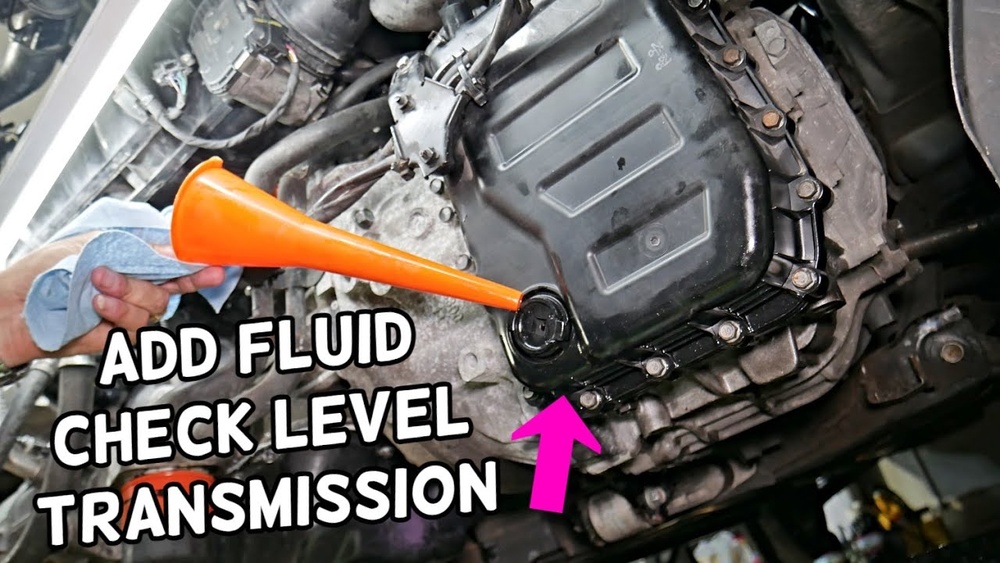
- Check fluid levels: Transfer case and differentials need special fluid. Low levels can cause serious damage.
- Inspect for leaks: After off-roading, look under your Jeep for oil spots or drips.
- Listen for odd noises: Grinding or clunking sounds mean it’s time for a mechanic.
- Test your 4×4 before trips: Shift through all modes in your driveway to make sure everything works.
Pro insight: Many drivers forget to use 4×4 for months, then discover it doesn’t engage when needed. Running your system briefly every month keeps the parts lubricated and ready.
Advanced Off-road Techniques
Once you’re comfortable with the basics, try these advanced techniques to get even more from your Wrangler:
- Hill descent in 4L: Use engine braking instead of the brake pedal to go down steep hills. This keeps your speed slow and controlled.
- Rock crawling: Go very slow in 4L, using both feet to control the gas and brake. Look ahead and plan your line before moving.
- Crossing water: Enter slowly in 4H or 4L, keeping a steady pace. Avoid changing gears in the middle of water.
Remember, off-roading is about control and patience, not speed.
Jeep Wrangler 4×4: Real-world Performance
The Jeep Wrangler regularly ranks among the top off-road vehicles in the US. According to a 2023 survey by Kelley Blue Book, more than 60% of Wrangler owners use their 4×4 system at least once a month. This shows how practical and necessary the system is for adventure seekers and people living in areas with tough weather.
Frequently Asked Questions
How Fast Can I Drive In 4h?
Most Jeep Wranglers allow speeds up to 55 mph in 4H, but always check your manual. It’s best to keep speeds moderate for safety and to avoid damage.
Can I Use 4×4 On Dry Pavement?
No, using 4H or 4L on dry pavement can damage your drivetrain. Only use 4×4 on slippery or loose surfaces.
What Should I Do If My Jeep Won’t Shift Into 4l?
Make sure the vehicle is stopped, the transmission is in Neutral, and your foot is on the brake. If it still doesn’t shift, consult your mechanic or the owner’s manual.
Is Full-time 4×4 Better Than Part-time?
Each has strengths. Full-time 4×4 is more convenient for mixed conditions, while part-time 4×4 is usually stronger for heavy off-road use. Choose based on your needs.
Where Can I Learn More About Off-roading Skills?
Consider joining a local 4×4 club or reading guides from trusted sources like the Tread Lightly! organization for safe and responsible driving.
Driving a Jeep Wrangler with 4×4 is about more than just turning a lever or pressing a button. It’s about knowing your vehicle, respecting the terrain, and using the right mode for the right moment. With the tips above, you’ll be ready to explore with confidence—and keep your Wrangler in top shape for years of adventure.