Changing the gear ratio in your Jeep Wrangler can transform how your vehicle performs, both on and off the road. Many owners upgrade their tires or modify their engines, but forget that the gear ratio in the axles plays a crucial role. If you want more power, better fuel efficiency, or improved crawling ability, adjusting your gear ratio might be the next step. This guide explains what you need to know and walks you through the process in clear, simple language.
Why Change Your Jeep Wrangler’s Gear Ratio?
The gear ratio is the relationship between the driveshaft’s rotations and the axle’s rotations. For example, a 4.10:1 ratio means the driveshaft turns 4.1 times for every one turn of the wheels. The right ratio depends on your tire size, engine power, and driving style.
Changing the gear ratio is important when:
- You install larger tires (over 33”)
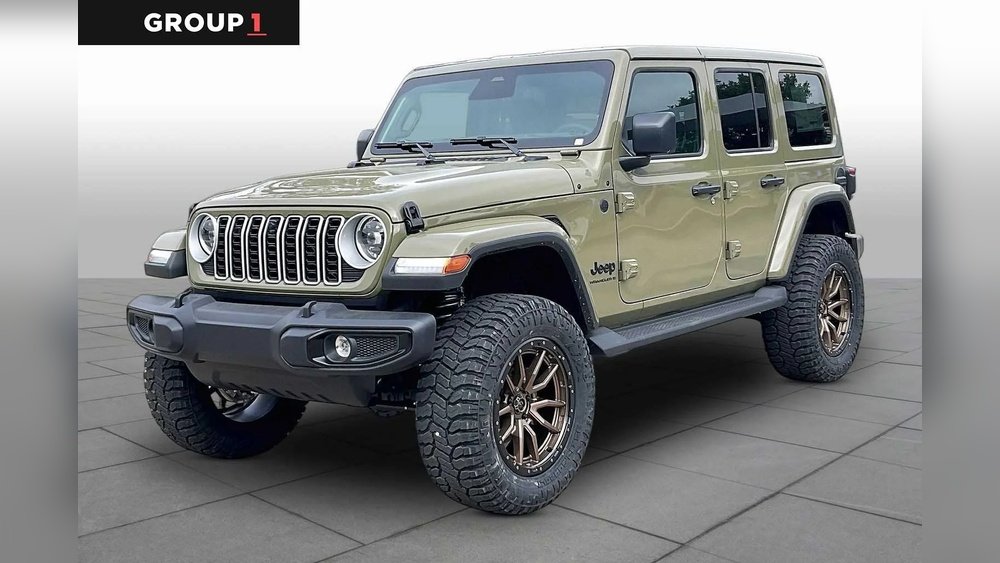
- You want more low-end torque for off-roading
- You tow heavy loads
- You notice poor acceleration or bad fuel economy
A mismatched gear ratio can cause your Jeep to feel sluggish, shift gears poorly, or even damage your transmission over time.
Understanding Gear Ratios In Jeep Wranglers
Before making changes, it’s important to understand how different ratios affect your Jeep.
| Gear Ratio | Best For | Effect |
|---|---|---|
| 3.21 | Highway | Better fuel economy, less torque |
| 3.73 | Mixed driving | Balance of power and efficiency |
| 4.10 | Off-road/large tires | More torque, lower top speed |
| 4.56 | Extreme off-road/heavy loads | Maximum torque, higher RPMs |
If you’re not sure which ratio fits your setup, use online gear calculators or talk to a Jeep specialist.
Tools And Parts You’ll Need
Changing your gear ratio isn’t a simple job. It involves the differential, so you’ll need the right tools and parts. Here’s what you should have ready:
Basic Tools:
- Socket set (metric and SAE)
- Torque wrench
- Screwdrivers
- Pry bar
- Dead blow hammer
- Seal puller
Specialty Tools:
- Dial indicator (for backlash measurement)
- Bearing puller/press
- Gear marking compound
- Calipers or micrometer
Parts:
- New ring and pinion gears (correct ratio)
- Master install kit (bearings, seals, shims, hardware)
- Gear oil (check your Jeep’s specs)
- RTV silicone or differential cover gasket
Safety Equipment:
- Jack stands
- Wheel chocks
- Safety glasses
- Gloves
Non-obvious tip: Order extra shims for fine-tuning and have a magnet handy to catch metal shavings.
Preparing Your Jeep
Before you begin, park your Jeep on a level surface and disconnect the battery. Make sure you have plenty of time—this job can take 6-10 hours for a first-timer, or longer if you’re working carefully.
- Secure the vehicle: Use wheel chocks and lift your Jeep with jack stands.
- Remove wheels: Take off both rear (or front, if starting there) wheels.
- Drain the differential: Remove the differential cover and let the old oil drain completely.
- Clean the area: Wipe away debris and old gasket material.
Step-by-step: Changing The Gear Ratio
1. Remove The Old Gears
- Unbolt the differential carrier. Mark bearing caps for correct reinstallation.
- Slide out the carrier with a pry bar. Be careful—it’s heavy.
- Remove the pinion nut and slide out the pinion gear.
- Take out old bearings and races. Inspect for wear or damage.
Non-obvious insight: If bearings look worn or pitted, always replace them. Reusing old bearings can cause noise and rapid failure.
2. Prepare And Install The New Gears
- Press new bearings onto the pinion and carrier.
- Install the pinion gear with crush sleeve and tighten the nut to the correct preload (check your service manual for specs).
- Use new races if your kit includes them.
- Install the ring gear onto the carrier. Tighten bolts in a star pattern.
3. Set Up The Gear Pattern
- Reinstall the carrier with shims.
- Apply gear marking compound to a few ring teeth.
- Rotate the pinion to check the contact pattern.
- Adjust shims to center the pattern between the face and flank of the teeth.
| Pattern | What It Means | Adjustment |
|---|---|---|
| Too close to face | Pinion too deep | Remove pinion shim |
| Too close to flank | Pinion too shallow | Add pinion shim |
| Centered | Correct setup | No change needed |
Setting the pattern takes patience. Spend extra time here; a poor pattern causes whining or gear failure.
4. Set Backlash
- Use a dial indicator to measure backlash (the play between ring and pinion).
- Typical spec is 0.006–0.010 inches.
- Adjust carrier shims until the backlash is within this range.
Don’t skip this step. Incorrect backlash leads to noise, rapid wear, or even broken gears.
5. Final Assembly
- Double-check bearing preload, backlash, and gear pattern.
- Clean gasket surfaces. Apply RTV or a new gasket.
- Reinstall the differential cover and fill with fresh gear oil (use the type recommended for your Jeep).
- Reinstall wheels and lower the Jeep.
6. Break-in Procedure
New gears need a careful break-in period:
- Drive gently for the first 500 miles.
- Avoid towing or high-speed driving.
- Change the gear oil after 500 miles to remove metal particles.
Skipping the break-in can ruin new gears. Even experienced mechanics sometimes overlook this.
Choosing The Right Gear Ratio For Your Jeep
Picking the best ratio depends on your tire size, engine, and usage. Here’s a quick reference for Wranglers with common tire upgrades:
| Tire Size | Highway/Light Off-road | Heavy Off-road/Towing |
|---|---|---|
| 33” | 4.10 | 4.56 |
| 35” | 4.56 | 4.88 |
| 37” | 4.88 | 5.13 |
For most daily drivers with 33–35” tires, 4.10 or 4.56 works well. If you tow, run big tires, or love crawling rocks, go higher.
Common Mistakes When Changing Gear Ratios
Even careful DIYers and some shops make mistakes. Here are pitfalls to avoid:
- Skipping the break-in: This is the top reason for early gear failure.
- Incorrect backlash: Too tight or loose causes noise and rapid wear.
- Reusing old bearings: Always use new bearings, even if old ones look fine.
- Not matching front and rear ratios: For 4WD, both axles MUST have the same ratio.
- Poor gasket prep: Even a small leak can ruin your differential.
Cost And Time Considerations
Changing gear ratios is not cheap or quick. Expect to pay $1,200–$2,000 per axle at a shop, including parts and labor. DIY costs can be $500–$1,000 per axle, but require tools and patience. If you’re new to this, consider practicing on a spare axle before tackling your Jeep.

Should You Do It Yourself Or Use A Pro?
If you have strong mechanical skills, the right tools, and time, this can be a rewarding project. But gear setup is an art. One small mistake can destroy expensive parts.
Choose a professional shop if:
- You lack specialty tools (dial indicator, press, etc.)
- You don’t have a clean work area
- You’re not confident with precision measurements
Always ask for the setup sheet showing backlash and pattern, and break in your gears slowly.
Extra Tips For Success
- Label every part during disassembly for easier reassembly.
- Take photos of each step, especially shim locations and gear orientation.
- Keep your work area clean—dirt is the enemy of gears and bearings.
- Consider upgrading to a differential locker while you have the axle open.
If you want to dive deeper into gear ratios and differential setups, check out the in-depth guides at JLWranglerForums.

Frequently Asked Questions
What Is The Best Gear Ratio For 35-inch Tires On A Jeep Wrangler?
For daily driving, 4.56 is a popular choice with 35” tires. If you do a lot of off-roading or towing, 4.88 gives even more torque. Always match the ratio to both axles for 4WD.
Can I Change Just One Axle’s Gear Ratio?
No. Both front and rear axles must have the same gear ratio in a 4WD Jeep. Mismatched ratios will damage your drivetrain.
How Do I Know My Current Gear Ratio?
Check the axle tag (small metal tag on the differential cover bolts) or your owner’s manual. You can also count the number of ring and pinion teeth (divide ring teeth by pinion teeth).
Will Changing Gear Ratios Affect My Speedometer?
Yes. A new gear ratio changes how your speedometer reads. Recalibrate it with a programmer or by visiting a dealer.
Is Changing Gear Ratios Worth It After A Tire Upgrade?
Absolutely. If you run larger tires, changing the gear ratio restores lost power, improves acceleration, and protects your transmission. It’s one of the most important upgrades for off-roaders.
Changing the gear ratio in your Jeep Wrangler is a serious job, but it can make your Jeep feel new again. Take your time, follow each step, and remember—when in doubt, consult a professional. With the right setup, your Wrangler will tackle trails, highways, and anything in between with confidence.