Taking care of your Jeep Wrangler is more than changing oil and washing the exterior. Greasing, or lubricating, is a small maintenance step that makes a big difference. When you grease your Jeep, you protect critical moving parts from wear, reduce annoying squeaks, and improve off-road durability. Neglecting this can lead to costly repairs or even dangerous failures, especially if you love off-roading or drive in harsh conditions. Even if you’re new to auto maintenance, learning how to grease your Jeep Wrangler is a practical skill that pays off over time.
Why Greasing Your Jeep Wrangler Matters
Every Jeep Wrangler, from the classic YJ to the latest JL, uses many moving joints under the body. These joints—like U-joints, ball joints, and driveshafts—face heavy stress, especially when you tackle rough trails or muddy roads. Without fresh grease, these parts grind, heat up, and eventually fail.
Greasing does more than stop squeaks. It:
- Prevents rust and corrosion by sealing out water and dirt
- Extends part life by reducing friction
- Improves steering and handling
- Protects warranty coverage (for some parts)
Many owners forget this step, especially when their Jeep is new. But proper greasing is essential, whether you drive daily or just on weekends.
Tools And Materials You’ll Need
You don’t need a shop full of tools. But a few basics make the job faster and cleaner. Here’s what you should gather before starting:
- Grease gun – Choose a standard lever-action or pistol-grip model.
- Grease – Use quality multi-purpose chassis grease (NLGI #2 is common).
- Shop rags or paper towels – For wiping off old grease and spills.
- Latex or nitrile gloves – To keep your hands clean.
- Creeper or cardboard – For sliding under your Jeep easily.
- Flashlight or headlamp – Some fittings are hard to see.
- Flathead screwdriver – To remove any plastic guards.
- Safety glasses – Protect your eyes from debris or grease splatter.
Most parts stores sell all of these items. A basic grease gun and a tube of quality grease cost less than $40 combined.
Identifying Grease Fittings On A Jeep Wrangler
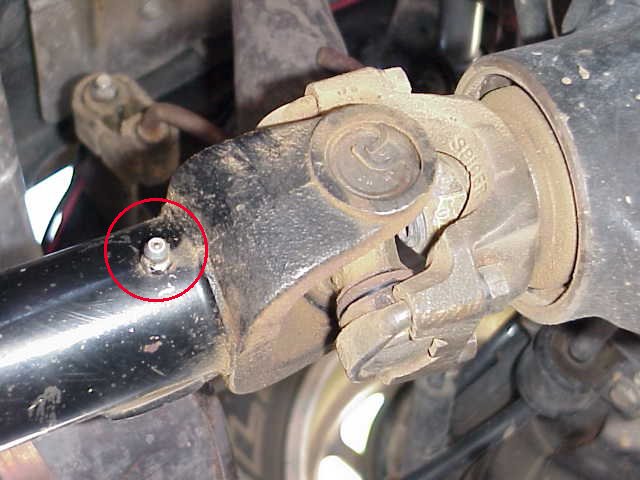
Grease fittings, also called zerk fittings, are small metal nipples where you attach your grease gun. Knowing their locations saves time and ensures you don’t miss any important points.
Common Grease Points (jk, Jl, Tj, Yj Models)
- Front driveshaft (double cardan joint)
- Rear driveshaft
- Steering drag link ends
- Steering tie rod ends
- Track bar ends
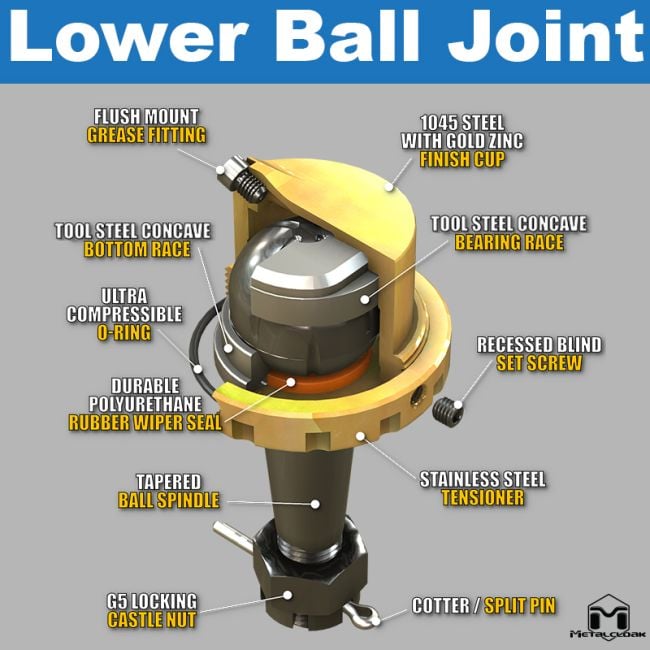
- Upper and lower ball joints
- Sway bar links (some aftermarket models)
Not every Wrangler has the same number of grease fittings. For example, JL Wranglers (2018+) often have fewer grease points than older TJs or JKs. Some aftermarket parts add extra greaseable joints.
Here’s a quick comparison of common grease fitting counts:
| Model Year | Approx. Grease Points | Notes |
|---|---|---|
| YJ (1987-1995) | 6-10 | More on aftermarket parts |
| TJ (1997-2006) | 8-12 | Depends on joints replaced |
| JK (2007-2018) | 6-10 | Stock parts usually non-greaseable |
| JL (2018+) | 2-8 | Many sealed joints |
Check your owner’s manual or look under the Jeep to find all the fittings. Aftermarket suspension or steering upgrades often add extra grease points.
How Often Should You Grease Your Jeep Wrangler?
Many Jeep owners are unsure about frequency. The answer depends on your driving style:
- Street driving only: Every 6,000 to 10,000 miles (about every other oil change).
- Regular off-roading: Every 3,000 to 5,000 miles, or after each deep water/mud trip.
- Heavy-duty use (rock crawling, sand, snow): Every 1,000 to 2,000 miles, or after each adventure.
Grease can be forced out by water, mud, or dust. If you see fittings looking dry, add more grease. Regular inspections are smart—catching a dry joint early can prevent failure.
Step-by-step: How To Grease A Jeep Wrangler
Let’s get practical. Here’s how to grease your Jeep safely and thoroughly, even if it’s your first time.
1. Park Safely And Prepare
Find a flat surface. Set your parking brake. If possible, let the Jeep cool down so you’re not working on hot parts. Lay out your tools within reach.
2. Locate All Grease Fittings
Slide under your Jeep with a flashlight. Wipe off each fitting with a rag so you can see it clearly. Some may be hidden behind guards or near the driveshafts. Don’t forget both front and rear!
3. Load The Grease Gun
Unscrew the end, insert your grease cartridge, and prime the gun. If you’re unsure, most grease guns come with instructions. Pump a little grease out to check for smooth flow.
4. Attach The Grease Gun To Each Fitting
Push the coupler onto the fitting until you feel it lock. Hold the gun at a straight angle—side pressure can break the fitting or cause leaks.
5. Pump Fresh Grease
Squeeze the handle slowly. Watch for old, dirty grease to start oozing out of the joint. Usually, 2-4 pumps is enough for each fitting, but keep going until you see clean grease appear.
Tip: If you hear a “pop” or grease leaks out the side, stop immediately. This may mean a blocked fitting or a damaged boot.
6. Wipe Away Excess Grease
Use a rag to clean up all extra grease. Leftover grease attracts dirt, which can wear out parts or make future jobs messy.
7. Repeat For All Fittings
Work methodically. It’s easy to miss one, especially if you get interrupted. Some owners make a checklist or mark fittings with a paint pen.
8. Inspect For Damage
While greasing, look for torn boots, leaking fluid, or loose parts. Catching problems now can save you from breakdowns later.
9. Lower And Test Drive
When finished, lower your Jeep (if you used a jack), and take a short test drive. Listen for any new noises. Steering should feel smooth, and no joints should squeak.
Types Of Grease For Jeep Wranglers
Not all greases are created equal. Choosing the right type can make a big difference in protection, especially for off-road use.
Here’s a comparison of popular grease types:
| Grease Type | Main Advantage | Best For |
|---|---|---|
| Multi-Purpose Lithium | Affordable, widely available | General use, daily driving |
| Synthetic Grease | High temperature, water resistance | Off-road, extreme weather |
| Moly (Molybdenum) Grease | Extra protection for joints | Ball joints, U-joints |
Moly grease is often recommended for high-stress parts like U-joints and ball joints. Check your owner’s manual or the packaging for compatibility.
Common Mistakes When Greasing A Jeep Wrangler
Many new Jeep owners make simple errors that reduce the benefits of greasing. Here’s what to avoid:
- Missing hidden fittings. Some are tucked behind skid plates or mud. Always check thoroughly.
- Using too much grease. Over-greasing can blow out seals or boots, especially on ball joints.
- Wrong grease type. Mixing incompatible greases can cause separation and poor protection.
- Skipping after water crossings. Water quickly washes out grease; always reapply after mud or deep water.
- Not cleaning fittings first. Dirt on a fitting can be pushed inside, causing faster wear.
Two non-obvious tips: If a fitting won’t take grease, it may be clogged—replace it or use a small tool to clear it. Also, if you see water or rust in the old grease, consider checking the part for deeper damage.
Benefits Of Regular Greasing
The rewards go beyond quiet joints and smoother steering. Regular greasing leads to:
- Longer part life (U-joints can last 100,000+ miles with proper care)
- Lower repair costs (replacing a U-joint costs $50–$150 in parts; a full driveshaft is much more)
- Safer off-roading (well-greased joints are less likely to break under stress)
- Higher resale value (buyers love a well-maintained Jeep)
One study found that neglected joints wore out up to three times faster than those greased at proper intervals. Regular maintenance pays for itself quickly.
Signs Your Jeep Wrangler Needs Greasing
Don’t wait for problems. Look for these early warning signs:
- Squeaking or clunking noises when turning or going over bumps
- Stiff steering or vibration at higher speeds
- Visible rust or dry joints under the Jeep
- Grease leaking from boots or joints
If you notice any of these, grease your Jeep as soon as possible and inspect for deeper damage.
Upgrading To Greaseable Aftermarket Parts
Many factory Jeep joints are sealed and cannot be greased. If you plan to keep your Wrangler long-term or do heavy off-roading, consider upgrading to greaseable aftermarket parts. These often last longer and are easier to maintain.
Popular upgrades include:
- Greaseable U-joints
- Heavy-duty tie rods and drag links
- Adjustable track bars with zerk fittings
These parts cost more upfront but can save money and trouble in the long run. Installation often requires basic tools and moderate skill.

Environmental And Safety Tips
Proper grease handling protects you and the environment:
- Dispose of old grease and dirty rags at a local hazardous waste center.
- Don’t over-grease—extra grease can drip onto your driveway or yard.
- Wear gloves and safety glasses to avoid skin and eye irritation.
Some modern greases are less toxic, but always read labels and follow safety advice. For more on safe disposal, see the EPA’s used oil guidelines.
Frequently Asked Questions
How Do I Know If My Jeep Wrangler Has Greaseable Joints?
Most older Wranglers (YJ, TJ, some JK) have greaseable joints. Look for small metal zerk fittings on U-joints, tie rods, and ball joints. Many newer JL models have sealed, non-greaseable joints. Check your owner’s manual or inspect the parts closely.
Can I Mix Different Types Of Grease?
Mixing greases is not recommended. Different greases can separate or lose effectiveness when combined. Always use the same type in each joint, or clean out old grease before switching.
What If A Grease Fitting Won’t Take New Grease?
If a fitting is clogged, try wiping it clean and pumping again. If it’s still blocked, replace the fitting (they’re cheap and easy to swap). Never force the grease gun; this can break the fitting or joint.
Should I Grease My Jeep Before Or After Off-roading?
For best results, grease after off-roading—especially if you’ve driven through water or mud. Off-road conditions can quickly wash out grease, leaving joints dry and at risk.
Is Greasing Covered By My Jeep’s Warranty?
Routine maintenance like greasing is the owner’s responsibility. Some warranties may require proof of regular service. Always keep a record of when and where you’ve greased your Jeep.
Taking the time to grease your Jeep Wrangler doesn’t just protect your investment—it makes every drive smoother and safer. Whether you maintain your Jeep for daily driving or rugged trails, this small step keeps your adventures rolling for years to come.