Opening the hood of a Jeep Cherokee might seem simple, but many new owners find it confusing the first time. Maybe you need to check your oil, refill washer fluid, or troubleshoot a warning light. If you can’t open the hood, it can be frustrating and even delay important maintenance. Different Cherokee models—old and new—also have small differences in their hood release systems. This guide will help you pop the hood step by step, explain what to do if the hood won’t open, and share tips for a smooth process. You’ll also find real examples, comparison tables, and answers to common questions.
Why Knowing How To Pop The Hood Matters
It’s easy to ignore hood access until there’s a problem. But popping the hood is a basic skill every Jeep Cherokee owner needs. Regular checks under the hood can prevent engine damage, spot leaks early, and help you top off fluids before bigger issues arise. If you’re on a road trip or in a remote area, being able to open the hood quickly could make a big difference.
Many beginners think all vehicles have the same hood release. But Jeep Cherokee models vary, and forcing the wrong part can break it. Some years place the release in unexpected spots, and secondary latches often confuse first-timers.
Basic Steps: Opening A Jeep Cherokee Hood
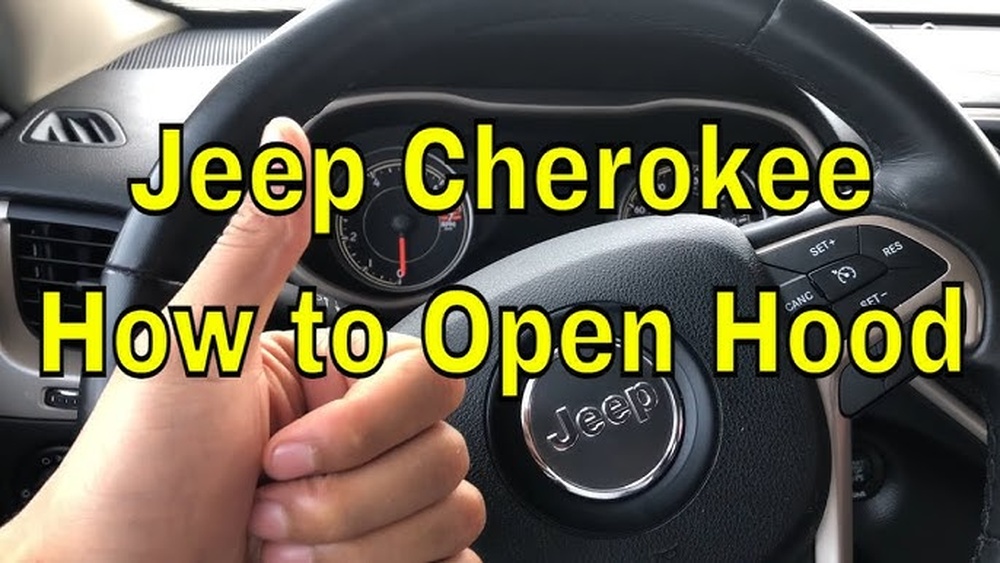
Every Jeep Cherokee, from classic XJ models to the latest KL, uses a two-step system: a cabin release lever and a safety latch under the hood.
1. Locate The Hood Release Lever Inside The Cabin
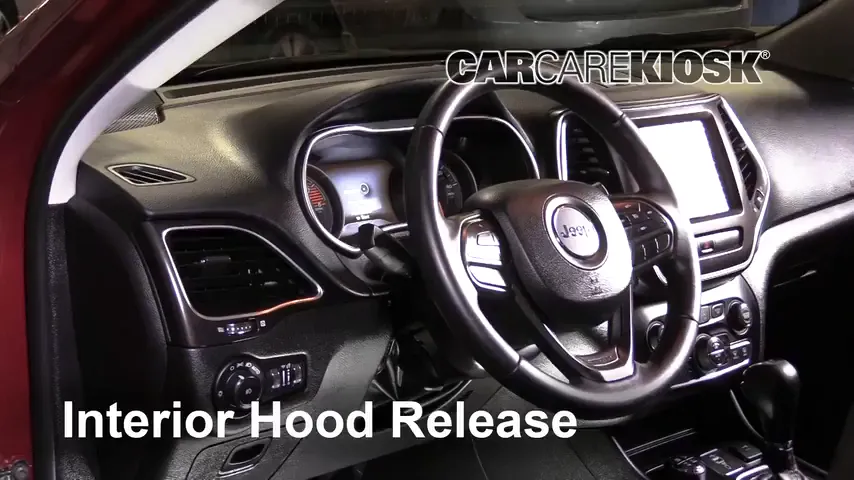
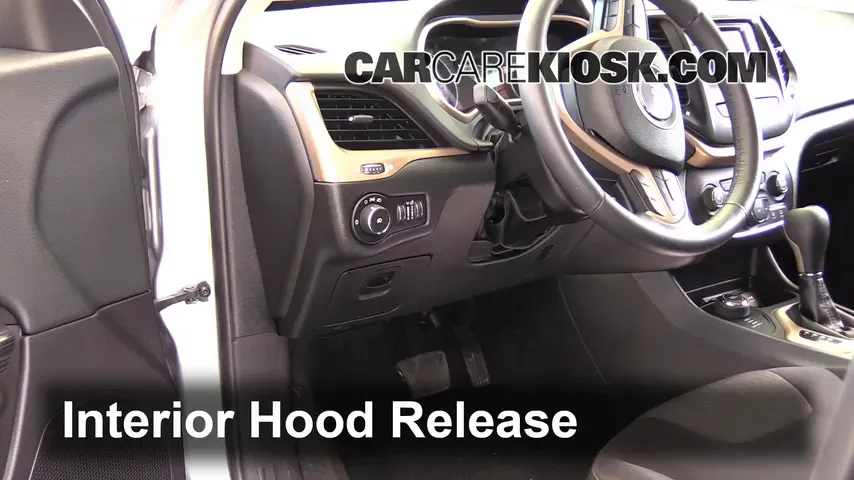
Look beneath the dashboard on the driver’s side. The hood release lever is usually a small handle or tab.
- XJ Cherokee (1984–2001): The lever is just above the left kick panel, near your left foot.
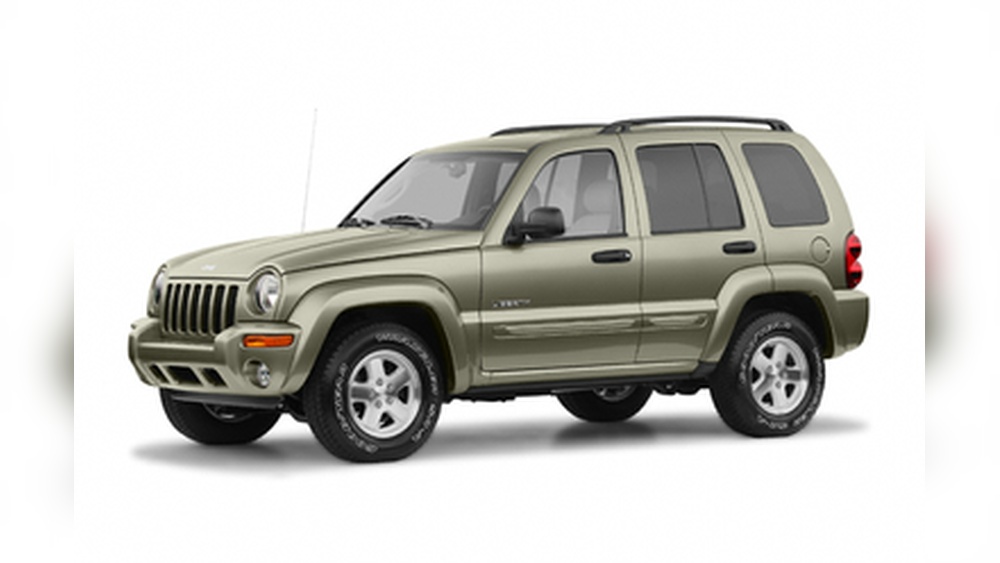
- KJ and KK Cherokee (Liberty, 2002–2012): Usually under the dashboard, left of the steering wheel.
- KL Cherokee (2014–present): Commonly next to the driver’s door, either low on the dash or on the side wall.
Pull the lever until you feel a pop. You might hear a click as the hood pops up slightly.
2. Move To The Front Of The Vehicle
Walk to the front and look for the secondary latch under the center of the hood, just above the Jeep badge.
- Slide your fingers under the edge of the hood.
- Feel for a small lever (usually metal or plastic).
- Push or slide the lever (direction varies by model: Up, left, or right) to release the hood fully.
3. Lift The Hood
With the safety latch released, lift the hood. Most Jeep Cherokees use a manual hood prop rod. Some new models have gas struts that hold the hood up automatically.
- For a prop rod: Secure it into the hole or slot marked on the hood.
- For gas struts: The hood should stay up on its own.
4. Closing The Hood
- Remove the prop rod and clip it back into place.
- Lower the hood gently to about 6–8 inches above the latch.
- Let it drop shut. Don’t press hard—this can bend the hood.
Many beginners try to slam the hood or forget the prop rod, which can damage the hinges or paint.
Key Differences Between Cherokee Models
Not all Jeep Cherokees are built the same. Here’s a quick look at how hood mechanisms differ.
| Model Year | Hood Release Location | Secondary Latch Direction | Hood Support Type |
|---|---|---|---|
| XJ (1984–2001) | Below dash, left side | Push left | Prop rod |
| KJ/KK (2002–2012) | Below dash, left side | Lift up | Prop rod |
| KL (2014–present) | Lower dash or side wall | Slide right | Gas strut/prop rod |
If you’re unsure about your model, check your owner’s manual or look for a sticker with instructions under the hood.
What To Do If The Hood Won’t Pop
Sometimes, even when you follow all the steps, the hood refuses to open. This can happen for several reasons:
- Release cable stretched or broken
- Latch rusted or jammed
- Lever feels loose or stuck
Troubleshooting Steps
- Double-check the lever: Make sure you’re pulling it all the way. Sometimes you need to use more force than expected.
- Have someone push down on the hood: While you pull the lever, ask a helper to press down gently on the hood above the latch. This can relieve pressure and help it pop.
- Try wiggling the hood: Move the front edge of the hood up and down while pulling the lever.
- Lubricate the latch: If you can get a little movement, spray WD-40 or similar lubricant into the latch area.
- Access from below: For serious jams, you might need to reach the latch from under the Jeep with a long screwdriver or coat hanger.
When To Call A Mechanic
If the cable is broken or the latch is fully seized, don’t force it. You might bend the hood or break the grill. A mechanic can often open it without causing more damage.

Tips For Opening The Hood In Cold Or Wet Weather
Moisture and freezing temperatures can make hood latches stick.
- Use de-icer spray if the latch is frozen.
- Warm the latch gently with a hair dryer if you can.
- Apply silicone spray to prevent sticking in the future.
Many first-time owners don’t realize that water and road salt can build up in the latch area over time, causing problems. Regular cleaning helps.
How To Open The Hood With A Dead Battery
Some Jeep Cherokees use electronic releases for the trunk and doors, but the hood release is always mechanical. Even if your battery is dead, you should be able to open the hood using the manual lever.
- If the doors are locked and the key fob is dead, use the physical key hidden inside your fob to unlock the driver’s door.
This is especially important for jump-starting your car—never try to force the hood open with a tool if you can’t access the lever.
Common Problems And Solutions
Here are a few issues specific to the Jeep Cherokee:
| Problem | Possible Cause | Solution |
|---|---|---|
| Lever feels loose, hood stuck | Broken release cable | Access latch from below, replace cable |
| Hood pops but won’t lift | Stuck safety latch | Lubricate latch, wiggle hood while lifting |
| Hood won’t stay up | Worn gas strut/prop rod | Replace strut or rod |
| Hood misaligned, hard to close | Bent hinges or latch | Realign or replace parts |
Non-obvious tip: If you ever had an accident or hit a deer, the hood latch may be misaligned. Always check after a fender-bender.
Safety Precautions When Opening The Hood
It’s easy to focus only on the latch, but safety matters too:
- Turn off the engine before opening the hood.
- Let hot parts cool: The radiator, engine, and other parts can burn you.
- Keep hands clear of moving parts like the cooling fan—even if the engine is off, some fans run when the car is hot.
- Watch for loose clothing or jewelry that could catch on engine parts.
Many people forget that hoods can be heavy—use both hands, especially if your support rod or strut is weak.
Maintenance Tips For A Smooth Hood Release
A sticky or stiff hood latch is common as vehicles age. Here’s how to keep yours in good shape:
- Lubricate twice a year: Use white lithium grease or silicone spray on the latch and hinges.
- Clean dirt and debris: Wipe away leaves, mud, or salt buildup.
- Inspect the cable: If you notice slack or fraying, replace it before it breaks.
- Check support rod or struts: If the hood won’t stay up, replace the worn part.
These small steps help you avoid bigger repairs and keep your Cherokee reliable.
Real-world Example
Maria owns a 2017 Jeep Cherokee and found herself unable to open the hood after a snowstorm. The lever felt tight, but the hood didn’t pop. She sprayed de-icer around the hood seam, waited 10 minutes, then tried again while her friend gently pressed down on the hood.
The latch released, and she was able to check her coolant level before a long drive. Now, she keeps a can of silicone spray in her trunk for regular maintenance.
Non-obvious insight: In cold climates, opening the hood every few weeks—even if you don’t need to—helps prevent the latch from freezing up due to lack of movement.
How Jeep Cherokee Hood Release Compares To Other Suvs
Understanding how the Jeep Cherokee hood system compares to other popular SUVs can help you if you drive different vehicles.
| Vehicle | Release Lever Location | Secondary Latch | Support Type |
|---|---|---|---|
| Jeep Cherokee | Driver’s side, under dash | Manual, under hood | Prop rod/gas strut |
| Honda CR-V | Driver’s side, left footwell | Slide right | Prop rod |
| Toyota RAV4 | Driver’s side, by door | Lift up | Gas strut (newer) |
| Ford Escape | Driver’s side, under dash | Slide left | Prop rod/gas strut |
While the basic idea is the same, details like latch position and prop type can be different. Always check the manual if you switch vehicles.
When To Replace Hood Release Parts
Parts like the hood release cable, latch, and support rods can wear out. Here’s when you should consider replacement:
- Cable feels stretched or is fraying
- Latch doesn’t spring back after use
- Prop rod is bent or missing
- Gas strut no longer holds hood up
On average, hood release cables last 8–12 years depending on climate and use. Replacement costs range from $30 for DIY parts to $150–$200 at a shop.
Where To Find More Help
If you’re still stuck, check your owner’s manual, look for video guides online, or visit the official Jeep website for resources. Local Jeep forums also have model-specific advice and photos.
Frequently Asked Questions
How Do I Know If My Jeep Cherokee Has A Prop Rod Or Gas Struts?
Check under the hood after you open it. If there’s a thin metal rod clipped to the front or side, it’s a prop rod. If you see thick, spring-loaded cylinders attached to the hood and fender, those are gas struts.
What Should I Do If The Hood Release Lever Is Stuck?
Try spraying some lubricant near the lever and gently wiggling it. If it’s still stuck, there may be a problem with the release cable. Don’t force it; seek help from a mechanic to avoid breaking the lever or cable.
Can I Open The Hood From Outside If The Cable Is Broken?
Usually, you can access the latch from below the front bumper with a long tool, but it’s tricky and best left to a mechanic. Forcing the hood can cause expensive damage.
Is It Safe To Drive If The Hood Doesn’t Latch Properly?
No. An unlatched hood can fly open while driving, blocking your view and causing an accident. Always make sure the hood clicks closed before driving.
How Often Should I Lubricate The Hood Latch?
Lubricate the hood latch and hinges at least twice a year, or more often if you drive in wet or salty conditions. This keeps everything moving smoothly and prevents rust.
Opening the hood of your Jeep Cherokee doesn’t have to be a struggle. With the right steps, regular maintenance, and a little patience, you’ll master it quickly—and keep your Jeep running strong for years to come.