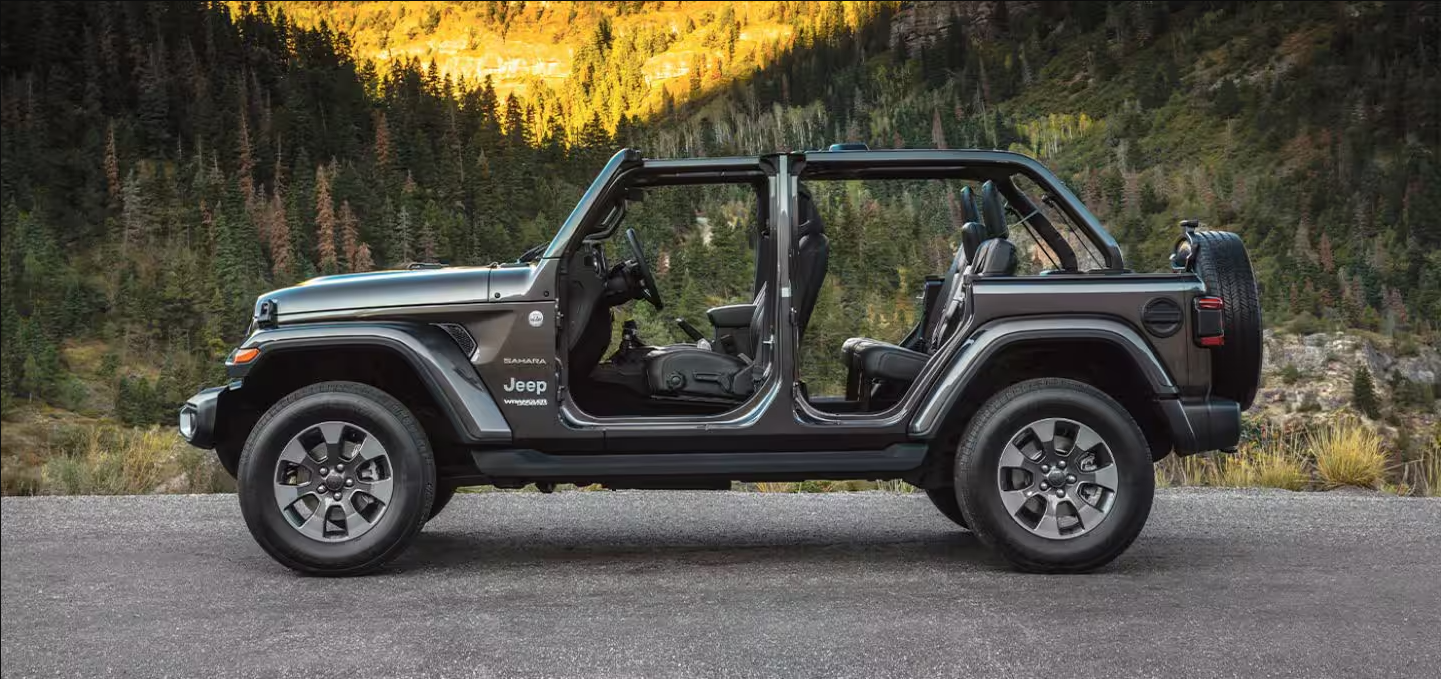
Getting ready to remove the Jeep 3 piece hardtop can seem complicated, especially if you are doing it for the first time. The hardtop is a signature feature on many Jeep models, especially the Wrangler and Gladiator. It gives you flexibility—enjoy a fully enclosed ride in winter, then go open-air in summer. But to get there, you need to know the correct steps, have the right tools, and understand each piece: the front left panel, front right panel, and rear section. Removing the hardtop safely prevents damage to your Jeep and ensures you can reinstall it without problems.
This guide will walk you through the process, including practical tips, common mistakes, and what most beginners overlook. You’ll also find comparison tables to help you choose tools and lifting options, plus a clear FAQ section. Let’s make your hardtop removal simple and safe.
Understanding The Jeep 3 Piece Hardtop
The 3 piece hardtop is made up of:
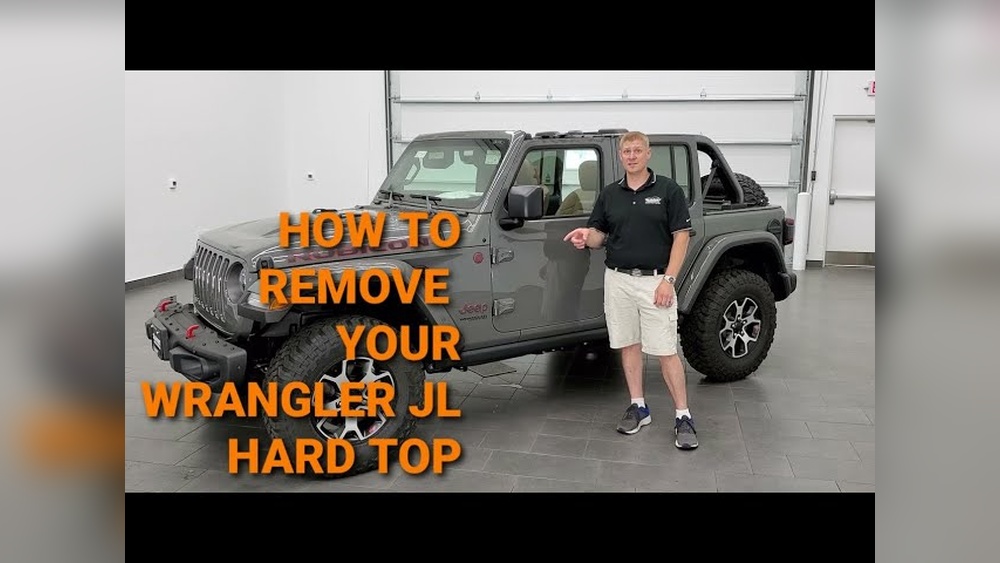
- Front left panel (driver side)
- Front right panel (passenger side)
- Rear section (main rear shell)
Each section has its own latches and bolts. The front panels are lighter and meant for quick removal—sometimes called “freedom panels. ” The rear section is heavier and usually needs two people or a lift system.
Why Remove The Hardtop?
Some Jeep owners remove the hardtop to:
- Enjoy open-air driving
- Clean or repair roof components
- Change to a soft top for summer
- Access roof-mounted accessories
Knowing how to remove it correctly helps avoid scratches, leaks, or broken parts.
Tools And Preparation
Before you start, gather these essential tools:
- Torx bit set (T40 and T50 recommended)
- Ratchet wrench
- Plastic storage bag for bolts
- Blanket or soft padding
- Helper (for rear section)
- Hardtop hoist/lift (optional, for solo removal)
| Tool | Purpose | Cost Range |
|---|---|---|
| Torx Bit Set | Remove bolts | $10-$30 |
| Ratchet Wrench | Loosen/tighten bolts | $15-$40 |
| Hoist/Lift | Lift rear section | $80-$250 |
Tip: Always check your Jeep’s manual for exact bolt sizes. Some models use different Torx sizes.
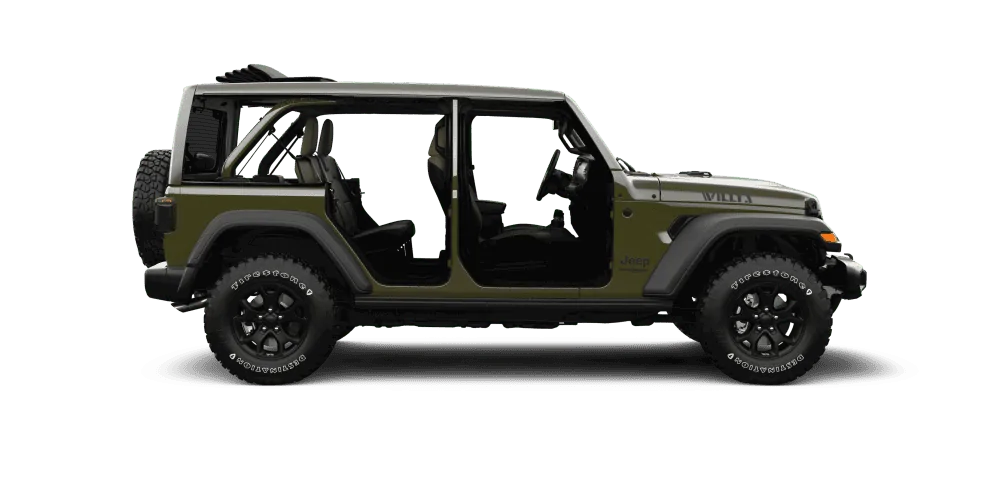
Removing The Front Left Panel
Start with the front left panel (driver side). These steps work for most Jeep Wranglers and Gladiators:
- Lower the sun visors to access the latches.
- Unlock the latches above the windshield. There are usually two or three.
- Unscrew the front panel bolts using a T40 Torx bit. Most models have two bolts at the back corners.
- Lift the panel off gently. Use both hands—never yank or force it.
- Place the panel on a blanket outside the Jeep to avoid scratches.
Non-obvious insight: Many first-timers forget to check for small rubber seals. These can stick to the panel or roof. Make sure they stay in place to prevent leaks when reinstalling.
Example: If you drive a 2022 Wrangler, you’ll find two bolts in the rear corners. Removing these is all you need before lifting the panel.
Common mistake: Some people twist the panel while lifting, which can damage alignment pins. Always lift straight up.
Removing The Front Right Panel
Now move to the front right panel (passenger side):
- Repeat the latch unlocking process as with the left panel.
- Unscrew the bolts with your Torx bit.
- Lift the panel up and out. Again, avoid twisting or tilting.
- Set it down on soft padding.
Practical tip: If you’re solo, remove each panel one at a time and store them safely before moving to the rear section. Don’t leave panels leaning against the Jeep—they can fall and crack.
Non-obvious insight: The panels are interchangeable left to right only in some models. Always check markings (L/R) if unsure.

Removing The Rear Section
The rear section is the largest and heaviest piece. Here’s how to remove it:
- Open the rear hatch and doors for easy access.
- Locate all bolts—usually six along the inside edge and two at the top corners. Use a T50 Torx bit.
- Disconnect the wiring harness and washer fluid hose. These are usually found at the rear driver side.
- Store the bolts and connectors in your plastic bag.
- Lift the rear section with a helper. Grasp it firmly at the sides and back. If you have a hoist, use it for safer solo removal.
- Move the hardtop to a safe storage area. Avoid direct sunlight and moisture.
| Removal Method | Recommended Number of People | Risk of Damage |
|---|---|---|
| Manual Lift | 2-3 | Medium |
| Hoist/Lift | 1 | Low |
Example: On a Jeep Gladiator, the rear section weighs about 140 lbs. Always lift with your legs, not your back.
Common mistake: Forgetting to disconnect the washer fluid hose. This can cause leaks or wire damage.
Storing The Hardtop
Storing your hardtop well avoids cracks, warping, or fading:
- Keep panels on a flat surface (blanket or foam)
- Avoid stacking panels
- Cover with a dust cover if possible
- Store in a dry, shaded area
Tip: Some Jeep owners use wall-mounted racks for space-saving storage.
Reinstalling The Hardtop
When you want to put your hardtop back on:
- Place the rear section first. Align pins and connectors.
- Reconnect wiring and washer hose before bolting.
- Bolt down the rear section with correct torque.
- Install front panels one at a time. Secure latches and bolts.
- Check all seals and latches for tightness.
Data: Most leaks after reinstalling are caused by misaligned seals. Always inspect them before final tightening.
| Step | Time Required | Tools Needed |
|---|---|---|
| Remove front panels | 5 minutes | Torx bit, ratchet |
| Remove rear section | 10-20 minutes | Torx bit, ratchet, helper |
| Reinstall hardtop | 20-30 minutes | Torx bit, ratchet |
Safety Tips And Common Mistakes
Removing the Jeep hardtop is simple, but mistakes can cost you. Here are safety tips:
- Always work on flat ground
- Never force panels—if stuck, double-check bolts
- Use a helper for the rear section
- Keep bolts organized
- Check wiring and hoses before lifting
Common mistakes:
- Using the wrong Torx size (damages bolts)
- Forgetting seals (causes leaks)
- Lifting alone (risk of dropping)
- Storing panels in direct sun (causes warping)
Non-obvious insight: Some Jeeps have a small alignment pin under each front panel. If you lose this, panels won’t sit flush—making the roof noisy and letting water in.
Choosing A Hardtop Hoist
If you plan to remove your hardtop often, a hoist system can help. There are manual pulley hoists, electric lifts, and wall mounts.
Manual hoists are cheaper but require some strength. Electric lifts are easier, but cost more.
Data: Manual hoists can be installed in most garages for under $100. Electric lifts often cost $200-$400.
Example: The Harken Hoister is a popular manual lift for Jeep hardtops.
Tip: Always check your garage ceiling height before buying a hoist.
Weather And Seasonal Considerations
Most Jeep owners remove their hardtop in spring or summer. Cold weather can make seals brittle, increasing the risk of cracks.
- Best time: 60-80°F, dry weather
- Avoid: Rainy days, freezing temperatures
Practical tip: If you remove your hardtop in winter, warm up the garage first to soften rubber seals.
Troubleshooting After Removal
Sometimes, you notice problems after removing the hardtop:
- Leaks: Check seals and alignment
- Noise: Make sure panels are flush when reinstalled
- Broken clips or bolts: Replace before reinstalling
- Electrical issues: Inspect wiring harness for damage
If problems persist, check your Jeep’s manual or consult a dealer. For more details, see the official Jeep website.
Frequently Asked Questions
How Heavy Is The Jeep 3 Piece Hardtop?
The rear section weighs about 120–150 lbs. Each front panel is around 20–25 lbs. Always lift with care and use a helper for the rear section.
Can I Remove The Hardtop Alone?
You can remove the front panels solo, but the rear section is heavy and awkward. A helper or hoist is strongly recommended. Trying to lift alone risks injury and damage.
Will Removing The Hardtop Void My Warranty?
No, removing the hardtop does not void your Jeep warranty. However, damage caused by improper removal is not covered. Always follow Jeep guidelines.
How Long Does The Process Take?
Removing all three sections takes about 20–30 minutes with the right tools and help. Reinstalling is similar. With practice, you can do it faster.
What Should I Do If I Lose A Bolt Or Clip?
Use genuine Jeep replacement parts. Most dealers sell bolts and clips. Avoid generic replacements—they may not fit perfectly and could cause leaks.
Removing your Jeep 3 piece hardtop is easier than it looks, as long as you follow the correct steps and pay attention to small details like seals and wiring. The flexibility you gain is worth the effort—open-air driving or switching to a soft top lets you enjoy your Jeep to the fullest.
Take your time, use the right tools, and make sure each piece is stored safely. With these tips, you’ll be confident and ready for your next adventure.