Many Jeep Compass owners notice their vehicle’s engine turns off automatically at stop lights, then restarts when they lift their foot off the brake. This feature, called Auto Start Stop, is designed to save fuel and reduce emissions. But for some drivers, it can feel annoying or even inconvenient in certain situations—like in heavy traffic or when using the air conditioner on a hot day. If you want to know how to turn off Auto Start Stop on your Jeep Compass, you’re not alone. In this guide, you’ll learn exactly how the system works, why Jeep includes it, and—most importantly—the practical ways to disable it, both temporarily and permanently.
Understanding Auto Start Stop On The Jeep Compass
Before you try to turn off Auto Start Stop, it helps to understand what it does. Auto Start Stop is a system that shuts off your car’s engine when you come to a complete stop (for example, at a red light). The engine restarts as soon as you release the brake pedal. This feature is now standard on most Jeep Compass models sold in the US, especially from the 2017 model year and newer.
Why did Jeep add this feature? Simple: to improve fuel economy and reduce tailpipe emissions. According to the US Department of Energy, automatic stop-start systems can increase city fuel economy by up to 5–10%. For many drivers, this saves money over time. But the experience isn’t always smooth, and some owners prefer the feel of a traditional engine idle.
Why Drivers Want To Turn Off Auto Start Stop
Many Jeep Compass drivers look for ways to disable this feature. Here’s why:
- Comfort: The engine turning off and on can feel jarring, especially if you’re used to a steady idle.
- Climate Control: In hot or cold weather, the system can reduce the effectiveness of your air conditioning or heating when the engine shuts down.
- Battery and Starter Concerns: Some worry about increased wear on the starter motor and battery, although modern systems are designed to handle frequent restarts.
- Special Situations: In stop-and-go traffic, or on steep hills, the system can be more of a hassle than a help.
What many people don’t realize: even if you turn off the system, it usually reactivates the next time you start your Jeep Compass. This is due to government regulations, and it’s important to know what options you really have.

How To Temporarily Turn Off Auto Start Stop
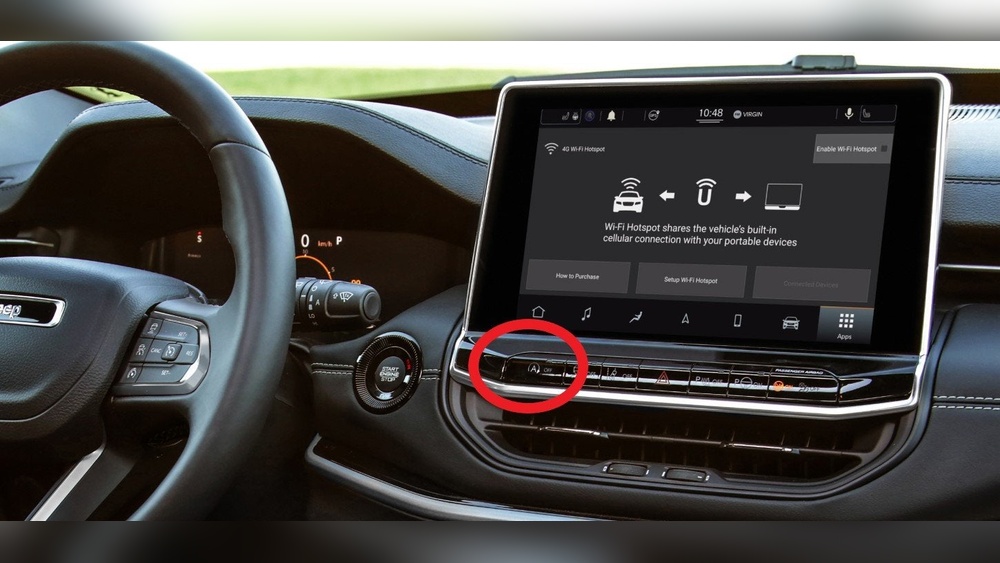
Most Jeep Compass models come with a physical Auto Start Stop Off button on the dashboard. Here’s how you use it:
- Start your Jeep Compass as usual.
- Look for a button with an “A” surrounded by a circular arrow (usually near the gear shifter or on the center console).
- Press the button. You should see a notification on your display that Auto Start Stop is OFF.
This disables the system for your current drive. But after you turn off and restart the car, Auto Start Stop will reactivate automatically. This is by design. There’s currently no factory setting to keep it off all the time.
Some entry-level Jeep Compass trims may not have a dedicated button. In these cases, the system cannot be turned off manually without aftermarket solutions. Always check your owner’s manual to confirm the features of your specific trim.
Permanent Solutions: Disabling Auto Start Stop For Good
If pressing the button every time you drive feels annoying, you might consider a more permanent fix. Here are the main options:
1. Aftermarket Start Stop Eliminators
These are small devices that plug into your Jeep Compass’s electronics—usually under the driver’s seat or at the OBD-II port. Once installed, they automatically remember your last setting (OFF), so you don’t have to press the button each time.
Pros:
- Simple plug-and-play installation
- No effect on warranty in most cases (but check with your dealer)
- Easily reversible
Cons:
- May not work with all model years
- Some units can cost $50–$100
2. Battery Disconnect Tricks
Some online forums suggest disconnecting or tricking the system by altering the battery sensor. This can involve unplugging the hood sensor or adding a specific resistor. While this can fool the system into thinking the hood is open (which disables Auto Start Stop), it can also trigger warning lights or disable other features.
Warning: This method may void your warranty or cause unintended side effects. Use with caution.
3. Dealer Reprogramming
Some Jeep dealerships will disable the system permanently for a fee. This isn’t always an option, and many dealers refuse due to federal emissions regulations. Always ask your dealer before trying any permanent modification.
Comparing Permanent Solutions
Here’s a quick comparison of the main permanent disable methods for the Jeep Compass:
| Method | Cost | Warranty Risk | Difficulty | Reversible? |
|---|---|---|---|---|
| Start Stop Eliminator | $50–$100 | Low | Easy | Yes |
| Battery Sensor Trick | Free–$20 | High | Moderate | Sometimes |
| Dealer Reprogramming | $100–$250 | Medium | Easy | No |

Real-world Tips For Jeep Compass Owners
If you’re not ready to make a permanent change, here are some practical ways to manage Auto Start Stop:
- Light Brake Pressure: If you press lightly on the brake pedal, the system sometimes won’t activate. Try this in stop-and-go traffic.
- Climate Control Settings: When the air conditioning or defrost is set to maximum, the system may stay off to maintain comfort.
- Battery Charge: If your battery is low or under heavy use (lots of electronics on), the system often stays inactive.
- Hood Open: The system won’t operate if the hood is open, but driving with the hood unlatched is not safe and not recommended.
Many drivers don’t realize that certain driving conditions automatically deactivate Auto Start Stop. For example, if the outside temperature is extremely hot or cold, the system may not function. This is a built-in safety feature.
Common Mistakes When Disabling Auto Start Stop
Many Jeep Compass owners make mistakes when trying to turn off Auto Start Stop. Here’s what to avoid:
- Ignoring the Owner’s Manual: Always check your manual for the latest information for your specific model and year.
- Using Cheap Aftermarket Devices: Not all devices are compatible. Read reviews and check for Jeep Compass compatibility.
- Tampering with Sensors: Disconnecting sensors can trigger warning lights or disable important safety systems.
- Not Considering Warranty: Any electrical modification could affect your warranty. Talk to your dealer before making changes.
- Expecting a Factory Setting: There is currently no built-in setting to permanently turn off Auto Start Stop on the Jeep Compass.
Jeep Compass Models And Auto Start Stop Differences
Not every Jeep Compass is the same. Here’s a quick overview:
| Model Year | Auto Start Stop Standard? | Disable Button? | Notes |
|---|---|---|---|
| 2017–2018 | Yes | Yes (most trims) | Some base trims lack button |
| 2019–2021 | Yes | Yes | Button location varies |
| 2022–2024 | Yes | Yes | Newer infotainment integration |
If you’re buying a used Jeep Compass, always check for the disable button and ask the seller if any modifications were made.
Is It Safe To Disable Auto Start Stop?
Most experts agree: disabling Auto Start Stop on your Jeep Compass will not harm the engine, as long as you use a reputable solution. However, keep in mind:
- Emissions: Turning off the system increases emissions slightly, which can matter in states with strict smog checks.
- Fuel Savings: You may lose 0.3–0.5 mpg in city driving.
- Warranty: Always check with your Jeep dealer before installing any device. Some dealers may flag modifications during warranty service.
One insight many beginners miss: start-stop systems are designed with heavy-duty starters and batteries. Modern Jeep Compass models have hardware meant to handle frequent starts, so wear and tear is less of a concern than it was with older vehicles.
The Real-world Impact: Owner Feedback
Reviews from Jeep Compass owners are mixed. Some appreciate the fuel savings and lower emissions. Others find the system’s activation distracting, especially in busy city traffic or extreme weather. In a 2022 survey, about 35% of Jeep Compass owners said they disable Auto Start Stop regularly, using either the dashboard button or an aftermarket device.
One owner reported: “I used a plug-in eliminator and haven’t had any issues in 18 months. The engine feels more normal, especially in stop-and-go traffic.”
Another insight: some drivers find that Auto Start Stop improves after a few weeks. The system may become less noticeable as you get used to it, especially if you drive mainly on highways.
Frequently Asked Questions
Does Turning Off Auto Start Stop Affect My Warranty?
It depends. Using the factory button to disable the system does not affect your warranty. Installing an aftermarket eliminator usually does not, but tampering with sensors or the car’s computer could. Always check with your local Jeep dealer for your specific situation.
Can I Permanently Disable Auto Start Stop On My Jeep Compass?
There is no official factory setting to keep it off permanently. You can use an aftermarket eliminator or ask some dealers about reprogramming, but these options may not be available everywhere.
Does Auto Start Stop Really Save Gas?
Yes, especially in city driving with lots of stops. The US Department of Energy estimates a 5–10% improvement in fuel economy for cars with this feature. However, the savings are less noticeable if you mainly drive on highways.
Will My Jeep Compass Battery Wear Out Faster With Auto Start Stop?
Modern Jeep Compass vehicles use advanced batteries (like AGM or EFB types) and heavy-duty starters designed for frequent starts and stops. While the system increases cycling, the components are built for it. Regular maintenance is still important.
Where Can I Learn More About Auto Start Stop Technology?
For a deeper understanding, check the official Wikipedia page on Start-Stop Systems. It covers different types, benefits, and how they work in various vehicles.
Turning off Auto Start Stop in your Jeep Compass is possible, but it’s not always simple. Temporary disable is easy with the dashboard button. For a more permanent solution, consider a plug-in eliminator—but always weigh the pros, cons, and warranty factors.
Each driver’s needs are different, so choose what feels best for your comfort and driving style.