Testing the auxiliary battery in your Jeep Wrangler JL may sound complicated, but it’s an important skill for any owner. If your Jeep is showing strange electrical problems, slow engine cranking, or accessories stop working, the auxiliary battery might be the reason. This small but vital battery supports the main battery and helps with features like stop-start systems. Ignoring its health can lead to bigger electrical troubles and unexpected breakdowns, especially in newer Wranglers with complex electronics.
Understanding how to test the auxiliary battery can save you money, time, and stress. You don’t need advanced tools or expert skills—just careful steps and the right knowledge. This guide will show you exactly how to check your Jeep Wrangler JL’s auxiliary battery, what signs to watch for, and how to avoid common mistakes.
Whether you’re new to car maintenance or already know your way around an engine bay, you’ll finish reading with clear, practical steps you can follow today.
Why The Auxiliary Battery Matters In The Jeep Wrangler Jl
The Jeep Wrangler JL uses two batteries: the main battery and the auxiliary battery. The main battery starts the engine, while the auxiliary battery powers the stop-start system and supports electrical accessories. This setup helps improve fuel economy and ensures the Jeep’s systems stay stable when the engine stops at traffic lights.
If the auxiliary battery is weak or dead, you might notice:
- The stop-start function doesn’t work
- Dashboard warning lights (like the battery or stop-start warning)
- Accessories (radio, power windows) behave oddly
- The main battery drains faster
Many Jeep owners don’t realize the auxiliary battery is separate, and a bad one can cause hard-to-find problems. Regular testing helps prevent these issues.
What You Need To Test The Auxiliary Battery
Before you start, gather the right tools. Most can be found at auto parts stores or online.
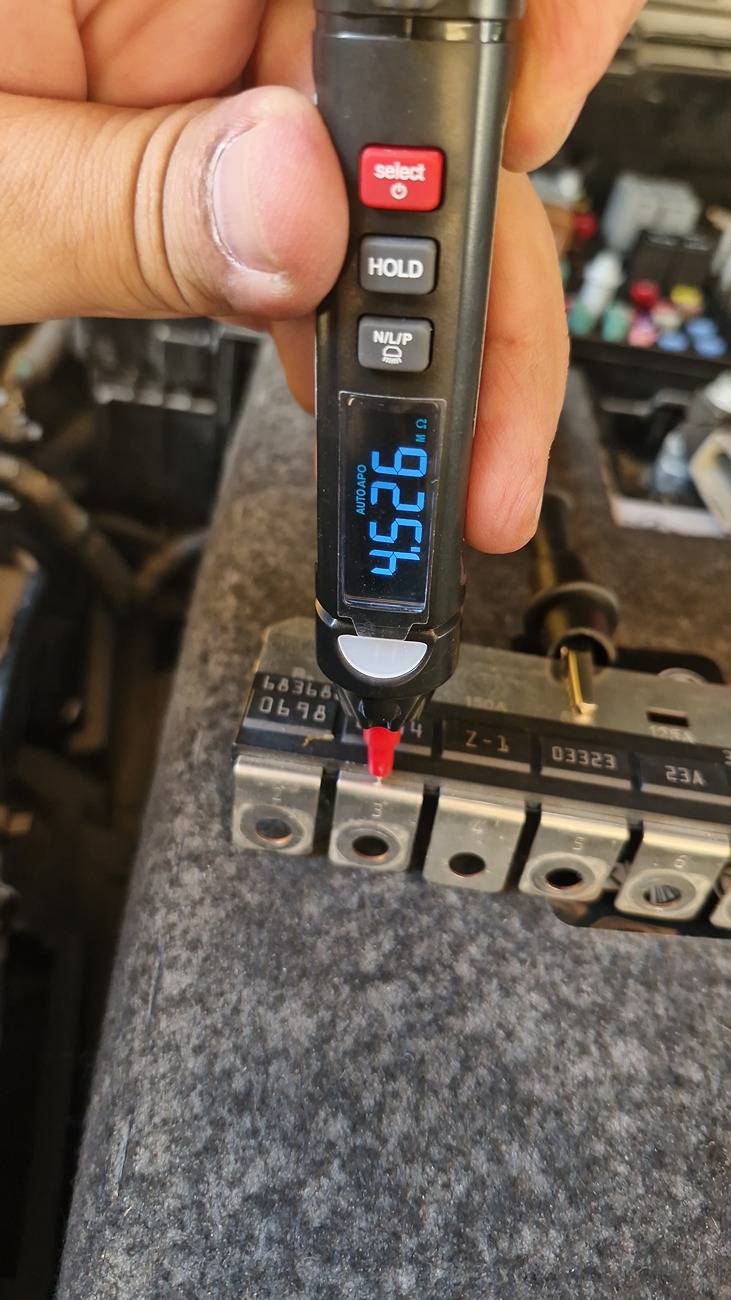
- Digital multimeter (for voltage testing)
- 10mm socket/wrench (to disconnect battery terminals)
- Safety gloves and glasses
- Flashlight (the auxiliary battery is under the main battery)
- OBD2 scanner (optional, for advanced diagnosis)
If you plan to remove or replace the battery, you’ll also need basic hand tools and possibly a battery terminal puller. Always check your Jeep’s manual for the exact battery location and safety tips.
Locating The Auxiliary Battery In A Wrangler Jl
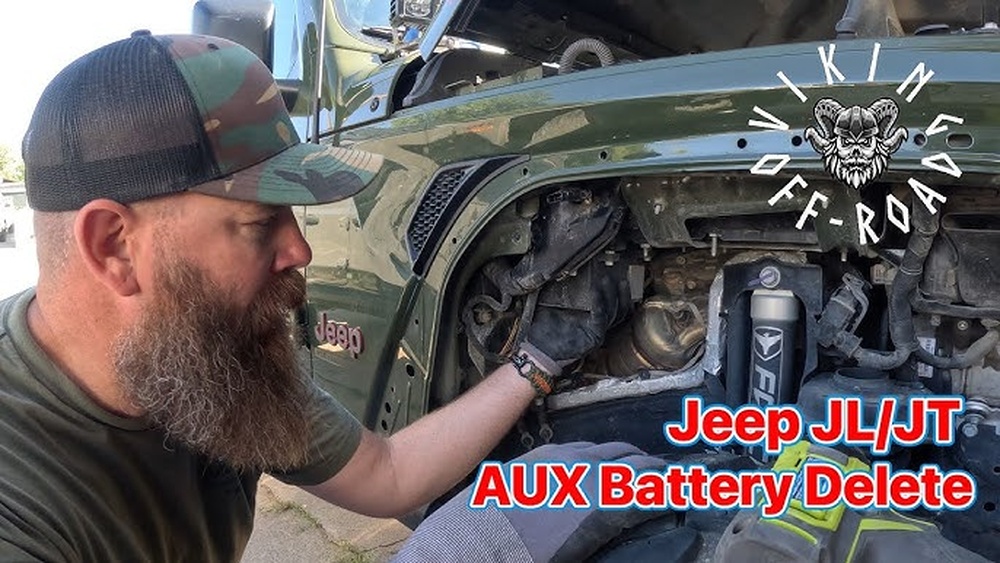
Finding the auxiliary battery isn’t as easy as opening the hood. In the Wrangler JL, both batteries are under the hood but stacked together in a tight space near the passenger side.
Here’s a quick overview:
- Open the hood and locate the main battery (large, rectangular).
- The auxiliary battery is smaller and sits beneath or next to the main battery, inside a black plastic tray.
- You may need to remove the air intake duct and battery cover for full access.
Be careful not to damage surrounding wires and parts. If your Wrangler has aftermarket accessories, access may be tighter.
How To Safely Test The Auxiliary Battery
Testing is straightforward with a digital multimeter. Here’s how to do it safely and accurately.
Step 1: Prepare The Jeep
- Park on a level surface, turn off the engine, and remove the key.
- Let the Jeep sit for at least 15 minutes to ensure electrical systems are off.
- Put on safety gloves and glasses.
Step 2: Access The Auxiliary Battery
- Remove the air intake and battery cover as needed.
- Disconnect the negative terminal from the main battery using a 10mm wrench. This prevents electrical shorts.
- Locate the auxiliary battery’s terminals—sometimes labeled as AUX or with a small battery symbol.
Step 3: Measure Voltage
- Set your multimeter to DC voltage (20V range).
- Touch the red probe to the positive terminal and the black probe to the negative terminal of the auxiliary battery.
- Read the voltage:
- 12.4–12.7V: Healthy, fully charged battery
- 12.2–12.4V: Normal, slightly discharged
- Below 12.2V: Battery is weak or failing
Step 4: Load Test (optional)
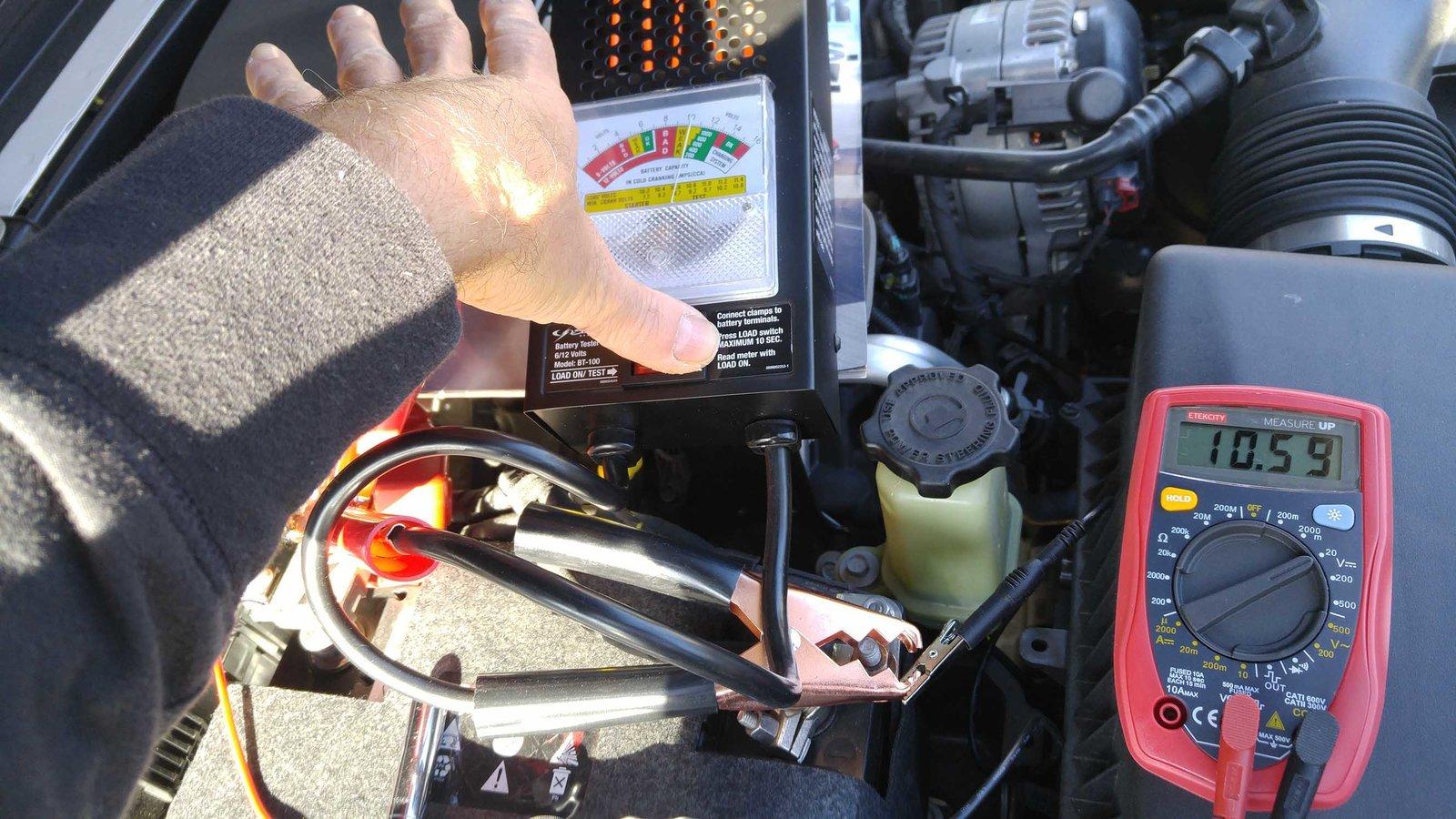
A simple voltage reading doesn’t show how the battery performs under load. If you have a battery tester, connect it and follow the instructions. A healthy auxiliary battery should hold at least 9.6V under load. If it drops lower, replacement is needed.
Step 5: Reconnect Everything
- Reinstall all covers and reconnect the negative terminal.
- Start the Jeep and check for warning lights.
- If you disconnected anything else, double-check all connections.
What The Test Results Mean
Interpreting results is as important as the test itself. Here’s a quick reference for voltage readings:
| Voltage Reading | Battery Condition | Action Needed |
|---|---|---|
| 12.6–12.7V | Fully Charged | No action needed |
| 12.4–12.6V | Good/Normal | Monitor regularly |
| 12.2–12.4V | Partially Discharged | Recharge or monitor |
| Below 12.2V | Weak/Failing | Replace battery |
A common mistake is to ignore a battery that reads around 12. 2V. Even if the Jeep seems fine, a battery at this level may fail soon—especially in cold weather.
How The Auxiliary Battery Works With The Main Battery
Understanding how the two batteries work together can help explain strange electrical symptoms. The auxiliary battery mainly supports:
- Stop-start system
- Electronic accessories when the engine is off
- Smoothing voltage drops
When the auxiliary battery fails, the main battery must do extra work. This can shorten the main battery’s life and cause unexpected shutdowns. If both batteries are old, consider replacing them together.
Here’s a quick comparison:
| Feature | Main Battery | Auxiliary Battery |
|---|---|---|
| Primary Function | Engine start, main power | Stop-start, accessories |
| Location | Engine bay | Under/next to main battery |
| Size | Large (Group 48) | Small (AGM type) |
| Replacement Cost | $100–$200 | $60–$120 |
Common Mistakes When Testing The Auxiliary Battery
Even experienced owners make errors. Here are mistakes to avoid:
- Testing the wrong battery: The auxiliary battery is smaller and hidden; check the right one.
- Testing too soon after driving: Electrical readings can be high right after use; always let the Jeep sit.
- Not disconnecting the negative terminal: This can cause inaccurate readings or short circuits.
- Ignoring low voltages: A battery reading just below normal is usually a warning sign, not safe to ignore.
- Mixing up terminals: Always double-check positive (red) and negative (black) connections.
A unique tip: Some owners find their auxiliary battery drains quickly if the Jeep has many aftermarket electronics. Consider upgrading to a higher-capacity auxiliary battery if you use extra lights, winches, or other accessories.
When To Replace The Auxiliary Battery
No battery lasts forever. In the Wrangler JL, the auxiliary battery usually lasts 3–5 years, but heat, heavy accessory use, and short trips can shorten its life.
Replace the auxiliary battery if:
- Voltage under 12.2V (after resting)
- Fails a load test
- You notice electrical problems
- Battery is more than four years old, even if it seems fine
Replacing both batteries together (if they’re the same age) can prevent future breakdowns. Always use the correct battery type—usually AGM (Absorbed Glass Mat) for the auxiliary battery.

Tips For Maintaining A Healthy Auxiliary Battery
A few habits can help your auxiliary battery last longer:
- Drive longer trips often. Short trips don’t fully recharge the battery.
- Avoid leaving accessories on with the engine off.
- Check battery voltage every six months, especially before winter.
- Clean battery terminals and keep them free of corrosion.
- If your Jeep sits unused, use a battery maintainer to keep both batteries charged.
Here’s a quick maintenance checklist:
| Task | How Often | Why It Matters |
|---|---|---|
| Test voltage | Every 6 months | Early problem detection |
| Check for corrosion | Quarterly | Ensures good connections |
| Drive at least 30 minutes | Weekly | Fully recharges battery |
| Replace after 4 years | As needed | Prevents unexpected failure |
How A Bad Auxiliary Battery Affects Your Jeep
A weak auxiliary battery can cause more than just stop-start issues. It may trigger confusing warnings, trouble codes, or even cause the Jeep to enter “limp mode. ” Many owners spend money on sensors or alternators, not realizing the small auxiliary battery is the real problem.
Some unique symptoms include:
- Engine stalls at stoplights, then restarts roughly
- Touchscreen resets or flickers
- Keyless entry stops working temporarily
If your Jeep shows random electrical problems, always check the auxiliary battery before replacing expensive parts.
When To Get Professional Help
While most Jeep owners can test and even replace the auxiliary battery, some situations call for a professional:
- If you see complex error codes after battery testing
- If you’re not comfortable disconnecting or removing batteries
- If the auxiliary battery is swollen or leaking
Dealerships and specialized mechanics have the tools and software to reset battery management systems and diagnose deeper electrical faults. If in doubt, ask an expert.
For more on battery testing and maintenance, you can find in-depth resources at the official Jeep Maintenance page.
Frequently Asked Questions
What Is The Purpose Of The Auxiliary Battery In A Jeep Wrangler Jl?
The auxiliary battery supports the stop-start system and electrical accessories when the main battery is under heavy load or the engine is off. It keeps electronics running smoothly and helps with fuel-saving features.
How Do I Know If My Auxiliary Battery Is Failing?
Look for warning lights, stop-start not working, odd accessory behavior, or a main battery that drains quickly. Testing with a multimeter is the best way to confirm.
Can I Drive My Jeep If The Auxiliary Battery Is Dead?
Yes, the Jeep will usually start and run, but you may lose stop-start and experience electrical problems. It’s best to replace a dead auxiliary battery soon to avoid further issues.
Do I Need Special Tools To Test The Auxiliary Battery?
A digital multimeter is enough for basic testing. A load tester or OBD2 scanner can give more detailed results but is optional for most owners.
Should I Replace Both The Main And Auxiliary Batteries At The Same Time?
If both batteries are over 3–4 years old, it’s a good idea to replace them together. This helps avoid future electrical issues and ensures both batteries work well together.
Testing your Jeep Wrangler JL’s auxiliary battery is a small job that can prevent big problems. With the right tools and careful steps, you’ll keep your Jeep reliable and ready for any adventure.