Owning a Jeep Patriot means you’re ready for adventure. But nothing takes the fun out of a drive like seeing the tire pressure warning light pop up on your dashboard. If you’re wondering how to turn off the tire pressure light in your Jeep Patriot, you’re not alone. This little warning can cause confusion, especially if you’ve already checked your tires. The good news? Fixing it is usually straightforward—if you know the steps. This guide will walk you through the process, explain why the light comes on, and share practical tips to keep your Patriot rolling safely.
Why The Tire Pressure Light Comes On
Your Jeep Patriot uses a Tire Pressure Monitoring System (TPMS). This system checks the air pressure in your tires. If any tire drops below the recommended level, the warning light appears on your dashboard. This light helps you avoid driving with unsafe tire pressure, which can cause poor fuel economy, uneven tire wear, or even a blowout.
But sometimes, the light stays on even after you inflate your tires. It might be due to:
- Changing weather: Cold weather can cause the air in your tires to contract, triggering the light.
- Slow leaks: Small punctures can let out air slowly, so the problem keeps coming back.
- Sensor issues: The TPMS sensors themselves can fail or lose battery.
Understanding the cause helps you fix the problem faster and more safely.
Step-by-step: How To Turn Off The Tire Pressure Light
Let’s get straight to the steps you need to follow. Most of the time, you don’t need any special tools or skills. Here’s how to reset the tire pressure light on your Jeep Patriot:
1. Check And Adjust All Tire Pressures
First, make sure all tires, including the spare, are inflated to the recommended pressure. For the Jeep Patriot, this is usually 32–35 PSI (pounds per square inch). The correct number is printed on a sticker inside the driver’s door.
- Get a reliable tire pressure gauge (digital or analog).
- Remove the valve cap from each tire.
- Check the pressure and compare it to the recommended value.
- Inflate or deflate as needed.
- Replace the valve caps.
Don’t forget the spare tire. If your model has a full-size spare with a TPMS sensor, it can trigger the light too.
2. Drive To Recalibrate The Tpms
After adjusting your tires, drive your Jeep Patriot for 10–20 minutes at speeds over 20 mph. This helps the sensors detect the new pressures and reset the warning light.
- If the light turns off, you’re done.
- If it stays on, move to the next step.
3. Perform A Manual Tpms Reset
Some Jeep Patriots allow a manual reset:
- Turn the ignition to the “ON” position but don’t start the engine.
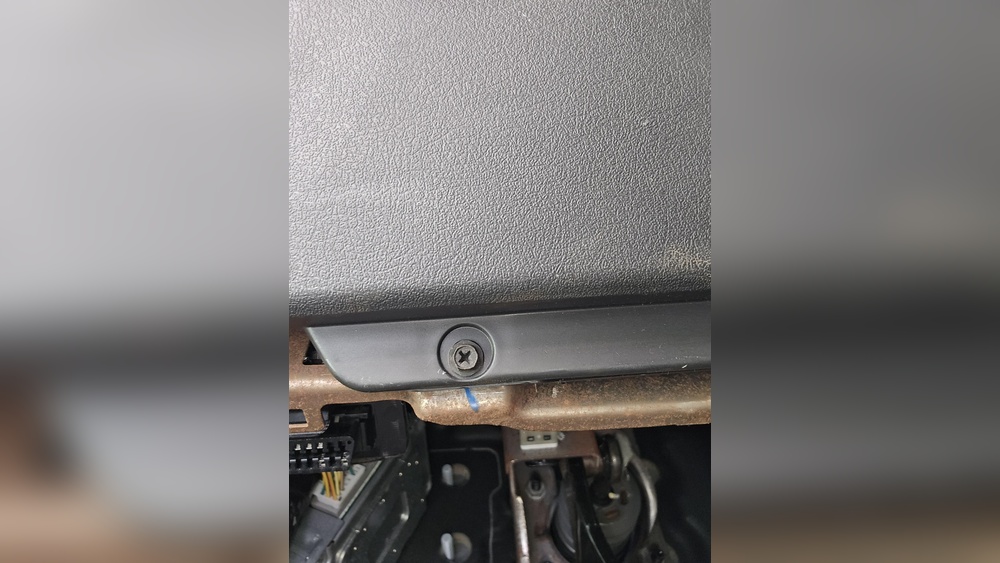
- Press and hold the TPMS reset button (usually under the steering wheel) for about 3 seconds, or until the light blinks three times.
- Release the button.
- Start the car and drive for about 10 minutes.
Not all models have this button. If yours doesn’t, skip to the next solution.
4. Reset By Disconnecting The Battery
If the light still won’t go off, try a hard reset:
- Turn off your car.
- Open the hood and locate the battery.
- Use a wrench to disconnect the negative (-) battery cable.
- Wait at least 10–15 minutes.
- Reconnect the cable and tighten it.
This will reset the car’s computer, which sometimes clears stubborn warning lights. You may need to reset your radio and clock afterward.
5. Check For Faulty Sensors
If the light remains on, you may have a bad TPMS sensor. Sensors wear out after 5–10 years or 60,000–100,000 miles. Common signs of a bad sensor include:
- The light flashes for several seconds, then stays solid.
- The light comes back quickly after a reset.
- Your tires show correct pressure, but the warning stays.
A mechanic or tire shop can scan your system to find the faulty sensor. Replacing a sensor costs about $50–$150 per tire, plus labor.
Common Reasons The Light Stays On
Sometimes, you do everything right—and the light still won’t go away. Here are the most frequent causes:
- Improperly filled tires: Even a 2 PSI difference can keep the light on.
- Sensor battery failure: The sensor’s tiny battery can die, especially in older Jeeps.
- Damaged sensor: Hitting curbs or potholes can break a sensor.
- Seasonal temperature drops: A 10°F drop can reduce tire pressure by 1–2 PSI.
- Spare tire not checked: Some Patriots monitor the spare as well.
- Aftermarket wheels or tires: Non-standard wheels may not support TPMS.
Comparing Jeep Patriot Tpms Reset Methods
Here’s a quick comparison of common ways to reset the tire pressure light:
| Method | Time Needed | Tools Required | Success Rate |
|---|---|---|---|
| Adjust Tire Pressure | 10–15 min | Tire gauge, air pump | High |
| Drive to Recalibrate | 10–20 min | None | High |
| Manual TPMS Reset | 5 min | None | Medium (not all models) |
| Battery Disconnect | 15 min | Wrench | Medium |
| Sensor Replacement | 1–2 hr | Mechanic/tire shop | High (if sensor is faulty) |

Differences: Tpms Warning Vs. Other Dashboard Lights
It’s easy to confuse the TPMS light with other warning lights. Here’s how to tell them apart:
| Light | Symbol | Meaning |
|---|---|---|
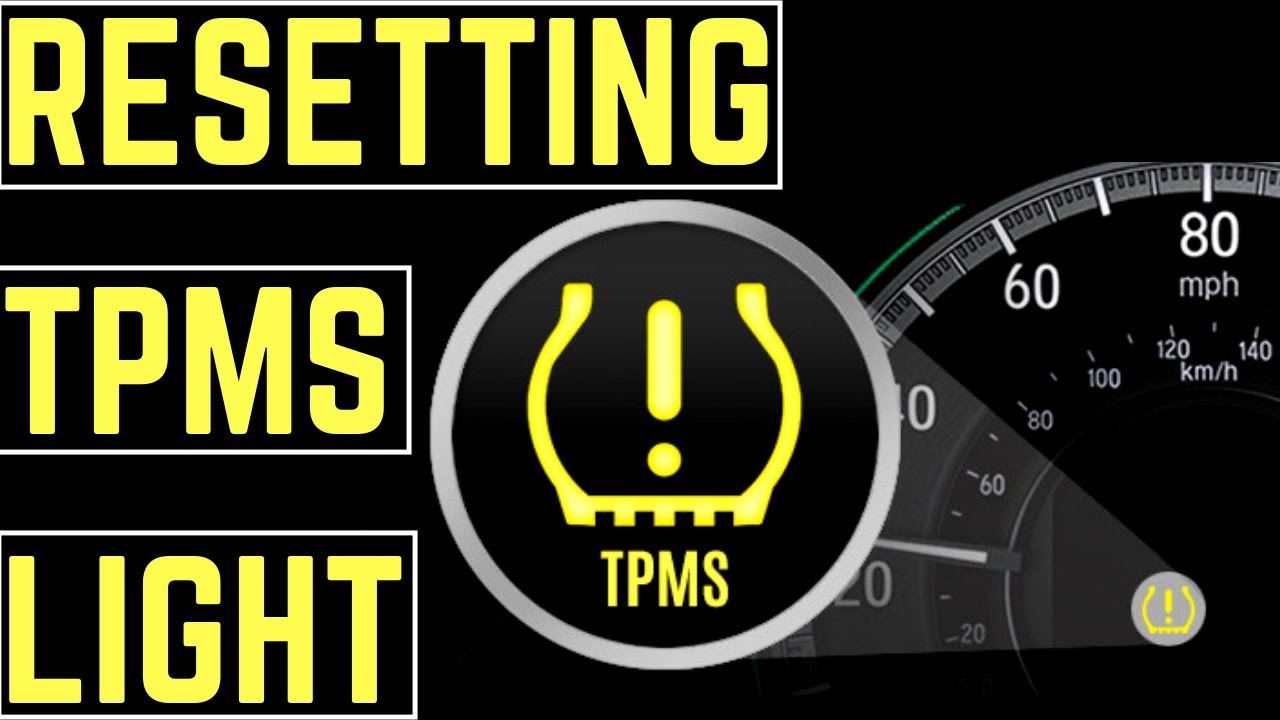
| TPMS Light | Exclamation mark inside a horseshoe | Low tire pressure or sensor issue |
| ABS Light | ABS letters in a circle | Anti-lock brake system problem |
| Check Engine Light | Engine outline | Engine or emissions issue |
Knowing the difference helps you respond correctly and avoid ignoring a more serious issue.
Practical Tips For Avoiding The Tire Pressure Light
- Check tire pressure monthly: Use a good gauge and do it when tires are cold.
- Monitor after big temperature changes: Air contracts in the cold and expands in the heat.
- Avoid cheap aftermarket sensors: They often fail or don’t communicate well with your Jeep.
- Rotate your tires: Every 6,000–8,000 miles helps sensors last longer.
- Replace sensors together: If one fails, the others may be near the end of their life.

Non-obvious Insights Most Drivers Miss
- TPMS sensors don’t always reset instantly. Some can take up to 30 minutes of driving to communicate with your Jeep’s computer, especially if you just filled the tires. Be patient and avoid multiple resets in a row.
- Aftermarket tire sealants can clog sensors. If you use a spray sealant to fix a flat, it can damage the TPMS sensor inside the tire. If the light comes on after using a sealant, the sensor may need cleaning or replacement.
The Cost Of Ignoring The Tpms Warning
Driving with the TPMS light on can seem harmless, but there are real risks:
- Reduced traction: Underinflated tires grip the road poorly, especially in rain or snow.
- Lower fuel economy: Just a few PSI low can reduce gas mileage by 1–2 MPG.
- Tire blowouts: Underinflation is a leading cause of highway tire failures.
- Expensive repairs: Worn tires and damaged sensors cost more than a simple air top-up.
According to the National Highway Traffic Safety Administration (NHTSA), proper tire inflation reduces crash risks and saves lives.
When To See A Mechanic
If you’ve followed all steps and the light still won’t go off, it’s time for professional help. Mechanics have scan tools that read TPMS error codes and identify exactly which sensor, wire, or module is faulty. They can also check for recalls or software updates.
While most TPMS repairs are straightforward, some require special tools or new parts not available at home.
What Really Matters When Fixing The Tire Pressure Light
- Accuracy is key: Don’t guess—always use a reliable gauge.
- Don’t ignore the light: Even if your Jeep feels fine, the light means something needs attention.
- Know your model year: Some Jeep Patriots (especially 2007–2010) have TPMS quirks that newer models don’t.
- Don’t swap wheels without checking sensors: If you add aftermarket wheels, make sure they’re TPMS compatible.
Jeep Patriot Tpms: Quick Facts
Here are some fast facts every owner should know:
| Fact | Detail |
|---|---|
| TPMS Type | Direct (sensor inside each tire) |
| Recommended Pressure | 32–35 PSI (check driver’s door sticker) |
| Sensor Life | 5–10 years or 60,000–100,000 miles |
| Spare Tire Monitored | Some models, especially with full-size spare |
| Common Sensor Brand | Schrader, Siemens, or Continental |
Frequently Asked Questions
Why Does My Jeep Patriot Tire Pressure Light Stay On After Filling The Tires?
If the light stays on, it may take a few miles for the system to update. Check all tires (including the spare), make sure pressures are exact, and drive for 10–20 minutes. If the light remains, a sensor may need service.
Not all Jeep Patriots have a dedicated reset button. If yours does, it’s usually located under the steering wheel. If you can’t find it, try the battery disconnect method or consult your owner’s manual.
Will Disconnecting The Battery Reset The Tire Pressure Light?
Yes, in some cases. Disconnecting the negative battery cable for 10–15 minutes can reset the vehicle’s computer and clear warning lights. This won’t fix a true sensor problem but may clear a false alert.
Can I Drive With The Tire Pressure Light On?
You can, but it’s not safe. The light means one or more tires are underinflated or there’s a sensor issue. Driving for long with low pressure can cause accidents, poor fuel economy, and tire damage.
How Much Does It Cost To Replace A Tpms Sensor In A Jeep Patriot?
A replacement sensor typically costs $50–$150 per wheel, plus labor. Aftermarket sensors may be cheaper but aren’t always reliable. Have a mechanic match the right sensor to your Jeep Patriot.
Feeling confident about your Jeep Patriot’s tire pressure light means safer drives and fewer surprises. If you follow these steps and pay attention to the details, you’ll spend less time worrying about dashboard warnings and more time enjoying the road. If you want to learn more about tire safety, check out the NHTSA’s tire safety page for official guidance.