Taking the Freedom Panels off your Jeep can transform your driving experience. If you own a Jeep Wrangler or Jeep Gladiator, you probably know how fun it is to remove the roof and enjoy the open air. But for many new Jeep owners, the process can seem confusing or intimidating. Don’t worry—removing your Freedom Panels is much easier than you think, and you don’t need special tools or mechanical skills. This guide will walk you through each step with clear explanations, tips, and advice to avoid common mistakes.
What Are Freedom Panels?
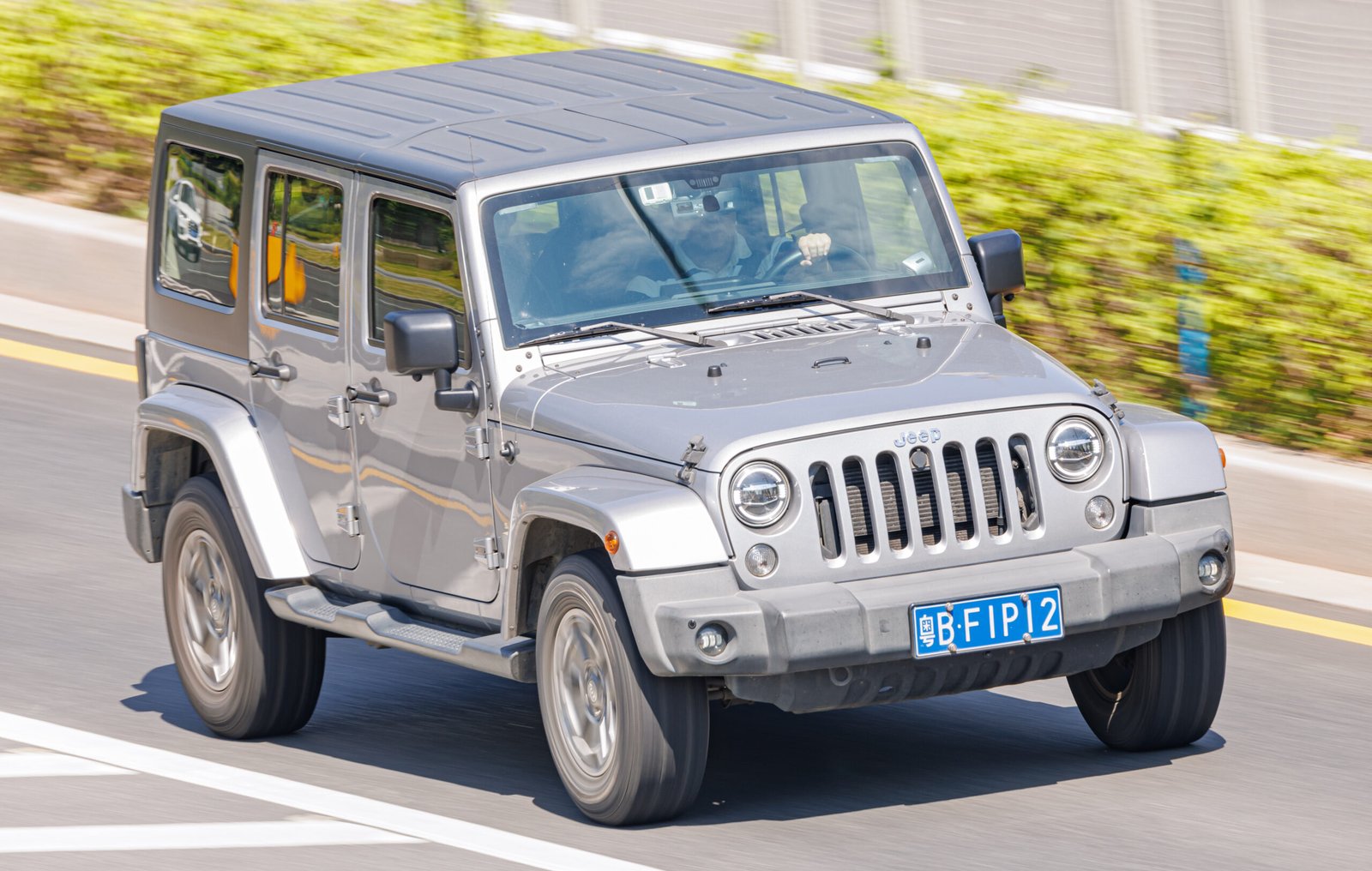
Freedom Panels are removable roof panels found on many Jeep Wranglers (JK, JL models) and Jeep Gladiators. These panels are part of the modular hardtop system. Instead of taking off the entire hardtop, you can remove just the front panels above the driver and passenger seats. This gives you a quick way to enjoy the open sky without the heavy lifting.
Some key points about Freedom Panels:
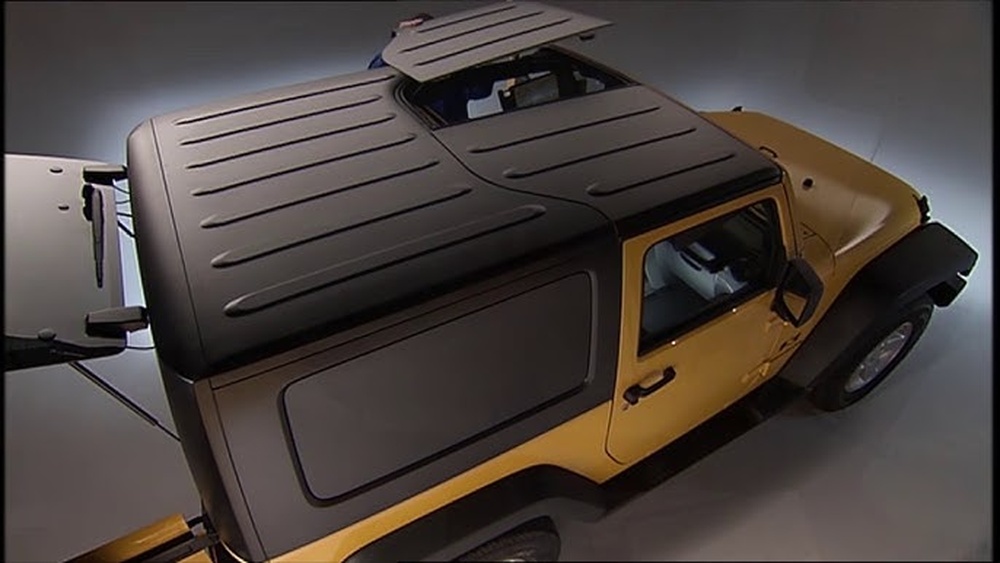
- Typically made from fiberglass or durable plastic
- Lightweight and designed for easy removal
- Can be removed by one person in a few minutes
- Offer sun, wind, and open-air feeling without full roof removal
Many Jeep owners use their Freedom Panels often, especially in spring and summer.
Why Remove The Freedom Panels?
People remove the panels for several reasons:
- Open-air driving: Enjoy fresh air and sunshine without removing the whole roof.
- Custom look: Gives your Jeep a unique, adventurous style.
- Convenience: Easier and quicker than taking off the entire hardtop.
- Improved mood: Many drivers say open-roof driving reduces stress and increases happiness.
Taking the panels off also helps with cleaning or checking for leaks.
What You Need Before You Start
You don’t need special tools, but having the right items ready will make the process smoother:
- Clean hands: To avoid fingerprints or scratches on the panels.
- A safe storage place: A soft bag, blanket, or the Jeep’s factory storage bag for the panels.
- A clear area: Enough room around your Jeep to move and set panels down safely.
- A friend (optional): While one person can do it, help makes it even easier.
For some Jeep models, you may need a Torx T50 tool if you plan to remove the full hardtop, but not for the Freedom Panels.
Step-by-step: How To Take Off Freedom Panels
Follow these steps for a smooth, safe removal:
1. Park On Level Ground
Always park your Jeep on a flat, stable surface. This prevents doors or panels from shifting or falling. Turn off the engine and set the parking brake for extra safety.
2. Remove Sun Visors
Flip down both sun visors. This gives you easy access to the latches and ensures you don’t break or bend them.
3. Unlatch The Front Latches
There are usually two or three latches at the front edge of each panel, near the windshield:
- Pull each latch down to release it. You’ll hear a small click.
- Do this for both the driver and passenger sides.
4. Release Rear Latches
Each panel has a rear rotary latch (twist handle) near the center bar:
- Turn the handle counterclockwise until it stops.
- This will fully unlock the panel.
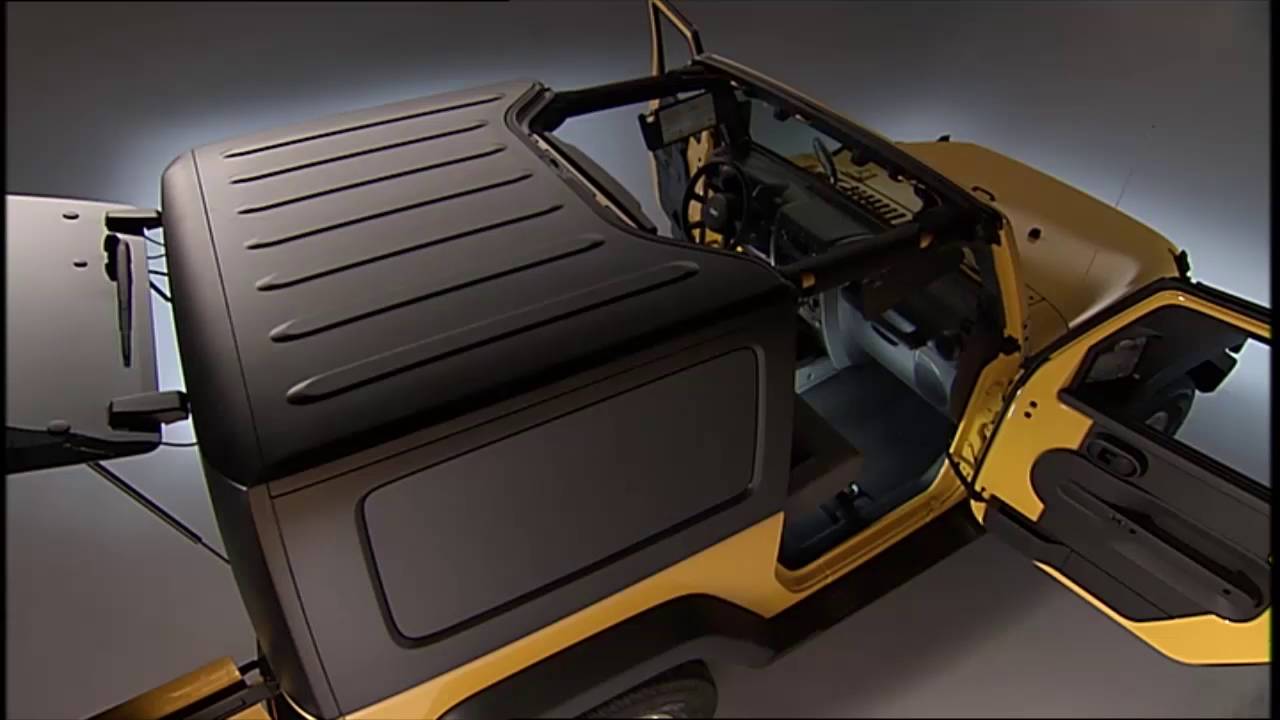
5. Lift And Remove The Panels
Now gently push up on the panel from inside the Jeep. Use both hands and lift straight up to avoid scratching the frame.
- Start with the driver’s side panel (it overlaps the passenger side).
- Set the panel down on a soft surface or in a storage bag.
- Repeat for the passenger side panel.
6. Store Panels Safely
Never stack panels directly on top of each other without protection. Use the Jeep’s storage bag if you have one, or wrap each panel in a blanket. Place them in your cargo area or a safe spot at home.
Jeep Wrangler Vs. Gladiator: Panel Removal Differences
While the removal process is almost identical, there are slight differences between Jeep models. Here’s a simple comparison:
| Feature | Wrangler (JK/JL) | Gladiator (JT) |
|---|---|---|
| Panel Size | Smaller, lighter panels | Slightly wider panels |
| Latch Mechanism | 2-3 front latches, 1 rear | 2-3 front latches, 1 rear |
| Factory Storage Bag | Usually included | Optional, not always standard |
| Removal Time | 2-3 minutes | 2-4 minutes |
Most owners say the process is equally simple for both vehicles.
Common Mistakes To Avoid
Many Jeep owners make these errors the first few times. Here’s how to avoid them:
- Forgetting the sequence: Always start with the driver’s side. It sits on top and must come off first.
- Using force: If a panel feels stuck, double-check all latches. Don’t yank or pry.
- Storing panels wrong: Laying panels on hard surfaces can cause scratches. Always use soft padding.
- Losing hardware: If you drop a latch or fastener, it may be hard to find. Be careful when unlatching.
- Not checking the weather: Removing panels before rain can lead to a wet interior.
One non-obvious tip: Inspect the panel seals when you remove them. If you see dirt or damage, clean or replace the seals to prevent leaks.
How To Put Freedom Panels Back On
Reinstalling is almost the reverse of removal, but a few points are easy to overlook:
- Check for debris: Clean both the panels and the roof area before reinstalling. Dirt can cause poor seals or rattles.
- Install passenger side first: This time, start with the passenger panel, as the driver’s side overlaps it.
- Line up alignment pins: Each panel has pins or tabs. Make sure these fit into their holes before latching.
- Secure all latches: Snap all latches in place and twist the rotary handle fully.
- Test for leaks: After installation, pour a little water over the roof to check for leaks, especially if it’s your first time.
Don’t forget to flip the sun visors back up.
Cleaning And Maintenance Tips
Taking good care of your Freedom Panels keeps them looking new and prevents problems:
- Wash panels regularly with mild soap and water. Avoid abrasive cleaners.
- Check rubber seals for cracks, dirt, or wear. Clean seals with a damp cloth.
- Lubricate latches with silicone spray if they become stiff.
- Inspect for damage after off-roading. Rocks or branches can scratch or chip the panels.
A surprising tip: UV rays can fade your panels. If you live in a sunny area, consider a panel cover or garage parking.
When You Should Not Remove The Panels
While it’s tempting to remove the panels every sunny day, there are times when it’s better to keep them on:
- Rainy or snowy weather: Panels keep your interior dry.
- Dust storms or sand: Open roof means dust everywhere.
- Highway driving at high speed: Some wind noise is fine, but long highway trips are more comfortable with the panels on.
If you’re storing valuables in your Jeep, keep the panels on for extra security.
Extra Accessories For Freedom Panel Users
A few smart accessories can make your experience even better:
| Accessory | Purpose | Approximate Price |
|---|---|---|
| Freedom Panel Storage Bag | Protects panels from scratches | $50–$100 |
| Panel Hoist System | Makes removal even easier | $150–$300 |
| Seal Cleaner | Keeps seals flexible, prevents leaks | $10–$20 |
| Soft Top Sunshade | Gives shade with panels off | $40–$80 |
If you want more protection, a panel lock kit can secure your panels from theft.
Real-world Examples
Jeep forums and owner groups are full of stories about Freedom Panel removal. Here are two examples:
- Maria from Arizona says she removes her panels every weekend in summer. The process takes her less than five minutes, and she stores them in the Jeep’s factory bag in her garage.
- John in Colorado once forgot to check the weather forecast, removed his panels, and got caught in a sudden storm. His tip: “Always check the weather first—my seats were soaked for days!”
Learning from other owners can help you avoid simple mistakes.
How Freedom Panels Compare To Soft Tops
Some Jeep owners wonder if Freedom Panels are better than soft tops. Here’s a quick comparison:
| Feature | Freedom Panels (Hardtop) | Soft Top |
|---|---|---|
| Removal Time | 2-5 minutes | 1-2 minutes |
| Noise Level | Quieter inside | Noisier at speed |
| Weather Protection | Excellent | Good, but less secure |
| Security | High | Medium |
| Cost | More expensive | Less expensive |
Freedom Panels are a great middle ground for those who want both security and open-air fun.
Non-obvious Tips For First-time Users
- Mark the panels left and right: If you switch them up, the fit may not be perfect. A small sticker or mark helps.
- Store a soft cloth in your Jeep: Use it to wipe the panels before reinstalling, especially after dusty drives.
Many new owners overlook how easy it is to scratch or chip the panels. Always handle with care.
Safety Reminders
- Never drive with the panels loose or half-attached.
- Do not place heavy items on removed panels—they can crack.
- If children are nearby, keep panels out of reach to prevent accidents.
Remember, the panels are strong but not unbreakable.
Frequently Asked Questions
How Long Does It Take To Remove Freedom Panels?
Most people can remove both panels in 2 to 5 minutes. After a few tries, it becomes a very quick process.
Can I Remove The Panels By Myself?
Yes, the panels are designed for one-person removal. If you’re small or have limited strength, a second person makes it even easier.
Will Removing The Panels Cause Leaks?
Not if you follow the steps and check the rubber seals. If you notice water inside after rain, inspect the seals and make sure the panels are seated correctly.
Do I Need Tools To Remove The Freedom Panels?
No tools are needed for the panels themselves. However, removing the full hardtop requires a Torx T50 tool.
Where Can I Find More Information About Jeep Freedom Panels?
You can find official guides and more details on the Jeep Official Website.
Taking your Jeep’s Freedom Panels off is a simple way to enjoy the outdoors and make your drive more exciting. With a little practice, you’ll be able to do it quickly and safely, and you’ll wonder why you waited so long to try.
Enjoy your next adventure!