Taking the hard top off your Jeep Sahara is a rewarding task, especially as the weather warms up and you want to enjoy open-air driving. Many Jeep owners feel nervous the first time, but with careful steps and the right tools, you can do it safely at home. This guide will walk you through every part of the process, including tips and real-world advice, so you can remove your Jeep’s hard top without stress or damage.
Why Remove The Hard Top?
Owning a Jeep Sahara means you have the flexibility to enjoy both a secure, weatherproof ride and the freedom of open air. Taking off the hard top:
- Lets you experience more sun and wind
- Makes your Jeep lighter for summer driving
- Gives you a convertible-like feel
Many drivers also remove the hard top for cleaning or when swapping to a soft top. It’s not just about style; sometimes it’s about utility and comfort.
Tools And Preparation
Before you begin, gather the tools and prepare your space. Skipping this step is a common mistake that leads to frustration or damage.
Essential tools:
- T40 Torx bit (for roof bolts)
- Ratchet or cordless drill (with Torx bit)
- Panel removal tool (optional, for wiring clips)
- Storage bags for bolts
- Soft blankets or mats (to protect the top)
- Friend/helper (the top is heavy and awkward alone)
Preparation tips:
- Park your Jeep on a flat surface.
- Choose a day with no rain or strong wind.
- Make sure you have at least 30 minutes set aside.
- If possible, open garage doors or clear space around the vehicle.
Many beginners forget to protect their hard top after removal, leading to scratches or cracks. Lay down soft mats or blankets in advance.
Step-by-step Removal Process
Taking the hard top off a Jeep Sahara is not overly complex, but attention to detail matters. Here’s a breakdown of each step.
1. Remove Freedom Panels
The Sahara’s hard top has Freedom Panels over the driver and passenger seats. These come off first.
- Flip down the sun visors.
- Undo the six latches along the windshield header (three per side).
- Turn the center latch knobs above each seat.
- Lift each panel straight up and off. Set them aside on a soft surface.
Freedom Panels are lighter than the main top but can still crack if dropped. Always lift carefully and avoid resting panels on hard concrete.
2. Disconnect Wiring And Washer Fluid Hose
With the panels off, open the rear tailgate. On the driver’s side, you’ll see:
- An electrical wiring harness
- A washer fluid hose
Both must be disconnected. Gently press the tab on the wiring connector and pull apart. For the fluid hose, squeeze the connector and pull off. Tuck both safely out of the way.
3. Remove Hard Top Bolts
The hard top is secured with several Torx bolts:
- Two above each rear seatbelt mount (total of four)
- Three along each side rail (total of six)
Use a T40 Torx bit and ratchet (or drill) to remove them. Place all bolts in a labeled bag. Many Jeep owners lose these, so a small ziplock is helpful.
Pro tip: Jeep sometimes includes a tool kit with the proper bit. If not, any auto parts store will have it.
4. Lift And Remove The Hard Top
With all bolts out and wires disconnected, you’re ready for the most physical step.
- Stand on each side of the Jeep, facing the rear.
- Grip the hard top just above the side windows.
- Lift straight up and back—do not tilt or drag.
- Carry the top away from the vehicle and gently set it down on your prepared surface.
Warning: The top weighs about 100 pounds and is large. Two people are required for most Jeeps. Lifting alone can cause injury or drop damage.
5. Store Your Hard Top
Hard tops are expensive to replace, so proper storage is essential.
- Set the top on its side or back, never on corners.
- Avoid direct sunlight, which can fade or warp the material.
- Do not place heavy objects on the top.
Some owners invest in a hoist system for ceiling storage, but soft blankets on a garage floor are usually fine for short-term.
Practical Tips And Common Mistakes
Removing a Jeep Sahara hard top isn’t hard, but small errors can cause big headaches.
- Label your bolts: The side bolts are different lengths from rear bolts. Use separate bags or labels.
- Don’t force connectors: If the wiring harness or hose feels stuck, check for hidden tabs. Forcing can break connectors.
- Check weatherstripping: Torn seals lead to leaks. Inspect as you remove panels.
- Use two people: One-person removal is a top cause of scratches and drops.
- Don’t rush: Many accidents happen when people hurry, especially at the start or end of the season.
It’s also wise to check the weather before starting. Sudden rain can ruin your interior if you’re halfway through.
Comparing Hard Top Vs. Soft Top
Many Jeep Sahara owners wonder about the benefits and trade-offs between hard tops and soft tops. Here’s a side-by-side look.
| Feature | Hard Top | Soft Top |
|---|---|---|
| Security | High (difficult to break in) | Medium (easier to cut through) |
| Noise | Quieter ride | Louder, especially at speed |
| Weather Protection | Excellent | Good, but less insulation |
| Weight | Heavier (100+ lbs) | Lighter (40-50 lbs) |
| Storage Needs | Large area required | Folds up, less space |
| Seasonal Use | Best for winter | Best for summer |
Choosing between them comes down to your lifestyle. Some drivers keep both and swap as the seasons change.
Jeep Hard Top Removal: Time And Difficulty
Many first-time owners ask how long this process takes and whether it’s difficult. Here’s a comparison to give you realistic expectations.
| Experience Level | Time Required | Effort |
|---|---|---|
| First Time (2 people) | 30–45 minutes | Medium (requires coordination) |
| Experienced (2 people) | 15–20 minutes | Low to Medium |
| Alone (not recommended) | 45+ minutes | High (risk of damage/injury) |
The main challenge is the weight and bulk of the hard top, not the complexity. Most of the time is spent on careful lifting and safe storage.

Advanced Tips For Repeat Removal
If you plan to remove your Sahara’s hard top often, consider these advanced strategies to make the process smoother each time.
- Bolt storage kits: Aftermarket kits organize and label each bolt, so you never lose them.
- Top hoist systems: Ceiling-mounted hoists let one person remove and store the top with a crank or electric winch.
- Protective covers: Special covers shield the top from dust and scratches during storage.
- Quick-release bolts: Some owners replace standard bolts with quick-release versions to save time.
Investing in these options can turn a 30-minute job into a 10-minute routine, especially if you enjoy open-air driving all summer.
Is Removing The Hard Top Worth It?
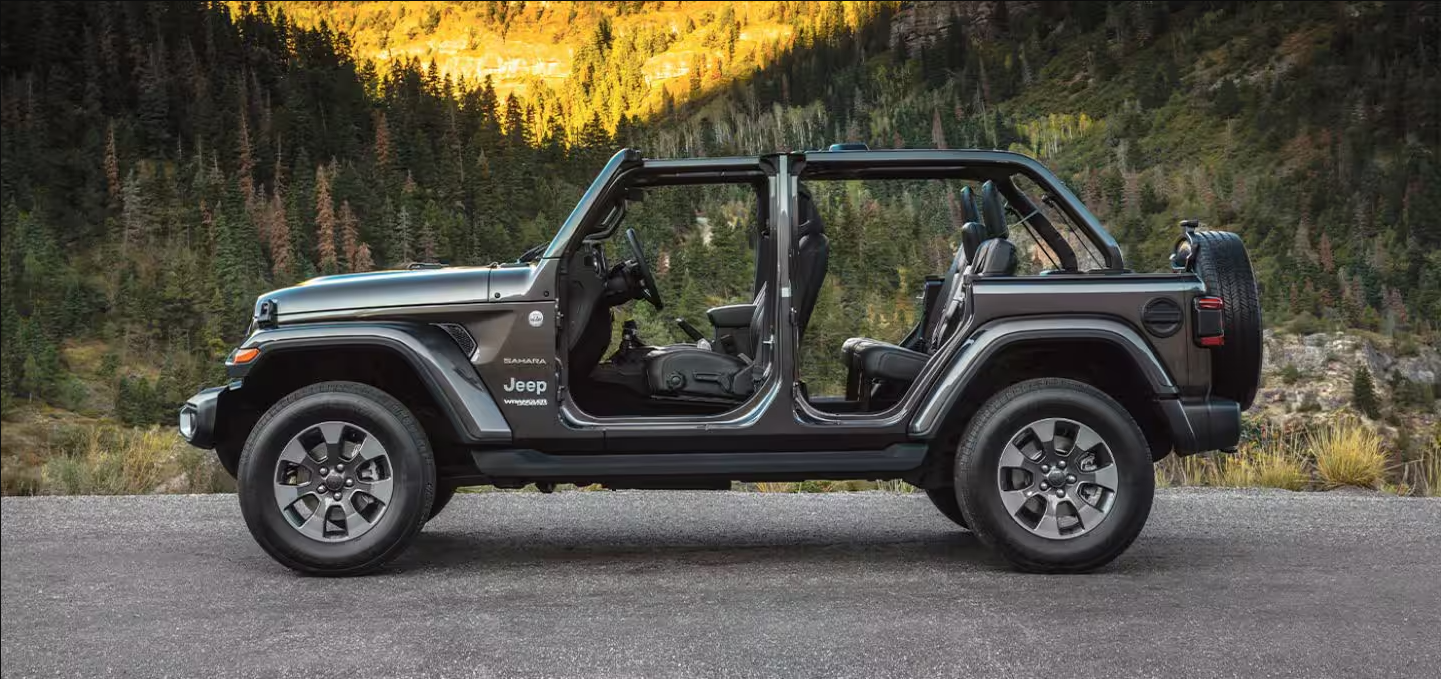
For many, the answer is a strong “yes.” The open-air experience is a key reason people buy the Jeep Sahara. You’ll enjoy:
- Better views and fresh air
- Easier access to cargo
- More fun on trails or at the beach
However, if you live in a rainy or cold climate, you’ll want to check the forecast before removing the top and store it somewhere dry.
One non-obvious tip: Many Jeep owners swap out their doors for tube or half-doors at the same time. If you plan to do this, remove the hard top first for easier access.

What To Do After Removing The Hard Top
With the top off, there are a few extra steps you should take:
- Check your weather seals: Make sure no foam or rubber is left on the body, which can cause rattles.
- Clean the Freedom Panel edges: Dirt here can cause leaks when reinstalling.
- Secure loose wiring: Use zip ties to keep wiring and hoses from flapping.
- Install a soft top or bikini top: If you want some weather protection, consider adding a simple cover.
If you’re leaving the Jeep open, remember that your vehicle is now easier to access for others, so do not leave valuables inside.
Key Safety And Security Considerations
Removing the hard top makes your Jeep Sahara more fun, but there are a few safety issues to keep in mind:
- Passenger safety: Make sure all seatbelts and roll bars are secured and unobstructed.
- Legal requirements: Some states require certain lights or mirrors to be in place if the top or doors are off. Check your local laws.
- Sun protection: Without a top, sunburn is more likely. Always keep sunscreen in your glove box.
For more on Jeep safety and open-top driving, see the official Jeep Wrangler page.
Frequently Asked Questions
How Much Does A Jeep Sahara Hard Top Weigh?
Most Jeep Sahara hard tops weigh about 100–120 pounds. Freedom Panels are lighter, around 10–15 pounds each. Always use two people for safe lifting.
Can One Person Remove The Hard Top Alone?
It is possible but not recommended. The size and weight make solo removal risky for you and your Jeep. Use a hoist system if you must do it alone.
Will Removing The Hard Top Void My Warranty?
No, removing the hard top the proper way will not void your warranty. Just be careful with wiring and connections to avoid accidental damage.
How Do I Prevent Leaks When Reinstalling The Hard Top?
Clean all seals and edges before reinstalling, and tighten all bolts evenly. Damaged or misaligned seals are the most common cause of leaks.
Is It Safe To Drive With The Hard Top Off?
Yes, as long as you have seatbelts, roll bars, and mirrors in place. Be aware of weather changes and never leave valuables in the open Jeep.
Taking the hard top off your Jeep Sahara opens up a whole new way to enjoy driving. With the right tools and a bit of patience, you’ll soon master the process and discover why so many Jeep owners love open-air adventures.