A dead battery can catch anyone off guard, especially if you are in a hurry or far from help. For owners of the 2018 Jeep Compass, knowing how to jump start your vehicle can save you time, stress, and even money. Even with modern cars, the jump start process is not as complicated as many think—but it does require some care and the right steps. Whether it’s your first time or you just need a refresher, this guide will walk you through everything you need to jump start a 2018 Jeep Compass safely and effectively.
When Should You Jump Start Your Jeep Compass?
Many drivers notice their car won’t start and immediately think of a dead battery. But before you jump to conclusions, check for other signs:
- Interior lights dim or do not turn on.
- The engine makes a clicking sound or doesn’t crank.
- Power windows and radio do not work.
If these symptoms occur and your headlights are also dim or off, it’s likely a battery issue. If you hear nothing at all when turning the key, that’s another sign your battery could be dead.
What You Need Before Starting
Jump starting is safe if you have the right tools and follow the correct process. Here’s what you need:
- Jumper cables: Make sure they are in good condition, with no exposed wires.
- Another vehicle with a good battery: This can be any car, not necessarily another Jeep Compass.
- Safety gloves and glasses (optional but recommended).
- Owner’s manual: Helpful for specific instructions or locations.
Never attempt a jump start if the battery is cracked, leaking, or has a strong sulfur smell. That’s a safety risk.
Step-by-step Guide: How To Jump Start A 2018 Jeep Compass
Let’s break down the process into clear, simple steps.
1. Position The Vehicles
- Park the working vehicle close to your Jeep Compass, but do not let the cars touch.
- Both vehicles should be turned off.
- Engage the parking brakes on both cars for safety.
2. Open The Hoods And Locate The Batteries
- Pull the hood lever inside both cars.
- Secure the hoods with the prop rods.
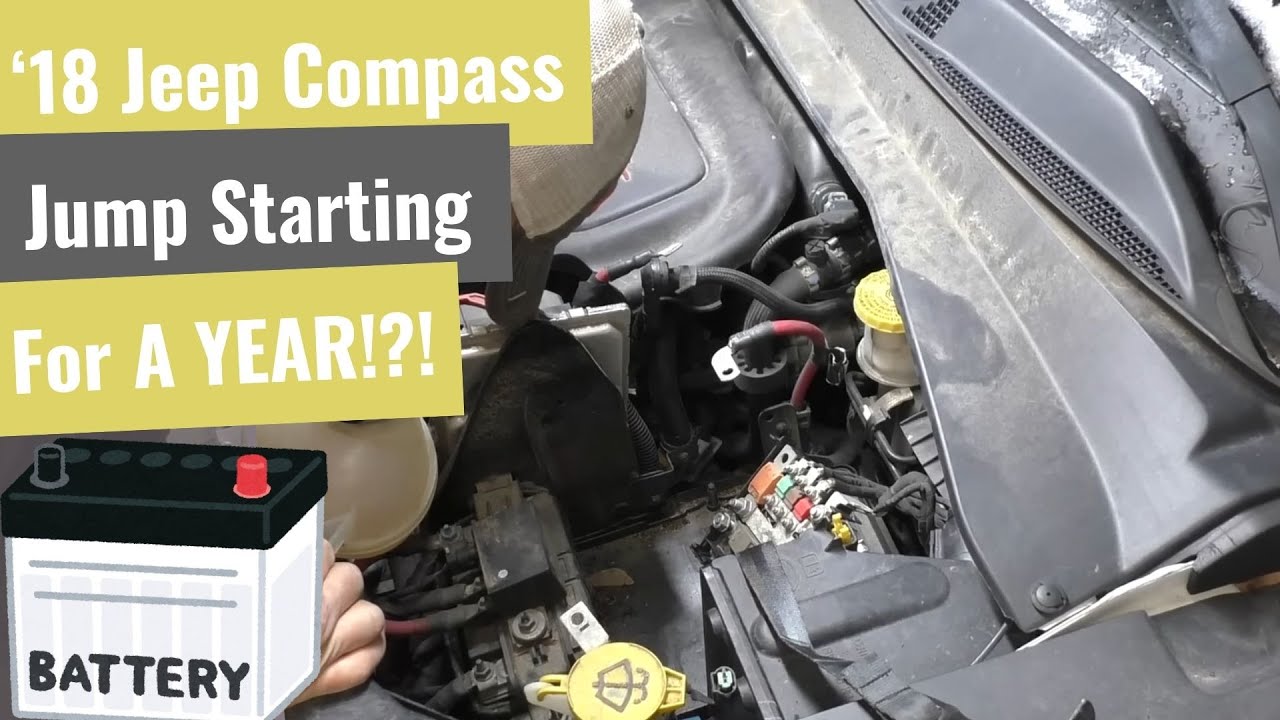
- On the 2018 Jeep Compass, the battery is on the driver’s side, near the front of the engine bay.
- Look for the positive (+) and negative (-) battery terminals.
3. Connect The Jumper Cables
The order of connection is important. Follow this sequence:
- Red clamp to Compass positive (+) terminal
- Red clamp to donor car’s positive (+) terminal
- Black clamp to donor car’s negative (-) terminal
- Black clamp to Compass metal ground (unpainted metal surface, NOT the battery’s negative terminal)
This last connection helps prevent sparks near the battery.
4. Start The Working Car
- Turn on the donor vehicle and let it run for 2-3 minutes.
- This allows current to flow and charge the Jeep Compass battery.
5. Start The Jeep Compass
- Try to start your Compass. If it doesn’t start right away, wait another 2 minutes and try again.
- If it starts, let it idle for several minutes to build up charge.
6. Remove The Jumper Cables
Remove the cables in the reverse order:
- Black clamp from Compass metal ground
- Black clamp from donor car’s negative terminal
- Red clamp from donor car’s positive terminal
- Red clamp from Compass positive terminal
Make sure clamps do not touch each other or any metal surfaces while removing.
7. Let Your Vehicle Run
Keep your Jeep Compass running for at least 20 minutes, or take it for a short drive to fully recharge the battery.
Common Mistakes To Avoid
Many people make errors during a jump start that could damage the vehicles or cause injury. Here are mistakes to watch for:
- Mixing up cable order: Always connect positive first, ground last.
- Letting clamps touch: This can cause dangerous sparks.
- Connecting black clamp to dead battery’s negative terminal: Always use a metal ground on the dead car instead.
- Ignoring battery damage: Never jump start if you see leaks or cracks.
The Science Behind Jump Starting
When you jump start, you’re providing the dead battery with enough power to start the car. The alternator then takes over, charging the battery as you drive. Jump starting does not fix a damaged or old battery—it just gives it a boost.
Safety Tips For Jump Starting
- Wear gloves and eye protection if possible.
- Don’t lean over the battery during the process.
- Keep flammable materials away from the battery area.
- If the battery is frozen, do not attempt to jump start—it could explode.
- If your Compass doesn’t start after three tries, stop and get professional help.
How To Know If Your Battery Needs Replacement
Jump starting works if your battery is just discharged. If you have to jump start your Jeep Compass more than once in a short time, or if the battery is over 3-4 years old, consider replacing it.
Here’s a quick comparison of signs between a dead battery and a bad alternator:
| Symptom | Dead Battery | Bad Alternator |
|---|---|---|
| Car won’t start | Yes | Yes |
| Dim headlights | Yes | Yes |
| Starts after jump but dies again soon | No | Yes |
| Needs frequent jump starts | Yes | Sometimes |
What To Do After Jump Starting
Jump starting is just a temporary fix. Here’s what you should do next:
- Drive for at least 20-30 minutes: This helps recharge the battery.
- Turn off all electronics: Radio, AC, and lights should be off while you recharge.
- Monitor your vehicle: If the battery dies again soon, get it tested.
- Visit a mechanic: Have your battery and charging system checked.
Extra Tips For 2018 Jeep Compass Owners
- The Compass uses a 12-volt battery—do not use a higher voltage.
- Check your owner’s manual for the exact battery type and location of jump points.
- If you have the Start-Stop system, there may be two batteries. Always jump the main under-hood battery.
- If your car has a lot of electronics, avoid using cheap jumper cables, as they may not carry enough current.
Choosing The Right Jumper Cables
Not all cables are created equal. Here’s a simple guide to help you pick the right set:
| Cable Gauge | Best For | Pros | Cons |
|---|---|---|---|
| 6-gauge | Small cars, sedans | Lightweight, easy to store | May struggle with bigger vehicles |
| 4-gauge | Midsize SUVs (like Compass) | Good power transfer | Slightly bulkier |
| 2-gauge | Large trucks, heavy duty | Works on all vehicles | Heavier, more expensive |
For the Jeep Compass, a 4-gauge cable about 12 feet long is ideal.
How To Jump Start Without Another Car
If no one is around to help, you can use a portable jump starter. These devices are compact and easy to use:
- Connect the jump starter clamps to your Jeep Compass battery (red to positive, black to ground).
- Turn on the device and start your Jeep Compass.
- Remove the jump starter after your car starts.
Portable jump starters are a smart investment if you travel often or park in remote places.
When To Call For Professional Help
Jump starting is simple, but sometimes it’s better to call a pro:
- If the battery shows physical damage or leaks.
- If you are unsure about the process.
- If the engine does not start after several attempts.
- If your car has unusual electrical systems.
Roadside assistance can safely jump start your vehicle and check for other issues.
How Weather Affects Jump Starting
Cold weather can make batteries lose power faster. In winter, keep jumper cables or a jump starter in your car. If it’s freezing outside, let the donor car run a bit longer before trying to start your Compass.
Environmental Considerations
Old batteries contain lead and acid, both of which are hazardous. When replacing your battery, always recycle it at an auto parts store or recycling center. Never throw old batteries in the trash.
Extra Insight: Protecting Your Electronics
Modern vehicles like the 2018 Jeep Compass have sensitive electronics. A voltage spike during jump starting can damage these systems. To reduce risk:
- Double-check all connections before starting.
- Never let cables dangle or touch metal.
- Use a surge-protecting jump starter if possible.
Cost Of Battery Replacement
A new battery for a 2018 Jeep Compass typically costs between $120 and $200 (including installation). Regular maintenance and periodic checks can extend battery life and prevent unexpected failures.
How Often Should You Check Your Battery?
To avoid emergencies, check your battery every 6 months or before long trips. Most auto shops offer free battery testing. Look for corrosion on terminals and clean them with a baking soda solution if needed.
Frequently Asked Questions
How Long Should I Let My Jeep Compass Run After A Jump Start?
Let your Compass run for at least 20 minutes after a jump start, or take it for a drive. This allows the alternator to recharge the battery. Turning it off too soon may result in another dead battery.
Can Jump Starting Damage My Jeep Compass?
If you connect the cables correctly and follow the steps, jump starting is safe. However, incorrect connections or cheap cables can cause voltage spikes, which may damage sensitive electronics.
What If My Jeep Compass Still Won’t Start After Jump Starting?
If your Compass does not start after three tries, the problem might be with the battery, alternator, or starter. It’s best to call for professional help or have your vehicle towed to a mechanic.
Can I Use A Portable Jump Starter On My 2018 Jeep Compass?
Yes, portable jump starters are safe and effective for the 2018 Jeep Compass. Choose a model with at least 400-600 cold cranking amps (CCA) for best results.
Where Can I Find More Official Information On Jump Starting Procedures?
Always check your owner’s manual first. For more official advice, visit the Jeep Maintenance Guide.
Jump starting a 2018 Jeep Compass is straightforward if you follow the correct steps. With the right tools and safety habits, you can get back on the road quickly and avoid unnecessary stress.
Remember, if you need to jump start often, it’s a sign to have your battery or charging system inspected.
Stay prepared, and your Compass will keep you moving no matter what the road brings.