Is A 2003 Jeep Liberty A Good Car
When considering a used SUV, the 2003 Jeep Liberty often comes up as an option. This compact SUV was popular in the early 2000s, offering rugged looks and off-road ability. But is it still a smart buy today? Let’s take a close look at its strengths, weaknesses, and what you should know before making a decision.
Overview Of The 2003 Jeep Liberty
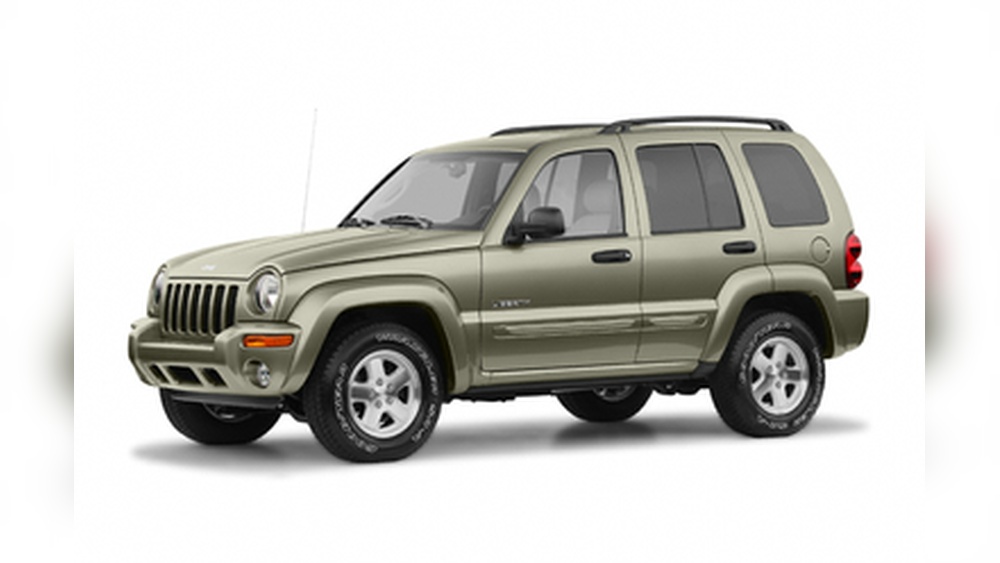
The 2003 Jeep Liberty sits in the small SUV segment. It was designed for drivers who wanted something tougher than a regular crossover, but more comfortable than a truck. It came in two main trims: Sport and Limited. Buyers could choose between a 2.4L four-cylinder engine or a 3.7L V6, with both two-wheel and four-wheel drive options.
Key Specs
- Engine choices: 2.4L 4-cylinder (150 hp), 3.7L V6 (210 hp)
- Transmission: 5-speed manual or 4-speed automatic
- Towing capacity: Up to 5,000 lbs (with V6)
- Fuel economy: 15-20 mpg city, 19-24 mpg highway
What Makes The 2003 Jeep Liberty Stand Out
The Liberty was one of the few compact SUVs at the time with real off-road capability. With the available Selec-Trac and Command-Trac 4WD systems, it could handle mud, snow, and rough trails. The high ground clearance and strong suspension helped it go places competitors couldn’t.
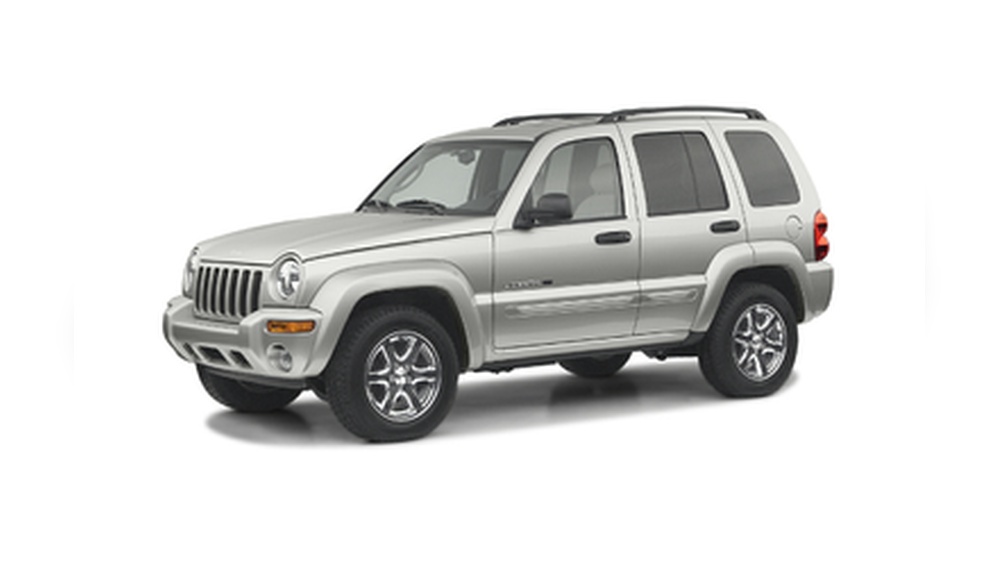
Another highlight is its towing ability. With the V6 engine, it can tow as much as some midsize SUVs. This makes it good for small campers or boats.
Common Problems And Reliability
No used car is perfect, and the 2003 Liberty has its share of issues. Owners often report:
- Window regulator failure: Power windows can stop working, requiring costly repairs.
- Ball joint wear: Suspension parts can wear out early, affecting safety.
- Engine problems: The 3.7L V6 may develop oil leaks or timing chain noise.
- Rust: Some models, especially in cold climates, show rust on the underbody.
On the positive side, the 2.4L four-cylinder is generally reliable, but it feels underpowered for the size of the vehicle. Routine maintenance, like timely oil changes and suspension checks, can help prevent larger problems.
Interior Comfort And Features
Inside, the Liberty offers simple controls and a practical layout. The front seats are supportive, and the rear seats fold down for more cargo space. Standard features in 2003 included air conditioning, AM/FM radio, and cloth upholstery. Limited trims added power accessories, upgraded audio, and sometimes leather seats.
Some owners find the interior materials feel cheap, and road noise can be higher than newer SUVs. Cargo space is decent for daily needs, but not as large as some rivals.
Interior Feature Comparison
| Feature | 2003 Jeep Liberty | 2003 Honda CR-V |
|---|---|---|
| Seating Capacity | 5 | 5 |
| Rear Seat Fold-Down | Yes | Yes |
| Leather Option | Yes (Limited) | No |
| Sunroof Option | Yes | Yes |
Driving Experience
On the road, the Liberty feels solid but not sporty. The ride is firm, which helps off-road but can be rough on city streets. The steering is heavier than many cars, but this gives a feeling of control. The V6 engine provides good power, especially for towing or highway driving.
Parking and low-speed turns are easy, thanks to its compact size. However, the Liberty’s weight and tall stance can lead to body roll when cornering fast.
Safety Ratings
In 2003, the Liberty received mixed safety ratings. The National Highway Traffic Safety Administration (NHTSA) gave it four stars for driver and front passenger crash protection. Side impact protection was average for the time, but not as strong as newer models.
Key safety features included:
- Front airbags
- Available ABS brakes
- Sturdy frame design
Safety Comparison: Liberty Vs. Ford Escape
| Crash Test (NHTSA) | 2003 Liberty | 2003 Escape |
|---|---|---|
| Front Impact | 4 stars | 4 stars |
| Side Impact | 3 stars | 4 stars |
| Rollover | 3 stars | 3 stars |

Real-world Ownership Costs
Buying a used 2003 Jeep Liberty is affordable, with most selling for $2,500–$5,000 depending on condition and mileage. Insurance rates are reasonable, but fuel costs are higher due to its lower mpg.
Repair costs can add up, especially for suspension or window motor problems. Finding parts is easy in the US, and there are many independent mechanics who know this model. If you plan to keep the vehicle long-term, budget for some repairs.
Maintenance Cost Snapshot
| Service | Estimated Cost |
|---|---|
| Oil Change | $40–$60 |
| Brake Pads (all wheels) | $200–$350 |
| Window Regulator | $300–$500 |
| Ball Joints | $250–$400 |
Who Should Consider A 2003 Jeep Liberty
The Liberty is a smart choice for:
- Drivers needing real off-road ability in a small SUV
- People who tow small trailers or boats
- Shoppers on a tight budget who are handy with repairs
However, if you want top reliability, quiet comfort, or good fuel economy, you may want to consider newer or different models.
Two non-obvious insights: First, the 2003 Liberty’s resale value is lower than Japanese rivals, which means you get more car for your money. Second, many owners join online Jeep forums for DIY repair support; this community can save you money and headaches.
Final Thoughts
A 2003 Jeep Liberty is not for everyone, but it fits a special group of drivers. If you value off-road skills, classic Jeep style, and don’t mind higher running costs, it can be a good used SUV. Be sure to check for rust, suspension wear, and window issues before buying. With careful shopping, it’s possible to find a well-kept Liberty that will serve you well for years. For more background on the model, see the official Jeep Liberty Wikipedia page.
Frequently Asked Questions
What Is The Expected Lifespan Of A 2003 Jeep Liberty?
With proper maintenance, many reach 150,000 to 200,000 miles. Regular oil changes and early repair of suspension parts are key to a long life.
Is The 2003 Jeep Liberty Expensive To Maintain?
It is average compared to other SUVs of its age, but repairs like window motors and ball joints can be costly. DIY owners often save money.
How Does The Liberty Handle Snow And Rough Terrain?
The 4WD system gives strong traction in snow and on trails. Good tires and working four-wheel drive are important for safety.
What Are The Main Issues To Check Before Buying?
Look for rust, test all power windows, and have a mechanic check the suspension and engine for leaks or noises.
Is The 2003 Jeep Liberty Fuel Efficient?
No, it uses more fuel than many small SUVs. Expect 15–20 mpg city and 19–24 mpg highway, depending on the engine and driving style.