Buying a used SUV can feel risky, especially when you’re looking at models like the 2012 Jeep Liberty. This vehicle promises rugged style and off-road ability, but reliability is a big concern for many buyers. If you want to know if the 2012 Liberty is dependable, this guide breaks down its strengths, weaknesses, and what real owners experienced. With clear facts and practical advice, you’ll see if it’s the right fit for your needs.
Reliability Overview
The 2012 Jeep Liberty is often described as tough but inconsistent. It’s built for adventure, yet not always trouble-free. According to J.D. Power, the Liberty scored 2.5 out of 5 for reliability. That’s below average for midsize SUVs. Owners report mixed experiences—some enjoy years of reliable driving, while others face expensive repairs.
Many drivers appreciate the Liberty’s solid frame and off-road features, but report that everyday reliability is unpredictable. For example, some owners mention that the SUV starts and runs well for months, then suddenly develops electrical or transmission issues. This inconsistency can make budgeting for repairs hard.
Key Reliability Factors
- Engine: The Liberty uses a 3.7L V6, with 210 horsepower. While strong, it’s not very fuel efficient and may develop leaks after 80,000 miles. Some owners also notice noisy operation and rough idling as the engine ages. If not properly maintained, timing chain problems can appear, increasing repair costs.
- Transmission: Many owners notice rough shifting after 60,000 miles. Transmission repairs can cost $1,500–$2,000. If fluid changes are skipped, shifting becomes more jerky, and the transmission may fail completely. Sometimes, the issue is a simple sensor, but often, full rebuilds are needed.
- Electrical system: Common complaints include window regulators and faulty sensors. The Liberty’s electrical system is sensitive; problems with door locks, dashboard lights, and even starter circuits are reported. Fixing these issues often requires specialized mechanics, raising costs.
Common Problems
Understanding what goes wrong with the Liberty can help you decide if it’s worth buying. Here are the most frequent issues:
- Window Regulators Fail: The windows may stop working. This is costly, with repairs often $300–$500 per window. Many owners report multiple windows failing in the same year. If you hear grinding or clicking when moving windows, the regulator may soon break.
- Engine Oil Leaks: Gaskets and seals wear out, leading to leaks. Repairing oil leaks costs about $250–$400. Oil leaks can cause engine damage if ignored. It’s important to check for oil spots under the car and inspect gaskets during oil changes.
- Rust on Undercarriage: Especially in snowy areas, rust can form early. Regular washing and rustproofing help prevent this. In some cases, rust spreads to suspension parts, which can become unsafe. Using undercoating and inspecting yearly is wise.
- Transmission Trouble: Jerky shifting and hesitation are common. Ignoring these signs can lead to bigger, pricier repairs. Sometimes, the Liberty will slip out of gear, especially when towing. If you notice delayed engagement or hear whining noises, get it checked quickly.
Less common, but worth mentioning, are heater core failures and air conditioning leaks. These can add $500–$1,000 to repair costs and impact comfort in extreme weather.
Owner Satisfaction
How do real owners feel about the Liberty? Reviews are split. Some praise its off-road capability and sturdy build. Others complain about reliability and expensive fixes.
| Aspect | Owner Rating | Comment |
|---|---|---|
| Comfort | 3/5 | Seats are firm, ride is bumpy |
| Performance | 4/5 | Good for towing and light trails |
| Reliability | 2.5/5 | Needs frequent repairs |
| Fuel Economy | 2/5 | 15 mpg city, 21 mpg highway |
Some owners say the Liberty feels safe and solid, especially in bad weather. They like the visibility and easy controls. However, others find the bumpy ride and noisy cabin uncomfortable on long trips. Families often mention limited rear seat space, which can be a drawback for those with kids.
Maintenance Costs
Owning a Liberty means planning for regular maintenance and unexpected repairs. Annual maintenance costs average $650–$900, which is higher than similar SUVs like the Toyota RAV4.
| Service | Average Cost | Frequency |
|---|---|---|
| Oil Change | $45 | Every 5,000 miles |
| Brake Pads | $250 | Every 40,000 miles |
| Transmission Service | $200 | Every 60,000 miles |
| Window Regulator | $400 | As needed |
Other costs to keep in mind include tire replacements ($600–$900 for a set) and cooling system repairs ($350–$600). Because the Liberty is used for towing and off-roading, brakes and suspension parts may wear out faster, raising yearly costs. If you plan to use it in harsh conditions, budget extra for repairs.

Comparison With Other Suvs
If you’re comparing the Liberty to other SUVs, here’s a quick look at how it stacks up:
| Model | Reliability Score | Annual Maintenance |
|---|---|---|
| 2012 Jeep Liberty | 2.5/5 | $800 |
| 2012 Toyota RAV4 | 4/5 | $500 |
| 2012 Ford Escape | 3.5/5 | $650 |
The Liberty stands out for its ruggedness, but falls behind in reliability and cost. The RAV4 is praised for its long-lasting engine and lower repair bills. The Ford Escape offers a balance—more comfort and better fuel economy, but still not as off-road ready as the Liberty.
For buyers wanting adventure, the Liberty is tempting. For those wanting dependable, everyday travel, the RAV4 often wins.
Two Non-obvious Insights
- Off-Road Use Increases Repairs: If you drive the Liberty off-road often, expect more wear and tear. Suspension and drivetrain parts break down faster than in city use. Mud, rocks, and water can damage seals and joints, leading to extra repairs that city drivers avoid.
- Short Trips Affect Reliability: Many Liberty owners use the SUV for short, daily trips. This can cause the engine and transmission to wear out sooner, since they never reach optimal operating temperature. Engines need time to warm up; frequent cold starts increase stress and lead to quicker part failure.
Few buyers realize that using the Liberty for only short errands can create more problems than highway driving. If you buy one, try to mix in longer drives to help parts last.

Practical Buying Tips
If you’re considering a 2012 Liberty, check these points before buying:
- Ask for service records—especially window and transmission repairs. A history of regular oil changes and completed recalls is a good sign.
- Inspect for rust underneath and around the doors. Look closely at suspension parts and brake lines for corrosion.
- Test drive and listen for shifting problems or engine noises. Slow acceleration or hard shifting means trouble.
- Look for recalls and make sure they have been fixed. Some Liberties had safety recalls for airbags and fuel systems; check these on official sites.
Some buyers skip pre-purchase inspections, but spending $100–$150 for a mechanic’s opinion can save thousands later. Mechanics can spot hidden leaks, worn bushings, or electrical faults that aren’t obvious on a quick look.
When test driving, try different speeds and road types. Listen for rattles, squeaks, and check all windows and electronics. Ask about tire age and brake condition, as these can cost hundreds to replace soon after buying.
Is It Worth Buying?
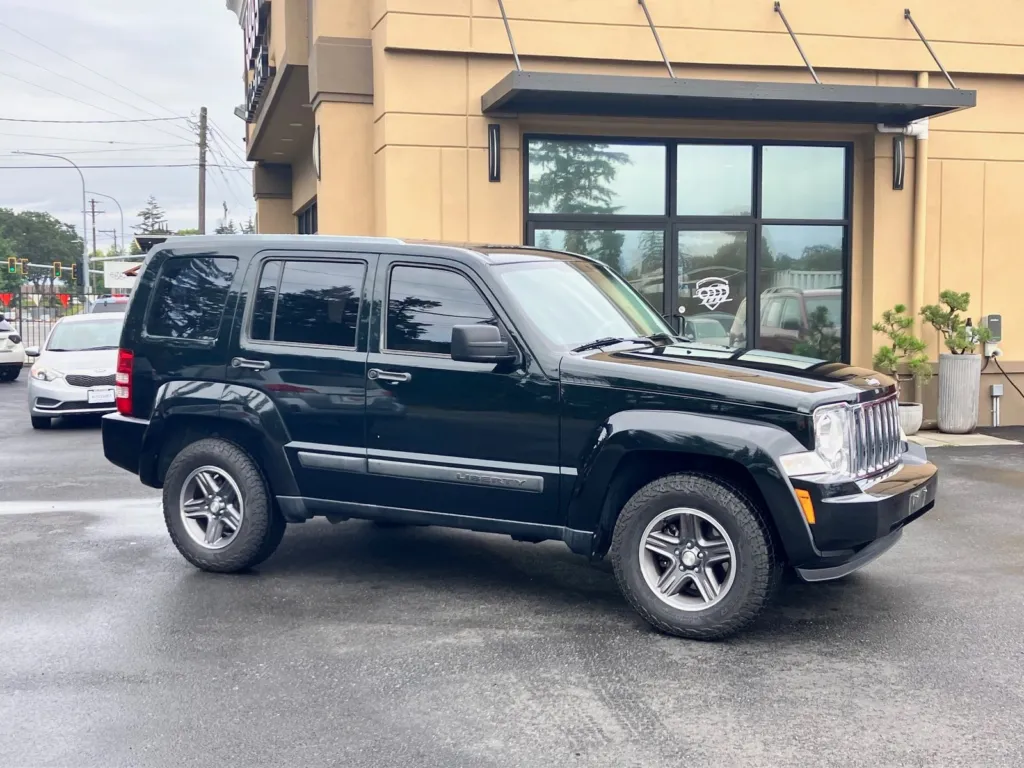
The 2012 Jeep Liberty is not the most reliable SUV, but it suits certain needs. If you want a rugged, affordable vehicle and don’t mind higher maintenance, it’s a fair choice. For lower-cost, dependable driving, consider other models.
The Liberty’s strengths are its off-road ability, towing, and unique style. Its weaknesses are fuel economy, frequent repairs, and comfort. Buyers who accept these trade-offs often enjoy the SUV, especially in rural or snowy areas.
If you need more detailed repair data, visit Consumer Reports for expert analysis.
Frequently Asked Questions
How Many Miles Can A 2012 Jeep Liberty Last?
Most Liberties reach 120,000–180,000 miles with regular care. Heavy off-road use or neglect can shorten this. Proper maintenance is key—ignore oil changes or drive with leaks, and the lifespan drops fast.
Is The 2012 Jeep Liberty Good For Winter Driving?
Yes, the Liberty’s 4WD system handles snow and ice well. Make sure tires and brakes are in good shape. Many owners in cold climates praise its traction and ground clearance. Adding winter tires makes a big difference.
Are Repair Costs High For The Liberty?
Repair costs are higher than average, especially for electrical problems and transmission issues. Window repairs, rust treatment, and engine leaks can add up quickly if not caught early.
What Are The Most Common Complaints?
The top complaints are window regulator failures, engine oil leaks, and rough shifting. Some owners also mention noisy suspension and worn interior materials.
Is The 2012 Jeep Liberty Fuel Efficient?
No, it’s below average. Expect 15 mpg city and 21 mpg highway, which is less than other midsize SUVs. Frequent stop-and-go driving lowers this further.
Choosing the 2012 Jeep Liberty means balancing rugged features against reliability worries. It’s best for buyers who want adventure and can handle a few extra repairs. With careful inspection and regular maintenance, you can enjoy its strengths and avoid its most common pitfalls.
If you value reliability over ruggedness, look at other SUVs before deciding.