Buying a Jeep Wrangler is a dream for many adventure lovers. The Wrangler is famous for its rugged style, off-road skills, and open-air driving. But not all years are created equal. Some models come with serious issues that can turn your dream into a headache. Knowing which Jeep Wrangler years to avoid can save you money, stress, and time.
Why Some Jeep Wrangler Years Are Risky
Wranglers are known for their tough look, but some years have faced more problems than others. Issues can include engine troubles, transmission failures, and rust. These problems mean more repairs, higher costs, and less fun on the road.
Many buyers make the mistake of choosing a Wrangler based only on price or looks. It’s important to look deeper and check the model’s history, reliability, and user complaints.
Jeep Wrangler Years You Should Avoid
Some Wrangler years stand out for all the wrong reasons. Here’s a closer look at the main years that are best to skip:
1. 2007–2008
The 2007 and 2008 Wranglers were the first of the JK generation. These years suffered from serious engine problems. Many owners reported engine stalling, often at low mileage.
Common issues:
- Faulty TIPM (Totally Integrated Power Module)
- Engine stalls or won’t start
- Leaky roofs
These models also had electrical problems that could cause safety issues. Repair bills could quickly add up to thousands of dollars.
2. 2012
While the 2012 Wrangler brought a new 3.6L Pentastar V6 engine, it also introduced new headaches. Owners reported engine ticking, which is often linked to bad cylinder heads.
Problems seen:
- Cylinder head failures
- Overheating
- Transmission issues
Some of these issues showed up before 60,000 miles, leading to expensive repairs.
3. 2013–2014
The 2013 and 2014 models saw fewer problems than 2012, but new complaints appeared. The main issues were with the transmission and electrical system.
Frequent problems:
- Transmission slips or jerks
- Unresponsive touchscreens
- Airbag warning lights
While not as bad as 2007–2008, these years still cost owners in repairs and lost time.
4. 2018–2019
The new JL generation launched in 2018, but the first two years had growing pains. Many drivers faced steering issues and recalls for the new technology.
Notable concerns:
- “Death wobble” (violent steering wheel shake)
- Faulty welds in the frame
- Backup camera failures
Some fixes were covered by recalls, but many owners had to pay out of pocket.

Data Snapshot: Problem Years At A Glance
To make it easier, here’s a quick comparison of the key issues for the main years to avoid:
| Year | Main Problems | Average Repair Cost |
|---|---|---|
| 2007 | Engine stalling, TIPM failure | $1,800 |
| 2008 | Electrical issues, leaks | $1,400 |
| 2012 | Cylinder head failure, overheating | $2,500 |
| 2013–2014 | Transmission, electrical system | $1,200 |
| 2018–2019 | Steering, frame welds | $1,600 |
What Makes A Year Worth Avoiding?
Not every complaint means you should avoid a model year. Here’s what usually signals a risky Wrangler:
- High number of recalls: Recalls mean there are safety concerns that affect many vehicles.
- Expensive repairs: Engine, transmission, or major electrical repairs often cost more than $1,000.
- Frequent owner complaints: When many people report the same problem, it’s a red flag.
A good way to compare is by looking at recall and complaint data side by side.
| Year | Number of Recalls | Owner Complaints |
|---|---|---|
| 2007 | 10 | 1,200+ |
| 2012 | 7 | 900+ |
| 2018 | 12 | 1,100+ |

Non-obvious Insights Most Buyers Miss
Many buyers focus only on the mileage and appearance. But two hidden factors matter just as much:
- Previous Use: Wranglers are often used for off-roading. Even low-mileage models can have hidden frame or suspension damage from rough use.
- Aftermarket Modifications: Many Wranglers are modified. While this can look cool, modifications can hide damage or void warranties.
Always get a trusted mechanic to inspect a used Wrangler—especially from the years to avoid.
Better Years To Consider
If you love the Wrangler but want fewer problems, some years are much more reliable. Models from 2015–2017 (late JK generation) get high marks for reliability and fewer recalls. The 2020 and newer JL models fixed many early bugs.
However, no Wrangler is perfect. Regular maintenance and careful driving help any year last longer.
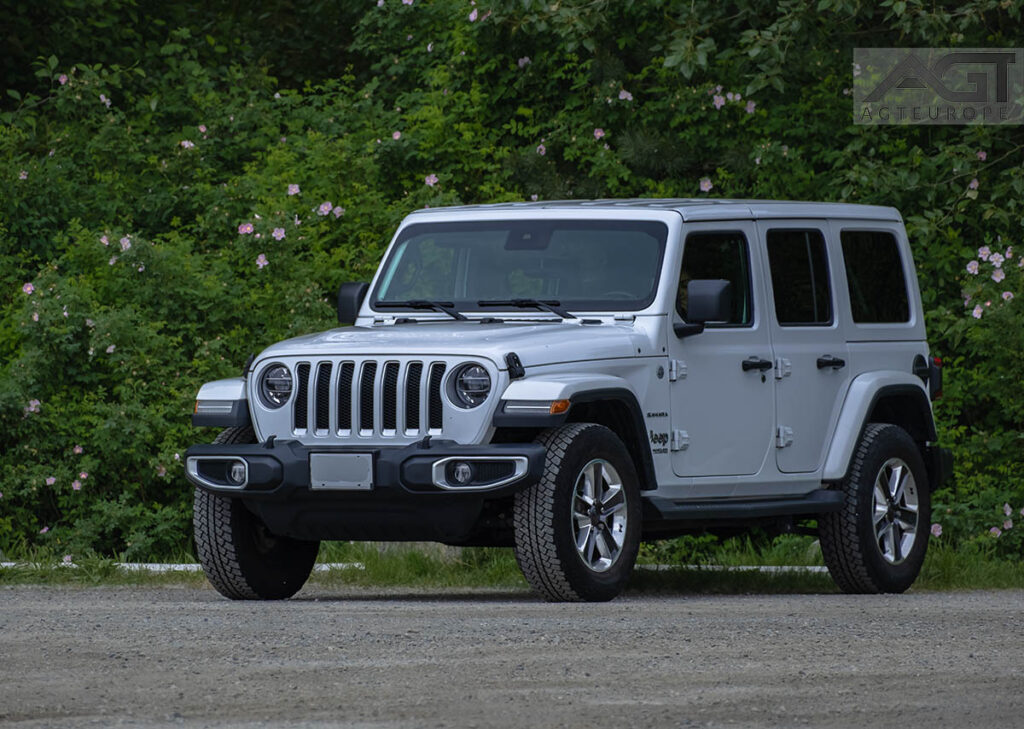
Real-world Example
Imagine you find a cheap 2012 Wrangler. The price looks great, but you see owner reviews mentioning ticking noises and overheating. A quick check shows the engine could need a new cylinder head—a $2,500 repair. Spending more on a reliable year can save you much more in the long run.
Where To Find More Information
Before you buy, check official recall databases and owner forums. The National Highway Traffic Safety Administration (NHTSA) offers up-to-date data on recalls and complaints. Visit NHTSA’s official site for specific Wrangler years.
Frequently Asked Questions
What Is The “death Wobble” In Jeep Wranglers?
The death wobble is a violent shaking of the steering wheel, often at highway speeds. It’s usually caused by loose or worn steering parts. This problem is common in 2018–2019 models.
Are Older Jeep Wranglers More Reliable?
Some older Wranglers, like those from the TJ generation (1997–2006), are simple and reliable if well maintained. But rust and age-related issues can still be a concern.
Is High Mileage A Problem For Wranglers?
Not always. Many Wranglers last over 200,000 miles with good care. But frequent off-roading or poor maintenance can shorten their life.
Should I Avoid Wranglers With Modifications?
Be careful. Many modifications are done for off-roading and may hide damage. Always get a full inspection before buying a modified Wrangler.
How Do I Check If A Jeep Wrangler Has A Recall?
You can search by VIN on the NHTSA website or ask the seller for service records. This helps you avoid models with unaddressed safety issues.
Choosing the right Jeep Wrangler year can make all the difference in your ownership experience. By avoiding the risky years and knowing what to look for, you can enjoy adventure—and avoid expensive surprises.