Leasing a Jeep Gladiator is a big decision, especially if you want a versatile truck without the high upfront cost. The Gladiator stands out with its rugged style, off-road ability, and unique features. But is leasing the right choice for you?
Let’s break down the details so you can decide with confidence.
What Makes The Jeep Gladiator Special?
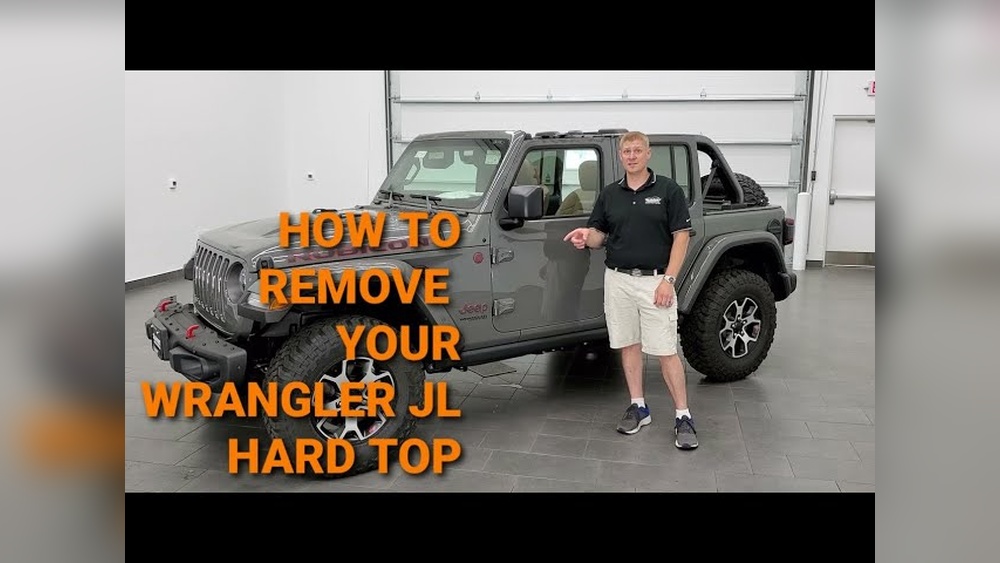
The Jeep Gladiator mixes the classic Jeep look with a pickup truck’s power. It offers removable doors and roof, a strong V6 engine, and real off-road performance. It’s the only truck in the market that lets you feel the wind as you drive. Gladiator owners love its towing capacity (up to 7,700 lbs), roomy back seats, and solid 4×4 system.
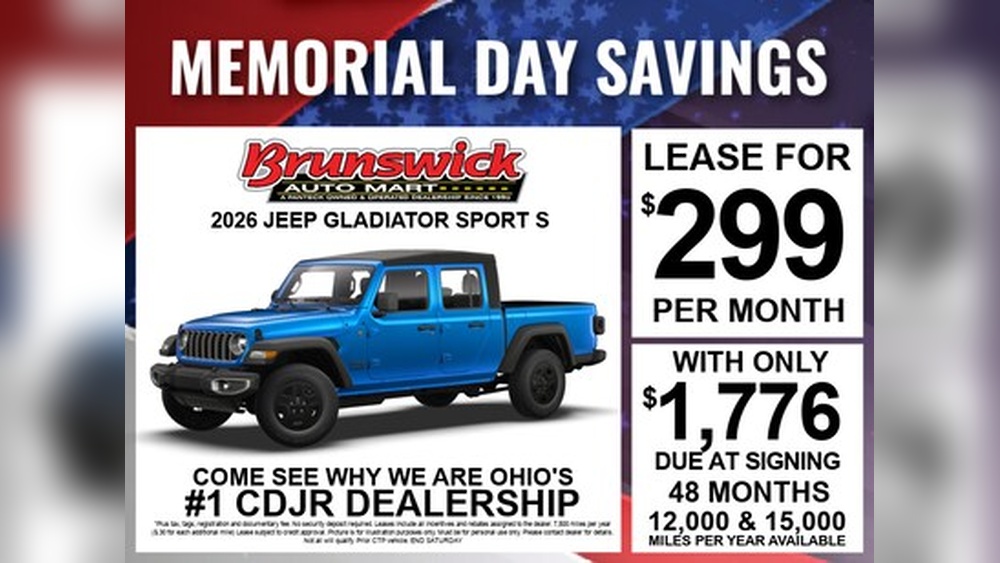
People lease the Gladiator because it’s new, exciting, and flexible. But the question is: does leasing deliver good value compared to buying?
Leasing Vs. Buying: Cost Comparison
Leasing usually means lower monthly payments than buying. With a lease, you pay for the depreciation over a set term (often 36 months), not the full price of the vehicle.
Here’s a simple comparison:
| Option | Upfront Cost | Monthly Payment | Ownership | Mileage Limit |
|---|---|---|---|---|
| Lease | $2,500–$5,000 | $450–$650 | No (return after term) | 10,000–15,000/year |
| Buy | $5,000–$8,000 (down payment) | $700–$950 | Yes (you own it) | Unlimited |
Leasing is attractive if you want lower payments and a new vehicle every few years. However, buying gives you full ownership and no mileage restrictions.

Pros Of Leasing A Jeep Gladiator
- Lower monthly payments: Leasing is easier on your budget.
- Drive a new model: You enjoy the latest features and technology.
- Warranty coverage: Most repairs are covered during the lease.
- Easy upgrades: Switch to a new Gladiator or another Jeep at lease end.
- No resale worries: You simply return the vehicle.
Here’s another useful table showing benefits:
| Leasing Advantage | Why It Matters |
|---|---|
| Lower Payments | Less strain on monthly budget |
| Warranty Repairs | Peace of mind—no big repair bills |
| Latest Features | Stay current with tech and safety |
| Flexibility | Change vehicles more easily |
Leasing can be great, but there are downsides:
- Mileage limits: Going over means extra fees ($0.25+ per mile).
- Customization rules: No major changes—no lifts, special paint, or big accessories.
- Wear-and-tear charges: Scratches or dents may cost you at lease end.
- No ownership: Payments end, but you don’t keep the Gladiator.
Some beginners miss the fact that lease contracts are strict. If you need to end your lease early, you’ll pay steep penalties. Also, leasing doesn’t build equity—you’re paying to use, not to own.
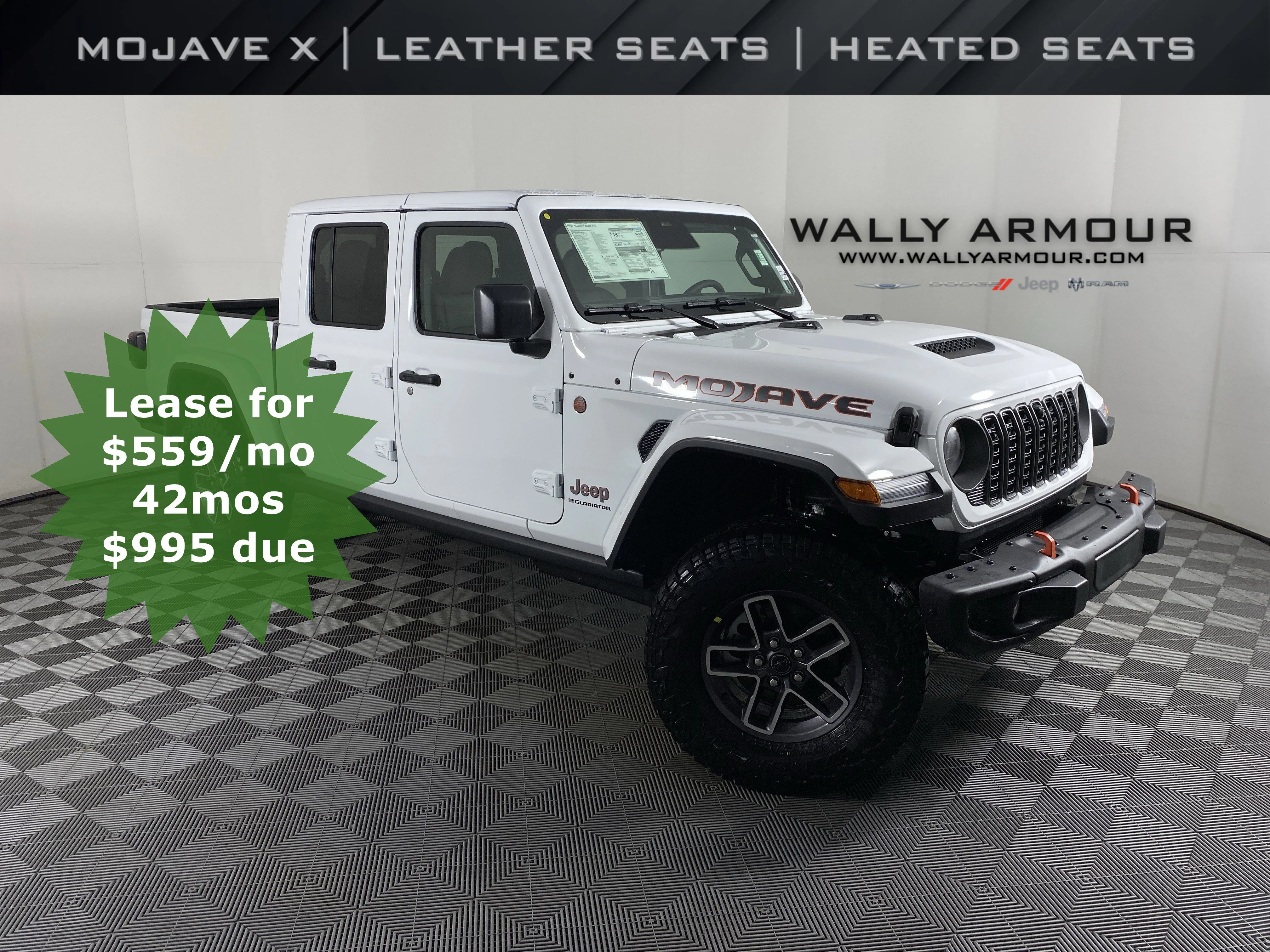
Who Should Lease A Jeep Gladiator?
Leasing is best for people who:
- Want the latest model every few years
- Drive less than 15,000 miles per year
- Prefer not to deal with selling or trading their truck
- Don’t plan to customize their Gladiator
If you fit these points, leasing makes sense. For example, a young professional who commutes short distances and likes new tech will benefit. On the other hand, someone who wants to own, drive a lot, or modify their vehicle should consider buying.
Real-world Example
Let’s look at an example. Sarah leases a Jeep Gladiator for $600 per month, with a $3,000 down payment, and a three-year term. She gets warranty repairs, drives about 12,000 miles per year, and enjoys the new tech. At lease end, she returns it and can lease another Jeep.
If Sarah had bought, her payments would be higher, but she’d own the truck. After five years, she could sell it or keep it for as long as she likes. The difference is flexibility versus ownership.
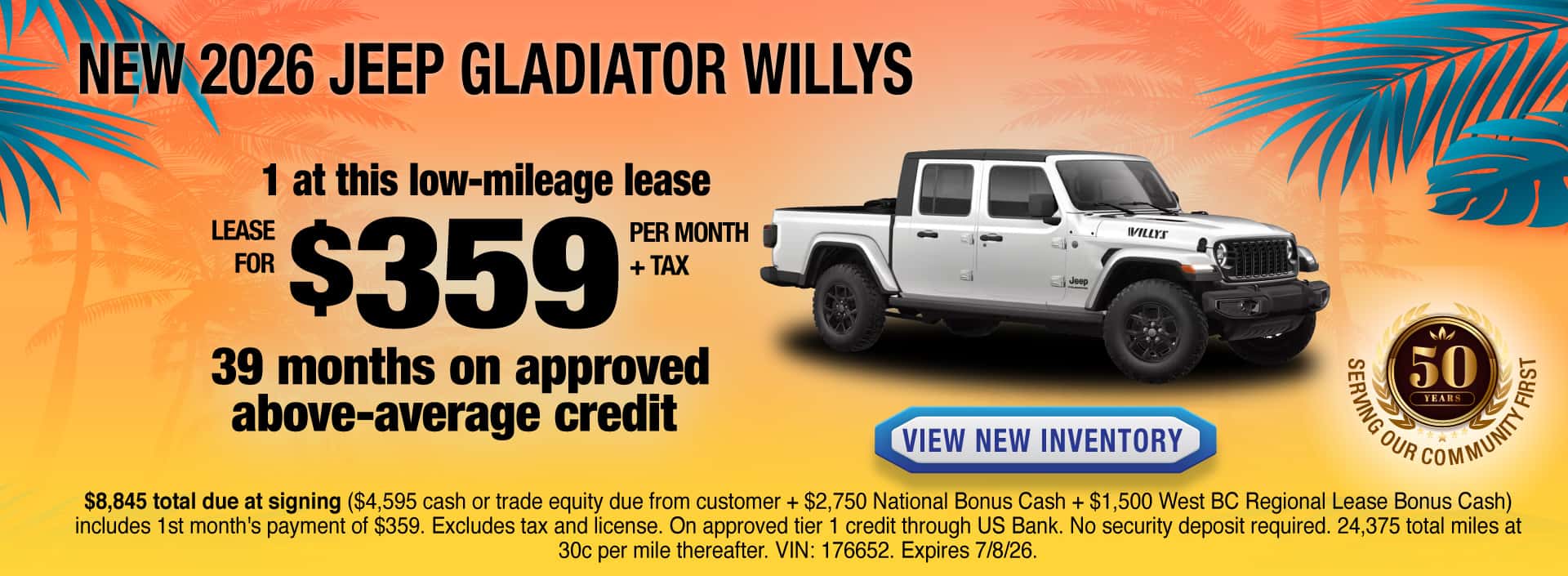
Comparing Lease Offers
Lease offers change often. Always check the details:
| Lease Term | Monthly Payment | Mileage Limit | Down Payment |
|---|---|---|---|
| 24 months | $650 | 12,000/year | $3,500 |
| 36 months | $575 | 15,000/year | $4,000 |
| 48 months | $500 | 10,000/year | $4,500 |
Pick the term and mileage that matches your life. Check for hidden fees (like acquisition or disposition fees) before signing.
Smart Tips For Leasing
- Negotiate the price before signing—dealers often have room to lower payments.
- Read the contract fully—understand fees, limits, and penalties.
- Keep the Gladiator clean and avoid damage—this saves money at lease end.
- Ask about incentives—manufacturers sometimes offer special deals.
A non-obvious tip: If you use your Gladiator for work or business, leasing may give tax benefits. Talk to a tax expert for details.
Is Leasing A Jeep Gladiator Worth It?
If you value newness, lower payments, and short-term flexibility, leasing is a smart choice. It’s not ideal if you want unlimited mileage, full customization, or long-term ownership. Compare your needs, do the math, and check the terms. For some, leasing delivers true value; for others, buying is better.
For official Jeep lease offers and more info, visit the Jeep Gladiator official site.
Frequently Asked Questions
What Is The Average Lease Payment For A Jeep Gladiator?
Monthly payments range from $450 to $650 depending on the trim, term, and your credit score. Longer terms often mean lower payments.
Can I Customize A Leased Jeep Gladiator?
You cannot make major modifications like lifts, paint jobs, or large accessories. Minor changes (like floor mats) are usually allowed, but check your lease contract.
What Happens If I Exceed The Mileage Limit?
You’ll pay extra fees for every mile over the limit. Typical rates are $0.25 or more per mile.
Is Insurance More Expensive For Leased Vehicles?
Leased Gladiators often require higher insurance coverage, which can increase costs. Check with your insurance company before you sign.
Can I Buy My Gladiator At The End Of The Lease?
Yes, you can purchase your Gladiator for a set price (the “residual value”). Ask the dealer about this option when you start your lease.
Leasing a Jeep Gladiator can be a good move if you want a fresh ride without full ownership. Weigh the pros and cons, understand your habits, and make the choice that fits your life best.