The Jeep Compass has made a strong mark in the compact SUV world. Since its debut, drivers have debated its value, comfort, and performance. If you’re considering buying one, or just curious about its strengths and weaknesses, real reviews and data can make your decision easier. Let’s look at how the Jeep Compass stands out—and where it falls short—according to owners and experts.
What Makes The Jeep Compass Popular?
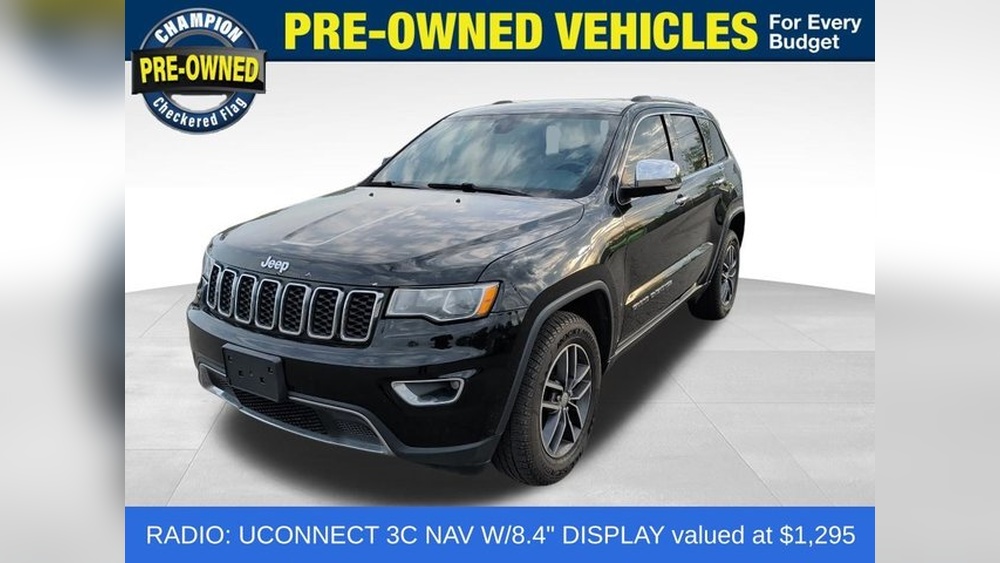
The Jeep Compass attracts attention with its rugged look and reputation for off-road ability. Many buyers love the classic Jeep style, which includes a bold grille, high ground clearance, and practical roof rails. Unlike some small SUVs, the Compass aims to balance city driving with the ability to handle rougher roads.
Owners often mention these key positives:
- Eye-catching design: The Compass looks more expensive than many rivals.
- Easy handling: Its compact size makes parking and tight turns simple.
- Comfortable ride: Most models offer a smooth drive, especially on highways.
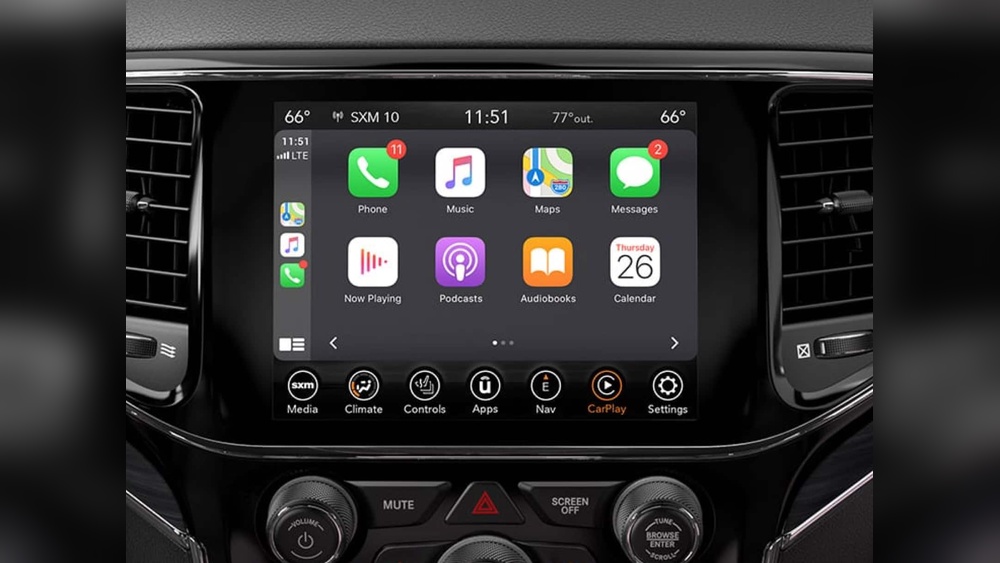
- Tech features: Even base models include Apple CarPlay, Android Auto, and a touchscreen.
However, some owners find the Compass’s style a bit “boxy,” and the high roofline can reduce rear visibility.
Performance And Driving Experience
When you step inside the Jeep Compass, you notice right away it aims for comfort and convenience. The seating position is high, which gives a good view of the road. Front seats are supportive, and there’s enough space for adults in the back.
Engine And Transmission
Every Compass comes with a 2.4-liter four-cylinder engine. It produces 177 horsepower and 172 lb-ft of torque. This is enough for city driving, but some reviewers find it underpowered on highways, especially during quick passing.
- Transmission options include a 6-speed automatic (front-wheel drive) and a 9-speed automatic (all-wheel drive).
- The 9-speed can feel “slow” to shift, which some drivers don’t like.
Fuel economy is average for the class:
- 22–25 mpg city
- 30–32 mpg highway
Pro tip: Real-world owners often report slightly lower MPG than the official numbers, especially with all-wheel drive.
Ride Quality
The Compass is at its best on smooth roads. It handles bumps well, but large potholes can make the ride feel stiff. The steering is light, making it easy for new drivers. However, at high speeds, the Compass doesn’t feel as steady as some competitors.
Interior Comfort And Technology
Step inside the Compass, and you’ll see a simple but modern dashboard. Materials are a mix of soft-touch plastics and harder surfaces. Higher trims add leather and nicer finishes.
Space And Storage
- Cargo space: 27.2 cubic feet behind the rear seats; 59.8 cubic feet with seats folded.
- Passenger room: Enough for four adults on short trips; five can feel tight.
Families like the wide-opening rear doors and easy child seat access. However, the cargo floor is higher than in some rivals, making loading heavy items tougher.
Technology
All models come with a 7-inch or 8.4-inch touchscreen, Bluetooth, and smartphone integration. Higher trims offer navigation, premium audio, and wireless charging.
Some drivers complain about the system being slow to respond. Still, the menus are easy to understand, and the screen is bright even in sunlight.
Safety Ratings And Features
Safety is a key factor for SUV buyers. The Jeep Compass scores well in crash tests.
- NHTSA: 4 out of 5 stars overall rating
- IIHS: “Good” in most crash tests
Standard safety features include:
- Rearview camera
- Blind-spot monitoring
- Rear cross-traffic alert
- Forward collision warning (on higher trims)
Advanced safety tech is often only available on more expensive models. This can be frustrating for budget-focused buyers.

Cost, Reliability, And Ownership
Buying a Jeep Compass is just the start—owners want to know about long-term costs and reliability.
Price And Value
Here’s a quick look at how the Compass compares to two popular rivals:
| Model | Base Price (2024) | Warranty (Basic/Powertrain) |
|---|---|---|
| Jeep Compass | $27,495 | 3 yrs/36k mi, 5 yrs/60k mi |
| Honda CR-V | $29,500 | 3 yrs/36k mi, 5 yrs/60k mi |
| Mazda CX-5 | $28,855 | 3 yrs/36k mi, 5 yrs/60k mi |
The Compass usually costs less than top rivals. However, resale values for Jeep are often lower after five years. This is important if you plan to sell or trade in your vehicle.
Reliability
The Compass has average reliability. Some owners report electrical problems, especially with the infotainment system. Others mention issues with the transmission in older models.
Maintenance costs are typical for this class, but repairs at Jeep dealerships can be more expensive than at independent shops.
Insurance And Running Costs
Insurance rates for the Compass are moderate. Fuel and service costs are on par with other compact SUVs.
Here’s a look at estimated annual costs:
| Expense | Estimated Cost (per year) |
|---|---|
| Fuel | $1,500–$1,700 |
| Insurance | $1,200–$1,500 |
| Maintenance | $400–$600 |
Off-road And All-weather Ability
One area where the Compass stands out is its off-road capability. The Trailhawk trim offers:
- Raised suspension
- Skid plates
- All-terrain tires
- Jeep’s Active Drive Low 4×4 system
For buyers wanting to go beyond city streets, few compact SUVs in this price range compare. However, most Compass owners use their SUVs mainly in town, so these features might not matter to everyone.
Surprising insight: Even front-wheel drive Compasses handle snow and rain well, thanks to their weight and tire choices.

Common Weaknesses And Owner Complaints
No car is perfect. Here are the most common negatives from reviews:
- Engine power: Many drivers want more acceleration.
- Transmission performance: The 9-speed auto can be slow to shift.
- Interior plastics: Some trims feel less “premium” than rivals.
- Resale value: The Compass loses value faster than Toyota or Honda.
Expert tip: Test drive the Compass on hills and highways, not just around the dealership. This shows the real-world power and comfort.
Is The Jeep Compass Right For You?
The Jeep Compass is a solid choice if you want a stylish compact SUV with off-road options and modern tech. It’s not the fastest or most luxurious in its class, but it has unique strengths—especially for those who want a mix of city and outdoor driving.
For more in-depth data and real owner feedback, visit the official Jeep Compass page.

Frequently Asked Questions
Is The Jeep Compass Good For Long Road Trips?
The Compass is comfortable for long drives, with supportive seats and a quiet cabin. However, the engine may feel weak during fast passing on highways.
How Does The Jeep Compass Handle In Snow?
With all-wheel drive and the right tires, the Compass performs well in snow. The Trailhawk trim is especially good for winter conditions.
What Is The Main Problem With The Jeep Compass?
Most complaints are about the engine’s power and the slow-shifting transmission. Some owners also report issues with the infotainment system.
How Does The Jeep Compass Compare To The Toyota Rav4?
The RAV4 has more power, higher resale value, and better reliability. The Compass is more affordable and better for off-road use.
Is The Jeep Compass Expensive To Maintain?
Maintenance costs are average for compact SUVs. Repairs at Jeep dealerships can be pricier, but routine service is not unusually expensive.