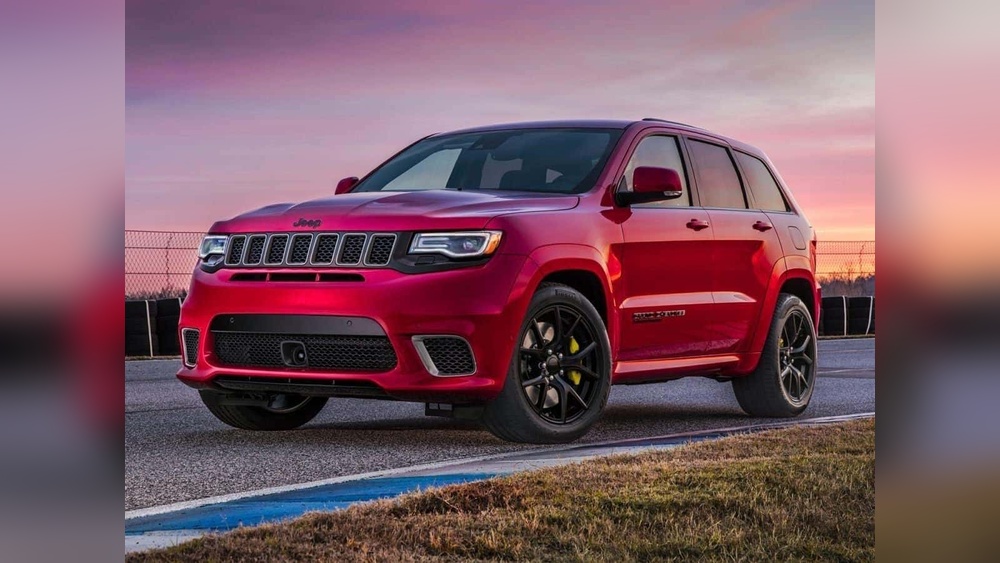
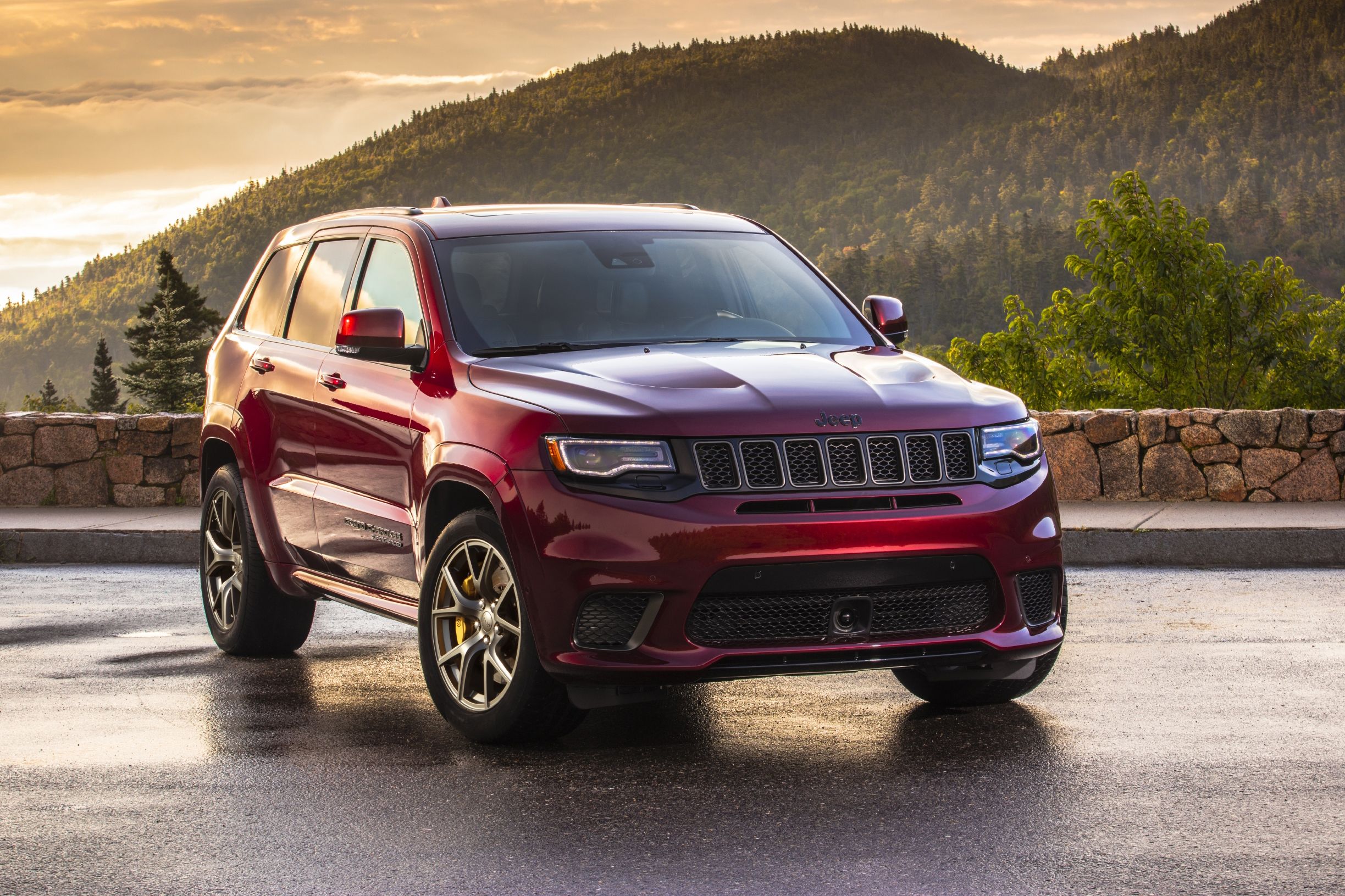
The Jeep Grand Cherokee Trackhawk is famous for its wild power and aggressive look. With a supercharged V8 engine, it can outrun many sports cars. But when buyers ask, “How reliable is a Jeep Trackhawk?” the answer is not simple. Performance cars often trade everyday dependability for speed and excitement. Let’s explore how the Trackhawk holds up in real-world reliability, what owners can expect, and if it’s a wise choice for daily use.
Trackhawk Reliability: The Basics
The Trackhawk uses a 6.2L supercharged Hemi V8—the same engine found in the Dodge Hellcat. It produces 707 horsepower and 645 lb-ft of torque. This powertrain is proven in other cars, but reliability depends on more than just the engine.
Many buyers are drawn by the Trackhawk’s 0-60 mph time of about 3. 5 seconds. However, high performance puts stress on parts. The all-wheel-drive system, transmission, and brakes all work harder than in a regular SUV.
Common Reliability Issues
Like most high-powered vehicles, the Trackhawk has some known problems:
- Drivetrain Stress: The all-wheel-drive system must handle extreme power, which can lead to wear on transfer cases and differentials.
- Transmission Concerns: The 8-speed automatic transmission is strong, but reports of rough shifting and occasional failures exist, especially under hard use.
- Electronics: Some owners report issues with the infotainment system, sensors, and electronic controls. These may cause warning lights or temporary loss of features.
- Brakes: The Brembo brakes are excellent but expensive to maintain. Hard driving can lead to quicker wear on pads and rotors.
Example: Owner Experiences
Some owners have driven their Trackhawks over 60,000 miles with only regular maintenance. Others have faced costly repairs before 30,000 miles. Much depends on driving habits—track use or aggressive driving increases risk of problems.

How The Trackhawk Compares To Rivals
Comparing the Trackhawk to similar high-performance SUVs helps put its reliability into perspective. Below is a look at how it stacks up against two main rivals:
| Model | Engine | 0-60 mph | Average Reliability (out of 5) |
|---|---|---|---|
| Jeep Trackhawk | 6.2L Supercharged V8 | 3.5 sec | 3.0 |
| BMW X5 M | 4.4L Twin-Turbo V8 | 3.8 sec | 3.5 |
| Mercedes-AMG GLE 63 S | 4.0L Twin-Turbo V8 | 3.7 sec | 3.5 |
The Trackhawk is usually rated just below German rivals for reliability. However, its parts are often cheaper, and repairs can be less complex.
Maintenance Costs And Practicality
High performance means higher costs. The Trackhawk needs premium fuel and regular high-quality oil changes. Brake pads and tires wear out quickly, especially if you drive hard.
Here’s a look at estimated yearly maintenance costs:
| Service | Trackhawk | BMW X5 M | Mercedes-AMG GLE 63 S |
|---|---|---|---|
| Oil Change | $120 | $200 | $220 |
| Brake Pads/Rotors | $1,200 | $1,500 | $1,700 |
| Full Service (Annual) | $1,800 | $2,500 | $2,700 |
Routine costs are high, but still lower than some European SUVs. Unexpected repairs—like a failed supercharger or transmission—can cost thousands.
What Owners Love (and Hate)
What Owners Love
- Extreme performance: The Trackhawk is one of the fastest SUVs ever made.
- Everyday comfort: Despite its power, it still offers heated leather seats, a smooth ride, and plenty of cargo space.
- Muscle car sound: The supercharged V8 roar is a key reason people choose it.
What Owners Dislike
- Fuel economy: Expect around 11-13 mpg in the city.
- Frequent tire and brake replacement
- Resale value: Depreciation is faster than some rivals.
- Small issues: Rattles, minor leaks, and electronics glitches are not uncommon.
Two Insights Most People Miss
First, driving style matters more than the badge. If you use Launch Control every weekend or track your Trackhawk, reliability will drop fast. Gentle driving can make it last as long as a regular Grand Cherokee.
Second, dealer support is key. Find a Jeep dealer with experience in high-performance SRT vehicles. Some dealers are not familiar with Trackhawk-specific parts, which can delay repairs and increase costs.

Should You Buy A Trackhawk For Daily Use?
The Trackhawk can be a daily driver if you accept higher running costs and the chance of more repairs. If you need a car for long commutes or want low maintenance, a regular Grand Cherokee or a luxury SUV might suit you better.
However, if you want an SUV that can surprise sports cars at stoplights and still haul family and groceries, the Trackhawk is unique. Few vehicles offer this mix of fun and practicality.
Warranty And Longevity
The Trackhawk comes with a 3-year/36,000-mile basic warranty and a 5-year/60,000-mile powertrain warranty. This is on par with rivals, but repairs after warranty can be expensive.
Some owners have reached 100,000 miles with few problems. Regular maintenance, quality fluids, and avoiding extreme driving help. Remember, supercharged engines need more care than standard ones.
If you plan to keep the Trackhawk long-term, consider an extended warranty.
Frequently Asked Questions
How Long Does A Jeep Trackhawk Engine Last?
With careful maintenance and gentle driving, the 6.2L supercharged V8 can last 100,000 miles or more. Hard driving, frequent launches, or track use will shorten engine life.
Is The Trackhawk Expensive To Maintain?
Yes. Expect high costs for brakes, tires, fuel, and routine service. Repairs after warranty can be especially pricey compared to regular SUVs.
Are There Any Recalls For The Trackhawk?
A few recalls have affected the Trackhawk, mostly related to electronics and safety systems. Always check the VIN with Jeep to confirm recall status.
Is The Trackhawk A Good Family Vehicle?
It offers plenty of space, comfort, and safety features. However, running costs are high, and the ride can be firm compared to non-performance SUVs.
Where Can I Find More Data On Trackhawk Reliability?
For detailed owner reviews and reliability reports, check resources like Consumer Reports.
In summary, the Jeep Trackhawk is reliable for a super SUV if well maintained and not pushed to extremes daily. It is not as hassle-free as a regular SUV, but for those who want muscle car thrills in a practical package, it delivers. Just go in with your eyes open about costs and care.