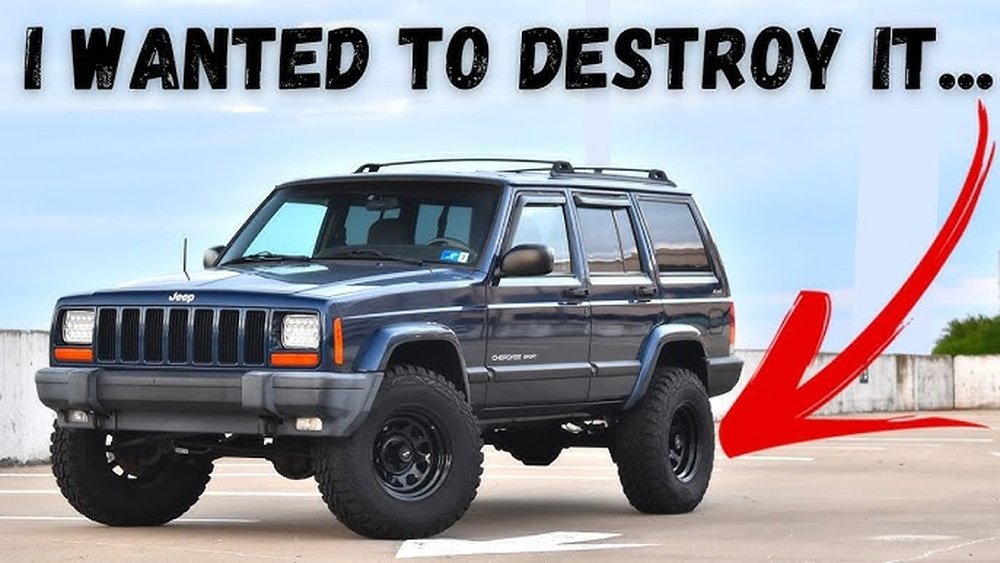
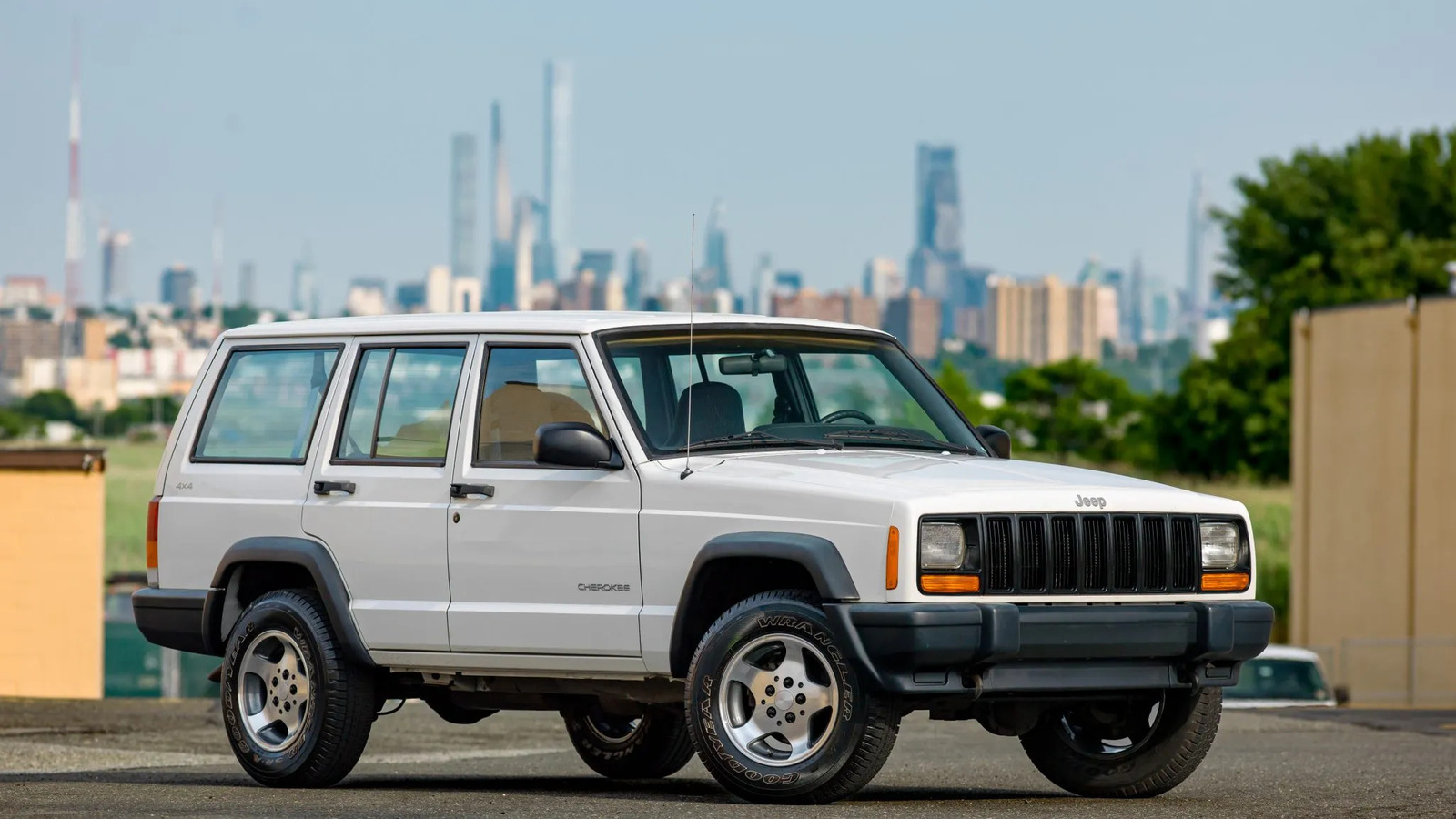
When you talk about classic SUVs, the Jeep Cherokee XJ often comes up. Built from 1984 to 2001, this boxy SUV is known for its off-road skills and simple design. But is the Jeep Cherokee XJ reliable? Many car fans love it, but reliability is more than just good looks and nostalgia. Let’s break down how the XJ holds up in daily life, what issues you might face, and what makes it unique among SUVs.
What Makes The Jeep Cherokee Xj Stand Out
The XJ was ahead of its time in many ways. It was one of the first SUVs with a unibody frame, which made it lighter and stronger than older SUVs with body-on-frame construction. This helped with fuel economy and handling.
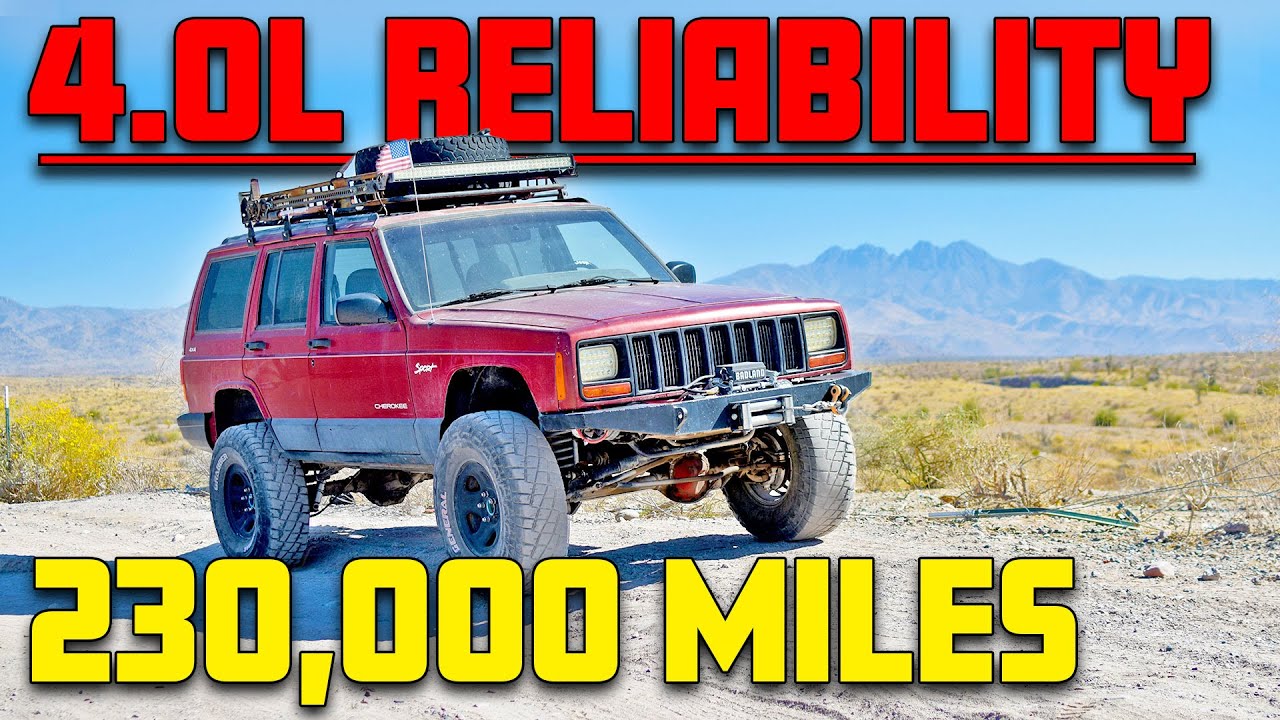
Many owners praise the 4.0-liter inline-six engine, which is famous for lasting over 300,000 miles if cared for. The XJ’s basic interior and simple electronics also mean there are fewer things that can break. Some people even call it “the last of the real Jeeps” because of its ruggedness.
Common Reliability Issues
No vehicle is perfect, and the Jeep Cherokee XJ is no exception. Understanding common problems can help you decide if it’s right for you.
| Problem Area | Typical Issue | Repair Difficulty |
|---|---|---|
| Cooling System | Overheating, radiator leaks | Medium |
| Electrical | Window/door lock failures | Easy |
| Suspension | Worn bushings, weak leaf springs | Medium |
| Transmission | AW4 transmission is strong, but RENIX electronics can fail | Medium |
Cooling System Woes
One big complaint is the cooling system. The XJ can overheat, especially in hot climates or tough off-road use. Radiators and water pumps are weak points, but these parts are cheap and easy to replace.
Electrical Gremlins
Power windows and door locks often stop working. The cause is usually worn-out switches or broken wires in the door. Fixes are simple but can be annoying.
Suspension Wear
After many miles, the suspension takes a beating. Worn bushings and sagging leaf springs affect ride comfort. Replacing these parts is straightforward for most mechanics.
Rust Issues
Older XJs can have rust, especially around the floor pans, rocker panels, and rear wheel arches. If you live in a snowy area, check these spots before buying.
How The Xj Compares To Other Suvs
To see if the Cherokee XJ is reliable, it helps to compare it with similar vehicles from the same time.
| Model | Engine Life (Miles) | Repair Cost (Yearly Avg.) | Common Weakness |
|---|---|---|---|
| Jeep Cherokee XJ | 200,000+ | $450 | Cooling system |
| Toyota 4Runner (90s) | 250,000+ | $400 | Frame rust |
| Ford Explorer (90s) | 180,000+ | $500 | Transmission failure |
The XJ is not the most reliable SUV ever, but it’s close. Its engine is legendary, and yearly repair costs are reasonable. Toyota’s 4Runner is a bit better for long-term reliability but also costs more to buy used.
Real-world Owner Experiences
Many XJ owners report driving over 200,000 miles with only basic maintenance. Stories of reaching 300,000 miles are not rare, especially with the 4. 0L engine. Owners love the easy repairs—most jobs can be done with basic tools.
However, some owners note that parts like window switches, radiators, and sensors need regular replacement. If you buy a used XJ, expect to do small repairs often, but big breakdowns are rare if you keep up with maintenance.
Cost Of Ownership
Maintaining a Jeep Cherokee XJ does not break the bank. Most repairs are inexpensive, and parts are widely available. Insurance is usually low since it’s an older vehicle. Fuel economy is not great—expect 15–20 mpg—but that’s normal for 90s SUVs.
| Expense | Estimated Cost (Per Year) |
|---|---|
| Regular Maintenance | $300 |
| Repairs | $150 |
| Insurance | $400 |
| Fuel | $1,500 |
One non-obvious tip: joining a Jeep forum or club can help you find cheap parts and advice. Many repairs can be done at home, saving on labor costs.
Who Should (and Shouldn’t) Buy An Xj
The Jeep Cherokee XJ is a good fit if you want:
- A simple, tough SUV for off-roading or winter
- A project car that’s easy to work on
- An affordable classic with a strong community
It’s not the best choice if you need:
- Modern safety features like airbags, ABS, or traction control
- Great gas mileage
- A quiet, smooth ride
If you want a worry-free daily driver with no repairs, the XJ may not be for you. But if you enjoy maintaining your own vehicle and need something that can handle rough roads, it’s hard to beat.

Non-obvious Insights For New Buyers
- Upgrades can improve reliability. Installing an all-aluminum radiator and new sensors can solve most common problems.
- Check for swapped engines or transmissions. Many XJs have been modified. Ask for records before buying.
- Original parts last longer. Aftermarket replacements are cheaper, but original Jeep parts often outlast them.
- Test 4WD before buying. Transfer cases sometimes get stuck from lack of use.
The Bottom Line
So, are Jeep Cherokee XJs reliable? For a vehicle over 20 years old, the answer is yes—if you’re willing to do regular maintenance and small repairs. The XJ’s simple design, strong engine, and loyal fan base make it a smart choice for people who love working on cars and want a true off-road SUV.
Just be ready for some quirks and the need for hands-on care.
For more details on Jeep history and specs, check the Jeep Cherokee XJ Wikipedia page.
Frequently Asked Questions
Is The Jeep Cherokee Xj Expensive To Maintain?
The XJ is affordable to maintain compared to most SUVs. Common parts are cheap, and many repairs can be done at home.
How Long Can A Jeep Cherokee Xj Last?
With proper care, the 4.0L engine can reach over 300,000 miles. Suspension, cooling, and electrical parts may need attention, but the main mechanical parts are strong.
What Year Xj Is The Most Reliable?
Most owners prefer 1997–1999 models due to updated electronics and less rust. However, all years are reliable if maintained.
Is The Xj Good For Off-roading?
Yes, the solid front and rear axles make the XJ excellent for off-road use. Many people lift and modify them for extreme trails.
What Should I Check Before Buying A Used Xj?
Inspect for rust, test all electrical features, check for overheating, and look at service records. A test drive in 4WD mode is also smart.