Painting a Jeep Wrangler is one of the most rewarding DIY projects for car enthusiasts. It’s a way to bring new life to an old ride or make your Wrangler stand out. However, painting a car is not a simple task. It requires careful preparation, the right materials, and patience. Done right, a fresh coat of paint can last years and boost the value and appearance of your Jeep. This guide will walk you through each step, help you avoid common mistakes, and share tips most beginners miss.
Planning Your Jeep Wrangler Paint Job
Before you buy any paint, think about your goal. Do you want to restore the original color, or are you aiming for a custom look? This decision affects your budget, tools, and even the time needed.
Factors To Consider
- Budget: A professional paint job can cost $2,000–$5,000, while a DIY project usually ranges from $200–$600 for materials.
- Time: Set aside at least 2–3 days for proper prep, painting, and drying.
- Space: You’ll need a well-ventilated, dust-free garage or workspace.
Common Mistake
Many beginners underestimate the amount of prep work. Skipping or rushing these steps often leads to peeling or uneven paint.
Tools And Materials You Need
Gather all materials before starting. Missing tools can cause delays and mistakes.
- Automotive paint (base coat and clear coat)
- Primer
- Sanding blocks (various grits, 220–2000)
- Masking tape and paper
- Paint sprayer or aerosol cans
- Respirator mask
- Gloves
- Tack cloths
- Wax and grease remover
- Safety glasses
Sample Material Cost Comparison
| Item | DIY Cost Range | Shop Cost Range |
|---|---|---|
| Paint & Clear Coat | $100–$250 | $600–$1,500 |
| Primer | $30–$60 | Included |
| Sanding Supplies | $20–$50 | Included |
| Labor | Free (DIY) | $1,000–$3,000 |
Pro tip: Always buy a little more paint than you think you’ll need, especially for custom colors.

Step-by-step: How To Paint A Jeep Wrangler
1. Preparation
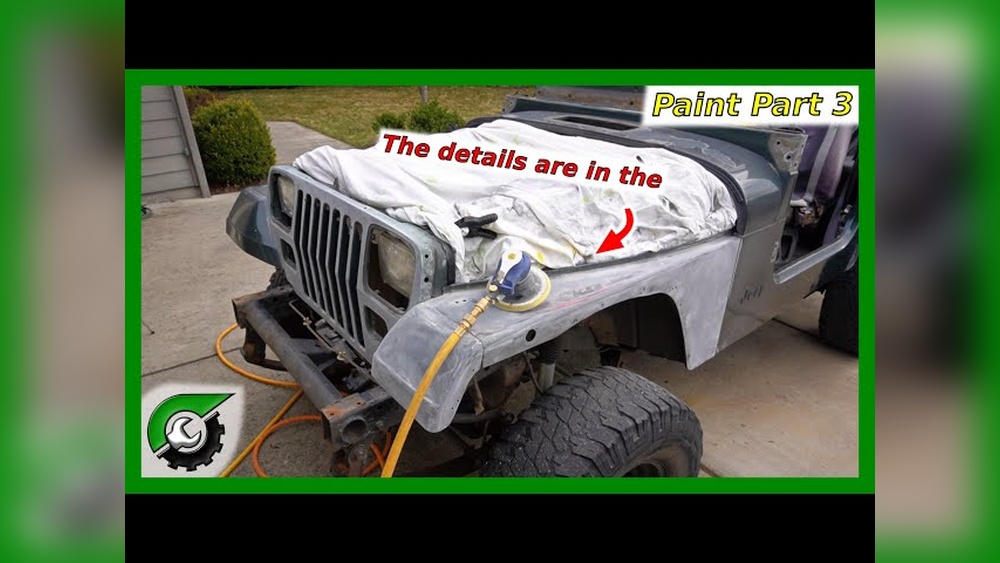
Preparation is 70% of the work. Start by washing your Jeep with soap and water. Remove all dirt, grease, and wax with a wax and grease remover. Next, remove or mask off all parts you don’t want painted—this includes trim, lights, and windows.
Sanding is crucial. Use 220-grit sandpaper to remove the old clear coat and roughen the surface. Smooth out scratches with finer sandpaper (up to 400 grit). Wipe down all surfaces with a tack cloth to remove dust.
2. Priming
Apply a thin, even layer of automotive primer. Hold the sprayer or can 8–12 inches from the surface. Let the primer dry for at least 1 hour (follow the instructions on the can). Lightly sand again with 400–600 grit sandpaper for a smooth finish.
3. Painting
Shake the paint well before use. Apply the base coat in several light, even coats. Wait 10–15 minutes between coats. Usually, 2–3 coats are enough for good coverage.
Let the paint dry for at least 30 minutes before applying the clear coat. This protects the color and adds shine. Apply 2–3 clear coats, waiting 15 minutes between each.
4. Curing And Reassembly
Allow the paint to cure for at least 24 hours. Remove all masking tape and paper. Reinstall any parts you removed. Avoid washing or waxing the Jeep for 30 days to let the paint fully harden.
Steps Overview
| Step | Time Needed | Key Purpose |
|---|---|---|
| Wash & Mask | 2-3 hours | Clean and protect surfaces |
| Sand | 2-4 hours | Smooth and prep surface |
| Prime | 1-2 hours (plus drying) | Base for new paint |
| Paint & Clear Coat | 3-4 hours (plus drying) | Color and protection |
| Reassembly | 1-2 hours | Finish job |
Tips For A Professional Finish
- Paint in a dust-free, dry area. Small dust particles can ruin the finish.
- Keep the sprayer or can moving. Stopping in one spot causes runs.
- Test the spray pattern on cardboard before starting.
- Wear a respirator mask at all times to avoid inhaling fumes.
- Use overlapping strokes for even coverage.
Non-obvious Insights
Many DIY painters skip the tack cloth step, leading to dust nibs in the final coat. Also, don’t forget to check the weather—humidity above 60% can cause paint to dry unevenly.
When To Call A Professional
If your Jeep has rust damage, major dents, or you want a show-quality finish, it’s best to use a professional body shop. Some jobs need special tools and experience. According to the American Coatings Association, modern automotive paints are complex and require proper handling to avoid health risks.
Frequently Asked Questions
How Long Does It Take To Paint A Jeep Wrangler?
A full DIY paint job usually takes 2–3 days, including prep, painting, and drying time. Rushing leads to poor results.
What Type Of Paint Is Best For Jeep Wranglers?
Use automotive urethane paint for durability and UV resistance. It lasts longer and resists scratches better than enamel.
Can I Paint My Jeep Wrangler Outdoors?
It’s possible but not recommended. Wind, dust, and humidity can ruin your finish. If you must paint outdoors, choose a dry, calm day and cover the area as much as possible.
How Much Paint Do I Need For A Jeep Wrangler?
Most Jeeps require 1.5–2 gallons of paint for complete coverage, including the interior door edges and under the hood.
Will Painting My Jeep Affect Its Resale Value?
A high-quality paint job can increase resale value, especially if you use the original color or a popular custom color. Poor workmanship, however, may lower the value.
A well-painted Jeep Wrangler stands out on the road and lasts for years. With careful prep and attention to detail, even a beginner can achieve impressive results. Take your time, follow each step, and enjoy the transformation.