If you own a 2015 Jeep Wrangler, you know how important regular oil changes are for your engine’s health. But after changing the oil, that persistent oil change light can be annoying. Resetting the oil light is simple, but many drivers overlook small mistakes that keep the light on. Whether you do your oil change yourself or visit a mechanic, learning to reset the oil light saves you time and worry.
This guide explains every step you need to follow, highlights common pitfalls, and shares a few insights most owners miss. You’ll also find extra tips to keep your Jeep’s maintenance reminders working as intended. Let’s get your dashboard back to normal.
Why Resetting The Oil Light Matters
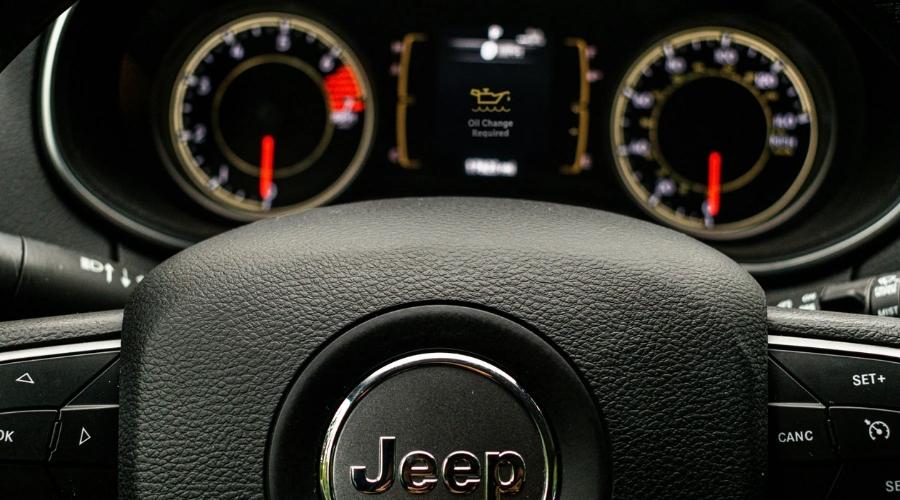
The oil change indicator is a reminder, not a sensor. It tracks mileage or engine hours, not actual oil quality. If you don’t reset it after changing the oil, you might miss the next service. This could lead to dirty oil and engine problems.
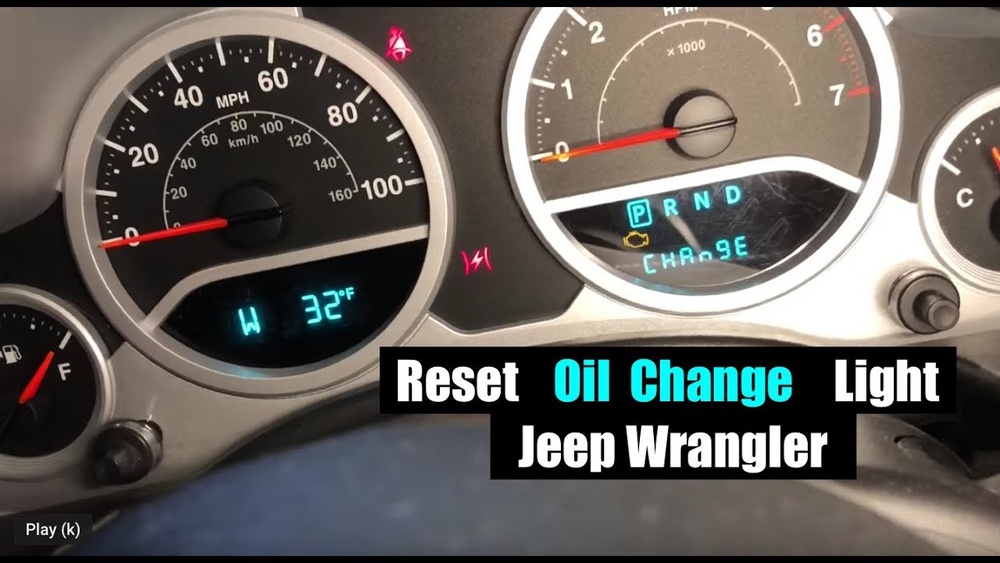
Resetting the light keeps your maintenance schedule accurate. Skipping this step can also affect your vehicle’s resale value, as it may suggest poor maintenance. It’s a small action with big benefits.
Step-by-step: Resetting The Oil Light On A 2015 Jeep Wrangler
Follow these steps carefully. You don’t need special tools, just your Jeep’s key and a few minutes.
1. Turn The Ignition To “on”
Insert the key and turn it to the “On” position, but do not start the engine. The dashboard lights will come on.
2. Slowly Press The Gas Pedal Three Times
Within 10 seconds, press the gas pedal all the way down and release it three times. Do this slowly and steadily.
3. Wait For The Light To Reset
After the third press, wait a few seconds. The oil change light should blink and then turn off.
4. Turn Off The Ignition
Turn the key to the “Off” position. The process is now complete.
5. Check Your Work
Start the engine. If the oil light is off, you’ve succeeded. If not, repeat the process, making sure each pedal press is slow and full.
Practical Tips For Success
- Press the gas pedal all the way down each time.
- Make sure you finish all three presses within 10 seconds.
- If the light stays on, try again from the beginning—missing a step can cause the reset to fail.
Common Mistakes And How To Avoid Them
Even experienced owners sometimes make errors. Here are issues you might face:
- Rushing the pedal presses. If you press too fast or too slow, the system might not recognize the reset.
- Not turning the key to “On.” The engine should be off, but the ignition must be in the “On” position.
- Partial pedal presses. Always push the pedal to the floor.
If you try more than three times and the light still stays on, your Jeep may need a software update or have a problem with the instrument cluster. In that case, it’s best to visit a dealership.
How The Oil Change Indicator Works
The 2015 Jeep Wrangler uses an algorithm to estimate when your oil needs changing. It considers distance driven, engine start cycles, and temperature. There’s no sensor in the oil itself.
Here’s a quick look at how the reminder compares to other common systems:
| Vehicle Type | Reminder Based On | Requires Manual Reset? |
|---|---|---|
| 2015 Jeep Wrangler | Mileage/Engine Hours | Yes |
| Some luxury cars | Oil Quality Sensor | No |
| Older vehicles | Fixed Mileage Interval | Yes |
This means you must always reset the oil light yourself after an oil change.
What If The Oil Light Comes Back On?
If the oil change light returns soon after resetting, first confirm you completed the steps correctly. If the light returns again, check for these issues:
- The oil level may be low.
- There could be a problem with the oil pressure or sensor.
- A computer glitch could cause a false reading.
Never ignore a warning light if you’re unsure. Check your oil level and quality, and call a mechanic if needed.
How Often Should You Change The Oil?
For a 2015 Jeep Wrangler, the recommended oil change interval is every 3,000 to 5,000 miles for conventional oil, or up to 7,500 miles for synthetic. Always check your owner’s manual for specifics.
Here’s a quick comparison of oil change intervals:
| Oil Type | Typical Change Interval (Miles) | Best For |
|---|---|---|
| Conventional Oil | 3,000 – 5,000 | Older Engines, Lower Cost |
| Synthetic Oil | 5,000 – 7,500 | Modern Engines, Longer Life |
Remember, short trips and extreme temperatures may require more frequent oil changes.
When To See A Mechanic
If your oil light stays on after several reset attempts, or if you see the check engine light, don’t ignore it. Sometimes, a persistent oil light means a bigger issue, like a failing sensor or oil pump.
A trusted mechanic can scan for error codes and check for deeper problems. Addressing these quickly helps prevent engine damage.
Two Insights Most Owners Miss
- Resetting the oil light doesn’t improve engine health. It only clears the reminder. Skipping oil changes because the light is off can harm your engine.
- Reset must be done after every oil change, even if the light hasn’t appeared yet. Otherwise, your next reminder will be inaccurate.

Frequently Asked Questions
How Do I Know If My Oil Light Reset Worked?
If the oil change light does not appear after starting the engine, the reset succeeded. If it returns, repeat the process or consult a mechanic.
Can I Reset The Oil Light Without Changing The Oil?
Yes, but it’s not recommended. The reset only clears the reminder. Always change your oil first to protect your engine.
Does Disconnecting The Battery Reset The Oil Light?
No, disconnecting the battery will not reset the oil change indicator on a 2015 Jeep Wrangler. Use the pedal method described above.
What If The Oil Light Stays On After Resetting?
First, repeat the reset steps. If the light still stays on, check the oil level and consider a visit to your mechanic, as there could be a deeper issue.
Where Can I Find More Information About Jeep Maintenance?
You can visit the official Jeep owner’s site for maintenance schedules and tips: Jeep Maintenance.
Keeping your oil change reminder accurate helps ensure your Jeep Wrangler stays reliable for years to come. A quick reset after every oil change is one of the simplest ways to take care of your vehicle.