Charging your Jeep 4xe at home is easier than many people think. Plug-in hybrid vehicles like the 4xe are designed for convenience, letting you start every day with a full battery. But to get the best charging experience, you need to know the right steps, tools, and tips. Whether you’re new to plug-in hybrids or looking to optimize your setup, this guide will walk you through everything you need to know—without the jargon.
Understanding Jeep 4xe Charging Basics
The Jeep 4xe is a plug-in hybrid, meaning it uses both gasoline and electricity. Charging at home is about refilling the battery, so you use less fuel and enjoy more electric-only miles.
There are two main ways to charge at home:
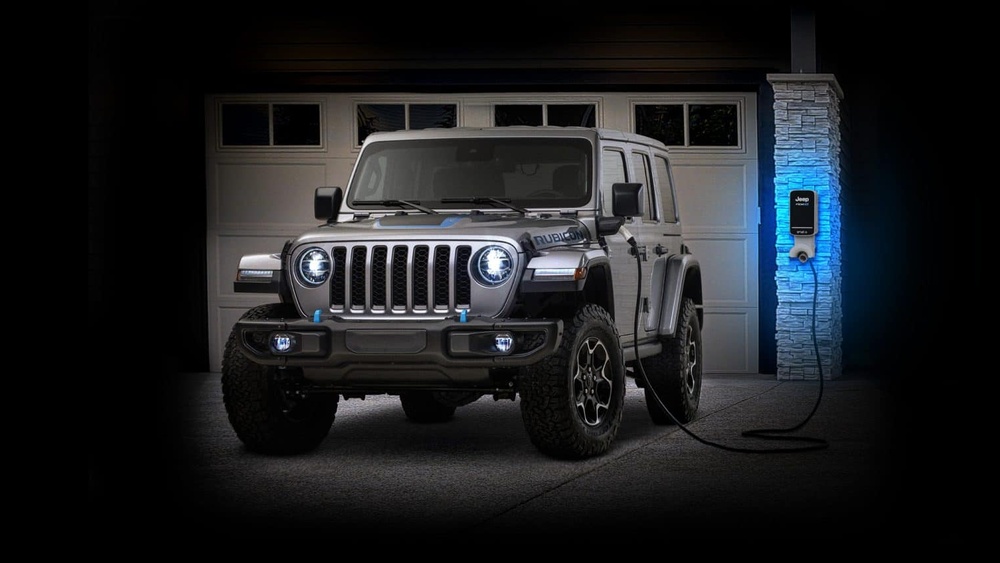
- Level 1 Charging (Standard 120V outlet)
- Level 2 Charging (Upgraded 240V outlet)
Level 1 is the simplest—just plug into a regular wall socket. Level 2 is much faster but requires special equipment and sometimes installation.
Here’s a quick look at the charging speeds:
| Charging Type | Voltage | Charging Time (0-100%) |
|---|---|---|
| Level 1 | 120V | ~12 hours |
| Level 2 | 240V | ~2 hours |
Most owners start with Level 1, but many switch to Level 2 for faster charging.
Setting Up Your Home Charging Station
The right setup means safe, reliable charging. Here’s what you need to get started:
Using The Included Level 1 Charger
Every Jeep 4xe comes with a Level 1 charger. Simply plug one end into your garage or outdoor outlet and the other into your vehicle’s charging port. No extra installation is needed.
Pros:
- Uses any regular outlet
- No added cost
Cons:
- Slow (up to 12 hours for a full charge)
- May not work well if you drive a lot each day
Upgrading To Level 2 Charging
For faster, more convenient charging, many owners install a Level 2 charger at home. This uses a 240V outlet—like those for dryers or ovens.
Steps to upgrade:
- Choose a charger: Look for models with at least 30 amps and UL safety certification.
- Hire an electrician: Installation must follow local codes for safety.
- Install the outlet: A 240V outlet may need a new circuit in your breaker box.
- Mount the charging unit: Some chargers are wall-mounted, others portable.
Pro tip: If your home is older, get your electrical system checked first. Charging at high power on old wiring can be dangerous.
Cost Comparison
Charging at home is much cheaper than buying gas. Here’s an example based on US averages:
| Energy Source | Cost per Full Charge | Miles of Electric Range |
|---|---|---|
| Electricity (Home) | $1.50–$2.00 | ~21 miles |
| Gasoline | $2.50–$3.50 | ~21 miles |
Over time, charging at home can save you hundreds of dollars each year.

Step-by-step: Charging Your Jeep 4xe
- Park and power off: Always park in your charging spot and turn off the engine.
- Open the charge port: It’s on the front left fender. Press the door to pop it open.
- Plug in the charger: Insert the plug firmly. You’ll hear a click when it’s secure.
- Check the lights: The 4xe’s charge indicator lights will show charging status.
- Let it charge: Charging time depends on your outlet type.
- Unplug safely: Press the release button before pulling out the plug.
Non-obvious tip: Charging works best when the battery is not too hot or cold. In extreme weather, wait a few minutes after parking before plugging in.
Optimizing Your Charging Routine
To get more from your home charging setup, consider these strategies:
- Charge during off-peak hours: Many utility companies offer lower rates at night.
- Use the Jeep app: Schedule charging remotely and track battery status on your phone.
- Keep the charger clean: Dust and water can damage connections over time.
- Don’t always charge to 100%: For battery health, charging to 80-90% is often enough for daily driving.
Extra insight: Some owners overlook the importance of checking their garage wiring. A dedicated circuit for your charger avoids tripping breakers or slow charging.

Comparing Home And Public Charging
While home charging is convenient, sometimes you’ll need more range quickly. Here’s how home and public charging compare:
| Feature | Home Charging | Public Charging |
|---|---|---|
| Convenience | High | Variable |
| Speed | Level 1/2 | Level 2/DC Fast |
| Cost | Low | Medium/High |
| Best For | Daily charging | Long trips/quick top-up |
Most Jeep 4xe owners use home charging for day-to-day driving and public stations only for trips.
Common Mistakes To Avoid
- Using a long extension cord: These can overheat and are unsafe for high-power charging.
- Ignoring weather protection: Outdoor outlets should be covered and rated for wet locations.
- Skipping maintenance: Check cords and plugs for wear every month.
- Not monitoring energy usage: Some utility companies can help you track EV charging costs.

Frequently Asked Questions
How Long Does It Take To Fully Charge The Jeep 4xe At Home?
With a standard 120V Level 1 charger, it takes about 12 hours to fully charge. A Level 2 charger can do it in about 2 hours.
Can I Use A Regular Wall Outlet For Charging?
Yes, the Jeep 4xe comes with a Level 1 charger that plugs into any standard outlet. However, for faster charging, a Level 2 setup is better.
Is Home Charging Safe For My House’s Electrical System?
If your wiring is modern and you use a dedicated circuit, home charging is very safe. Always have a qualified electrician check your setup before installing a Level 2 charger.
Will Charging My Jeep 4xe Increase My Electric Bill A Lot?
Charging will add a small amount to your bill. For most drivers, it’s $25–$40 per month—much less than buying gasoline.
Where Can I Find More Details About Ev Charging?
A reliable source is the U.S. Department of Energy’s Alternative Fuels Data Center. You can visit their website at afdc.energy.gov for more information.
Charging your Jeep 4xe at home is simple once you know the basics. With the right setup and a few smart habits, you’ll enjoy the freedom of starting every day with a full battery—and lower fuel costs. If you’re ready for faster charging, invest in a Level 2 charger and upgrade your home’s electrical system as needed.
Happy driving!