Taking a Jeep Wrangler off road is an adventure that many people dream about. Few vehicles are as ready for rocky climbs, sandy trails, and muddy paths as the Wrangler. But even the most capable machine needs skill and understanding from its driver. If you want to go off road in a Jeep Wrangler, there’s more to learn than just pressing the gas pedal. Whether you’re new or experienced, knowing how to prepare, drive, and recover safely makes all the difference. Let’s explore what you need to enjoy off-roading while protecting yourself, your Jeep, and the land.
Why The Jeep Wrangler Is Built For Off-road
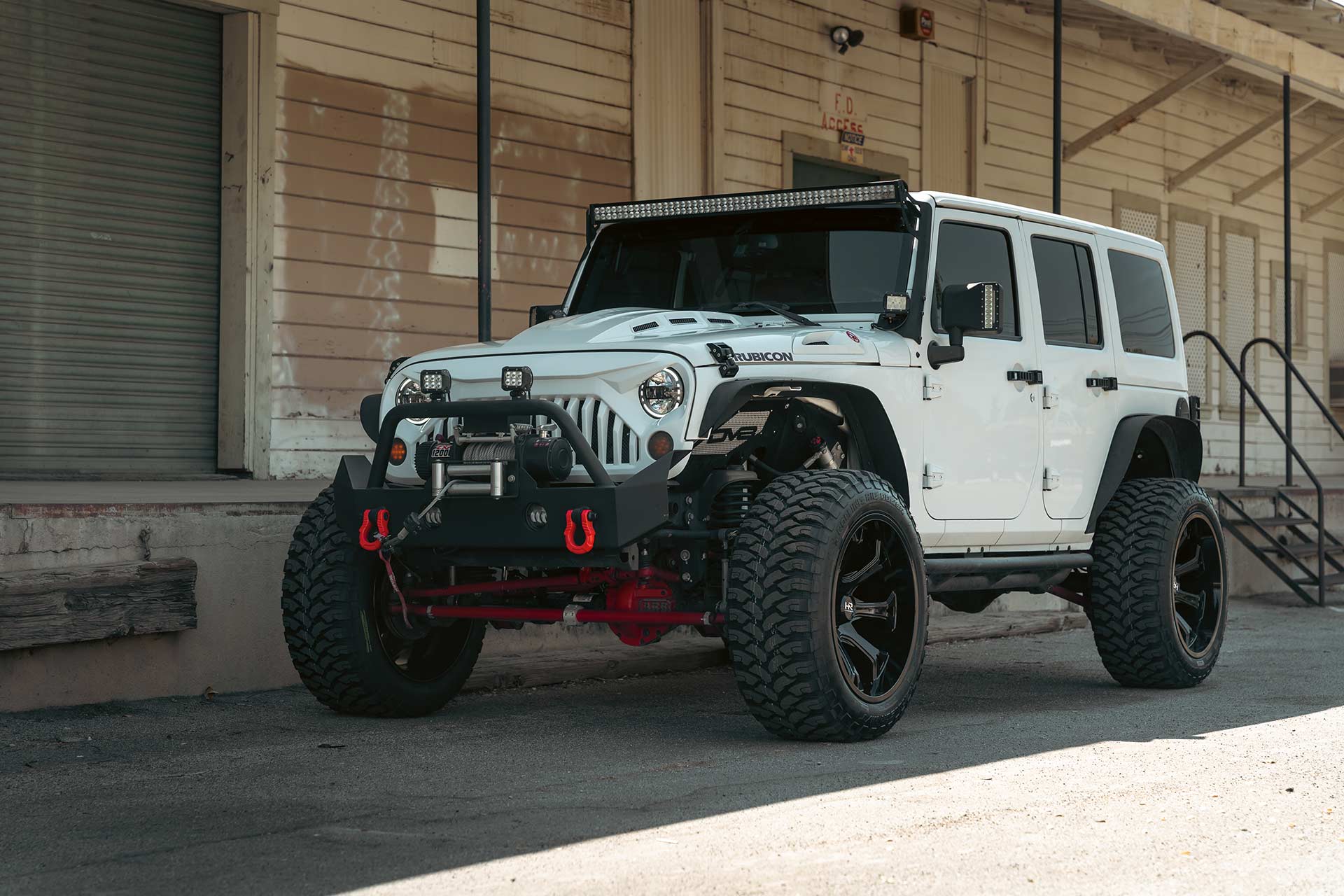
The Jeep Wrangler stands out because of its design and features. These make it one of the most popular off-road vehicles in the world.
- Solid axles: Improve traction on uneven ground.
- High ground clearance: Lets you pass over rocks and logs.
- Short wheelbase: Makes turning easy on tight trails.
- Four-wheel drive (4WD): Essential for tough terrain.
- Skid plates: Protect the underbody from damage.
Many Wranglers also have advanced technology like locking differentials and disconnecting sway bars for even better performance.
Preparing Your Jeep For The Trail
Preparation is key before you leave pavement. Skipping these steps can lead to trouble miles from help.
Essential Checks
- Tire pressure: Lower your tire pressure to around 15–20 psi for most trails. This increases grip and smooths the ride.
- Fluids: Check oil, coolant, brake, and transmission fluids.
- Recovery gear: Always pack a tow strap, shovel, and traction boards.
- Spare tire and tools: Make sure your spare is in good shape and you have a jack and lug wrench.
- Battery: A weak battery can leave you stranded far from help.
What To Pack
- First aid kit
- Water and snacks
- Map or GPS
- Flashlight
- Basic tool kit
It’s smart to always let someone know your route and expected return time.
Off-road Driving Techniques
Driving off road is not like city or highway driving. You need to adjust your skills.
Choosing The Right Mode
Most Jeep Wranglers let you select from 2H (two-wheel drive high), 4H (four-wheel drive high), and 4L (four-wheel drive low). Here’s how they compare:
| Mode | When to Use | Main Benefit |
|---|---|---|
| 2H | Pavement | Fuel efficiency |
| 4H | Dirt, sand, snow | Better traction |
| 4L | Steep, rocky, mud | Maximum torque, slow speed control |
Basic Techniques
- Go slow: Off-roading is about control, not speed.
- Steady throttle: Don’t stomp the gas; use gentle pressure.
- Descend carefully: Use engine braking and go slow downhill.
- Cross obstacles at an angle: This keeps more wheels on the ground.
- Don’t spin wheels: If stuck, spinning can dig you deeper.
Reading The Terrain
Learn to read the trail ahead. Mud, sand, snow, and rocks each require different techniques. For example, in sand, keep momentum but avoid sudden turns. In rocks, place tires carefully and go very slowly.
Common Off-road Mistakes To Avoid
Even experienced drivers make mistakes. Here’s what to watch for:
- Going alone: Always travel with at least one other vehicle.
- Ignoring weather: Rain can turn easy trails dangerous.
- Overloading your Jeep: Too much gear can stress your suspension.
- Not airing down tires: Hard tires reduce grip and comfort.
- Underestimating obstacles: If unsure, get out and look before driving.
Many beginners forget to check tire pressure or rush through water crossings. Take your time. Water deeper than the center of your wheel can damage your Jeep.

Recovery And Safety Tips
No matter how careful you are, getting stuck is part of off-roading. Be ready to recover safely.
Recovery Tools Comparison
| Tool | When to Use | Advantages |
|---|---|---|
| Tow Strap | General stuck situations | Light, simple, effective with another vehicle |
| Traction Boards | Sand, mud, snow | Quick traction boost, works solo |
| Winch | Serious stuck, solo recovery | Very powerful, expensive, needs anchor point |
When using a tow strap, make sure both vehicles have strong recovery points. Never attach to bumpers or suspension parts. For winching, wear gloves and stand clear of the cable.
Always stay aware of your surroundings. Avoid standing between vehicles during recovery.
Respecting Nature And Local Laws
Enjoying the outdoors comes with responsibility. Follow the Tread Lightly principles:
- Stay on marked trails.
- Pack out all trash.
- Avoid damaging plants and wildlife.
- Obey all posted signs and local laws.
Respecting the land keeps trails open for everyone. Some areas require permits or have seasonal closures, so always check ahead. For more detail, visit the official National Park Service site.
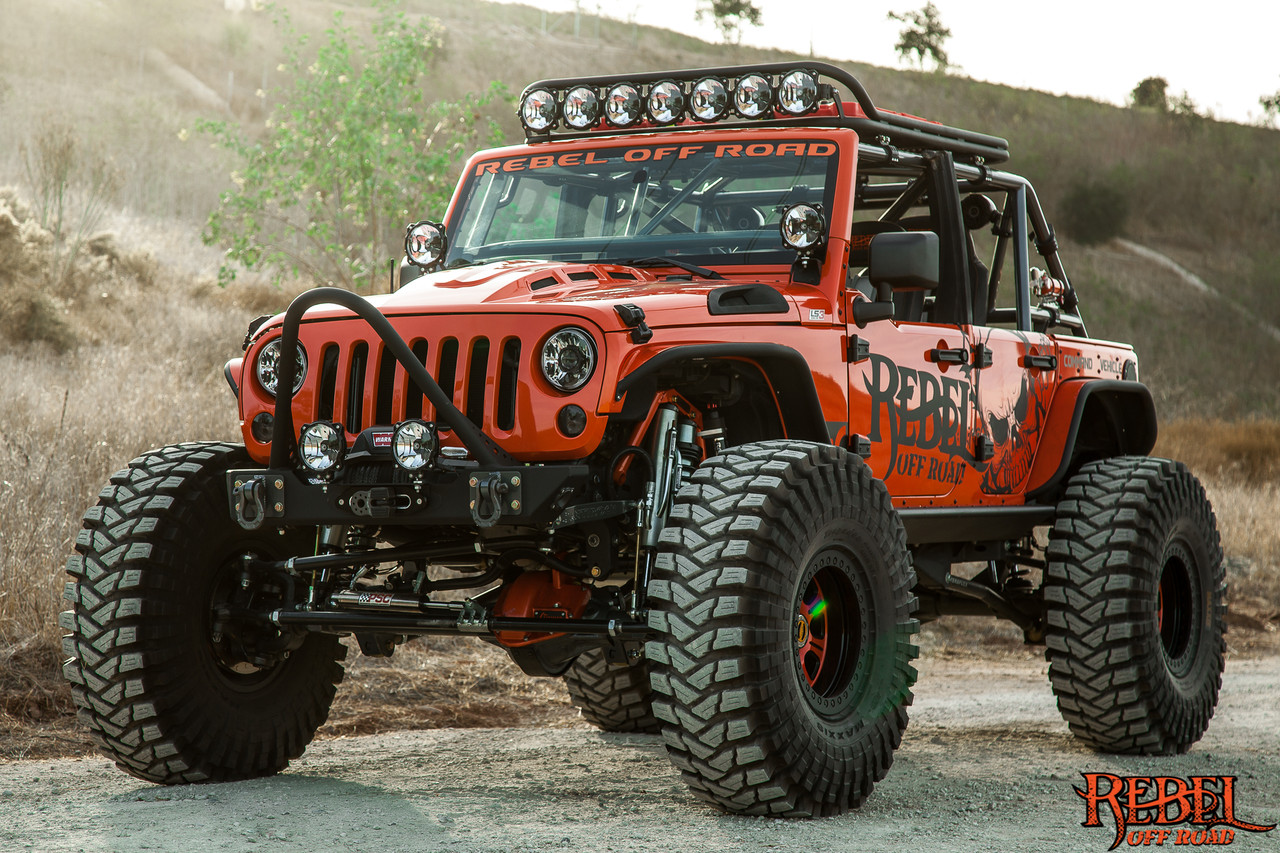
Jeep Wrangler Modifications For Off-road
While the Jeep Wrangler is capable out of the box, many owners add upgrades. The most popular modifications include:
- Lift kits: Add ground clearance for bigger tires and obstacles.
- Off-road tires: Improve grip and durability.
- Rock sliders: Protect door sills from rocks.
- Winch: Essential for serious solo recovery.
- LED lights: Better visibility at night.
Not all modifications are needed for every trip. Start with recovery gear and better tires before spending on lifts or bumpers. Be aware that some changes can affect your vehicle’s warranty or street legality.
Frequently Asked Questions
What Tire Pressure Is Best For Off-roading In A Jeep Wrangler?
Most drivers lower their tire pressure to 15–20 psi when off-roading. This gives more grip and a smoother ride. Always air back up before returning to the highway.
Can I Go Off-roading In A Stock Jeep Wrangler?
Yes, a stock Jeep Wrangler is more capable than most SUVs. Focus on recovery gear and driving skills before spending money on upgrades.
Is A Winch Necessary For Off-roading?
A winch is not required for mild trails but becomes very useful on harder trails or when traveling alone. For beginners, a tow strap and traction boards are often enough.
How Do I Find Legal Off-road Trails?
Check with local Jeep clubs, national parks, or websites for trail maps. Always make sure the trail is open to vehicles and follow all rules.
What Should I Do If I Get Stuck Alone?
First, stay calm. Use traction boards or a shovel to clear around the tires. If you can’t get out, try to call for help. Never leave your vehicle unless you are sure where help is.
Taking your Jeep Wrangler off road is both fun and challenging. By preparing your vehicle, learning key skills, and respecting the outdoors, you’ll enjoy safer and more exciting adventures. The best off-roaders are always learning and ready for anything the trail brings.