Adding coolant to your Jeep Compass is a simple but important job that keeps your engine safe and running smoothly. Without enough coolant, your engine can get too hot, leading to expensive damage. Many drivers worry this process is too technical, but with the right steps, anyone can do it safely at home. Let’s walk through the process clearly, so you feel confident the next time your Jeep Compass needs more coolant.
Why Coolant Matters For Your Jeep Compass
Your engine creates a lot of heat. The coolant (sometimes called antifreeze) helps absorb and move this heat away from the engine. Without coolant, or with old coolant, your engine can overheat, which may cause the head gasket to fail or even crack the engine block. In cold weather, coolant also stops the liquid inside your engine from freezing.
A 2022 study by the Car Care Council found that low coolant was one of the top three reasons for engine breakdowns in the United States. Keeping coolant at the right level can help avoid being stranded and paying for costly repairs.
What You Need Before Adding Coolant
Before you begin, gather these items:
- Correct coolant type (check your Jeep Compass manual)
- Clean funnel
- Gloves and safety glasses
- Clean rag
It’s important to use the right coolant. Most Jeep Compass models use HOAT (Hybrid Organic Acid Technology) coolant, but always double-check your owner’s manual. Using the wrong coolant can cause sludge or damage the cooling system.
Comparison Of Common Coolant Types
| Coolant Type | Color | Compatibility | Life Span |
|---|---|---|---|
| HOAT | Yellow/Orange | Most Jeep/Chrysler | 5 Years/150,000 miles |
| OAT | Purple/Orange | Some newer models | 5+ Years/150,000 miles |
| IAT | Green | Older vehicles | 2 Years/30,000 miles |

Step-by-step Guide: How To Add Coolant To Jeep Compass
1. Park And Cool Down
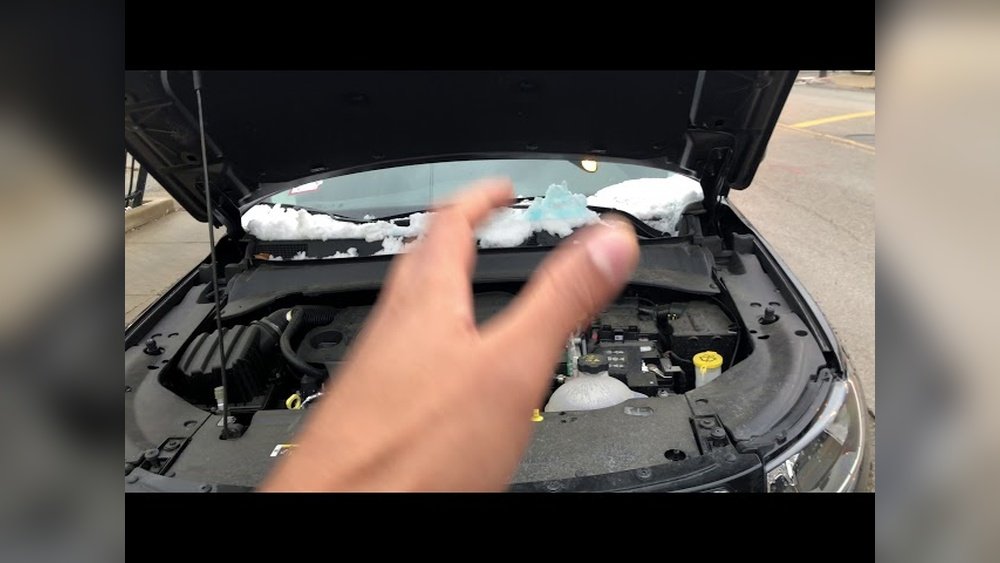
Make sure your Jeep Compass is on a level surface and the engine is completely cool. Never open the coolant reservoir or radiator cap when the engine is hot—the system is pressurized, and hot coolant can spray out.
2. Locate The Coolant Reservoir
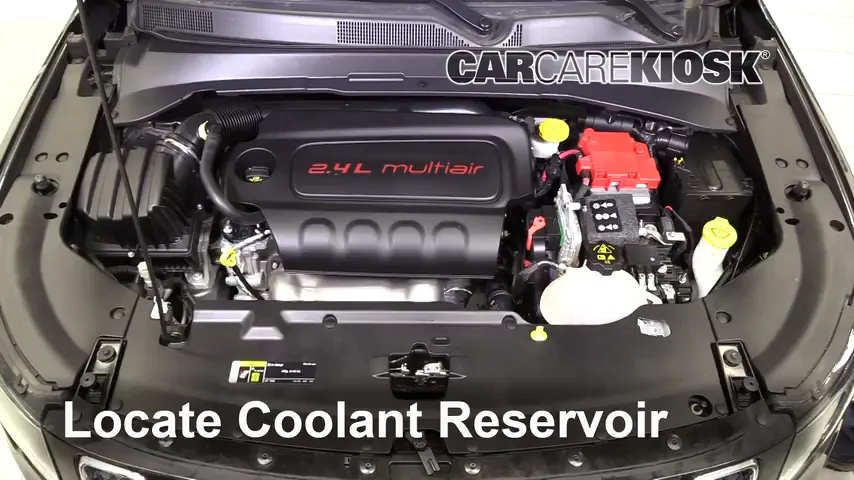
The coolant reservoir is a translucent plastic tank, often on the passenger side of the engine bay. It’s labeled with “coolant” or a thermometer symbol. You’ll see “MIN” and “MAX” lines on the side.
3. Check Current Coolant Level
Look at the fluid level through the side of the tank. The coolant should be between the MIN and MAX marks. If it’s below MIN, you need to add more.
4. Open The Reservoir Cap Safely
Twist the cap slowly to let any pressure escape. If you hear a hiss, wait until it stops before taking the cap off completely.
5. Add Coolant
Place the funnel in the reservoir opening. Pour the coolant in slowly until the level reaches just below the MAX line. Do not overfill—it can cause leaks when the engine heats up.
6. Secure The Cap And Clean Up
Tighten the cap back on. Wipe away any spills with a rag. Start the engine, let it run for a few minutes, and check the reservoir again. Add more coolant if needed.
Jeep Compass Coolant Capacity Overview
| Model Year | Engine | Coolant Capacity (quarts) |
|---|---|---|
| 2018-2023 | 2.4L I4 | 7.3 |
| 2011-2017 | 2.0L I4 | 6.2 |
| 2011-2017 | 2.4L I4 | 7.2 |
Common Mistakes And How To Avoid Them
Many drivers make small errors when adding coolant. Here’s how to avoid them:
- Using the wrong coolant: Always check your manual. Mixing types can clog your system.
- Adding coolant to a hot engine: Wait until the engine is fully cool.
- Overfilling: Too much coolant can cause system pressure and leaks.
- Ignoring leaks: If you need to add coolant often, there may be a leak. Get your Jeep checked.
When To Change Coolant Instead Of Just Adding
Topping off coolant is only a short-term fix. If your coolant is dirty, rusty, or you’ve never changed it, a full coolant flush is safer. Old coolant loses its ability to protect your engine. Most experts recommend a full change every 5 years or 150,000 miles. If you see debris or the coolant looks brown, schedule a flush.
How To Choose The Right Coolant For Your Jeep Compass
Look for these details on the label:
- HOAT type for most Jeep Compass models
- Pre-mixed or concentrate (pre-mixed is easier for beginners)
- Brand quality and warranty
If in doubt, ask your dealer or check the official Jeep website. Using the exact match keeps your warranty safe and your Jeep running well. For more tips, check the official Jeep maintenance guide.
Pre-mixed Vs. Concentrate Coolant: Which Is Better?
| Type | Ready to Use? | Mixing Needed? | Best For |
|---|---|---|---|
| Pre-Mixed | Yes | No | Beginner, Quick Top-Up |
| Concentrate | No | Yes (usually 50/50 with water) | Experienced, Full Change |

Frequently Asked Questions
How Often Should I Check The Coolant In My Jeep Compass?
Check your coolant level at least once a month, and always before a long trip. If you notice it dropping often, have your system checked for leaks.
What Should I Do If I Spill Coolant While Topping Off?
Wipe up spills immediately. Coolant is toxic to pets and wildlife, so dispose of rags and any leftover coolant safely.
Can I Use Water Instead Of Coolant In An Emergency?
You can use water for a short time if there’s no other option, but replace it with the correct coolant as soon as possible. Water alone does not protect against freezing or corrosion.
Why Is My Coolant Level Dropping Quickly?
Rapid coolant loss usually means a leak or a bad head gasket. Check for wet spots under your Jeep and see a mechanic soon.
Is It Safe To Drive With Low Coolant?
No. Driving with low coolant can cause your engine to overheat quickly, leading to costly repairs.
Adding coolant to your Jeep Compass is easy when you know the steps. Regular checks and the right coolant type keep your SUV safe and reliable. Even if you’re new to car care, following these tips helps avoid common mistakes and protects your engine for years to come.