If your 2010 Jeep Patriot horn is stuck, making noise randomly, or you need to silence it for a repair, disconnecting the horn is a helpful solution. While it seems simple, it’s important to do it safely and correctly. This guide will walk you through the process step by step, offering practical tips that many beginners miss. You’ll learn how to identify the horn components, disconnect them safely, and avoid common mistakes that could harm your vehicle’s electrical system.
Understanding The Horn System In A 2010 Jeep Patriot
The horn in a 2010 Jeep Patriot is part of the car’s electrical system. When you press the horn button, it completes a circuit and sends power to the horn relay. The relay then allows current to flow to the horn, producing sound. The horn is usually located behind the front bumper or near the radiator.
There are two main ways to disconnect the horn:
- Removing the horn fuse or relay
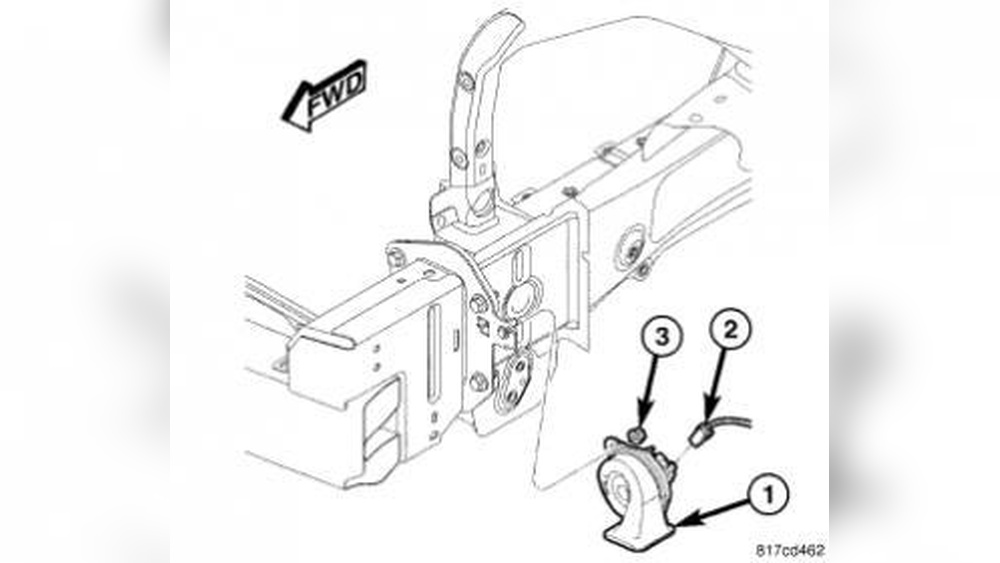
- Unplugging the horn connector directly at the horn assembly
Both methods are effective, but the fuse/relay method is often faster and doesn’t require you to crawl under the vehicle.
Tools And Supplies You’ll Need
- Socket set or wrench
- Needle-nose pliers (optional)
- Flathead screwdriver
- Owner’s manual (for fuse/relay location reference)
- Safety gloves
- Flashlight (if working in low light)

Safety Tips Before You Start
- Disconnect the battery before working on any electrical parts to avoid shocks or accidental short circuits.
- Wear gloves to protect your hands from sharp car parts.
- Make sure the vehicle is parked on a flat surface with the engine off.
Step-by-step: How To Disconnect The Horn
1. Disconnect The Battery
Open the hood and locate the battery terminals. Loosen the nut on the negative (-) terminal and remove the cable. This prevents accidental electrical shorts.
2. Find The Horn Fuse Or Relay
Open your Jeep Patriot’s fuse box. In most models, this box is under the hood near the battery. Look for a diagram on the fuse box cover or check your owner’s manual. The horn relay is often labeled as “HORN” or “HORN RELAY”.
| Component | Location | Tool Needed |
|---|---|---|
| Fuse Box | Engine compartment | Hands only |
| Horn Relay | Fuse box | Needle-nose pliers |
| Horn Assembly | Behind front bumper | Socket set/screwdriver |
3. Remove The Horn Fuse Or Relay
Using your fingers or pliers, gently pull out the horn fuse or horn relay. This stops power from reaching the horn. Set the fuse or relay aside in a safe place.
Insight: Many beginners forget to check the fuse box diagram carefully. Make sure you identify the correct fuse/relay, as pulling the wrong one can disable other car systems.
4. Test The Horn
Reconnect the negative battery terminal. Sit in the driver’s seat and press the horn. If there’s no sound, you’ve successfully disconnected the horn.
5. Alternative Method: Unplugging The Horn Directly
If you prefer or need to disconnect the horn at the source, locate the horn assembly. It’s usually behind the front bumper, near the radiator. You might need to remove a plastic cover or splash shield to access it.
- Find the electrical connector on the horn.
- Press the tab and pull the connector off.
This method is best if you plan to replace the horn or check for wiring problems.
| Disconnection Method | Difficulty | Time Required | Tools Needed |
|---|---|---|---|
| Fuse/Relay Removal | Easy | 5-10 minutes | Pliers/Manual |
| Direct Unplug | Moderate | 15-25 minutes | Socket set/Screwdriver |
Common Mistakes To Avoid
- Not disconnecting the battery first, which can lead to electrical shorts.
- Pulling the wrong fuse/relay, which may affect lights or ignition.
- Losing the fuse/relay after removal—store it in a small bag or container.
- Damaging the horn connector by pulling too hard.
Non-obvious insight: If your horn is stuck on, the relay may be faulty. Replacing the relay can fix the problem without disconnecting the horn itself.
Why Would You Disconnect The Horn?
Some drivers disconnect the horn to silence it during electrical repairs, when replacing the steering wheel, or to stop a constant honking issue. Remember, driving without a working horn is not legal in many areas and can be unsafe.
Reconnecting The Horn
When your repair is complete, reverse the steps:
- Reinsert the fuse or relay
- Reconnect the horn plug if you used the direct method
- Reconnect the battery
- Test the horn
If the horn does not work after reconnecting, double-check the fuse and relay positions and ensure the battery terminals are tight.
Data: Fuse And Relay Numbers In The 2010 Jeep Patriot
Here’s a quick reference for the most common fuse and relay numbers related to the horn:
| Component | Number/Label | Amperage |
|---|---|---|
| Horn Fuse | F16 (varies by trim) | 15A |
| Horn Relay | K2 (varies by trim) | – |
Note: Always check your specific Jeep Patriot manual as fuse box layouts can change with trim and market.

Final Thoughts
Disconnecting the horn on a 2010 Jeep Patriot is a simple but important task that can prevent further electrical issues or embarrassing noises. Always put safety first by disconnecting the battery and following the steps carefully. If you’re unsure, consult a professional or check the official Jeep service manual. For more technical details, visit the Jeep Patriot Wikipedia page.
Frequently Asked Questions
Is It Safe To Drive With The Horn Disconnected?
It’s not recommended. The horn is a key safety device for warning other drivers.
Can I Just Remove The Horn Wires Without Disconnecting The Battery?
No. Always disconnect the battery first to avoid electric shocks or short circuits.
Will Disconnecting The Horn Affect Other Car Functions?
If you remove only the horn fuse or relay, other systems usually remain unaffected. Pulling the wrong fuse may disable lights or ignition.
What If My Horn Stays On After I Remove The Relay?
This suggests a wiring short or a stuck relay. Consult a mechanic if the problem continues.
How Do I Know Which Fuse Or Relay Controls The Horn?
Check your owner’s manual or the diagram inside the fuse box cover for the correct label and location.