Installing new hood latches on your Jeep Wrangler is one of those upgrades that brings both style and function. Whether you want to stop hood flutter at high speed, upgrade to a tougher look, or replace old parts, it’s a project you can handle yourself. You don’t need advanced skills, but careful steps matter for safety and appearance. In this guide, you’ll learn how to install hood latches on a Jeep Wrangler, from selecting the right hardware to tightening the last bolt. With clear instructions and practical advice, you’ll avoid common mistakes and finish with confidence.
Why Upgrade Hood Latches?
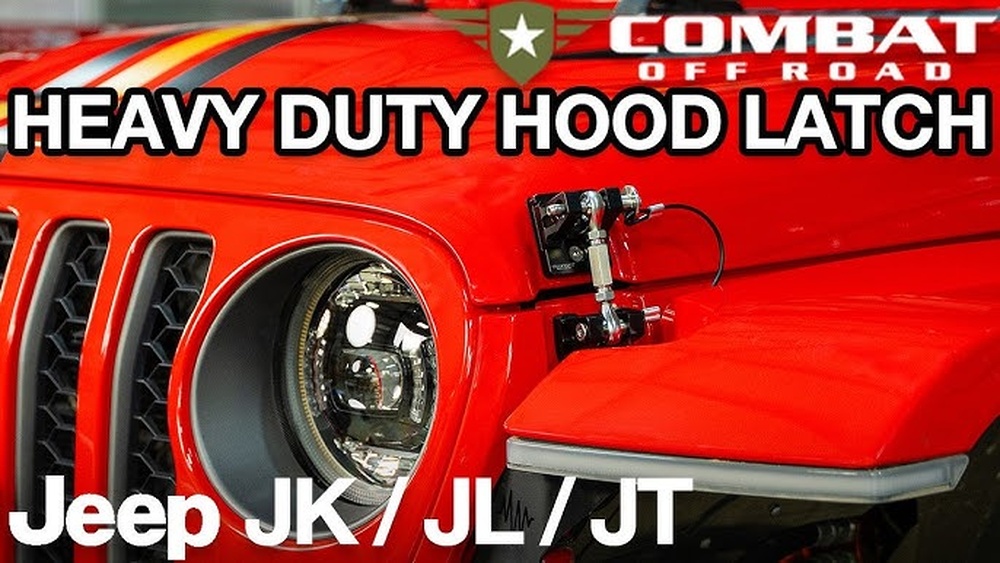
The factory hood latches on many Jeep Wranglers can wear out or become loose. This causes the hood to shake, especially when driving fast or off-road. Aftermarket latches are often stronger, made from materials like stainless steel or aluminum, and provide a tighter fit. Upgrading also lets you pick a style that matches your Jeep—black, chrome, or even colored finishes.
Common Reasons To Install New Latches
- Reduce hood flutter for safer driving
- Upgrade to rust-resistant hardware
- Replace broken or faded factory parts
- Add a custom look to your Jeep
Choosing The Right Hood Latches
Before you start, choose latches that fit your Wrangler model. Most aftermarket latches list compatibility for TJ, JK, or JL years. Double-check the listing, as mounting points can change between generations.
| Wrangler Model | Years | Latch Compatibility |
|---|---|---|
| TJ | 1997-2006 | Specific TJ latches |
| JK | 2007-2018 | JK/JKU latches |
| JL | 2018-present | JL-specific latches |
Look for brands with strong reviews and warranty. Stainless steel or powder-coated finishes last longer in harsh weather. Some latches include anti-theft features, which are useful if you park in public places.
Tools And Materials Needed
Gather your tools before starting. Most installations need only simple hand tools.
- Socket wrench (usually 10mm or 13mm)
- Screwdriver (Phillips or flat-head)
- Pliers
- New hood latches (with mounting hardware)
- Optional: Thread locker for extra security
Check your kit for all parts. Missing washers or bolts can cause rattling or poor fit.
| Tool | Purpose |
|---|---|
| Socket wrench | Remove/install bolts |
| Screwdriver | Remove clips/screws |
| Pliers | Hold nuts in tight spots |
Step-by-step Installation Guide
Follow these steps to install hood latches securely. This process works for most aftermarket kits, but check your instructions for details.
1. Remove Old Hood Latches
Open your hood and locate the factory latches on both sides. Remove the bolts using your socket wrench. Some models have clips or screws—use your screwdriver as needed. Keep the old hardware in case you need it later.
2. Clean Mounting Areas
Wipe down the area where the new latches will sit. Dirt or rust can affect the fit. If there’s corrosion, sand lightly and apply touch-up paint.
3. Position New Latches
Place the new latch base where the old latch was. Make sure holes line up. Some aftermarket latches have adjustable bases—set them for a snug fit.
4. Install Bolts And Tighten
Insert bolts through the latch and into the hood. Tighten with your socket wrench. If your kit includes washers, use them to prevent scratching. Avoid over-tightening, which can damage the paint.
5. Attach Catch And Secure
Move to the fender side and install the lower catch. Align it carefully so the latch closes easily. If your kit has a lock, check operation before final tightening.
6. Test And Adjust
Close the hood and latch both sides. The hood should sit flush, with no gap or movement. If it’s too tight or loose, adjust the latch position. Repeat until both sides are even and secure.
7. Apply Thread Locker (optional)
For extra security, apply a small amount of thread locker to the bolts. This keeps them from loosening with vibration.

Practical Tips For A Smooth Install
- Work in good light, so you don’t miss parts or bolts.
- Take photos before removing old latches. This helps with alignment.
- If latches feel stiff, apply silicone spray—not oil, which can attract dirt.
- Check alignment after a week of driving. Vibration can loosen bolts.
Many beginners forget to check the fit on both sides before tightening everything. This can cause the hood to close unevenly or damage the paint. Always test the hood closure before final tightening.
| Step | Common Mistake | How to Avoid |
|---|---|---|
| Removing old latches | Losing small bolts | Use a magnetic tray |
| Positioning new latches | Misaligned holes | Check fit before tightening |
| Tightening bolts | Over-tightening | Stop at snug, not forced |
Safety And Maintenance
After installation, check the latches regularly. A loose latch can cause the hood to pop open while driving, which is dangerous. Once a month, inspect bolts and the latch mechanism. If you drive off-road, check after every trip.
Weather resistance is key. Stainless steel latches last longer in rain or snow. If you live in a humid area, consider a latch with a sealed design.

Where To Find Quality Latches
Many Jeep owners buy latches online or at auto parts stores. For trusted reviews and guides, see ExtremeTerrain. Always check compatibility and warranty before purchase.
Frequently Asked Questions
How Long Does It Take To Install Hood Latches?
Most installations take 30–45 minutes. If you’re new to DIY, allow up to an hour. Taking your time prevents mistakes.
Can I Install Hood Latches Without Drilling?
Yes, most aftermarket latches use the factory holes. Only rare custom latches need drilling. Always check instructions before buying.
Are Hood Latches Worth Upgrading?
Upgrading helps reduce hood flutter and improves safety, especially at high speed or off-road. Stronger materials last longer and resist rust.
What If My Hood Won’t Close After Installing Latches?
Check alignment and adjust the latch position. Sometimes bolts are too tight or the base is misaligned. Loosen bolts, realign, and retighten.
Will New Latches Affect My Warranty?
Most bolt-on latches won’t affect your warranty, but always confirm with your dealer. Using factory holes and avoiding drilling is safest.
Installing hood latches on your Jeep Wrangler is a simple project that boosts both safety and style. With the right tools and careful steps, you can finish in under an hour and enjoy a sturdier, sharper look every time you drive.