If you own a Jeep Wrangler, you know the thrill of driving with the top off. Fresh air, open sky, and a sense of freedom are why many choose this vehicle. But for new owners, opening the hard top can feel confusing or even risky. Doing it wrong may lead to scratches, leaks, or damaged panels. This guide will walk you through each step, share tips to make it easier, and help you avoid common mistakes. Whether you’re prepping for summer or just want to try something new, you’ll find everything you need here.
Understanding The Jeep Wrangler Hard Top
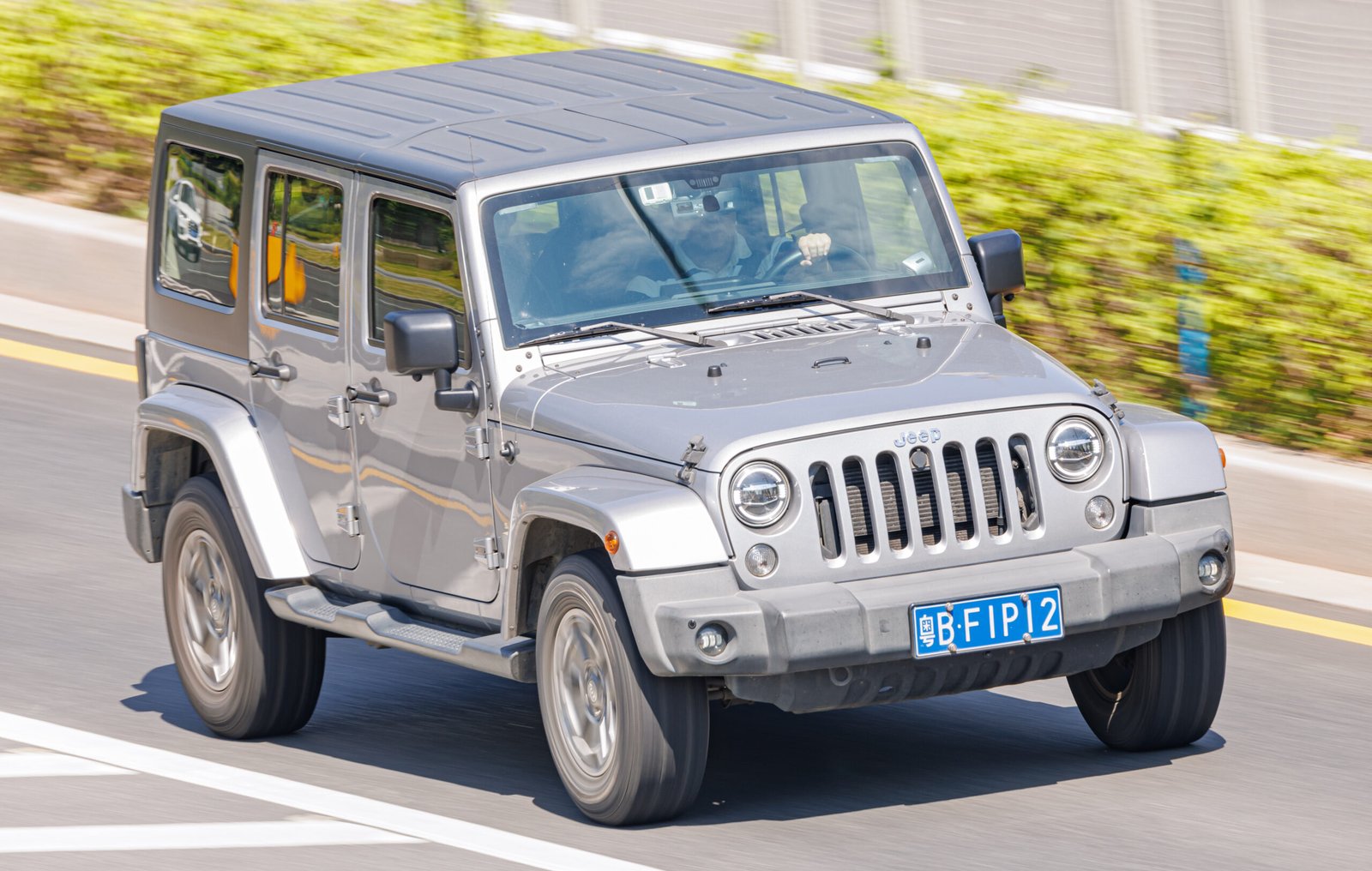
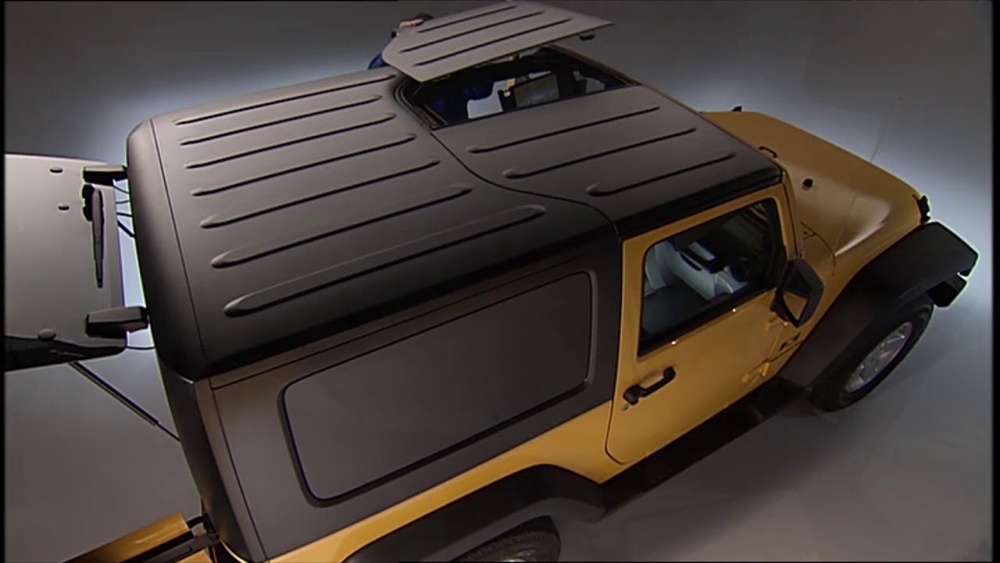
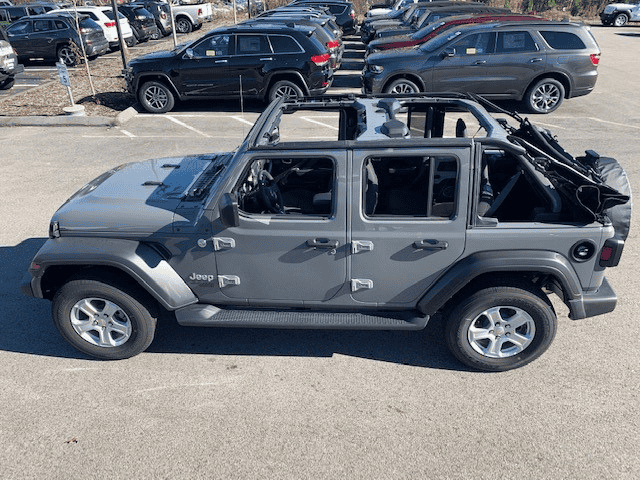
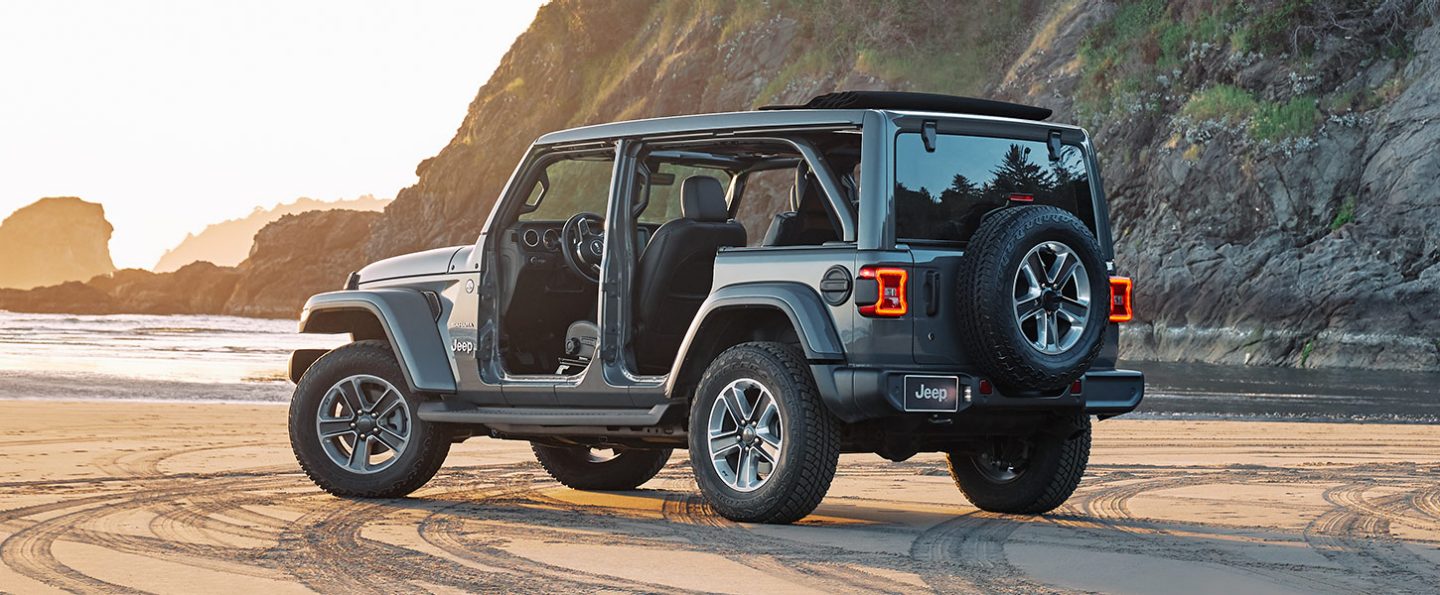
The hard top on a Jeep Wrangler is made of fiberglass or composite materials. It provides better insulation and security than soft tops. Most models (like the JK, JL, and Gladiator) have a modular design. This means you can remove just the front panels (called Freedom Panels) or the entire roof.
Why Open The Hard Top?
- Enjoy open-air driving in good weather
- Make cleaning and repairs easier
- Reduce cabin heat in summer
However, the hard top is heavier and more complex to remove compared to soft tops. Two people are usually needed for the main section.
Tools And Preparation
Before you start, gather these tools and supplies:
- Torx screwdriver (T40 bit) – Standard with every Wrangler tool kit
- Soft cloth or blanket – To protect your roof and panels
- Storage bags – For Freedom Panels (optional, but recommended)
- Step stool – For better reach if you’re not tall
Never rush. Setting aside 20–30 minutes for your first attempt is wise.
Weather Warning
Avoid removing the top during rain or strong wind. Wet weather can damage the interior, and gusts can make handling panels unsafe.

Step-by-step: How To Open Jeep Wrangler Hard Top
Follow these steps for most 2007+ Jeep Wrangler models. If you have a much older Wrangler, check your manual for differences.
1. Remove Freedom Panels
Most hard tops have two removable panels over the front seats. Here’s how to take them off:
- Flip down the sun visors.
- Release the six latches (three per panel) around the windshield frame and center.
- Unscrew the center latch if your model has one.
- Lift each panel up and off the Jeep.
- Place them on a soft cloth or in a storage bag.
Tip: Always support the panels with two hands. They’re lighter than the rear roof but can still scratch easily.
2. Unbolt The Main Roof
The rear section is heavier and needs more care.
- Fold down or remove the rear seats for extra space (optional).
- Locate the Torx bolts along the roll bar and rear corners. There are usually 6–8 bolts.
- Use your Torx screwdriver to remove all bolts. Keep them in a safe spot.
- Disconnect the rear window washer hose and the electrical connector (usually on the driver’s side near the back). Press the tab and pull gently.
3. Lift Off The Rear Top
- With a friend, stand on each side of the Jeep.
- Lift the rear section straight up to avoid scratching the paint.
- Move the top away from the vehicle and set it down on a padded surface.
Important: The rear top can weigh between 70–100 lbs. Two people are safer, but some use a hoist system in their garage for easier solo removal.
Practical Tips And Insights
Many beginners make these mistakes:
- Losing bolts: Use a small tray or zip bag for hardware.
- Forcing connectors: If the window washer or wiring won’t disconnect, double-check for locking tabs.
- Scratching paint: Always use a blanket or mat when placing the panels down.
You can also buy aftermarket hoist kits that let you lift the top off by yourself. Some even allow you to store the roof overhead in your garage.
Comparison: Hard Top Vs Soft Top Removal
If you’re considering switching between tops, this quick comparison helps:
| Feature | Hard Top | Soft Top |
|---|---|---|
| Time to Remove | 15–30 minutes | 5–10 minutes |
| People Needed | 2 (recommended) | 1 (usually) |
| Storage Space | Large, needs safe spot | Folds inside vehicle |
Storing Your Hard Top Safely
Hard tops are expensive to replace. Proper storage is key.
- Store panels in a dry area, away from direct sunlight.
- Use wall hooks or a rolling cart designed for hard tops.
- Cover with a breathable cloth to prevent dust.
A little care now prevents headaches later.
Hard Top Storage Options
Here’s how different storage methods compare:
| Method | Cost | Protection | Ease of Use |
|---|---|---|---|
| On blankets (floor) | Low | Good | Easy |
| Rolling cart | Medium | Excellent | Very easy |
| Ceiling hoist | High | Excellent | Best for solo use |
Putting The Hard Top Back On
Reinstalling is mostly the reverse of removal:
- Place the rear top carefully onto the Jeep.
- Reconnect the washer hose and wiring.
- Bolt the roof to the roll bar and corners.
- Install the Freedom Panels. Latch them securely.
- Test all connections (especially the rear defroster and washer).
Check for leaks after a car wash or rain. If you see drips, check that all latches and bolts are tight.
Frequently Asked Questions
How Heavy Is The Jeep Wrangler Hard Top?
The main rear section weighs between 70 and 100 pounds depending on the model. Freedom Panels are lighter, around 10–15 pounds each.
Can I Remove The Hard Top By Myself?
It’s possible but risky. The top is bulky and can be hard to handle alone. Many owners use a garage hoist system for solo removal.
Will Removing The Hard Top Affect My Warranty?
No, Jeep expects owners to remove and reinstall the hard top. Just avoid damage caused by improper removal.
Where Can I Find Detailed Instructions For My Model?
Your owner’s manual includes model-specific steps. You can also check the official Jeep site or forums like Wrangler Forum for tips.
What’s The Difference Between Freedom Panels And The Main Hard Top?
Freedom Panels are the small, removable roof sections above the front seats. The main hard top covers the rest of the vehicle and is much heavier.
Opening your Jeep Wrangler hard top can be simple and safe when you know the right steps. Take your time, ask a friend for help, and always protect your panels. With a little practice, you’ll enjoy open-air driving whenever you want.